
# Duckweed and the Plant Everyone Warns You About for Good Reason I made the mistake exactly once. A mate handed me a small plastic bag with what looked like barely anything in it after I mentioned wanting some floating plants for my new setup. “Just a few bits of duckweed,” he said with what I now recognise was barely suppressed amusement.
“It grows fast, soaks up nutrients, fish love it.” Three months later I was standing in my kitchen with a net, a bin liner, and the grim determination of someone who’d learned why every experienced aquarist has That Look when you mention duckweed. The stuff had taken over my entire 120-litre tank like some sort of botanical invasion force. That was two years ago, and I’m still finding the occasional piece floating in tanks where it has absolutely no business being.
But here’s the thing that surprised me most about duckweed: despite being the plant equivalent of that friend who never knows when to leave a party, I’ve ended up deliberately keeping it in half my setups. Not because I’m a masochist, but because when you understand what it actually does and how to manage it, there’s genuinely nothing quite like it for solving certain problems.

This is the plant everyone warns newcomers about, usually with stories that sound like aquatic horror films.
It’s also one of the most effective biological filters you can add to a tank, a genuine algae prevention tool, and something that can transform water quality faster than any chemical treatment. The question isn’t whether duckweed works. The question is whether you’re prepared to work with it. | Care Level | Lighting Needs | CO2 Required | Growth Rate | Max Size | Our Rating | |————|—————|————–|————-|———–|————-| | Beginner | Any | No | Very Fast | 2cm per plant (Aqua-Fish.net) | 4/5 | ## What You’re Actually Getting Lemna minor is the scientific name for common duckweed (Wikipedia), though it shares the “duckweed” label with several related species that all behave similarly in aquarium conditions.
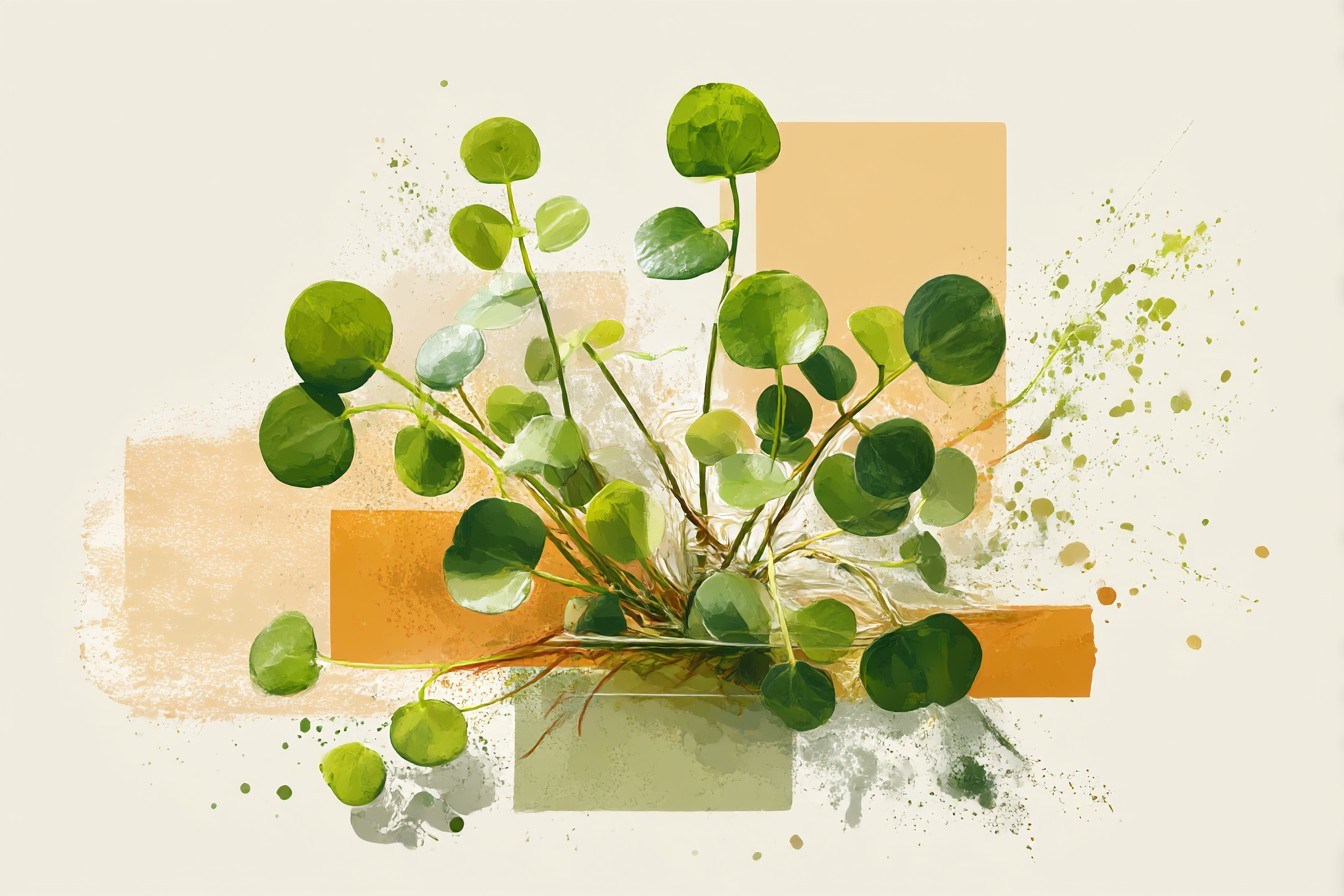
It’s a flowering plant, technically, though you’ll never see flowers in a tank. Each tiny plant is basically a floating disc with roots dangling underneath, usually no bigger than 2cm maximum (Aqua-Fish.net). The thing looks almost absurdly simple.
No stems, no complex leaf structures, just these small green pads that sit on the surface like nature’s most efficient solar panels. The roots hang down into the water column, rarely longer than a couple of centimetres, filtering nutrients directly from the water. It’s this simplicity that makes it so effective and so incredibly frustrating to control.
Duckweed reproduces by budding new plants from the parent, which is why it spreads so aggressively. You don’t get gradual growth like with stem plants. You get exponential multiplication.
One plant becomes two, two become four, four become eight, and suddenly you’re wondering where your water surface went. The temperature tolerance is broader than almost any aquarium plant you’ll encounter. It thrives in the standard aquarium range of 17-26°C (Aqua-Fish.net), though research shows it can handle anything from 11.4-32.3°C (ScienceDirect).
The pH tolerance is equally forgiving, working fine anywhere from 6.0-7.8 (Aquatic Motiv). This adaptability is part of why it’s such a successful plant in the wild and such a persistent presence once it’s in your tank. ## Why It Actually Works So Well The nutrient uptake capability of duckweed is genuinely impressive, though it comes with consequences you need to understand. In controlled studies, duckweed absorbed 10-23% of nitrate concentration within just nine days (ResearchGate PDF).
That’s not just nitrates either. It pulls phosphates, ammonia, and trace elements out of the water column with equal efficiency. This nutrient absorption happens through those dangling roots, which act like tiny biological filters scattered across your water surface.
Unlike planted tank fertilisation where you’re trying to balance nutrients for slow, controlled growth, duckweed just hoovers up whatever’s available and converts it into plant mass. The more nutrients in your water, the faster it grows. The faster it grows, the more nutrients it removes.
It’s a feedback loop that can genuinely solve water quality problems, but it can also get completely out of hand. I’ve seen duckweed clean up tanks that were struggling with persistent algae issues within a couple of weeks. The principle is straightforward: if the floating plants are absorbing all the excess nutrients, there’s nothing left to fuel algae growth.
It works particularly well in tanks that get strong natural light, where other floating plants might struggle but duckweed thrives. The growth rate classification of “fast” (Aqua-Fish.net) undersells what actually happens under good conditions. Research into optimal nutrient ratios shows duckweed responds best to nitrogen-to-phosphorus ratios around 15:1 (ScienceDirect), which happens to match the nutrient profile of many overfed aquarium systems perfectly.
The surface coverage creates a natural dimming effect that many fish genuinely appreciate. Tetras become more vibrant under the filtered light. Shy species venture out more readily when they’ve got overhead cover.
Breeding behaviour often increases when fish feel secure under a canopy of floating plants. The aesthetic effect can be quite striking too, though this depends entirely on how much surface coverage you maintain. What surprised me most was discovering that regular harvesting actually improves the overall biomass production and daily growth rate of the remaining plants (MDPI Water).
Counter-intuitive, but apparently removing mature plants encourages more vigorous reproduction in the remaining population. This means controlled removal can actually boost the plant’s nutrient absorption capacity rather than reducing it. ## The Problems Nobody Mentions Until It’s Too Late Here’s where those horror stories come from, and why half the aquascaping community treats duckweed like it’s radioactive. The issues aren’t theoretical.
They’re guaranteed if you don’t stay on top of management. Complete surface coverage happens faster than you expect. I thought I was being careful, maintaining what looked like maybe 30% coverage.
Two weeks of not paying attention and the entire surface was a solid green mat. No light reaching the substrate plants. No petrol exchange at the surface.
The tank looked like it was wearing a green jumper. The light blocking becomes a serious problem for any plants growing below. Carpeting plants start to fade and eventually die off entirely.
You Might Also Like
Stem plants stretch desperately towards light that isn’t getting through. The aesthetic balance of a planted tank gets completely destroyed. What started as an accent becomes the dominant feature whether you want it or not.
Surface petrol exchange gets compromised with heavy coverage. While the plants produce oxygen during daylight hours, they consume it at night like everything else in the tank. A complete surface covering can lead to oxygen depletion overnight, particularly in heavily stocked tanks.
I learned this the hard way when I found several fish gasping at the surface one morning after a particularly thick duckweed bloom. The filtration challenges are real but often overstated. Duckweed doesn’t clog filters if you’re sensible about maintenance, but those tiny root fragments can accumulate in filter media over time.
More problematically, pieces that break off during feeding or maintenance have an annoying tendency to get sucked into filter intakes, where they promptly die and decompose. Tank-to-tank contamination is almost inevitable once you’ve got duckweed in your system. Every net, every piece of equipment that touches the water, every plant or fish you move between tanks carries the potential for tiny fragments to travel along.
I thought I was being careful about quarantine procedures until I found duckweed sprouting in tanks that had never deliberately housed it. The removal challenge is genuinely difficult. Unlike most aquarium plants, duckweed fragments can regrow from surprisingly small pieces.
Even thorough netting rarely gets everything, and those few remaining plants will repopulate the surface within weeks. Chemical removal isn’t really an option without affecting other plants. Manual removal becomes a regular maintenance task rather than a one-off job.
Water change complications develop when you’ve got significant surface coverage. The floating plants interfere with siphoning, particularly if you’re trying to vacuum substrate. They stick to airline tubing, get sucked up with old water, and generally turn routine maintenance into a more complex operation. ## Managing the Beast The key to living successfully with duckweed is accepting that it requires active management rather than hoping it’ll behave itself.
I’ve found several approaches that actually work, though they all require consistency. Controlled harvesting every couple of weeks prevents the exponential growth from getting out of hand. I aim to remove about half the surface coverage each time, which maintains the nutrient absorption benefits while preventing complete dominance.
The removed plants go into a bucket of tank water, where they’ll stay healthy for days if I want to use them elsewhere. Feeding restraint becomes more important when you’ve got efficient nutrient absorbers in the tank. Overfeeding fuels explosive duckweed growth more than almost anything else.
I had to dial back my feeding routine significantly once I introduced duckweed, which actually benefited the fish as well as keeping the plant population manageable. Strategic positioning works if your tank allows it. Some aquarists use floating barriers or airline tubing to confine duckweed to specific areas of the surface.
This gives you the filtration benefits while maintaining light access for other plants. The barriers need regular adjustment as the plants try to spread, but it’s more manageable than full-tank coverage. Lighting adjustments can slow growth somewhat.
Duckweed grows faster under stronger lighting, so reducing photoperiods or intensity can help control reproduction rates. This needs to be balanced against the needs of other plants in the system, but it’s another tool for population control. Companion species selection matters.
Some fish will graze on duckweed occasionally, though they rarely eat enough to control population growth meaningfully. Goldfish are famous duckweed consumers, but that’s not helpful if you’re running a tropical community tank. ## The Verdict Duckweed deserves its reputation as both an excellent biological filter and a management nightmare. The warnings aren’t exaggerated.
This plant will take over your tank if you let it, and removing it completely once it’s established is genuinely difficult. But here’s what changed my perspective: when properly managed, duckweed solves problems that other approaches can’t match. Persistent nitrate issues in overstocked tanks.
Algae problems in high-light setups.
Fish that need overhead security but won’t accept artificial caves or ornaments. Water quality cleanup after medication treatments that have disrupted biological filtration.
The plant works exactly as advertised. It absorbs nutrients aggressively, provides natural surface cover, and thrives in conditions that challenge other floating species. The issue isn’t whether it performs well – it’s whether you’re prepared to manage something that grows faster than almost any other aquarium plant.
I’d recommend duckweed to experienced aquarists who understand they’re taking on an active management commitment. If you’re new to planted tanks, if you travel frequently, or if you prefer low-maintenance setups, choose different floating plants. But if you need serious nutrient export, fast water quality improvement, or natural surface coverage for shy fish, duckweed might be exactly what your tank needs.
Just don’t say nobody warned you. And invest in a decent fine-mesh net before you start. See where duckweed placed in our full floating plants ranking.


