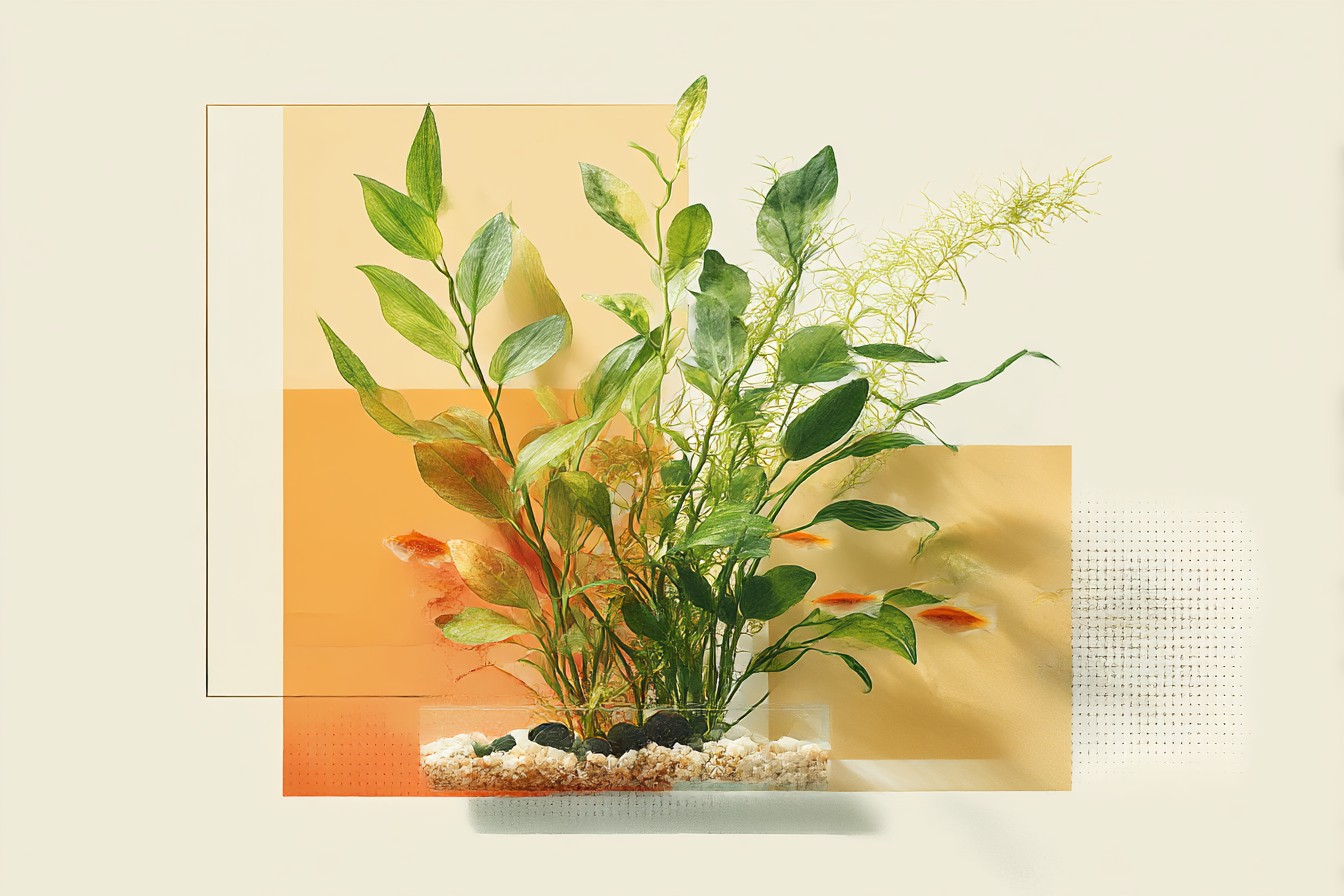
# How to Balance Light and Nutrients to Stop Algae Before It Starts The worst part about algae outbreaks isn’t scrubbing green slime off your glass every week. It’s watching fish you’ve grown attached to suffer in poor water conditions while you try everything you can think of to get the tank stable again. I learned this the hard way in my first year, when what started as a beautiful planted community tank turned into a green nightmare that eventually cost me most of my tetras and all of my confidence.
The truth is, algae problems aren’t really about algae. They’re about imbalance. Get the relationship between light, nutrients, and plant growth right from the beginning, and algae simply won’t have the conditions it needs to take over.
Get it wrong, and you’ll spend months fighting a problem that could have been prevented with better planning in the first week. Most new aquascapers make the same fundamental mistake I made: they set everything up based on what looks good rather than what works biologically.
They blast their new plants with twelve hours of bright light because that’s what the YouTube tutorials show, then wonder why everything turns green within a fortnight.
Understanding why this happens, and more importantly how to prevent it, will save you months of frustration and probably some fish as well. ## The Science Behind Light and Nutrient Balance **Liebig’s Law of the Minimum** explains why most algae outbreaks happen. Named after the German chemist who first described it, this principle states that plant growth is limited by whichever essential resource is least available. In planted tanks, this usually comes down to the relationship between light intensity, available nutrients, and CO2 levels.
When these three factors are balanced, aquatic plants grow efficiently and consume nutrients faster than algae can establish. When they’re out of balance, you create exactly the conditions algae thrives in: excess light with insufficient plant uptake, or abundant nutrients that established plants can’t process quickly enough. **The Light Saturation Point** matters more than most people realise. Every plant species has a specific light level where photosynthesis becomes as efficient as possible.
Beyond that point, additional light doesn’t increase growth but does increase the plant’s demand for nutrients and CO2 (Aquarium Co-Op). If those demands aren’t met, the plant essentially stalls while the excess light energy becomes available for algae instead. **Nutrient Competition Dynamics** work in your favour when plants are growing well, but against you when they’re not. Healthy, actively growing plants are remarkably efficient at stripping nutrients from the water column.
A well-established Amazon sword can process nitrates faster than most filter bacteria can produce them. But stressed plants, whether from too much light, wrong nutrient ratios, or poor CO2 availability, become poor competitors. Algae, being far less complex, can exploit whatever nutrients they leave behind.
The research on phosphate levels particularly drives this home. Low phosphate levels are described as one of the leading causes of green spot algae (Aquascaping Academy), while the prevention target range is stated as 0.5-2.0 ppm (IERE). This seems backwards until you understand the mechanism: insufficient phosphate limits plant growth, leaving excess light and nitrates available for algae that can function with lower phosphate requirements. ## Setting Up Lighting Schedules That Actually Work **Start Conservative and Build Gradually**.
The biggest lighting mistake isn’t using the wrong spectrum or insufficient intensity. It’s starting with too many hours of light before plants have established root systems and efficient nutrient uptake. For newly set up planted tanks, recommendations consistently point to starting with 6-8 hours per day (Aquarium Co-Op), with some sources suggesting even shorter periods of 4-6 hours during the initial setup stage to limit algae growth early (TerrariumVibe).
This isn’t because plants don’t need light to establish. It’s because newly planted specimens haven’t developed the root networks and metabolic efficiency to process nutrients quickly enough to match higher light demands. I learned this lesson expensively.
My first planted tank got twelve hours of bright LED lighting from day one because that’s what I’d read was optimal for plant growth. What I hadn’t read was that optimal assumes established plants with efficient nutrient uptake. New plants in fresh substrate can’t match that uptake rate, creating the perfect conditions for algae to establish before the plants can outcompete it. **Build Up to Full Lighting Slowly**.
Once plants show signs of new growth—usually visible within 2-3 weeks as new leaves or visible root development—you can gradually increase lighting duration. Guidance suggests slowly increasing up to 8-12 hours per day as plants grow (Aquarium Co-Op). General advice for established tanks suggests aiming for 8-10 hours of light daily and adjusting if algae appears (The Aquarium Expert).
The key is watching plant response rather than following rigid timelines. Healthy plant growth shows as new shoots, brighter green coloration, and visible pearling during peak lighting hours. Signs that lighting is outpacing plant capacity include brown edges on leaves, stunted growth despite good nutrient availability, and early algae formation on glass or plant surfaces. **Use a Timer, But Make It Flexible**.
Consistency matters for plant metabolism, but so does the ability to adjust quickly when conditions change. I use a programmable timer but keep manual override easily accessible. During hot summer months when my fish room temperature rises, I sometimes reduce lighting duration by an hour to lower metabolic demands.
During winter months with stable cool temperatures, I might extend it slightly. Budget considerations matter here as well. A basic digital timer costs £15-20 and prevents the inconsistency that comes from trying to remember to turn lights on and off manually.
Programmable LED units with gradual sunrise/sunset functions cost £80-150 but provide more natural lighting transitions that can reduce stress on both plants and fish. ## Managing Nutrient Levels for Plant Health **Understanding the Nitrogen Cycle in Planted Tanks** changes how you approach nutrient management. In fish-only tanks, the goal is removing nutrients as quickly as possible. In planted tanks, you want enough available for plant growth but not so much that excess accumulates for algae.
Nitrate levels in healthy planted tanks typically run between 5-20 ppm, significantly higher than the near-zero levels you’d maintain in a fish-only setup. This isn’t a problem if plants are actively growing and consuming nutrients. It becomes a major problem if plant growth stalls for any reason, leaving those nutrients available for algae instead. **Phosphate Management Is More Complex Than Most People Realise**.
The common advice to keep phosphates as low as possible actually creates more algae problems than it prevents. As mentioned earlier, low phosphate levels are described as one of the leading causes of green spot algae (Aquascaping Academy), with prevention requiring maintaining levels between 0.5-2.0 ppm (IERE). This seems counterintuitive until you understand that phosphate limitation doesn’t stop algae growth—it stops plant growth, which removes the main competition for other nutrients.
Many UK tap water supplies are naturally low in phosphate, meaning you may need to dose rather than remove it. I test phosphate monthly rather than weekly because it changes slowly in established tanks. If levels drop below 0.5 ppm and I notice slower plant growth or early signs of green spot algae on glass, I dose potassium dihydrogen phosphate at roughly 0.1 ppm per dose until levels stabilise in the target range. **Potassium Often Gets Overlooked** but deficiency shows up as browning leaf edges and poor plant colour even when nitrogen and phosphate levels look good.
UK tap water varies enormously in potassium content depending on your region, so testing matters more than assumptions. Budget breakdown for nutrient management: * API Master Test Kit: £25-30 * Phosphate test kit: £12-15 * Liquid fertilisers (3-month supply): £15-25 * Potassium supplement: £8-12 Total initial cost: £60-82, with ongoing costs of roughly £8-10 monthly for fertilisers. ## Common Mistakes That Create Algae Problems
Mistake #1: Starting with full lighting immediately. New aquascapers often blast newly planted tanks with 10-12 hours of bright light from day one, assuming more light means better plant growth. Instead, this creates excess energy that plants can’t process efficiently, providing perfect conditions for algae establishment.
You Might Also Like
Start with 4-6 hours and increase gradually as plants establish.

Mistake #2: Assuming all nutrients should be as low as possible. The “zero nutrients” approach from marine fishkeeping doesn’t apply to planted freshwater tanks. Plants need available nutrients to grow efficiently and outcompete algae. Overly aggressive nutrient removal creates weak, slow-growing plants that can’t maintain the competitive advantage needed for algae prevention.
Mistake #3: Ignoring the brown algae phase. Diatoms typically appear within 1-3 weeks in new planted tanks (2Hr Aquarist) and disappear within 2-6 weeks once the tank stabilizes (Guppys Life).
Many new aquascapers panic and make drastic lighting or nutrient changes during this normal establishment phase, disrupting the natural progression toward stability.
Mistake #4: Changing too many variables at once. When algae appears, the instinct is to adjust lighting, add chemicals, change nutrient dosing, and increase water changes simultaneously. This makes it impossible to identify what actually works and often creates additional imbalances. Change one variable at a time and give it 1-2 weeks to show effects.
Mistake #5: Underestimating the impact of surface plants. Floating plants like water lettuce or emergent plants like pothos can remove up to 75% of available nitrates (Aquarium Science).
Adding them without adjusting fertiliser dosing can create nutrient deficiency in rooted plants, leading to poor growth and secondary algae problems.
Mistake #6: Expecting immediate results. Plant establishment takes 6-8 weeks minimum, with full competitive balance often requiring 3-4 months. Expecting algae-free conditions within the first month leads to overadjustment and prevents the natural succession toward stability that healthy planted tanks develop over time.
## Research Support Multiple studies consistently demonstrate that algae outbreaks result from resource imbalances rather than the presence of nutrients themselves. The phosphate research particularly supports this, showing that deficiency creates more algae problems than moderate availability.
Lighting research confirms that duration matters more than intensity for most common aquarium plants, with gradual increases producing better establishment than immediate full-spectrum, full-duration lighting. The nitrogen cycle research in planted systems shows that moderate nutrient availability combined with active plant uptake creates more stable conditions than attempting to maintain near-zero nutrient levels. Surface plant studies demonstrate their significant impact on nutrient availability, requiring adjustment of fertilisation strategies when they’re added to established systems. ## Application Across Different Tank Types **Nano tanks (under 40 litres):** Reduce lighting duration by 1-2 hours compared to larger tanks due to smaller buffer capacity and faster parameter swings.
Start with 4-5 hours daily. **Low-tech planted tanks:** Focus on longer lighting duration (10-12 hours) at moderate intensity rather than short periods of bright light. Plants rely more heavily on available nutrients without CO2 supplementation. **High-tech CO2 systems:** Allow for higher nutrient levels and longer lighting periods, but maintain the gradual establishment approach. CO2 injection doesn’t eliminate the need for proper plant establishment before increasing light demands. **Community tanks with heavy fish loads:** Increase nutrient monitoring frequency and consider surface plants to manage excess nitrates that high bioloads can produce. **Shrimp breeding setups:** Maintain lower lighting levels overall as most beneficial bacteria and microorganism development occurs in moderate light conditions that support shrimp food webs. ## Benefits of Proper Light-Nutrient Balance **Stable Water Parameters** develop naturally when plants grow efficiently.
Healthy plant growth maintains consistent nutrient levels, pH stability, and oxygen production without constant intervention. This stability typically establishes within 6-8 weeks in properly balanced systems. **Reduced Maintenance Requirements** follow from prevention rather than treatment approaches. Tanks with proper light-nutrient balance require weekly water changes rather than daily algae removal, monthly parameter testing rather than constant monitoring, and minimal chemical intervention once established. **Healthier Fish Populations** result from stable water conditions and reduced stress from constant parameter swings.
Fish in well-balanced planted tanks typically show better colouration, more natural behaviour, and improved resistance to common diseases. **Better Plant Growth and Appearance** occurs when light and nutrients match plant capacity rather than overwhelming it. Properly balanced tanks produce the lush, natural-looking plant growth that makes aquascaping rewarding rather than frustrating. **Lower Long-Term Costs** come from preventing problems rather than treating them. Balanced systems require fewer chemical additives, less frequent equipment replacement due to algae damage, and reduced livestock losses from parameter instability. **Greater Enjoyment of the Hobby** develops when tanks remain stable and attractive with reasonable maintenance effort.
Success in early planted tank attempts encourages deeper learning and more ambitious projects rather than frustration and abandonment. ## Step-by-Step Implementation Guide **Step 1: Initial Setup and Plant Establishment (Weeks 1-3)** Start lighting at 4-6 hours daily using a timer. Test water parameters every 3 days, focusing on ammonia, nitrite, and nitrate during initial cycling. Expect diatom appearance within 1-3 weeks—this is normal and temporary.
Avoid fertiliser dosing during the first two weeks unless plants show obvious deficiency signs like transparent new leaves or significant melting. Most aquatic plant nutrients come from substrate initially. Budget Breakdown: * Digital timer: £15-20 * Basic test kit: £25-30 * Initial plant stock: £30-50 Total Budget: £70-100 **Step 2: Gradual Light Increase and Nutrient Monitoring (Weeks 4-8)** Increase lighting by 1 hour weekly once plants show new growth, typically after week 3.
Monitor for algae formation on glass or slow plant surfaces. If algae appears, maintain current lighting duration for another week before increasing. Begin regular nutrient testing and light fertilisation if needed.
Target nitrate levels of 5-15 ppm, phosphate levels of 0.5-1.5 ppm, and address any obvious plant deficiency symptoms.
Budget Breakdown: * Phosphate test kit: £12-15 * Liquid fertiliser starter: £15-20 Total Budget: £27-35 **Step 3: Fine-Tuning and Optimisation (Weeks 9-16)** Achieve target lighting duration of 8-10 hours daily based on plant response and algae control. Establish consistent fertilisation schedule based on plant growth rates and nutrient consumption patterns.
Consider adding surface plants if nitrate levels consistently exceed 20 ppm despite healthy rooted plant growth. Monitor long-term trends rather than daily parameter swings. Budget Breakdown: * Surface plants: £10-15 * Additional fertiliser supplements: £10-15 Total Budget: £20-30 **Step 4: Long-Term Maintenance and Adjustment (Month 4+)** Maintain established lighting schedule with seasonal adjustments as needed.
Test parameters monthly rather than weekly once stability is achieved. Focus on plant health indicators rather than precise parameter targets. Adjust fertilisation and lighting based on seasonal changes, plant growth cycles, and any changes to fish stocking or feeding regimes.
Budget Breakdown: * Monthly fertiliser costs: £8-12 * Replacement test reagents: £15-20 quarterly Total Budget: £8-12 monthly ongoing The key insight I wish I’d understood from the beginning is that preventing algae isn’t about eliminating the conditions that support it—it’s about creating better conditions that support plant growth instead. Get that balance right from week one, and algae simply becomes a non-issue rather than the defining struggle of your first year in the hobby. Your fish will thank you for it, and frankly, so will your sanity.