
# Amazon Frogbit vs Regular Frogbit and Whether the Difference Actually Matters I’ve been staring at two nearly identical floating plants for the better part of twenty minutes, trying to work out which one I actually ordered. They’re both called frogbit, they both look like miniature lily pads, and they’re both sitting in my quarantine tank looking perfectly content. The label on the bag just says “frogbit” which is about as helpful as a chocolate teapot when you’re trying to work out what you’ve actually bought.
This is exactly the sort of confusion that drove me mad when I first started keeping plants. You think you’re buying something specific, then discover there are actually two completely different species with nearly identical common names. Amazon frogbit and regular frogbit might share a name, but they’re about as related as a goldfish and a great white shark.
One’s from South America, one’s from Europe, and whilst they’ve both evolved to float about looking like tiny water lilies, that’s where the similarities end. The question is whether any of this actually matters for your tank.
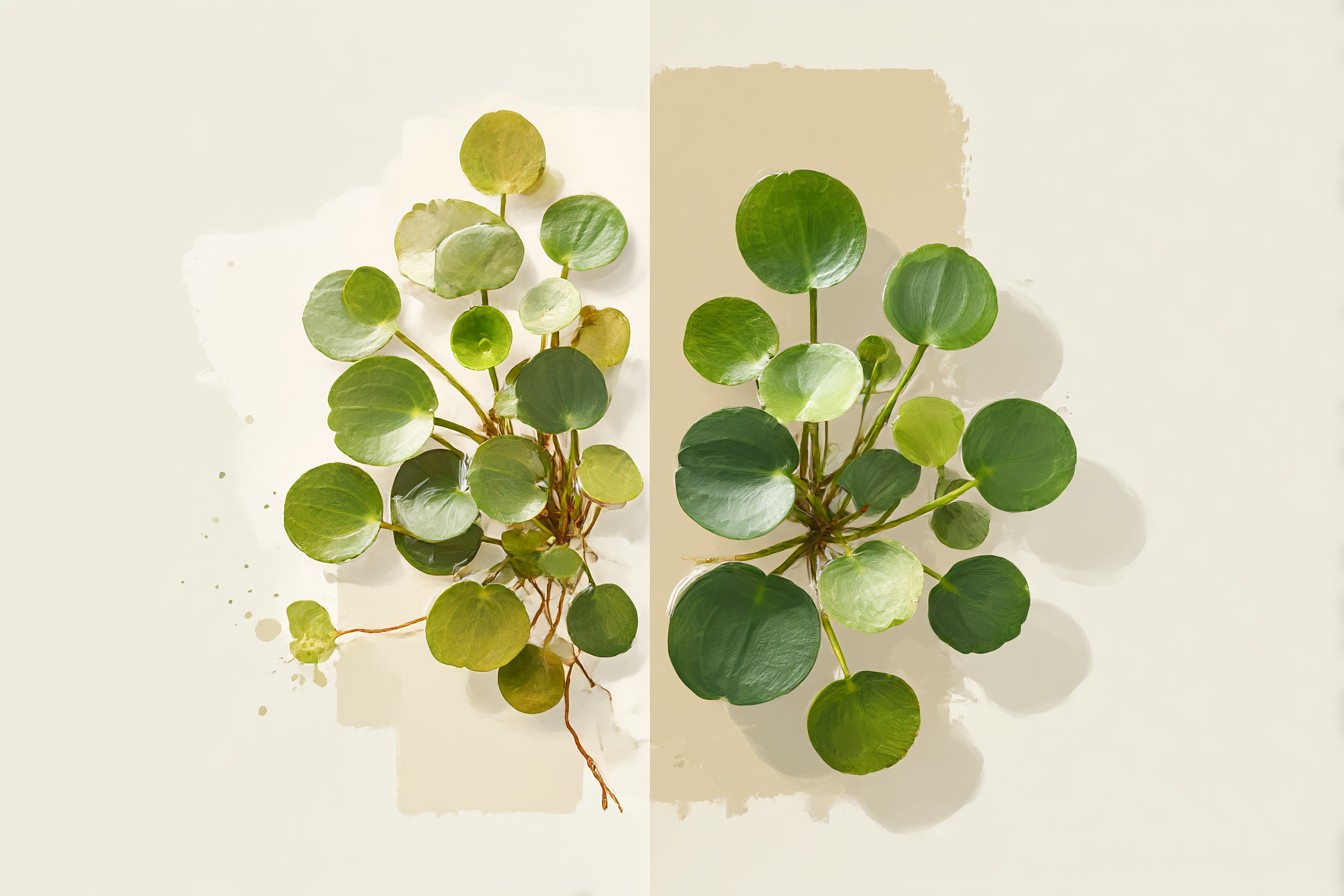
I’ve kept both now, sometimes simultaneously, sometimes by accident, and I can tell you the practical differences are more significant than you’d expect from two plants that look so similar in photos. | **Comparison** | **Amazon Frogbit** | **Regular Frogbit** | |—|—|—| | **Scientific Name** | Limnobium laevigatum | Hydrocharis morsus-ranae | | **Leaf Size** | 5–15 cm across | 3 cm across | | **Temperature Range** | 18–28°C | 10–25°C (estimated) | | **pH Tolerance** | 6.0–8.0 | 6.5–8.0 (estimated) | | **Winter Behaviour** | Year-round growth | Forms turions | | **Our Rating** | 8/10 | 6/10 | ## Two Plants, Two Continents, One Confusing Name Amazon frogbit, scientifically known as Limnobium laevigatum (Valley Aqua), comes from South America (Tropica), which at least makes the “Amazon” part of its name sensible.
It’s been knocking about the aquarium trade for decades, though exactly when it first appeared in European tanks is one of those bits of hobby history that nobody bothered to record properly. Regular frogbit, meanwhile, goes by the considerably more intimidating scientific name of Hydrocharis morsus-ranae, and it’s actually a European native. You might have seen it growing wild in ponds and slow-moving waterways across Britain and much of continental Europe.
The common name “frogbit” comes from the old belief that frogs enjoyed sitting on the leaves, which sounds charming until you realise the scientific name literally translates to “water-cup frog-bite.” Medieval botanists clearly had a darker sense of humour than we give them credit for. The confusion between these two started in the aquarium trade, where anything with small, round, floating leaves tends to get lumped together under whatever name sounds most appealing. Amazon frogbit sounds exotic and interesting.
Hydrocharis morsus-ranae sounds like something you’d need a prescription for. Marketing won, accuracy lost, and now we’re all stuck trying to work out which plant we actually bought. What makes this particularly annoying is that both plants serve similar functions in a tank.
They’re both floating plants that provide surface cover, both help with nutrient absorption, and both create that natural pond-like aesthetic that works so well in community setups. But the way they go about it is completely different, and if you don’t know which one you’ve got, you might be in for some surprises. ## What Makes Amazon Frogbit the Popular Choice Amazon frogbit is the one you’ll find in most aquarium shops, and there’s good reason for that. The leaf width ranges from 5–15 cm (Tropica), which gives it proper presence in a tank without overwhelming smaller setups.
I started with a single plant in my 60-litre and within three months had enough to cover half the surface. Not through any particular skill on my part, just because this thing reproduces like it’s going out of fashion. The leaves themselves are what sold me on it initially.
They’re not perfectly round like you see in some of the promotional photos, more of an oval shape with a slight point, and they’ve got this lovely thick, almost succulent-like texture. When they’re happy, they develop a slight reddish tinge on the undersides, and the roots hanging down below can stretch 20cm or more in decent conditions. It creates this layered canopy effect that fish absolutely love.
Temperature-wise, it’s remarkably tolerant. The official range is 18–28°C (Abyss Aquatics), but I’ve had it survive brief drops to 15°C during a heater failure without any visible distress. The pH range of 6.0–8.0 (Abyss Aquatics) covers pretty much any sensible aquarium setup, which explains why it’s become such a staple.
Where Amazon frogbit really shines is in its ability to absorb nutrients. I learned this the hard way during my first attempt at a heavily planted Dutch-style layout. I’d overfertilised spectacularly and was watching green water take over despite daily water changes.
Someone suggested adding floating plants as a temporary measure, and within two weeks the Amazon frogbit had mopped up enough excess nutrients to clear the water completely. The leaves visibly grew larger and greener, and the root system exploded into this dense curtain that made the tank look like something out of a nature documentary. The reproduction method is what makes it practical for hobbyists.
It sends out runners with baby plants attached, similar to how spider plants work. You can either let them spread naturally or snip off the babies once they’ve developed their own root systems. I’ve never bought Amazon frogbit twice because the original plant just keeps producing more.
After four years, I’m still giving away surplus plants to anyone who’ll take them. What surprised me most was how much the fish seemed to appreciate it. My angels, which had always been a bit skittish, became noticeably calmer once there was proper surface cover.
The tetras started shoaling more naturally instead of hugging the corners, and even the bottom-dwellers seemed more confident with the dappled lighting filtering down through the leaves. ## Why Regular Frogbit Is the Awkward Alternative Regular frogbit, by contrast, is the plant equivalent of that friend who’s perfectly nice but never quite fits in anywhere. The rounded leaves are much smaller at just 3 cm across (RHS), and the overall plant height maxes out at about 10 cm (RHS), which sounds modest until you realise that’s including the roots dangling below. The big issue with regular frogbit is its seasonal behaviour.
In the wild, it overwinters by forming turions (Fishkeeper) which are basically dormant buds that drop to the bottom of the pond when temperatures autumn. This is brilliant for surviving European winters, but it’s absolutely useless in a heated aquarium where you want consistent surface coverage year-round. I learned about this the hard way when my supposed Amazon frogbit started behaving oddly as autumn approached.
You Might Also Like
The leaves began yellowing despite good conditions, and small bud-like structures appeared that I initially mistook for some sort of disease. They weren’t diseased, they were turions, and the plant was trying to go dormant in a 24°C tank because its internal clock was telling it winter was coming. The flowers are admittedly quite attractive, measuring about 1 cm across and appearing from June to August (Waterside Nursery) in outdoor conditions.
But in aquarium settings, flowering is rare and often indicates the plant is stressed rather than thriving. When it does flower, it’s usually just before the whole thing gives up and tries to form turions. Regular frogbit also seems more sensitive to water quality and lighting conditions.
Where Amazon frogbit will tolerate most reasonable aquarium setups, regular frogbit gets particular about things like hardness levels and photoperiod. It wants conditions that mimic its natural European pond habitat, which means cooler water and seasonal light variation that most tropical aquarium setups simply don’t provide. ## The Practical Differences That Actually Matter After keeping both species in various tanks over the past few years, the differences that matter in practise are more significant than the superficial similarities suggest. Amazon frogbit is consistently reliable.
Chuck it in a tank with reasonable conditions and it grows. Regular frogbit requires you to work around its seasonal dormancy cycle and more specific environmental needs. Coverage is another major difference.
Amazon frogbit’s larger leaves mean fewer individual plants are needed to provide meaningful surface cover, but they also cast more shade. In my current 120-litre community tank, six Amazon frogbit plants provide about 40% surface coverage, which is perfect for the angels and creates nice dappled lighting for the plants below. When I tried achieving similar coverage with regular frogbit, I needed considerably more individual plants, and the smaller leaves created a different visual effect that looked more cluttered than natural.
Nutrient absorption follows a similar pattern. Amazon frogbit’s larger size and more extensive root system makes it more effective at mopping up excess nutrients, which is particularly useful in heavily stocked tanks or during the initial cycling period. Regular frogbit helps, but it’s more of a gentle influence than the dramatic water-clearing effect I’ve seen from established Amazon frogbit colonies.
Maintenance requirements differ as well. Amazon frogbit needs regular thinning to prevent it taking over completely, but it’s a straightforward process of snipping runners and removing excess plants. Regular frogbit requires more attention to water parameters and seasonal considerations, plus you need to plan for what happens during its dormancy period if it decides to follow its natural cycle.
For breeding setups, Amazon frogbit provides better cover for fry and creates more stable surface conditions. The larger leaves don’t move around as much in tank circulation, and the dense root curtains offer excellent hiding spots. Regular frogbit can work for this, but the smaller scale means less effective coverage and the seasonal behaviour can be disruptive to breeding cycles. ## The Honest Assessment The brutal truth is that for most aquarium applications, regular frogbit is the more difficult option without offering significant benefits over Amazon frogbit.
Its smaller size means you need more plants for the same effect, its seasonal dormancy behaviour is actively unhelpful in a heated tank, and its environmental requirements are more specific without being exotic enough to make the extra effort worthwhile. Amazon frogbit isn’t perfect either. It can become genuinely invasive in the right conditions, and I’ve seen tanks where it completely took over to the detriment of everything else.
The rapid reproduction that makes it so convenient can become a problem if you don’t stay on top of trimming. In very soft water, it sometimes develops holes in the leaves, and strong surface movement can damage the more delicate young leaves. The identification confusion is ongoing frustration.
Even some aquarium shops don’t know which species they’re selling, and online retailers often use the names interchangeably. I’ve received regular frogbit when ordering Amazon frogbit twice now, and both times only realised the mistake when the plants started exhibiting seasonal behaviour months later. Price-wise, Amazon frogbit is generally cheaper and more readily available, which reflects its popularity in the hobby.
Regular frogbit often costs more because it’s less commonly cultured for aquarium use, but you’re paying extra for a plant that’s actually less suitable for most aquarium applications.
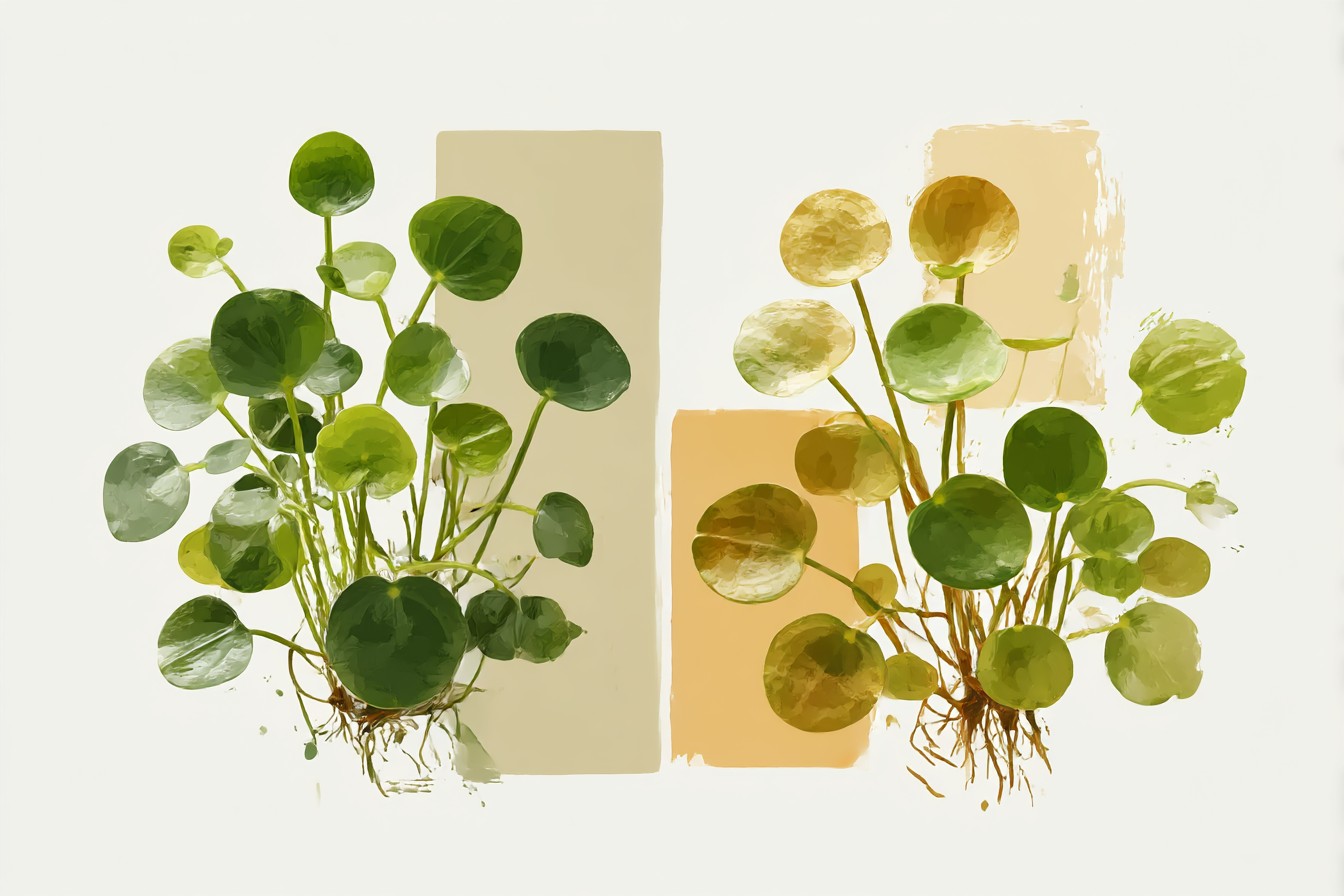
For pond keepers, the calculation is different. Regular frogbit is specifically adapted for temperate pond conditions and will behave more naturally in an outdoor water feature.
But for indoor aquariums, especially tropical community setups, Amazon frogbit is almost always the better choice. ## Where This Leaves Your Tank Decision Four years of keeping both species has convinced me that the name confusion, whilst annoying, doesn’t actually create a difficult choice. Amazon frogbit wins for aquarium use in almost every practical category. It’s more reliable, easier to maintain, more effective at its job, and better suited to the consistent conditions of a heated tank.
Regular frogbit has its place, but that place is probably in an outdoor pond or a specialised cool-water setup where its natural seasonal cycle can play out properly. In a standard tropical aquarium, you’re working against its evolved behaviour rather than with it. The key is knowing which one you’re buying, because the care requirements and expectations are genuinely different despite the visual similarity.
If you’re after reliable surface cover, effective nutrient absorption, and plants that work with your setup rather than against it, Amazon frogbit is worth seeking out specifically. If you end up with regular frogbit by accident, it’s not a disaster, but don’t expect the same straightforward experience. See where Amazon frogbit placed in our ranking of the best floating plants for community aquariums for more context on how it compares to other surface options.



[…] trailing roots that can hit 30 cm (Billy covered this extensively in his comparison piece) create massive surface area for beneficial bacteria and nitrate absorption. Samuel reckons a […]