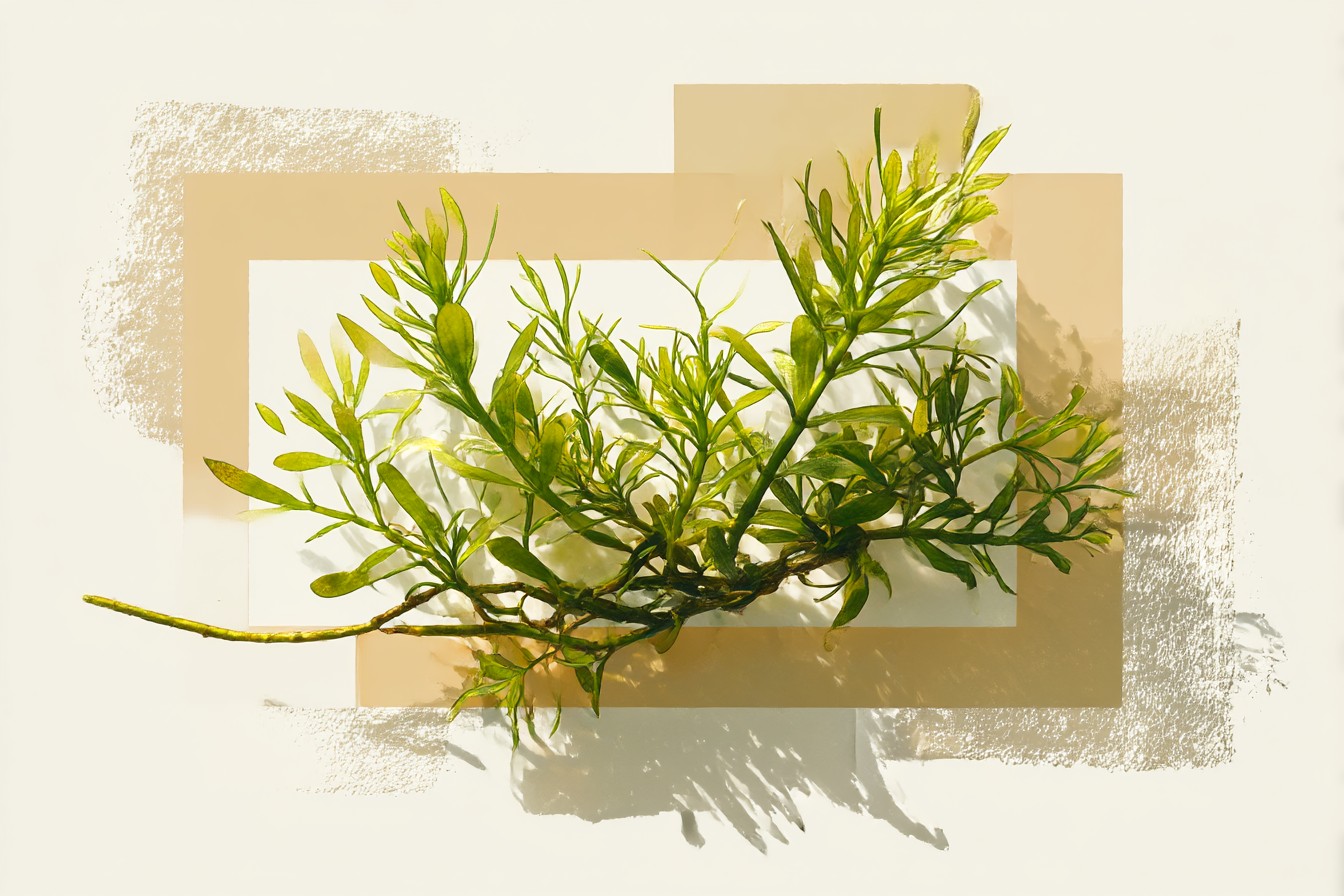
# Hornwort and the Floating Stem That Grows an Inch a Week Without Trying I picked up my first bunch of hornwort because it was cheap, not because I had any grand plans for it. Two pounds fifty at the local aquatics shop for what looked like a scraggly handful of green string. The seller shrugged when I asked about care requirements.
“Chuck it in the tank,” he said. “It’ll either grow or it won’t.” It grew. Christ, did it grow.
Within a fortnight it had doubled in size, sending out new shoots that seemed to appear overnight. By the end of the month I was pulling handfuls of it out and wondering what I’d got myself into.
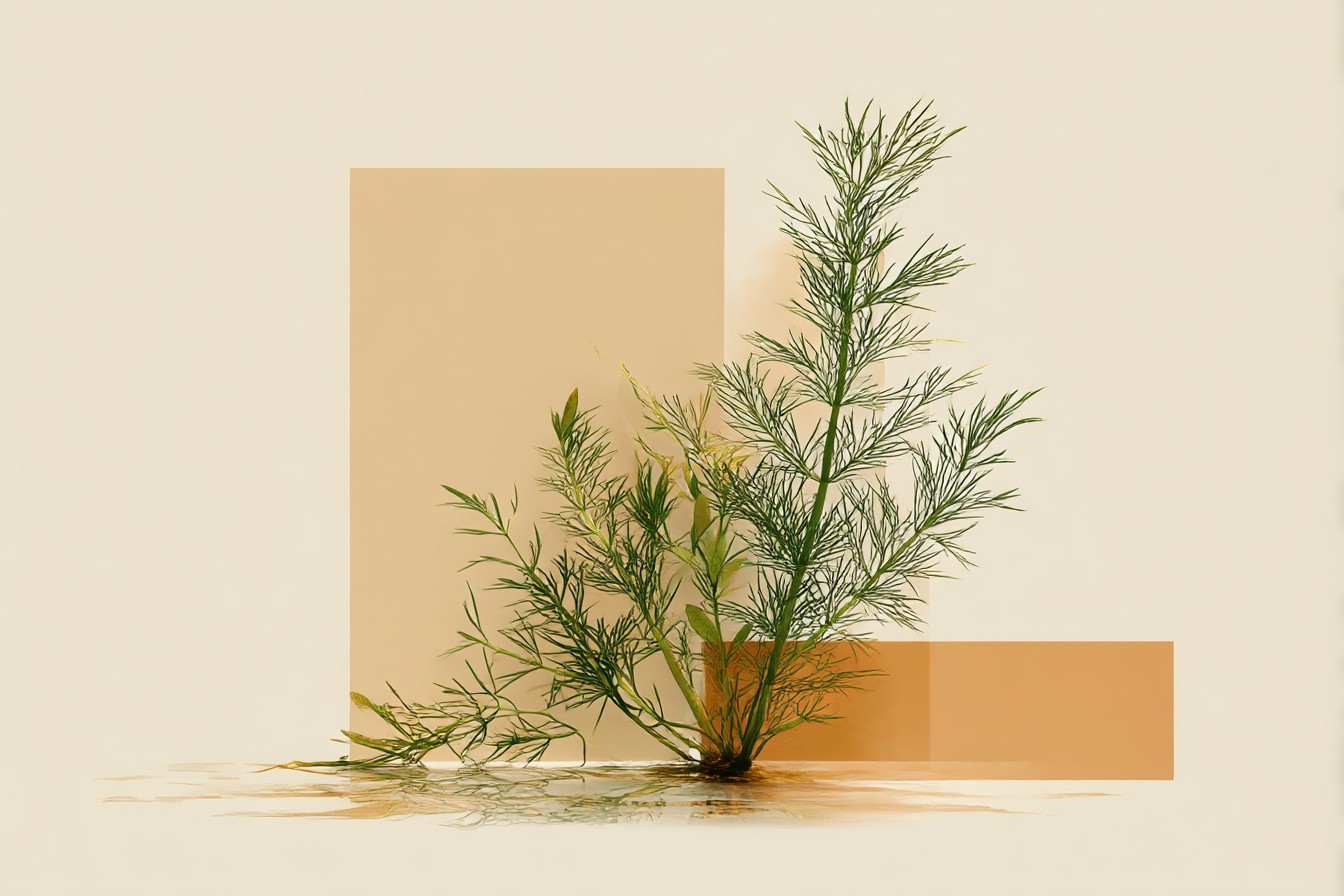
That was my introduction to Ceratophyllum demersum (Fishkeeping World), also known as coontail, and still one of the most reliable plants I’ve ever kept.
Four years later, I’ve got hornwort floating in three different tanks and I still marvel at how something so simple can be so effective. It’s not pretty in the way that a perfectly trimmed stem plant is pretty. It doesn’t create elegant focal points or dramatic layouts.
What it does is work, week after week, without any fuss or special requirements. Sometimes that’s exactly what a tank needs. | **Quick Reference** | **Details** | |——————-|————| | **Care Level** | Beginner | | **Lighting Needs** | Low to High | | **CO2 Required** | No | | **Growth Rate** | 1-4 inches per week | | **Max Size** | Unlimited (trim as needed) | | **Our Rating** | 8.5/10 | ## A Plant That Conquered the World Hornwort has one of those success stories that makes you respect natural selection. Originally native to North America, it’s now found on every continent except Antarctica (Aquarium Breeder).
That kind of global spread doesn’t happen by accident. It happens because a plant is exceptionally good at surviving in different conditions and making the most of whatever resources are available. The scientific classification tells its own story.
Over 300 species names have been published for various hornwort varieties, but botanists now reckon there are probably only 100 to 150 actual species (Fishkeeping World). That massive discrepancy reflects how variable this plant can be. The same species might look completely different in a cold Canadian lake versus a warm Florida pond, leading early taxonomists to assume they were dealing with different plants entirely.
What makes hornwort particularly interesting from an aquarist’s perspective is how it adapted to aquatic life. Unlike most aquatic plants that started terrestrial and gradually moved into water, hornwort appears to have been fully aquatic for a very long time. It doesn’t produce true roots and absorbs all its nutrients directly from the water column (Canton Aquatics).
That makes it fundamentally different from stem plants like ludwigia or rotala, which still rely on root systems even when growing submerged. This evolutionary background explains why hornwort behaves so differently from other aquarium plants. It’s not trying to anchor itself and establish territory.
It’s designed to drift, absorb what it needs from the water around it, and grow as fast as conditions allow. That’s exactly what it does in our tanks. ## What Makes Hornwort Special The first thing you notice about hornwort is the growth rate. In decent conditions it can grow 1 to 4 inches per week (Aquarium Co-Op), and I’ve seen claims of up to 5 inches per week in ideal setups (The Shrimp Farm).
That’s not marketing hyperbole. I’ve measured it myself. In my 120-litre community tank with moderate lighting and weekly fertiliser dosing, I regularly see an inch of new growth per week from established stems (Aquatic Arts).
When conditions are particularly good, usually after a water change and fertiliser dose, it’s not unusual to see significantly more. That growth isn’t just impressive for its speed. It’s also incredibly robust.
Most fast-growing aquatic plants are fragile. They snap if you look at them wrong, or they melt if water parameters shift slightly. Hornwort shrugs off handling that would devastate more delicate species.
I’ve pulled entire armfuls out of tanks, chopped them into sections with ordinary scissors, and stuffed the pieces back in wherever there was space. Every single cutting has taken off and started growing within days. The temperature tolerance is remarkable.
Hornwort survives in anything from 50 to 85°F (Aquarium Co-Op), which means it works in everything from unheated goldfish tanks to warm tropical setups. I’ve kept it successfully in a tank that drops to 18°C in winter and reaches 26°C in summer. The growth slows down in cooler water, but it never stops entirely.
What really sets hornwort apart is its effect on water quality. This plant is a nutrient processing machine. In controlled studies it reduced ammonium levels by 62% and nitrate levels by 41% over 6 to 18 days (Aquarium Breeder).
Those aren’t marginal improvements. That’s the kind of nutrient export that can make the difference between a stable tank and one that’s constantly fighting algae problems. The plant also releases chemicals that actively inhibit algae growth through a process called allelopathy (Pond Informer).
You Might Also Like
I can’t prove this is happening in my tanks, but I can tell you that adding hornwort to a new setup seems to prevent the usual algae bloom that often appears in the first few weeks. Whether that’s due to nutrient competition, chemical inhibition, or just good old-fashioned shading, the practical result is the same. The structure of the plant creates excellent cover for fish and invertebrates.
The branching stems form dense thickets that small fish love to hide in. My cardinal tetras spend most of their time weaving through hornwort forests, and the shrimp in my breeding tanks use it as both shelter and a grazing surface. Baby fish particularly benefit from the fine, branching structure which provides security without blocking water flow.
Perhaps most importantly for many aquarists, hornwort works without CO2 injection. In fact, it seems to prefer setups without supplemental CO2. I’ve tried it in both high-tech and low-tech tanks, and it’s always performed better in the low-tech setups.
That makes it an ideal choice for beginners or anyone running a simple, low-maintenance system. ## The Honest Assessment Let me be clear about hornwort’s limitations, because they’re significant and nobody talks about them enough. First, it’s messy. Constantly messy.
Hornwort sheds needle-like leaves continuously, and those needles get everywhere. They clog filter intakes, stick to other plants, and generally make the tank look untidy if you’re not on top of maintenance. I spend more time picking hornwort debris out of my tanks than I do on any other plant-related maintenance task.
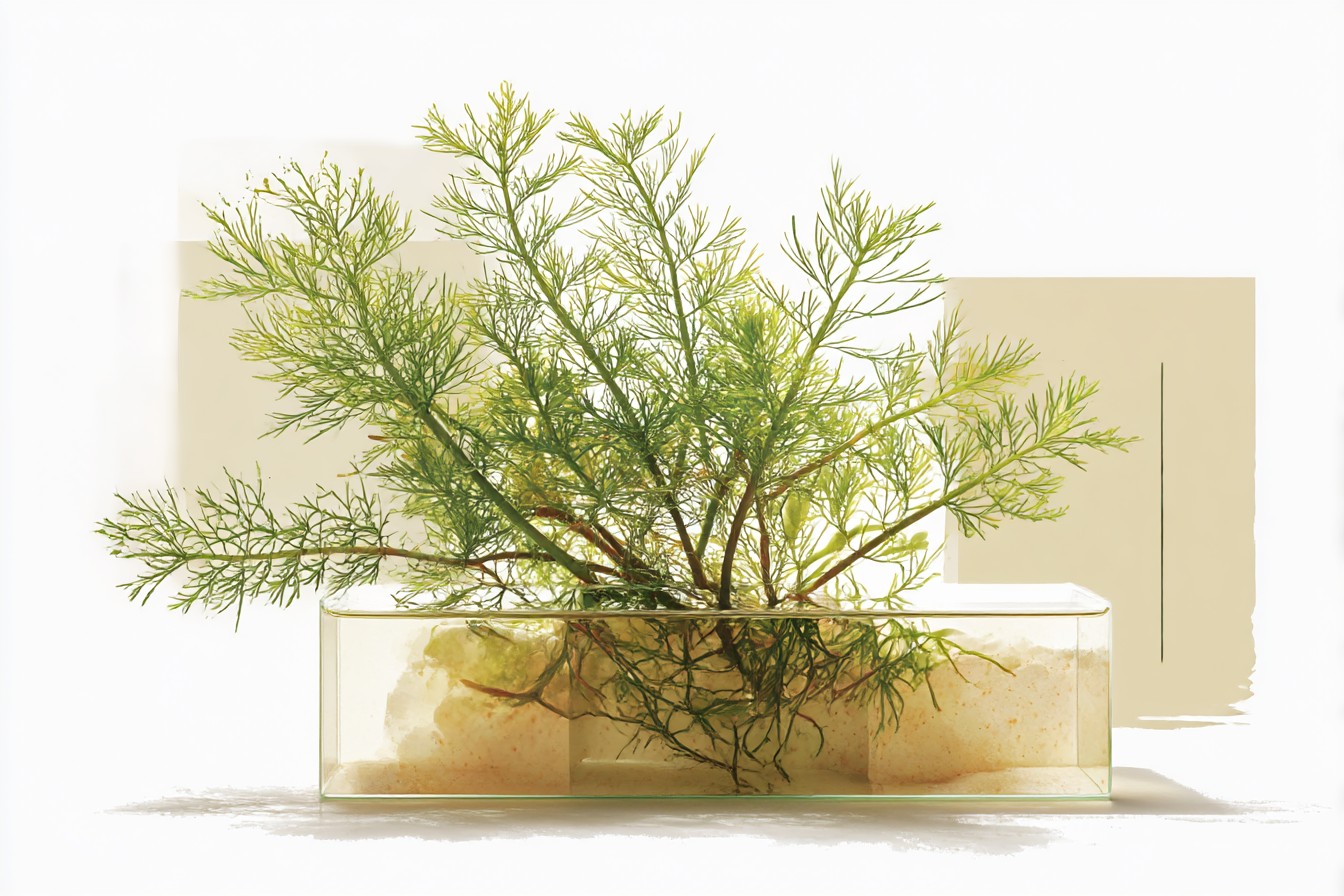
Second, it’s impossible to plant properly. Hornwort doesn’t produce proper roots, so any attempt to anchor it in substrate is doomed to fail. You can weight it down with plant weights or stuff it between rocks, but it will eventually break free and float to the surface.
Many people fight this for months before accepting that hornwort wants to float, and you’re better off working with that rather than against it. The growth rate that makes it so effective at nutrient control also makes it high-maintenance in terms of pruning. In a well-lit tank with good nutrients, you’ll need to trim it every week or two to prevent it from completely taking over.
Miss a couple of maintenance sessions and you’ll find yourself with a hornwort jungle that’s blocking light from everything else in the tank. It’s also not particularly attractive by modern aquascaping standards. Hornwort has a wild, unkempt look that doesn’t suit carefully planned layouts or contest-style scapes.
If you’re going for a pristine Dutch or Nature Aquarium aesthetic, hornwort probably isn’t going to fit the vision. The plant can be brittle in some conditions. While it handles rough treatment better than most aquatic plants, established stems can break apart if water flow is too strong or if you’re not careful during maintenance.
Those broken pieces will usually regrow, but it means constant debris in the water column until they either establish themselves or get removed. Finally, hornwort’s success can work against you in the long term. Its aggressive nutrient uptake can starve other plants in the tank, particularly slower-growing species that can’t compete for resources.
I’ve seen beautiful Anubias specimens slowly decline in tanks where hornwort was allowed to grow unchecked. ## Legacy and Influence Hornwort’s impact on aquarium keeping extends well beyond its use as a simple aquarium plant. Because it’s so hardy and grows so consistently, it’s become a standard test plant in aquatic research. Scientists use it as a model organism for studies of plant physiology (The Shrimp Farm), particularly for understanding how aquatic plants process nutrients and respond to different environmental conditions.
That research has practical applications for aquarists. Much of what we understand about nitrogen cycling in planted tanks, the relationship between plant growth and algae control, and the effects of different lighting spectrums on aquatic plants comes from studies that used hornwort as a test subject. The plant’s predictable growth patterns and consistent response to environmental changes make it an ideal laboratory specimen.
In the wider world, hornwort’s success has been both blessing and curse. Its aggressive growth and adaptability have made it invaluable for water treatment applications, but have also led to it being classified as an invasive species in many regions. In New Zealand, it’s become such a problem that it disrupts hydroelectric plants (Pond Informer), clogging intake pipes and requiring expensive removal efforts.
For aquarium hobbyists, hornwort has played a crucial role in making planted tanks accessible to beginners.
Before hornwort became widely available, most aquatic plants required careful attention to lighting, CO2, and fertilisation. Hornwort proved that you could have a genuinely planted tank without any of that complexity, opening the hobby to countless people who might otherwise have stuck with plastic plants. ## The Verdict After four years of keeping hornwort in various tanks and conditions, I’m convinced it’s one of the most useful plants in the hobby, even if it’s not one of the most beautiful.
It does exactly what it promises to do, it does it consistently, and it forgives mistakes that would kill more demanding species. If you’re running a low-tech tank and want something that will reliably consume excess nutrients, provide cover for fish, and help prevent algae without any special requirements, hornwort is probably your best option. It’s particularly valuable in new setups where you need fast-growing plants to establish biological stability, or in breeding tanks where you want dense cover for fry.
It’s not the right choice if you’re aiming for a carefully designed aquascape or if you can’t commit to regular pruning. The constant shedding and aggressive growth make it unsuitable for low-maintenance setups, despite its reputation as an easy plant. For most aquarists, though, hornwort earns its place through sheer reliability.
In a hobby where plants can be expensive and temperamental, there’s real value in something that costs a few pounds, grows like a weed, and actually makes your tank healthier in the process. That’s what hornwort delivers, week after week, without any drama or special requirements. See where this placed in our full ranking of beginner aquarium plants.


