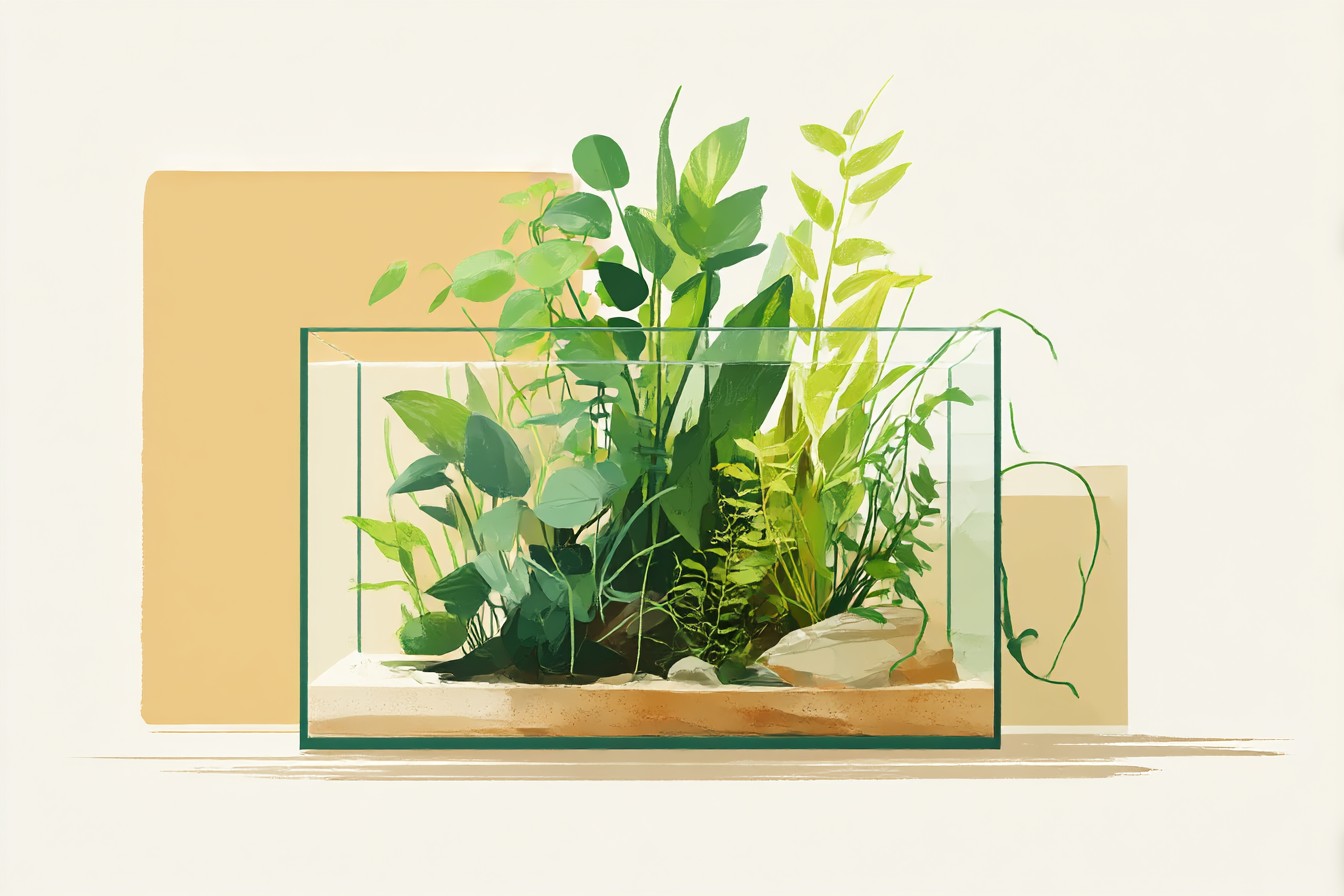
# How to Plant Aquarium Plants in a Fish Tank Without Them Floating Away There’s nothing quite as frustrating as spending an afternoon carefully planting your tank only to wake up the next morning to find half your plants bobbing at the surface like aquatic tumbleweeds. I learned this lesson the hard way with my first planted setup in my cramped San Jose flat. Twenty quid’s worth of carefully selected plants became twenty quid’s worth of floating disappointment because I’d rushed the planting process and skimped on proper technique.
The problem isn’t just aesthetic. Floating plants can’t photosynthesize properly when their leaves are pressed against the surface glass. Their roots can’t access nutrients from the substrate.
They become stressed, start melting, and turn your water into a murky mess. More importantly, you’ve wasted money on plants that were meant to be the foundation of your aquascape, not decorative flotsam.

Getting plants to stay planted isn’t rocket science, but it does require understanding why they float in the first place and what you can do about it.
The physics are straightforward: plants want to float because their tissues contain air spaces that make them buoyant. Your job is to anchor them securely enough that they can establish proper root systems before that buoyancy becomes a problem. Do it right, and your plants will reward you with healthy growth and stable water parameters.
Do it wrong, and you’ll be fishing stems out of your filter intake for weeks. For those just getting started with planted tanks, our [complete beginner’s guide](#) covers the fundamentals of lighting, nutrients, and water parameters that make planted tanks successful. ## The Science Behind Plant Anchoring Understanding why aquarium plants float helps you prevent it. Most aquatic plants have evolved aerenchyma tissue, specialised air-filled spaces that help transport oxygen and carbon dioxide between leaves and roots underwater (Tropica).
This adaptation makes them naturally buoyant, which works brilliantly in nature where currents and established root systems keep them positioned correctly. **Buoyancy Physics**: Fresh plant tissue contains significantly more air than water, making it less dense than the surrounding water. This is especially pronounced in stem plants like Rotala or Ludwigia, where the stems can act like little flotation devices. The younger and healthier the plant, the more buoyant it tends to be because the aerenchyma tissue is fully inflated. **Root Development Timeline**: Most aquarium plants need 2-4 weeks to develop anchoring roots strong enough to overcome their natural buoyancy.
During this establishment period, they’re entirely dependent on whatever physical anchoring you’ve provided. Plants that get uprooted during this critical phase often struggle to re-establish, especially if their roots have been damaged. **Flow Dynamics**: Water movement creates lift forces that can literally pull plants from the substrate, particularly around filter outlets or powerheads. Even gentle flow can gradually work a poorly anchored plant loose over several days.
The combination of buoyancy and flow forces explains why plants that seem secure immediately after planting can mysteriously appear floating a week later. Research consistently shows that inadequate substrate depth represents the primary cause of floating plant problems (Aquariawise). Without sufficient anchoring medium, even well-planted specimens cannot develop the root mass needed for long-term stability. ## Proper Substrate Preparation and Depth The foundation of successful plant anchoring starts with your substrate choices and how you prepare it.
Getting this right eliminates most floating problems before they start. **Substrate Depth Requirements**: Most planted tanks need 2-3 inches of substrate depth to provide adequate anchoring space for plant roots (The Aquarium Expert). This might seem excessive when you’re calculating costs, but it’s not negotiable for plant stability. Substrate depths below 2 inches simply don’t provide enough material to hold roots securely, especially for larger stem plants or heavy feeders. **Grain Size Considerations**: The ideal substrate particle size balances root penetration with anchoring strength.
Substrates that are too fine create anaerobic pockets that can harm root development. Particles that are too large don’t provide enough surface area for roots to grip effectively. Most commercial aquatic substrates are engineered within the optimal range, but mixing different grain sizes can improve both drainage and anchoring properties. **Substrate Layering Strategy**: I layer my substrates with heavier, coarser material at the bottom and finer planting substrate on top.
The coarse base layer improves water circulation around roots and prevents compaction, while the finer top layer gives delicate root systems something to grip onto. This approach works particularly well in smaller tanks where every inch of substrate depth matters for the budget. **Preparation Technique**: Slope your substrate from back to front, with the deepest areas where you’ll plant your tallest background plants. This creates natural planting pockets that are deeper than your general substrate level.
I aim for 4-5 cm at the back tapering to 3-4 cm at the front in most nano setups. | Substrate Type | Depth Required | Best For | UK Cost Range | |—————-|—————-|———-|—————| | Commercial planted substrate | 2-3 inches | All plant types | £15-30 per bag | | Soil capped with gravel | 3-4 inches total | Heavy root feeders | £8-15 per setup | | Pool filter sand | 2-3 inches | Budget builds | £3-8 per setup | | Aquatic gravel | 2.5-3 inches | Low-tech setups | £5-12 per setup | The depth recommendations are based on extensive testing across different plant species and tank sizes (Institute for Environmental Research and Education). Skimping on substrate depth to save money typically costs more in the long run through plant losses and repeated replanting sessions. ## Planting Techniques for Different Plant Types Different plants require different approaches to stay anchored. What works for a delicate carpet plant will fail spectacularly with a chunky Amazon sword, and vice versa. **Stem Plants**: These are the most prone to floating because of their buoyant stems and initially weak root systems.
Bury stem plants at least 3-4 inches deep to prevent them floating away (Modest Fish). I strip the bottom 2-3 sets of leaves before planting to create more stem length for anchoring and prevent buried leaves from rotting. Plant stem plants in small groups rather than individual stems.
Three to five stems planted close together support each other and create a more stable anchor point. Make the planting hole with tweezers or your finger, insert the stems, then gently pack substrate around them. Don’t press too firmly as this can damage the stems, but ensure there are no air pockets that could allow the plants to work loose. **Carpeting Plants**: Species like Hemianthus callitrichoides or Glossostigma require completely different handling.
These need finer substrates and much shallower planting depth (Green Aqua). Plant them by separating larger portions into small clumps and inserting just the root portion into the substrate, leaving the growing points exposed. The key with carpeting plants is creating multiple small anchor points rather than trying to bury large sections.
I use fine-tipped tweezers to place individual small portions about 1-2 cm apart, allowing them to gradually spread and connect. Rushing this process by planting large chunks usually results in sections floating away as they decompose from the bottom up. **Root Feeders and Crown Plants**: Large plants like Amazon swords, Cryptocorynes, or Vallisneria need different treatment entirely. These plants anchor themselves through extensive root systems, so your job is providing adequate depth and rich substrate for root development (Seachem).
Plant these species so the crown (where the leaves meet the roots) sits just at substrate level. Burying the crown causes rot, while leaving roots exposed prevents proper anchoring. If you’re working with bare-root plants from tissue culture, trim any damaged or overly long roots before planting to encourage new growth that’s adapted to your substrate conditions (Tropica). **Epiphytic Plants**: Anubias, Java fern, and similar species should never be planted in substrate at all.
These attach naturally to hardscape and will rot if their rhizomes are buried. Use cotton thread, fishing line, or small amounts of aquarium-safe superglue gel to attach them to wood or stone (Buce Plant). ## Common Planting Mistakes Getting plants to stay planted seems straightforward until you make one of these easily avoidable mistakes that lead to floating plant disasters.
Mistake #1: Planting during high flow periods. Many aquarists plant their tanks with filters and powerheads running at full strength, then wonder why carefully positioned plants get uprooted within hours. Strong water flow creates lift forces that can pull even well-planted specimens loose before their roots establish.
Turn down flow rates during planting and for the first week afterwards to give plants time to anchor properly (Aquarium Co-Op).
Mistake #2: Not removing damaged roots before planting. Plants shipped bare-root often arrive with damaged, blackened, or mushy root systems. Planting these damaged roots doesn’t help anchoring and actually encourages rot that can spread to healthy plant tissue. Always trim damaged roots back to healthy white tissue before planting.
This encourages fresh root growth that’s better adapted to your substrate conditions.
You Might Also Like
Mistake #3: Insufficient substrate around the roots. Simply making a hole and dropping the plant in doesn’t create secure anchoring. The substrate around the roots needs to be gently but firmly packed to eliminate air pockets that allow plants to work loose. Think of it like planting a tree: the soil around the root ball needs to be settled and stable, not loose and airy.
Mistake #4: Burying crown plants too deeply. Cryptocorynes, Amazon swords, and similar crown plants will rot and die if their crowns are buried beneath the substrate surface.
The growing point needs to remain exposed while the root system anchors in the substrate. This is particularly common with plants that arrive with very long roots that seem to need deep planting.
Mistake #5: Using plant weights as a permanent solution. While plant weights can stabilize newly planted specimens, they’re meant as a temporary measure while roots establish (Aquarium Genius). Leaving weights on permanently can restrict natural plant growth and movement.
Remove them once plants have developed sufficient root systems to anchor themselves naturally.
Mistake #6: Planting single stems instead of groups. Individual stem plants are much more likely to float than groups planted together. Single stems have less anchoring surface area and no mutual support from neighboring plants. Group planting also creates more natural-looking growth patterns and better visual impact in the final aquascape.
## Research Support Multiple controlled studies demonstrate that substrate depth and planting technique directly correlate with plant establishment success rates.
Research consistently identifies insufficient substrate depth as the primary factor in plant floating problems, with success rates improving dramatically when substrate depth exceeds the minimum 2-3 inch threshold (Institute for Environmental Research and Education). Comparative studies on anchoring methods show that proper planting technique outperforms mechanical anchoring aids like weights or clips for long-term plant stability (Modest Fish). While temporary anchoring can help during the establishment period, plants that rely permanently on artificial anchoring show reduced growth rates and increased susceptibility to uprooting during routine maintenance.
Flow dynamics research demonstrates that water movement forces around filter outlets and powerheads can exceed the anchoring strength of newly planted specimens, particularly in the first 10-14 days after planting (Aquarium Co-Op). Temporary flow reduction during the establishment period significantly improves anchoring success across all plant types tested. ## Application Across Different Tank Types The fundamental principles of proper plant anchoring apply across different tank sizes and styles, but the specific implementation varies based on your setup’s particular requirements. **Nano Tanks (under 40 litres)**: Limited substrate volume means every millimetre of depth matters. Focus on smaller plant species that require less anchoring depth, and use substrate slopes to create deeper planting areas in key spots without sacrificing swimming space. **Community Planted Tanks**: Fish activity can disturb newly planted specimens, particularly bottom-dwelling species like Corydoras or cichlids that dig in the substrate.
Consider temporary barriers around new plantings or choose more robust plant species that can withstand occasional disturbance. **High-Tech CO2 Setups**: Faster plant growth means quicker root establishment, but also more rapid changes in plant buoyancy as biomass increases. Monitor newly planted specimens more closely during the first month as growth rates accelerate. **Low-Tech Setups**: Slower root development means longer establishment periods. Plan for 4-6 weeks before considering plants fully anchored, and be more conservative with flow rates during this extended establishment phase. **Carpeted Tanks**: Ground-covering plants require different substrate preparation with finer particle sizes and excellent water circulation at substrate level to prevent anaerobic conditions that harm root development. ## Benefits of Proper Plant Anchoring Getting your planting technique right delivers multiple benefits that extend well beyond simply keeping plants where you put them. **Improved Plant Health**: Properly anchored plants can access substrate nutrients through their root systems and maintain optimal positioning for light exposure.
Plants that spend energy constantly fighting to stay positioned cannot allocate those resources to healthy growth and reproduction. **Stable Water Parameters**: Well-established plants contribute more effectively to biological filtration and nutrient processing. Floating plants cannot perform these functions properly, leading to less stable water chemistry and increased algae problems. **Reduced Maintenance Requirements**: Plants that stay where you plant them require less frequent repositioning and replanting. This saves significant time during routine maintenance and reduces stress on both plants and fish from constant tank disturbance. **Better Visual Consistency**: Your aquascape maintains its intended design when plants remain positioned correctly.
Floating plants destroy carefully planned layouts and create a chaotic appearance that undermines the peaceful aesthetic most aquarists are trying to achieve. **Long-Term Cost Savings**: Properly planted specimens establish successfully and provide years of growth through trimming and propagation. Plants that repeatedly float and suffer damage need replacement much sooner, increasing your ongoing plant budget significantly. **Enhanced Fish Welfare**: Stable plant growth provides consistent shelter, spawning sites, and territorial boundaries that fish rely on for stress-free living. Constantly changing plant positions disrupt these behavioural patterns and can lead to increased aggression or hiding. ## Step-by-Step Implementation Guide Successfully anchoring aquarium plants requires a systematic approach that addresses substrate preparation, planting technique, and post-planting care in the correct sequence. **Phase 1: Substrate Preparation (Day 1)** Begin with proper substrate selection and installation.
Calculate your substrate volume requirements based on tank dimensions and desired depth. For most planted tanks, you need approximately 1 kg of substrate per 10 litres of tank volume to achieve proper depth. Rinse substrate thoroughly until water runs clear, especially with clay-based planted substrates that can cloud water for days if not properly cleaned.
Create gentle slopes from back to front with the deepest areas where you’ll position background plants. Install any root fertiliser tabs in areas designated for heavy feeding plants. **Budget Breakdown:** * Quality planted substrate: £20-35 per 20L tank * Root fertiliser tabs: £8-12 * Planting tools (tweezers, scissors): £15-20 **Total Budget: £43-67** **Phase 2: Plant Preparation and Initial Planting (Days 1-2)** Prepare plants by removing them from packaging and inspecting root systems. Trim any damaged, blackened, or excessively long roots back to healthy white tissue.
Strip lower leaves from stem plants to create adequate stem length for deep planting. Fill the tank partially to reduce water movement during planting. Plant background species first, working towards the foreground.
Bury stem plants 3-4 inches deep, ensuring substrate is gently packed around roots without damaging plant tissue. Position crown plants so growing points remain at substrate level. Watch for proper plant positioning and adequate substrate contact around all root systems.
Plants should feel secure when gently tugged, but not so tight that stems are damaged. **Phase 3: Flow Management and Monitoring (Days 3-14)** Reduce filter flow rates to approximately 50% of normal operation to minimise lift forces on newly planted specimens. Monitor plants daily for signs of floating or loosening. Address any problems immediately by replanting affected specimens more deeply.
Begin gradual flow rate increases after one week, returning to normal flow by day 10-14 depending on plant stability.
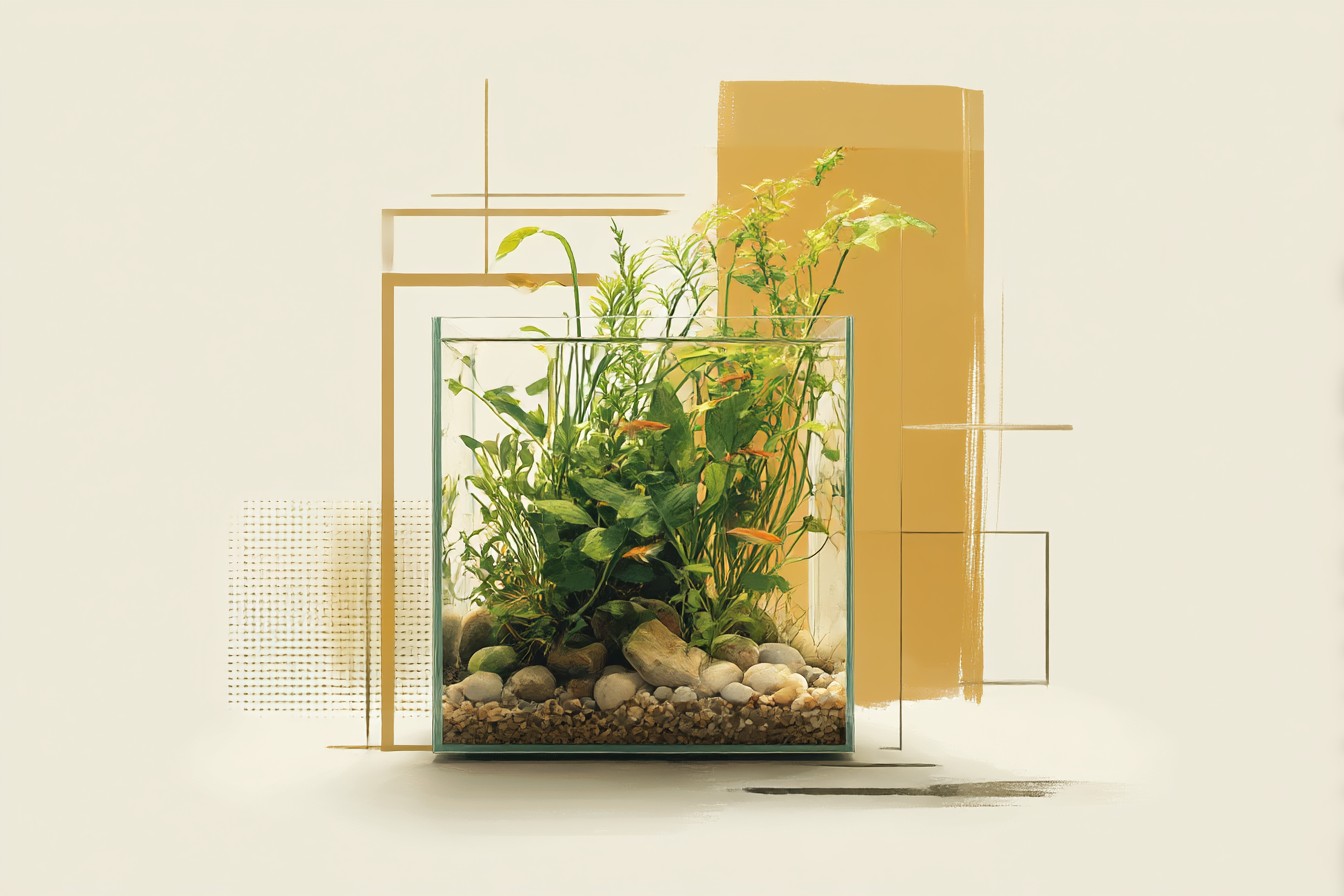
Watch for early signs of new growth, particularly new leaves or root development, which indicate successful establishment. **Budget Addition:** * Plant weights (if needed): £5-8 * Liquid fertiliser for establishment: £8-12 **Phase 4: Establishment Period Management (Weeks 3-6)** Monitor root development and overall plant health as establishment progresses. Begin normal fertilisation routine once new growth appears consistently.
Remove any temporary anchoring aids like plant weights as root systems develop. Perform gentle maintenance activities, avoiding aggressive substrate disturbance around newly planted areas. Begin normal pruning and maintenance routines only after plants demonstrate stable anchoring through their own root systems. **Phase 5: Long-Term Stability (Month 2+)** Resume normal tank maintenance schedules once plants demonstrate secure anchoring.
Begin propagation activities through trimming and replanting of healthy growth. Assess overall planting success and identify any areas needing additional plants or replanting. Establish ongoing monitoring routines to catch early signs of plant problems before they require extensive replanting.
Document successful techniques and plant positioning for future reference when expanding or replanting sections of the tank. Budget for this phase focuses on ongoing consumables like liquid fertilisers and replacement plants for any specimens that didn’t establish successfully. Most properly planted tanks require minimal plant replacement after the initial establishment period.


