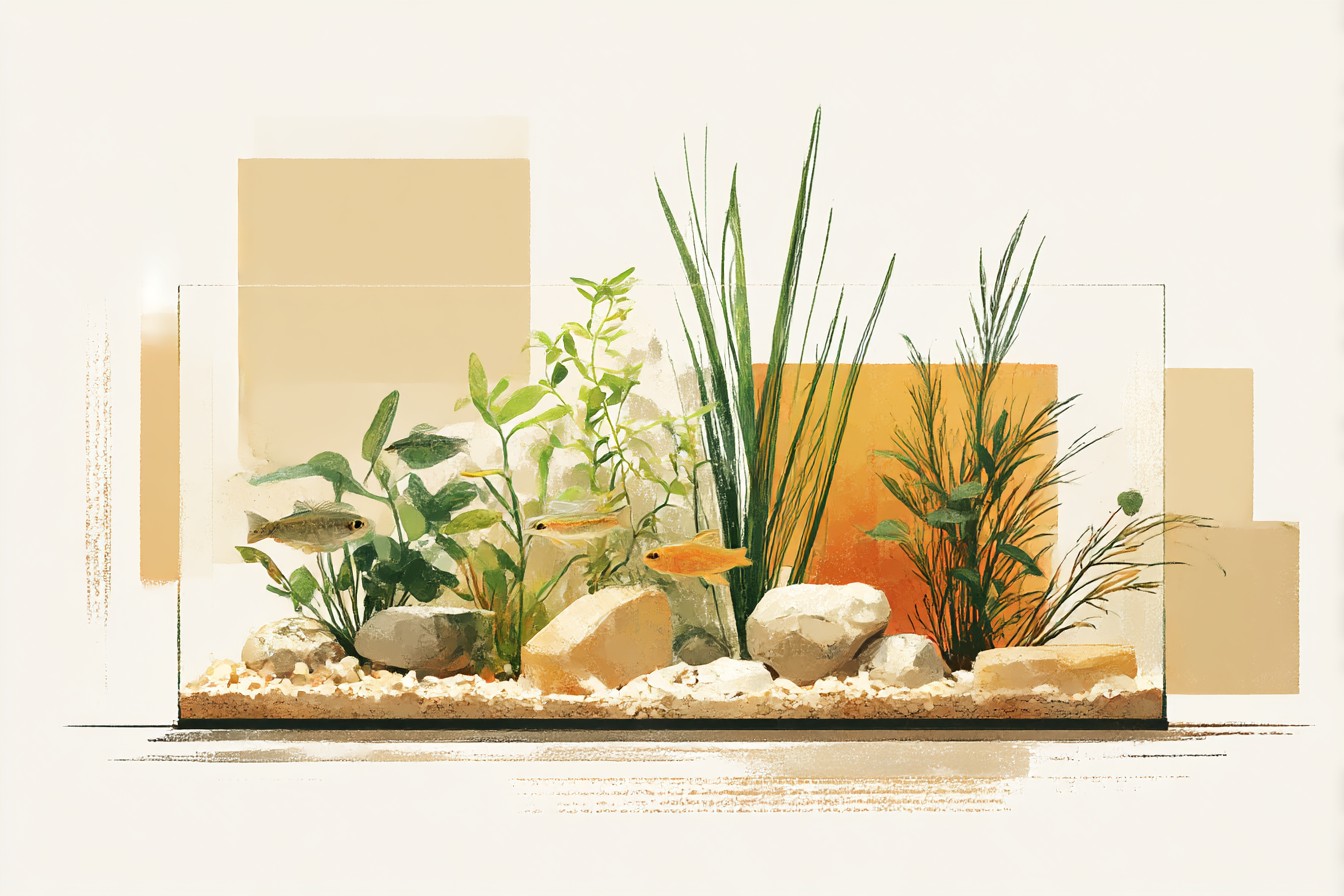
# Cichlid Tank Plants and the Species That Can Handle Being Dug Up Every Day If you’ve ever tried keeping plants with cichlids, you’ll know the frustration. You spend an afternoon carefully planting your tank, step back to admire your work, and by morning half your plants are floating at the surface or buried under a pile of substrate your fish have helpfully relocated. It’s enough to make you give up on planted cichlid tanks entirely, which is exactly what I did after my first attempt with some angel fish and a selection of what the shop assured me were “hardy” plants.
That was a mistake worth learning from. Cichlids and plants can work together brilliantly, but only if you understand what you’re dealing with. These fish aren’t being destructive for the sake of it.
They’re following millions of years of evolution that tells them to dig, rearrange territory, and investigate everything in their environment. Fighting that instinct is pointless.

Working with it, on the other hand, opens up possibilities for tanks that are both beautiful and biologically sound.
The key is choosing plants that can survive constant harassment and understanding how to establish them in ways that give them the best chance of thriving despite their boisterous tank mates. Get this right, and you end up with a planted cichlid tank that’s more stable, better filtered, and frankly more interesting than the bare rock setups that most people settle for. ## The Biological Reality of Cichlid Behaviour **Territorial Digging and Substrate Movement** Most cichlids are hardwired to modify their environment. In Lake Malawi and Lake Tanganyika, these fish spend considerable time moving sand and small rocks to create territories, spawning sites, and feeding areas.
This isn’t random destruction; it’s purposeful behaviour that serves real biological functions (Voyo Pets). When you put these fish in an aquarium, the digging doesn’t stop. They’ll move substrate to establish territory boundaries, create depressions for potential spawning, and investigate anything that might be food.
Plants with shallow root systems or delicate attachment points get caught in this constant rearrangement. Understanding this helps you choose species that can cope with being regularly disturbed or relocated. **pH and Water Chemistry Considerations** Cichlids, particularly African species, typically require alkaline water conditions with pH levels between 7.5 and 8.5. This immediately rules out many common aquarium plants that prefer softer, more acidic conditions.
The species that do work in cichlid tanks tend to be those that either tolerate or actually thrive in harder, more alkaline water (My Home Aquarium). **Temperature Requirements** Most aquarium plants flourish at temperatures between 72°F and 82°F, which overlaps well with the temperature requirements of many cichlid species (The Aquarium Expert). This compatibility means you can maintain optimal conditions for both plants and fish without compromise, though you’ll need appropriate heater sizing of 3 to 5 watts per gallon for tropical setups (The Aquarium Expert). ## Plant Selection for Cichlid Tanks **Anubias Species: The Indestructible Foundation** Anubias varieties represent the gold standard for cichlid tanks, and for good reason. These plants attach to hardscape rather than rooting in substrate, which means cichlids can dig around them all they want without uprooting them.
The thick, waxy leaves are tough enough to withstand occasional fish attention, and the slow growth rate means they won’t quickly outgrow their space or require frequent trimming (Times of India). I’ve kept Anubias barteri and Anubias nana with everything from aggressive Malawi mbuna to territorial Geophagus, and they simply endure whatever the fish throw at them. The key is proper attachment.
Use fishing line or cotton thread to tie the rhizome to rocks or driftwood, making sure not to bury the rhizome itself in substrate. Once established, these plants become permanent fixtures that actually enhance territorial boundaries rather than disrupting them. **Java Fern: Adaptable and Resilient** Java fern shares the rhizome-based growth pattern that makes it virtually impossible for cichlids to uproot. It thrives without soil and adapts to a wide range of water conditions, making it particularly suitable for the alkaline water that most cichlids require (Times of India).
The broad leaves provide natural territorial markers and potential spawning sites for species that appreciate plant cover. Unlike Anubias, Java fern grows more quickly and can develop into substantial specimens that provide real visual impact. The plant produces plantlets on older leaves, giving you a constant supply of new specimens to expand your planting or replace any that get damaged.
In my experience, even heavily loaded cichlid tanks rarely cause significant damage to well-established Java fern. **Vallisneria: The Fast-Growing Survivor** Vallisneria represents a different strategy entirely. Rather than avoiding damage, this plant simply outgrows it. Fast-growing and able to recover quickly from cichlid interference, Vallisneria can establish substantial populations even in tanks with enthusiastic diggers (Aquarium Genius).
The long, ribbon-like leaves create natural territory divisions and provide cover for more timid fish. Even if cichlids uproot some plants, the remaining root systems typically produce new growth faster than the fish can destroy it. The key is establishing a large enough initial population that some plants always survive to regenerate. **Cryptocoryne Species: Hidden Strength** Cryptocoryne varieties don’t get mentioned as often in cichlid plant discussions, but they’re worth considering for specific applications (Aquarium Store Depot).
These plants develop extensive root systems that make them difficult to dislodge once established. The downside is that they take longer to establish than other options and can struggle if repeatedly disturbed during the initial growth phase. In my tanks, I’ve had the best success using Cryptocoryne as secondary plants once the main structure is established with Anubias and Java fern.
They fill in gaps and provide additional biological filtration without requiring the same level of protection as more delicate species. ## Common Mistakes That Kill Cichlid Plants
Mistake #1: Choosing substrate-rooted plants without protection. New aquarists often select beautiful stem plants or delicate ground covers that work perfectly in community tanks but get destroyed within days in cichlid setups. These fish will uproot anything with shallow or weak root systems, turning expensive plants into floating debris. Stick to rhizome plants or protect rooted species with substantial hardscaping.
Mistake #2: Insufficient initial plant mass. Adding just a few specimens and hoping they’ll establish is usually futile with cichlids.
The fish will focus their attention on the limited plant material and overwhelm it before it can grow. Start with more plants than you think you need, especially with fast-growing species like Vallisneria that can recover from damage through sheer numbers.
Mistake #3: Wrong attachment methods for rhizome plants. Using aquarium-safe superglue or attempting to bury rhizomes in substrate leads to rot and plant death. Rhizome plants need their growing points exposed to water flow.
You Might Also Like
Use cotton thread or fishing line to attach them to hardscape, and be patient while they develop natural attachment points.
Mistake #4: Ignoring lighting requirements. Many cichlid keepers focus so heavily on finding plants that can survive fish harassment that they forget about providing adequate light. Anubias and Java fern tolerate low light, but they still need consistent illumination to thrive. Poor lighting leads to weak, unhealthy plants that are more susceptible to damage and disease.
Mistake #5: Underestimating establishment time. Expecting plants to look established and start providing biological benefits within a few weeks is unrealistic.
Rhizome plants particularly take months to develop substantial root systems and achieve their full size. During this establishment period, they’re more vulnerable to damage and require extra protection.
## Strategic Planting and Protection Methods **Hardscape Integration** The most successful cichlid plant setups integrate plants directly into the hardscape design. Rather than treating rocks and wood as separate elements, use them as plant anchors and protection systems.
Large pieces of driftwood with multiple attachment points can support entire groves of Anubias and Java fern while providing territorial boundaries that cichlids respect (Aquascape Aquarium). Position rocks to create crevices and overhangs where plants can establish without being in the direct path of digging activity. I’ve found that cichlids rarely disturb plants that are clearly integrated into stable hardscape elements, treating them as part of the permanent territory structure rather than removable obstacles. **Substrate-Based Protection Systems** When you do want to use substrate-rooted plants, protection becomes critical.
Create plant zones using larger rocks that cichlids can’t easily move. A ring of substantial stones around a group of Vallisneria provides enough protection for the plants to establish deep root systems while still allowing the fish access to surrounding areas for their natural digging behaviour. The key is making the protected areas feel permanent and stable.
Cichlids are more likely to work around obstacles that seem solid and established than to constantly battle with loose or temporary-looking arrangements. Use the largest rocks your tank can accommodate and embed them firmly in the substrate. **Growth Management and Maintenance** Fast-growing plants like Vallisneria require regular management in cichlid tanks. Allow them to establish substantial populations, but trim runners and excess growth before they overwhelm the tank or interfere with fish territories.
The goal is maintaining enough plant mass to provide biological benefits while preventing the plants from dominating the space that cichlids need for natural behaviours. Anubias and Java fern require different maintenance approaches. These slow-growing plants need protection from algae buildup on their leaves, which can be more problematic in the high-nutrient environment that heavily stocked cichlid tanks often create.
Regular water changes and proper filtration become more critical than in typical planted tank setups. ## Research Support for Cichlid-Plant Compatibility Multiple sources confirm that specific plant families consistently succeed in cichlid environments. Rhizome-based plants like Anubias and Java fern appear in virtually every successful cichlid planting guide, not because they’re the most beautiful options, but because they represent the intersection of cichlid tolerance and plant survival requirements (Aquarium Store Depot). The consistent recommendation for hardscape integration across different sources suggests this isn’t just aesthetic preference but a practical necessity for long-term plant survival.
The biological evidence supporting plant benefits in cichlid tanks includes improved water quality, reduced aggression through territory definition, and enhanced biological filtration capacity. ## Broader Applications Across Different Cichlid Types **African Cichlid Setups:** Malawi and Tanganyika species require the most robust plant selections and heaviest hardscape protection. Focus on Anubias varieties and Java fern with substantial rock work integration. **South American Cichlid Tanks:** Angelfish, discus, and larger South American species are generally less destructive than their African cousins. These setups can accommodate a wider plant selection including some rooted species with proper protection. **Dwarf Cichlid Systems:** Smaller species like German blue rams and Apistogramma are typically plant-compatible with minimal special considerations.
Standard community tank plants often work well in these setups. **Breeding Systems:** Cichlid breeding tanks benefit from strategic plant placement that provides spawning sites and fry protection while remaining accessible for necessary maintenance during breeding cycles. ## Benefits of Successfully Planted Cichlid Tanks **Enhanced Water Quality:** Established plants provide continuous biological filtration, helping maintain stable water parameters in the challenging conditions that cichlid bioloads create. This becomes particularly valuable in heavily stocked African cichlid systems where water quality can deteriorate rapidly. **Reduced Aggression Levels:** Plants create natural territory boundaries and sight breaks that can significantly reduce aggressive interactions between cichlids. Well-positioned plants give subordinate fish escape routes and hiding spots that reduce stress throughout the social hierarchy. **Improved Biological Stability:** The combination of plant metabolism and cichlid waste creates a more stable nitrogen cycle than either element alone.
Plants consume nutrients that would otherwise fuel algae growth or contribute to water quality problems. **Natural Spawning Sites:** Many cichlid species prefer to spawn near or on plant material. Broad-leafed plants like Anubias provide ideal surfaces for species that lay eggs on flat surfaces, while dense plant growth offers protection for mouth-brooding species during the vulnerable early stages. **Long-term Cost Savings:** Successfully established plants reduce maintenance requirements and equipment needs compared to bare cichlid tanks that rely entirely on mechanical and biological filtration to maintain water quality. **Enhanced Natural Behaviour:** Plants encourage more natural foraging and territorial behaviours, leading to healthier, more active fish that display better colouration and more interesting interaction patterns. ## Step-by-Step Implementation Guide **Phase 1: Foundation Setup (Weeks 1-2)** Begin with hardscape placement and initial plant selection.

Choose one large piece of driftwood or several substantial rocks as primary anchor points.
Attach initial Anubias and Java fern specimens using cotton thread, focusing on coverage rather than perfect positioning. **Budget Breakdown:** * Anubias barteri (3-4 plants): £25-35 * Java fern (3-4 plants): £20-28 * Attachment materials: £5-8 * Large driftwood piece: £15-25 **Total Phase 1 Budget: £65-96** Watch for proper attachment and early signs of growth. Plants may show some stress initially but should begin producing new growth within 2-3 weeks. **Phase 2: Expansion and Protection (Weeks 3-6)** Add Vallisneria or other fast-growing species in protected zones. Create rock barriers around substrate-rooted plants.
Begin monitoring plant establishment and fish interaction patterns. **Budget Breakdown:** * Vallisneria (10-15 plants): £15-22 * Additional rocks for protection: £10-18 * Supplemental lighting if needed: £30-45 **Total Phase 2 Budget: £55-85** Monitor plant survival rates and adjust protection as needed. Some plant loss is normal during this phase as the system establishes equilibrium. **Phase 3: System Maturation (Weeks 7-12)** Fine-tune plant placement based on fish behaviour patterns. Add secondary species like Cryptocoryne if desired.
Begin regular maintenance routine including trimming and algae removal. **Budget Breakdown:** * Cryptocoryne varieties (optional): £18-25 * Additional Anubias for gaps: £15-20 * Maintenance tools: £8-12 **Total Phase 3 Budget: £41-57** **Phase 4: Long-term Optimization (Months 4-6)** Evaluate plant health and coverage. Propagate successful specimens and replace any that haven’t thrived. Establish final maintenance routine and monitor long-term stability. **Budget Breakdown:** * Replacement plants as needed: £10-20 * Fertilizer for established system: £8-15 **Total Phase 4 Budget: £18-35** The establishment process requires patience, but the result is a planted cichlid tank that functions as a stable ecosystem rather than just a holding container.
Done properly, these setups require less intervention than bare tanks while providing significantly better environmental conditions for the fish. The key is working with cichlid behaviour rather than against it, choosing plants that can thrive in spite of constant fish attention rather than hoping aggressive fish will suddenly become gentle gardeners.


