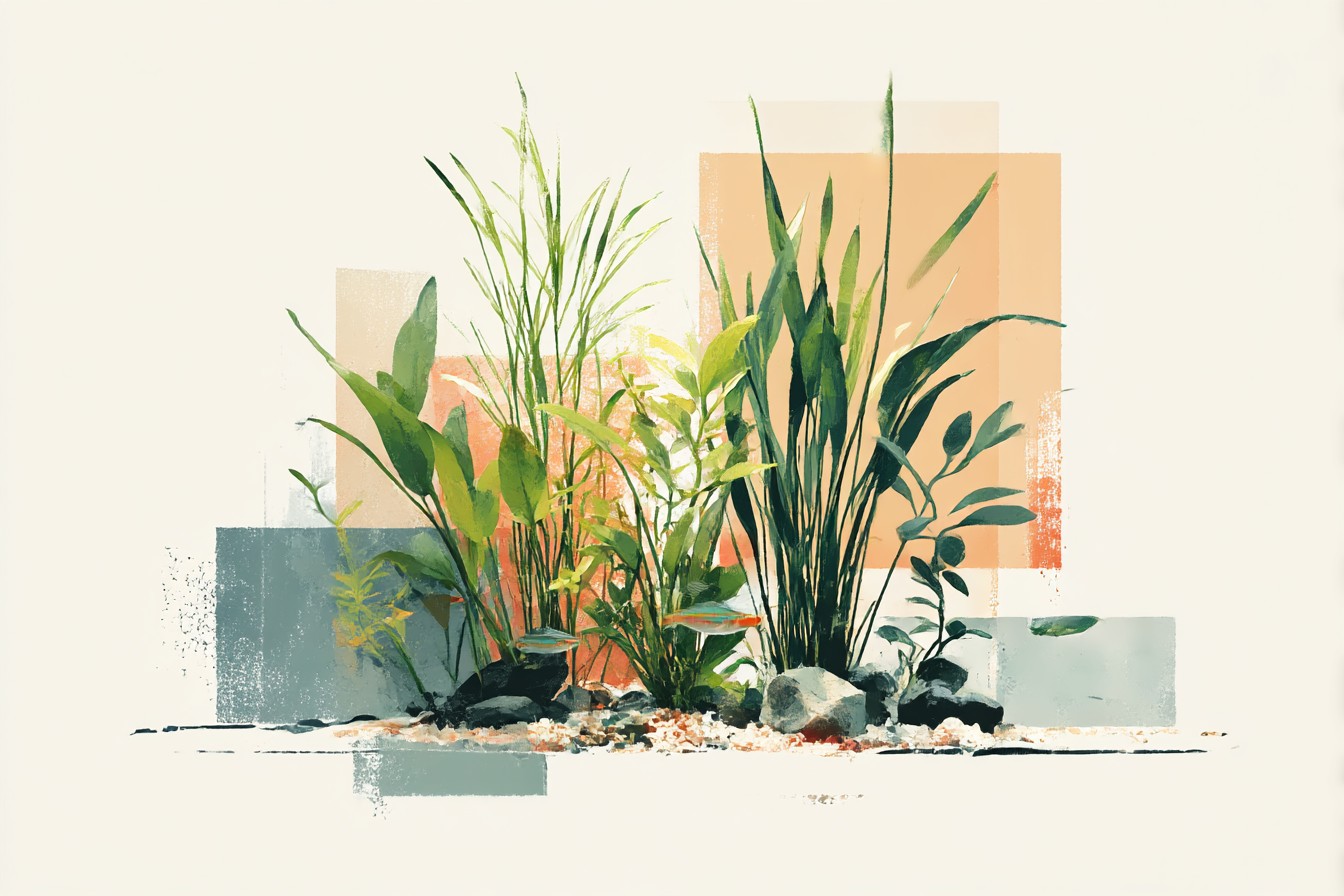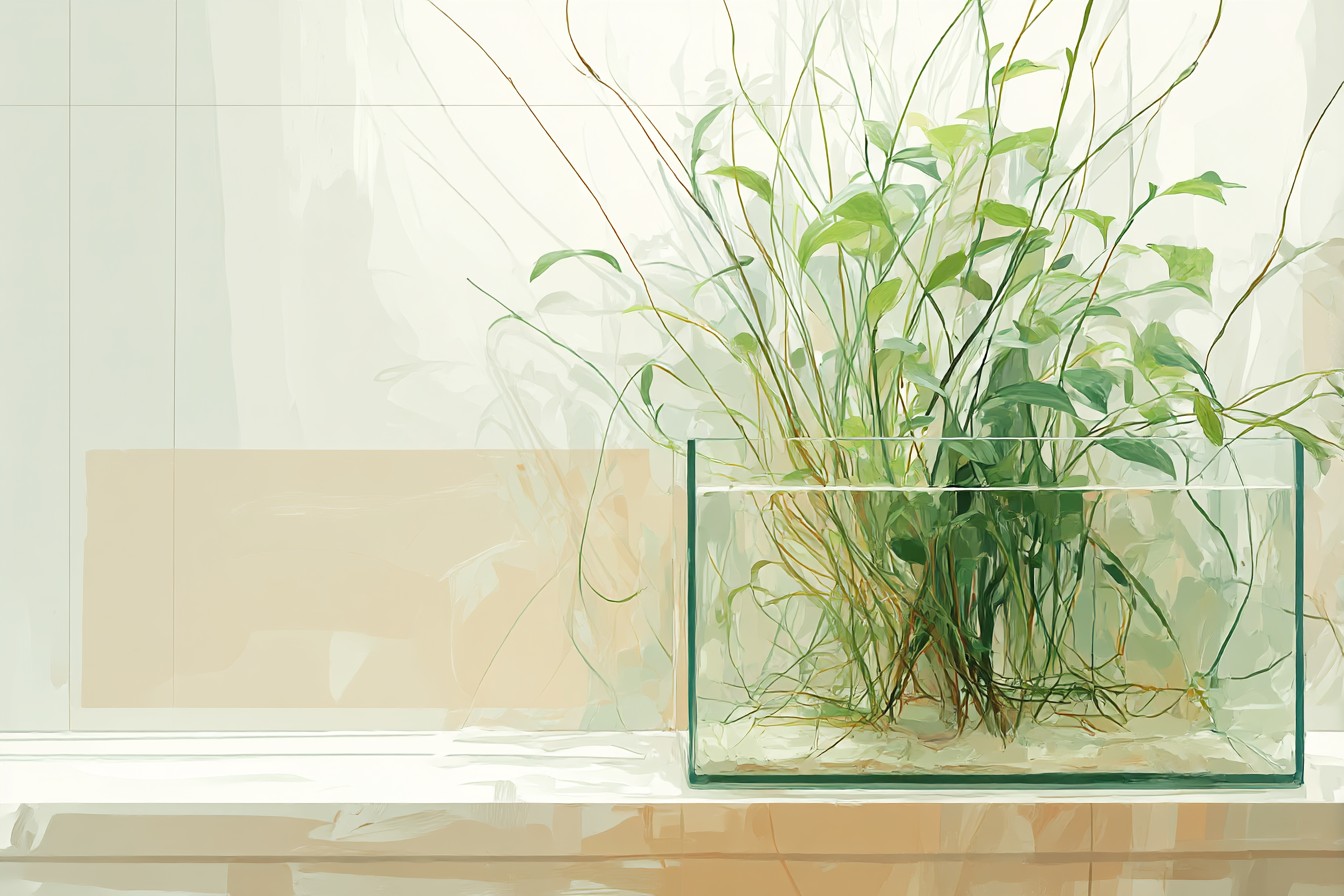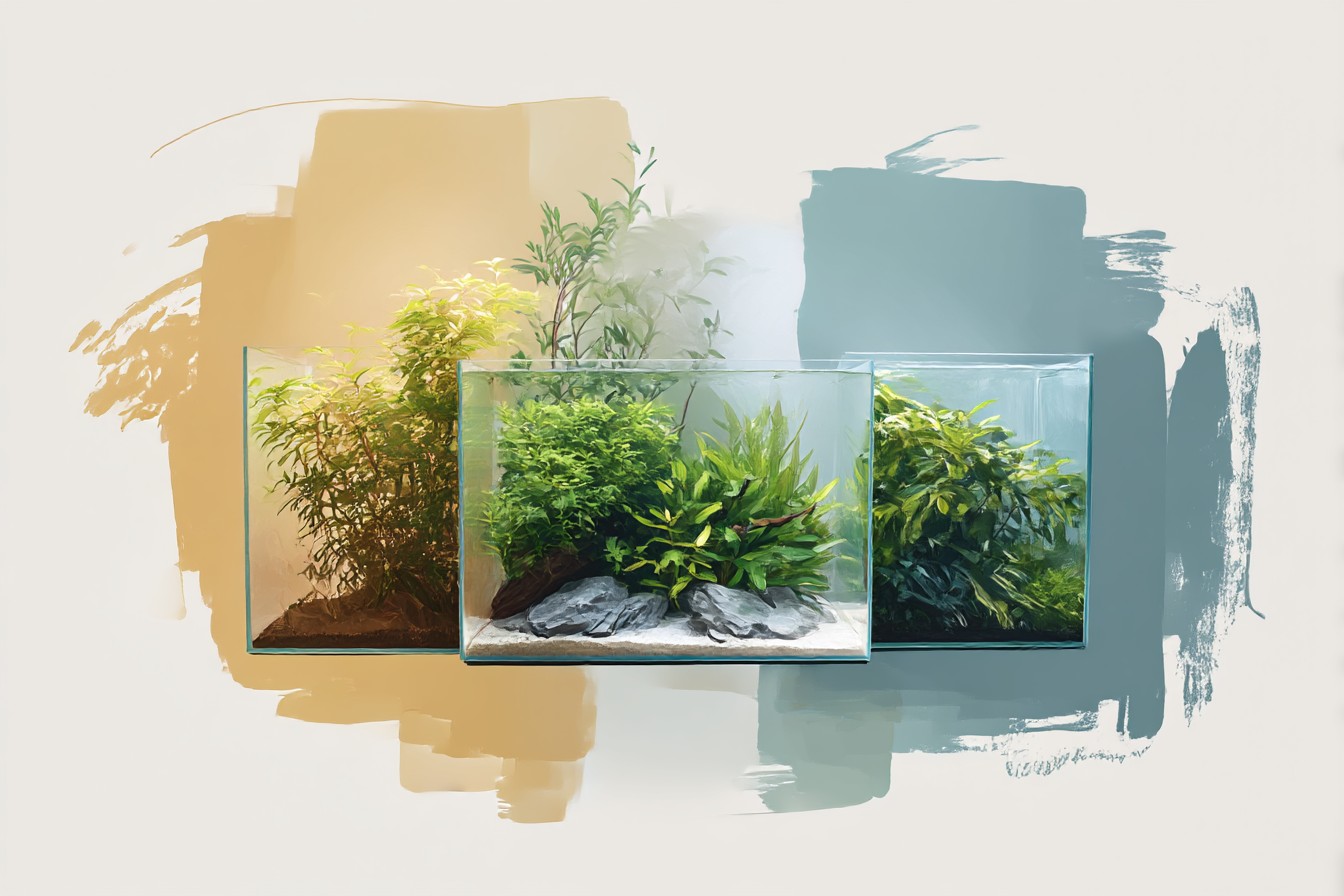
What’s funny is I used to think of Aquascaping like underwater gardening with super specific pH needs. I had this little book full of all the plant species I was planning to use, lighting schedules timed down to the second, and fertilizer dosing charts that could have fit in a Chemistry Lab textbook. The first couple of tanks I did — and I don’t know that “did” is the right word — were…fine.
Plants grew, fish swam around, my daughter would occasionally point at a colour. But honestly, they were boring. Things changed when I posted pictures of my “Masterpiece” — this 20 gallon setup I’d spent months tweaking — to one of those Aquascaping forums.
Maybe 3 likes and no comments. This guy posts a picture of what looks like a complete mess of plants and rocks, and people are totally freaking out about how “Emotionally Powerful” it is.
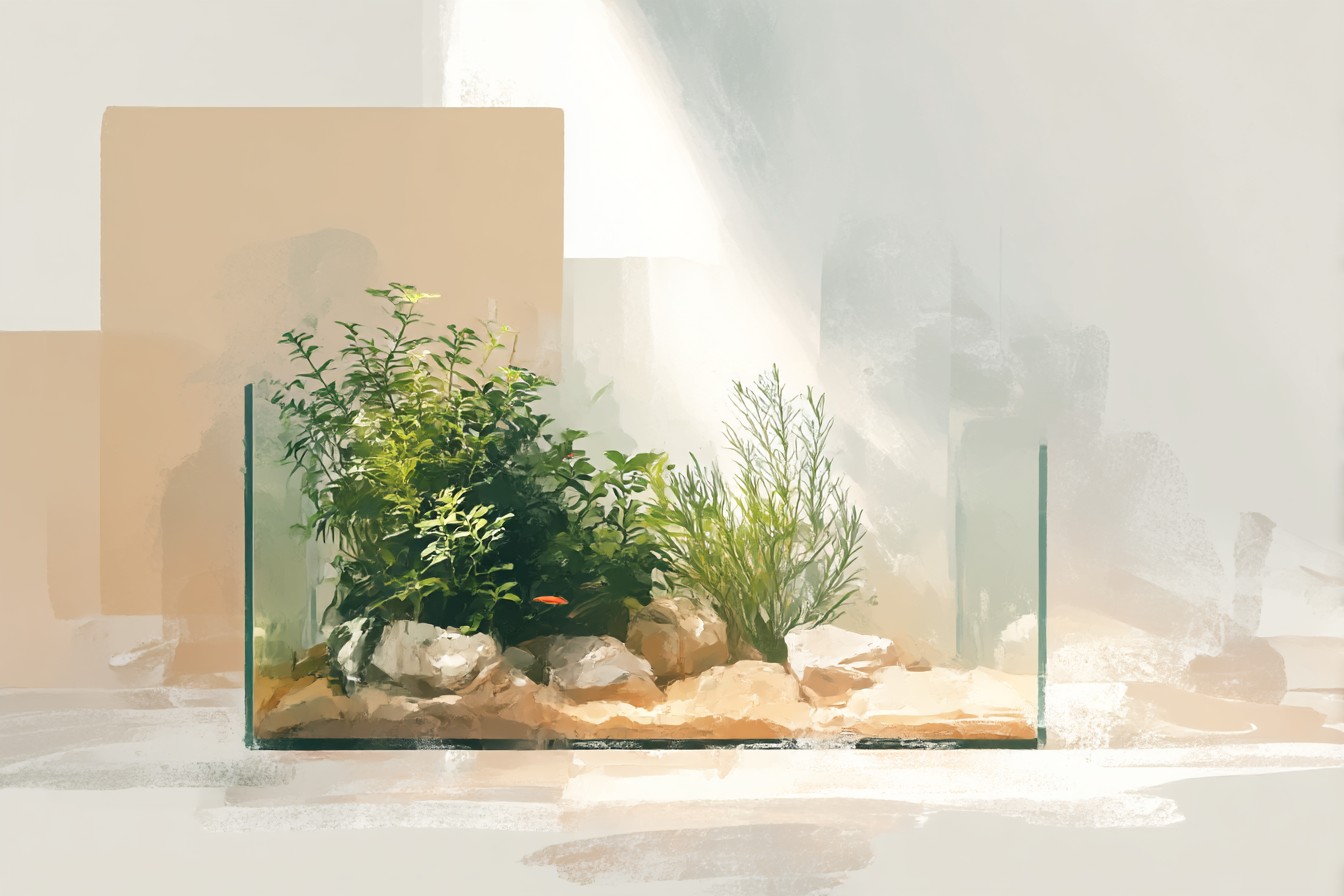
I’m sitting there thinking, “What am I missing?” What I was missing is just about everything that makes Aquascaping interesting.
I had been focusing on getting all the technical stuff correct so that I completely ignored that I was creating Art — like actual Visual Art that People Look At & Feel Things About. Who knew? My Daughter was about three years old when this finally dawned on me.
She would stand in front of our main tank every morning, her face pressed flat to the glass, and one day she says, “Daddy, the fish look Sad.” I asked her why they looked sad, and she points to that beautifully arranged little forest of Cryptocoryne I’d been so proud of. “Their house looks like a Store,” she says. I guess that’s true.
Over the next weekend, while my Spouse worked double shifts and both kids miraculously slept at the same time (a miracle), I sat on the floor with my Sketchbook & actually thought about what I wanted our Tank To Look Like. Not what plants would work well together, not what the Forum Experts Recommended, but what would make me happy to look at each day. I started thinking about places I liked as a Kid.
There was this spot near Tempe Town Lake where my Dad would take me fishing — we never caught anything, but there were these beautiful rock formations that made all sorts of little pools and hiding spots. The way the light hit the water at different times of Day, some areas felt mysterious and dark, while others were bright and open. That’s what I wanted to Recreate.
So I tore down my entire setup. My Spouse thought I’d Lost My Mind, especially because we’d just got the Tank Looking “Perfect” according to all my Research. But I started again from the Idea of Recreating that feeling of Discovery I’d experienced as a Kid Exploring those Rock Pools.
The Difference was Amazing. Instead of Planting things in nice, straight Rows like I’d seen in all the Tutorials, I made these Natural-appearing Clusters with Open Spaces Between Them. Used pieces of Dragon Stone to Create these Little Cave Systems that Actually LOOKED LIKE Caves Rather Than Just “Hardscapes”.
The Fish started acting differently too — they’d Explore, Hide, Interact With Their Environment rather than just Swimming Around. My Daughter Noticed Right Away. “Now it Looks like the Fish are On An Adventure,” she said.
And she was Right. There was Something to Discover In Every Corner, Depending on Where You Were Standing or What Time of Day You Looked. That’s when I Realised I’d Been Thinking About This Entire Thing Wrong.
I’d been Starting with the Plants & Trying to Arrange Them Nicely, When I Should Have Started with the Story I Wanted to Tell & Then Figured Out How to Tell It Using Plants, Rocks & Water. Begun Studying Actual Landscapes Rather than Other People’s Aquariums. Every Time We Went Hiking on Weekends — Which, Let’s Be Honest, Usually Meant Carrying My Son While My Daughter Complained About Being Tired After Five Minutes — I Paid Attention to How Nature Organizes Things.
Spoiler Alert: It’s Not in Perfect Symmetrical Triangles like all the Aquascaping Guides Suggest. Real Landscapes have Rhythm, you know? The way a Creek Bed Creates These Natural Focal Points Where the Water Pools, or the Way Trees Group Together in Some Areas & Leave Open Meadows in Others.
There’s an Organic Flow that is WAY More Interesting Than the Geometric Layouts I’d been Copying From Contest Photos. My Breakthrough Tank was what I started Calling “Morning in the Rockies” — Inspired by a Camping Trip We Took to Colorado When my Daughter was Four. Rather than Trying to Recreate the Exact Plants or Rock Types, I Focused on Capturing That Feeling of Walking Through A Mountain Forest Early in the Morning.
You Might Also Like
Cool Shadows in Some Areas, Bright Clearings in Others, the Feeling that you are Following a Natural Path through the Landscape. Mostly Used Native Plants that I Knew Would Thrive in Our Water Conditions, but Arranged Them to Suggest That Progression from Dense Forest to Open Meadow. The Hardscape Created this Winding Path Through the Tank that Your Eye Would Naturally Follow, Just Like a Hiking Trail.
Even Added some Driftwood Positioned to Look Like Fallen Logs You Might Step Over on a Real Hike. The Response was COMPLETELY Different than my Earlier Tanks. Friends would Come Over & ACTUALLY Spend Time Looking at it, Pointing Out Details, Asking About Different Areas.
My Kids Started Making Up Stories about the Fish Living in Their “Mountain Home.” It Became a Piece of Living Art that People Connected with Emotionally, Not Just Technically. That’s when I Finally Understood What That Forum Guy had Figured Out that I hadn’t. Technical Skill is Just the Foundation — like Learning to Hold a Paint Brush Properly.
The Art Happens When you Use Those Skills to Express Something Meaningful. All My Perfectly Balanced Water Parameters Didn’t Mean Squat If the Result Was Visually Boring. Began Experimenting with Different Moods & Stories.
Did a “Desert Oasis” Tank Inspired by the Landscapes I Grew Up With in AZ, Using Lots of Negative Space & Carefully Placing Accent Plants to Create that Sense of Life Existing in Harsh Conditions. Created a “Forgotten Garden” Setup that Suggested an Abandoned English Countryside Estate Being Slowly Reclaimed by Wild Plants. Each Tank Became an Exercise in Visual Storytelling.
Instead of asking “what plants go well together”, I’d ask “what am i trying to get people to feel when they look at this?” Completely Changed my Approach to Everything from Plant Selection to Lighting Schedules. The Kids Love Being Part of the Creative Process Now. My Daughter Has Strong Opinions About Which Rocks Look More “Adventurous” and where the Fish Would Want to Hide if They Were Scared.
My Son, who is Two now, Mostly Just Wants to Help By Trying to Put Random Toys in the Tanks, but He’s Starting to Understand that We’re Creating Little Worlds for the Fish to Live In. Even the Maintenance Routine Feels Different When You Are Thinking Artistically. Rather than Just Trimming Plants to Keep Them Healthy, I’m Sculpting the Composition.
Each Pruning Session is a Chance to Refine the Story, Enhance the Mood, Guide the Way Your Eye Moves Through the Scene. I’ve Started Teaching Informal Aquascaping Workshops at the Local Fish Store — Mostly Other Parents Who Want to Create Something Their Kids Will Find Engaging. The Biggest Breakthrough for Most of Them was the Same One I had: Stop Trying to Copy Someone Else’s Design & Start Thinking About What You Want to Express.
What Landscapes or Feelings Do You Want to Bring Into Your Home? It’s Not About Having Expensive Equipment or Rare Plants. Some of My Most Successful Tanks Use the Cheapest, Most Common Plants Available, Just Arranged with Intention & Meaning Behind the Design.
The “Neighbourhood Creek” Tank I Set Up in My Son’s Room Uses Nothing But Basic Plants from the Bargain Bin at Petco, but It Tells the Story of the Little Waterway that Runs Behind Our Neighbourhood Where We Go to Throw Rocks & Look for Minnows.
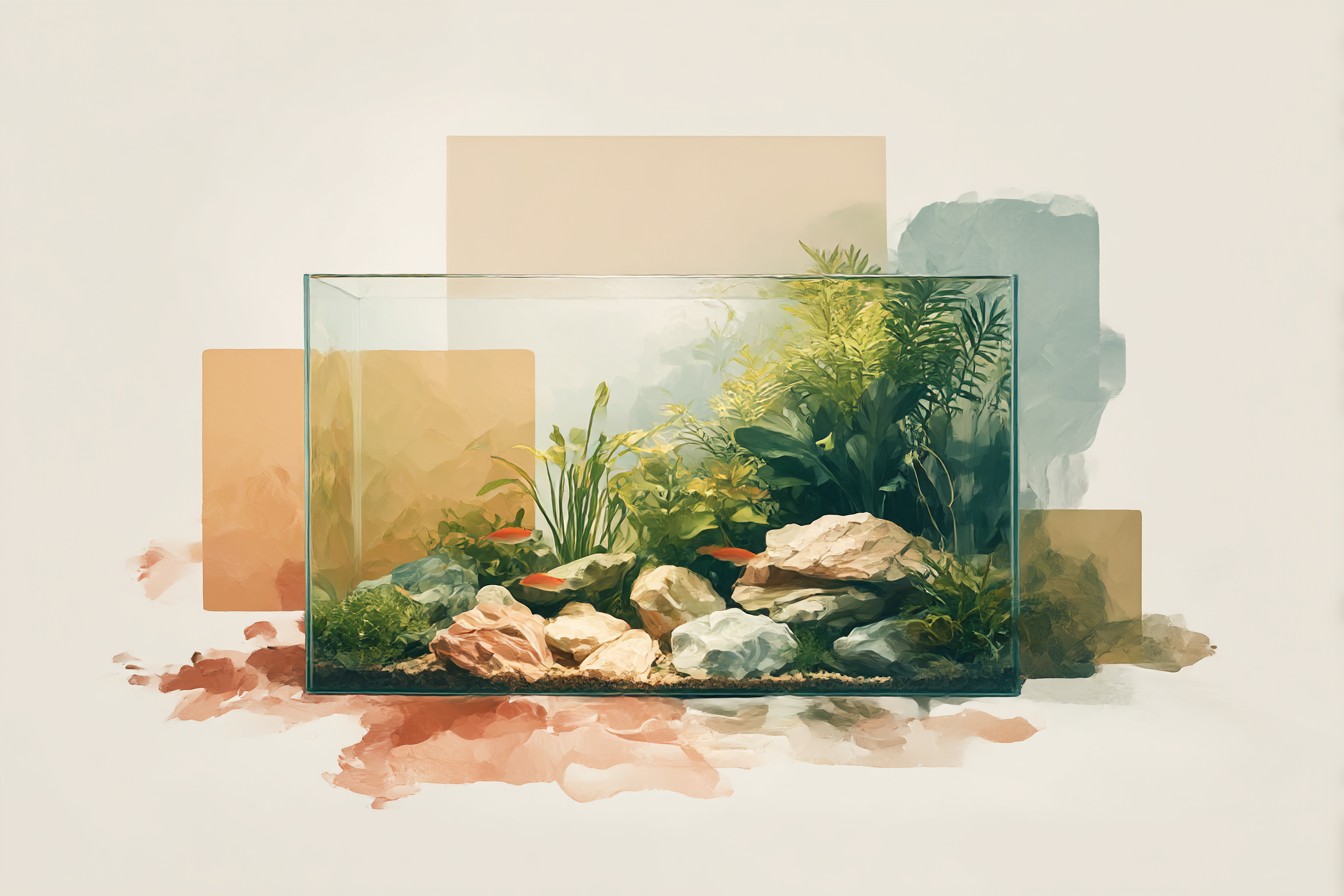
The Technical Stuff Matters, Sure. You Still Need to Understand Water Chemistry & Plant Requirements & all that Foundation Knowledge.
But Once You’ve Got Those Basics Down, the REAL Fun Starts When You Begin Thinking Like an Artist Rather Than a Gardener. When You Start Asking NOT Just “Will this Plant Grow Here” but “What Story Am I Trying to Tell & How Does this Plant Help Me Tell It?” My Latest Project is a Collaboration with My Daughter — She’s Five Now & Has Very Specific Ideas about how Fish Should Live. We’re Designing what She Calls a “Fish Adventure Park” with Different Zones for Different Activities.
There’s Going to be a “Peaceful Thinking Spot” with Soft Plants & Gentle Lighting, an “Exploration Cave” with Lots of Hiding Places, and a “Dancing Area” with Open Water & Plants that Move in the Current. Will it Follow Traditional Aquascaping Rules? Probably Not.
Will it be Something Unique that Reflects our Family’s Personality & Brings Us Joy to Look at Every Day? Absolutely. And Honestly, that’s What Art Should be About Anyway.