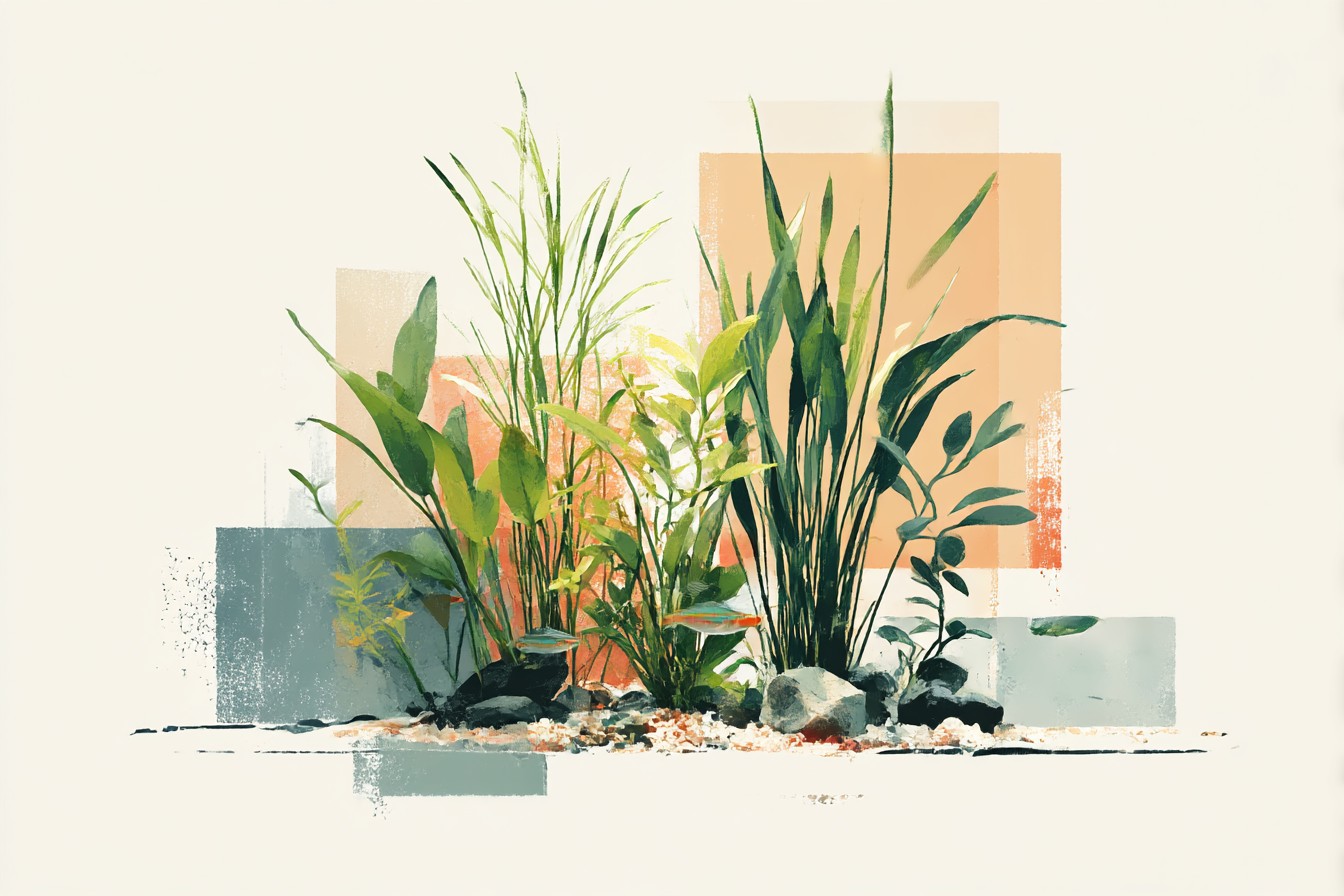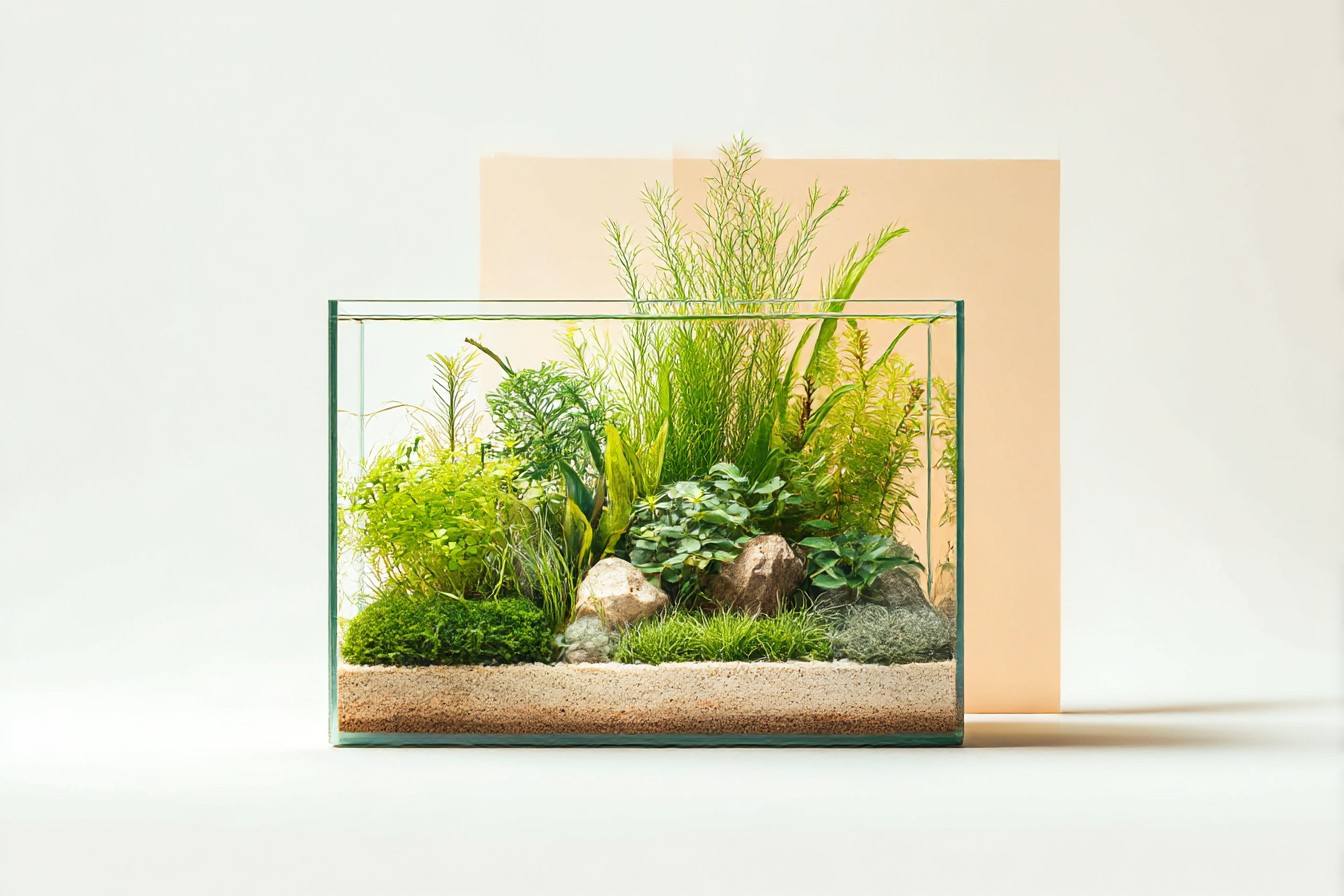
If you walk into your typical fish shop you’re likely to find two completely different types of fish keeping happening. Rows of pragmatic tanks full of fish that are healthy and happy but nowhere near pretty. Against them aquascapes; intricate landscapes where every rock, twig, and plant was placed on purpose.
A fish tank isn’t an aquascape. They aren’t two terms for the same thing. Over the years I’ve kept both, starting with elementary community tanks in food tubs and working my way up to fully-fledged aquascapes once I realised what I actually wanted.
They’re both capable of looking beautiful, supporting happy healthy fish communities, but the goals, equipment needed, and yes even budgets involved are completely different. Learn the differences now so you don’t accidentally buy the wrong kit.

Looking at £7 billion dollar industry in 2023 (Grand View Research), aquascaping has become a huge market within aquarium keeping.
Larger doesn’t necessarily mean better, especially when you’re just getting started. But it does usually mean more opportunity to go wrong. ## Philosophy Matters Before we get too far into the differences in approach let’s talk about overall philosophy. A fish tank cares about function before anything else.
Everything from water parameters to stocking levels to hiding spaces to nutrition is geared towards making fish comfortable and happy. Aquascaping? Less about fish and more about art.
A fish keeping approach chooses elements that will work together both biologically and chemically but doesn’t care how they look. An aquascaping approach considers the substrate, hardscape, plants and even fish species as pieces of a living artwork. Fish tanks need to function properly, but aquascapes must function around an artistic vision.
It’s a different way of thinking that prioritises different aspects of the hobby.
Nature Style vs Natural Setup
There’s also a difference between aquascapes and what many people think of as a “natural” fish tank setup. Nature style aquascapes are all about the relationship between planted areas and hardscape materials (ADA Global), which is often used to recreate or at least heavily reference a particular natural environment or landscape. While aquascaping seeks to imitate nature, it isn’t inherently focused on recreating a fish habitat.
A nature aquascape might look like a mountain stream but house fish that would never encounter rushing water IRL. Fish Keeping vs Aquascaping Philosophy | Philosophy | Fish Tank | Aquascape | | — | — | — | | Core Goal | Healthy Fish | Beautiful Design | | Hardscape | Helpful but Insignificant | Building Blocks | | Plant selection | Reliable and Hardy | Visual Effect | | Theme | Flexible | Defined | Understanding how you want to approach your setup before you get started makes all the difference. Aquarium keeping can feel like obsessing over buckets of water, and nobody wants to invest in aquarium lights only to learn they can’t support the type of aquarium they want. ## Equipment and Guidelines Every aspect of equipment and guidelines for keeping fish changes when you shift your approach from fish keeping to aquascaping.
Lighting: Output and Control
Higher lighting levels are needed for planted tanks than your standard fish tank (The Spruce Pets).
While you can get away with basic LED strips for fish tanks with low-light plants and fish, aquascaping requires precise control over how intense your lights are as well as what spectrum they’re outputting. Where a fish tank might only need 10-20 PAR inches below the surface to adequately support easier aquatic plants, aquascapes can demand 30-50 PAR at substrate level to support even the easiest of carpet plants. Aquascaping doesn’t just require brighter lights, it typically requires better controls too.
Most aquascapes run their lights 6-8 hours per day with a built in schedule that mimics sunrise and sunset (LiveAquaria). This prevents algae growth while giving your plants the best possible opportunity to grow. While you can get away with £30-80 lighting for a planted tank setup spending £150-400 on proper aquascaping lights makes a difference.
CO2 Injection
Injecting CO2 into your tank will drastically increase plant growth rates (Aquarium Co Op).
Does that matter more for aquascaping or fish tanks? When you keep fish you kind of want your plants to grow slower. Slower growing plants means less pruning, less maintenance, and more stable layout.
But when you aquascape you want those plants to fill out quickly and grow into position within weeks rather than months. Budget for at least £200-500 for a complete CO2 system complete with regulator, solenoid, and quality diffuser. You can DIY enough CO2 for basic planted tanks but it’s almost never enough for aquascaping
Nutrients and Substrate
Aquatic plants need nutrient rich substrate to support their roots (Buce Plant).
But how rich? Enough substrates exist for fish tanks that you can get away with using inert gravel and dosing all your nutrients liquid. Aquascaping on the other hand usually requires some of the more expensive substrates on the market.
Think ADA Amazonia at £60-80 for just a 90cm tank. That “basic planted tank” column isn’t empty! You can aquascape without CO2 and expensive substrate.
It’ll just take longer to establish and maintain plants, which means more time spent pruning instead of enjoying your aquarium. | Equipment | Fish Tank | Aquascape | | ———– | ——— | ——— | | Lighting | £30-80 basic LEDs | £150-400+ with full control | | CO2 System | DIY (£30-50) or not at all | Essential (£200-500) | | Substrate | Inert gravel (£10-20) | Pricy! £60-80 recommended | | Fertilisers | Liquid £20/year | Complete regime £50+/year |
Maintenance: Pruning versus trimming
Aquascaping isn’t just more expensive than keeping fish, it generally requires more maintenance too. This is probably obvious from the differences in equipment but I’ll dive into details. Sticking with our plant theme; aquascaping requires weekly pruning and reshaping.
The reason plants are kept so short in aquascapes is so they don’t start to throw off your layout. That golden ratio isn’t golden unless everything is maintained properly. Each type of plant has different growth patterns and reacts differently to being trimmed.
Because aquascaping demands such precise planting layouts, knowing how to maintain that layout becomes crucial. ## Design Focus Approaching your tank from a fish perspective changes how you think about design. Function over form, as I said above. That doesn’t mean aquascapes ignore things like the golden ratio when designing layouts (Aquarium Gardens).
Composition rules apply to aquascaping just as much as traditional art. Plants and hardscape aren’t slapped together without cause. But they’re selected and placed based on how they can work together to support life instead of how they look… at least in most cases.
Again, there are countless aquarium layouts that don’t fit these rules. And honestly some aquascapes can get pretty ridiculous too.
Negative Space
Having open swimming space is another critical aspect of aquascaping design. Bare bottoms are completely acceptable in fish tanks because it doesn’t hinder the tank’s function.
But in aquascapes, that open swimming space is your negative space. It balances out the dense carpeting or oversized hardscape pieces.
Hardscape first
Fish tanks can get by with quickly thrown together decorations. In aquascaping, the hardscape is your canvas.
It’s the foundation you build your entire aquascape around. Until the plants are positioned you can’t really start thinking about your layout. Once you add living plants to the aquarium maintaining that hardscape layout becomes a whole lot more difficult.
Which is why fish keepers can typically move things around at will. Moving hardscape in aquascaping is essentially tearing up your entire aquarium and starting from scratch. Fish Keeping vs Aquascaping Design | Design Philosophy | Fish Tank | Aquascape | | — | — | — | | Predominant Focus | Function | Form | | Golden Ratio | Uses often unnoticed | Often applied consciously | | Open Swimming Space | Typically avoided | Essential | | Hardscape | Moved often | Built around | ## Aquatic Plants Plant needs will change based on how you approach your aquarium.
Hardy plants that can withstand fish vandalism and negligent water conditions are perfect for fish tanks. But in aquascaping those plants become far too hard to maintain and work around. Aquascaping relies on certain plants to create effects.
Moss for texture, Crypts and Dracs for landscape, micro sword for fill. Yes, you can get away with Java ferns and Anubias, they just aren’t going to make your aquascape pop. In our plant care article we go over different species in depth.
For aquascaping that means learning how to maintain those species to fit your design. Aquarium Keeping vs Aquascaping Plants | Care Considerations | Fish Tank Plants | Aquascape Plants | | — | — | — | | Difficulty Maintaining | Easier | Harder | | Pruning | Occasional | Weekly | | Plant selection | Flexible | Specific | ## Fish versus Art Aquascaping has an entire community, complete with international contests (Aquatic Gardeners Association), built around it. As you can imagine, this has had a pretty big impact on the development of hobby; both good and bad.
Approaching your setup as a piece of art immediately invites criticism that it’s “too expensive” or “too complicated”. Nothing against the judges of these contests, but their standards aren’t the standard for everyone. Don’t misunderstand, fish keeping has contests and communities too.
They’re just focused on different aspects of the hobby. Where aquascaping judges a tank on aquascape design and plant health, fish keeping competitions are judged by breeding success and problem solving. Whether you approach your aquarium as fish keeping or aquascaping you should still join online forums, connect with local clubs, and watch YouTube.
You Might Also Like
Education is something every aquarium enthusiast should undertake. But do your research ahead of time. Ensure that the communities you’re investing time in understand the same aquarium keeping vs aquascaping philosophy you do.
COMMON MISTAKES
Mistake #1:Approaching aquascaping like it’s “better” fish keeping.
This actually happens more often than you’d think.
Many newcomers see aquascaping photos online and decide they want that. But instead of starting there, they upgrade their fish keeps tanks one tiny step at a time. Aquarium philosophy matters and refusing to accept that you aren’t aquascaping until you drop £400 on an LED light will only lead to disappointment.
Buy that LED light for your fish tank and it’ll look pretty awesome… but it isn’t an aquascape.
Mistake #2: Expecting low maintenance
A mature fish tank can require as little as half an hour of work per week. A good aquascape? 2-3 hours weekly of careful pruning and maintenance just to keep it looking “done”.
Hours of dedication on top of equipment costs that can reach into the thousands. It’s not a “better” way of fish keeping, it’s a different way and one that demands as much of your time as you’re willing to give.
Mistake #3: Picking fish based on colours instead of compatibility.
While this can be true for either tank mentality, aquascaping pushes people to choose fish based on how they look instead of what they need to thrive. Blues, reds, and oranges become a priority instead of fish temperament and appropriate bioload.
Yeah, your aquarium might look amazing… but all those beautiful fish keep hiding because they stress whenever you walk near the tank.
Mistake #4: Wanting it to look nice “right away”.
A fish keeping tank can look decent within a few weeks of setup. Aquascaping will take at least 3-6 months to grow in. And by grow I don’t just mean plants, I mean for the proportions of your aquascape to finally reach what you envisioned during your design process.
This can’t be stressed enough. I’ve seen so many people give up on aquascaping because they weren’t maintaining their aquarium but “it didn’t look like anything” even though they were only a month into growth. Plants grow slowly. ## Plants Need Sunlight Too Let’s examine some of the research that supports these differences between fish keeping and aquascaping.
Why aquascaping requires more intense lighting than fish tanks:
- Limited experimentation with different PAR levels and plant species. Research was only conducted at 30 and 50 PAR inches below the substrate.
Basically, this means we don’t actually know how low you can go but we know 30 and 50 work well. I’d personally aim for closer to 50 when aquascaping.
- Different light spectra had significant impact on both plant growth rates and colouration development.
Plant colour isn’t just for show.
Certain colourations don’t develop if you aren’t running full spectrum lighting, which is something most basic fish keeping lights don’t do.
- Light intensity, not duration was the critical factor in plant growth.
Unlike many fish keeping articles out there this doesn’t just tell you to run your lights 10-12 hours a day. It tells you why you need adequate lighting technology to begin with. Research supporting CO2 injection wasn’t explicit about aquascaping vs fish tanks.
But if you’ve read this far you know why this equipment is unnecessary for your average fish keeper. Intensive fertilisation schedules aren’t something basic planted tanks will ever require. But that research shows why aquascaping pushes daily micro and macro doses rather than weekly liquid fertilisers.
Fish tanks versus aquascapes can work on any size setup. Nano aquariums autumn into the 10-30 litre range. While you can aquascape nano tanks they’re often more difficult due to limited equipment options and little buffer in the water volume.
Larger community tanks start at 100 litres and can be curated from either perspective. It all depends on how you approach the plants and fish. Species only tanks really should always follow fish keeping principles.
Whether that’s cichlids disturbing your plants or goldfish ripping everything to shreds, these tanks just aren’t conducive to aquascaping. Shrimp tanks on the other hand are perfect for aquascaping. Plant destruction is no longer an issue and most freshwater shrimp won’t breach the bioload limits planted tanks establish.
Breeding tanks should also always follow fish tank approaches. Plant density, hiding places, and access to prime breeding territory take priority over design. Filling your aquarium with moss and hoping for the best isn’t going to produce more fry.
Benefits of Fish Keeping vs Learning About Aquascaping | Applying Knowledge | Fish Tank | Aquascape | | — | — | — | | Equipment Expenses | Save Money | Spend Wisely | | Time commitment | Low Maintenance | Maintaining Designs | | Fish selection | Numerous options | Choose wisely | | Define your goals | Variety of success | Having a set target | Understanding the difference between aquascaping and fish keeping allows you to make better decisions when keeping fish. Instead of blindly buying expensive equipment you know why aquascaping costs more and can budget accordingly. Every new aquarium enthusiast should know the difference.
STEP BY STEP GUIDE
Step 1: Know what you want
Sound obvious?
Trust me, once you get into the fish keeping rabbit hole it’s easy to do both without even realising. Week 1 of your aquarium project should be dedicated to figuring out exactly that; what do you want? Low maintenance fish or a beautiful piece of art?
Colliding those two goals is possible but you’ll spend extra money and time either way.
Estimated Budget
Small fish tank setup: £150-300 total Basic aquascape: £400-800 start up Competitive aquascaping: £800+
Step 2: Buy appropriate equipment.
This goes hand in hand with knowing what you want.
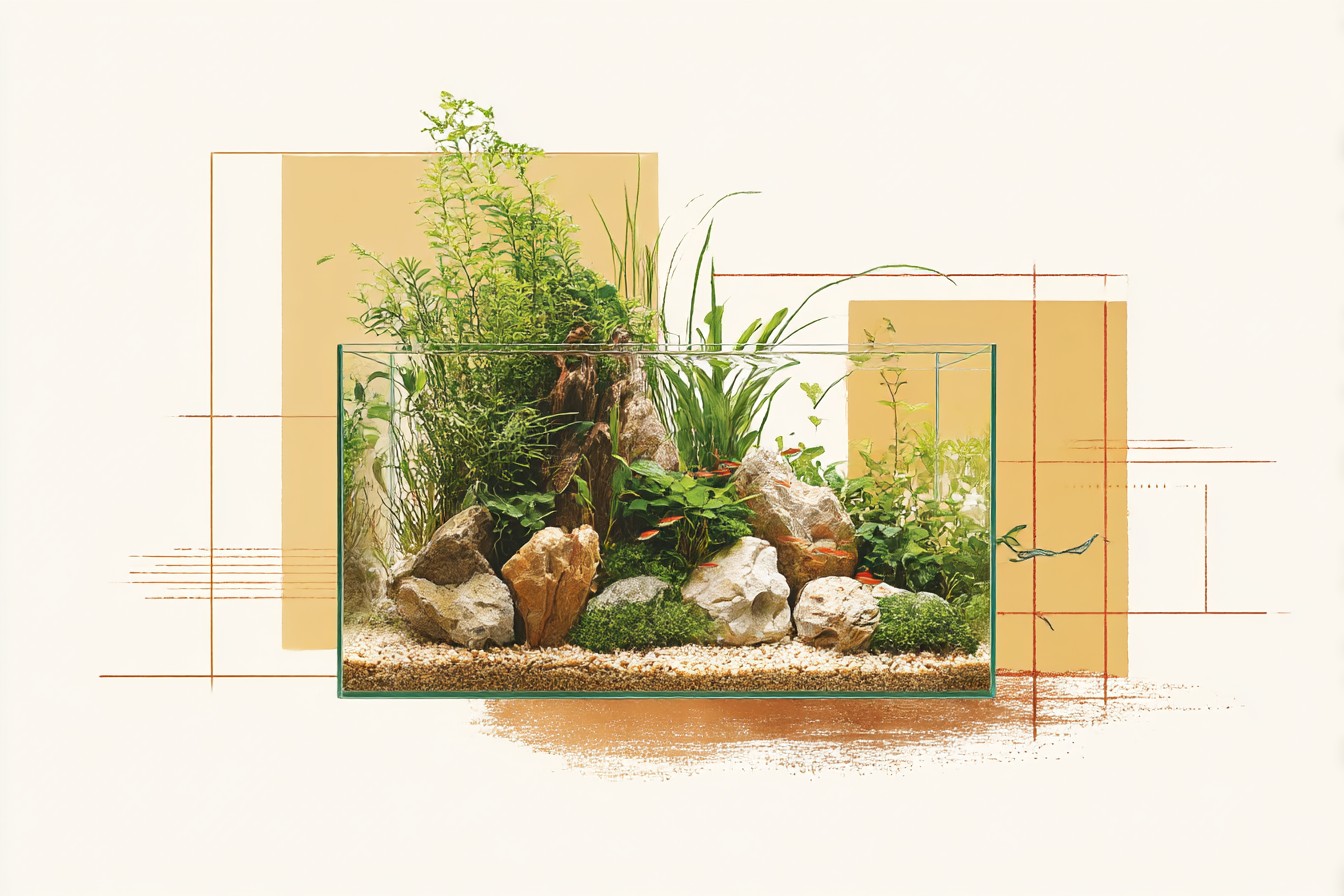
Don’t cheap out on your aquascape. Don’t stress about LED light specs if all you want is some fish.
Estimated Budget
Tank & Stand: £80-200 Filter: £30-150 (Varies by approach) Lighting: £30-400+ (Depends on plants) CO2 Injection: £0-500+ (If you’re doing it at all)
Step 3: Setup and let it cycle
Fish first or plants first?
Depends on your approach. If you want to aquascape you plant first then slow release fish into the established environment. Basic fish tanks can go either way but I recommend cycling and slowly adding fish over a few weeks.
Step 4: Establish your maintenance routine
Do you fish frequently or prefer to leave it be?
How much time can you dedicate weekly to aquarium maintenance? Your long-term routine really should be determined before you add fish. At the very least wait until your tank is cycled before making your final decision.
Total Price Range: £150-£2000+
Depending on size, approach, and materials you choose your tank can end up costing more or less than the guides suggest.
Fish keeping and aquascaping are two hobbies that can live together in the same house. Don’t let anyone tell you otherwise. But they’re not the same thing and until you understand the differences you’ll constantly find yourselfaiming for a goal you didn’t know you had.