
# Anubias Nana and the Bulletproof Plant That Survives Anything You Throw at It I bought my first Anubias nana because the bloke at the shop said it was impossible to kill. Coming from someone who’d just watched his Monte Carlo carpet turn into a brown carpet of disappointment, that sounded like exactly what I needed. Four years later, that same clump is still anchored to the same bit of driftwood, still producing new leaves every month, still looking completely unbothered by everything I’ve accidentally thrown at it.
If there’s a more forgiving plant in the hobby, I haven’t found it. This isn’t just another green plant that stays green. This is the aquascaping equivalent of a Land Rover.
It’ll run in conditions that would kill most other plants, it doesn’t need much maintenance, and it just keeps going. For someone who was still learning the difference between nitrates and nitrites, that reliability was worth its weight in CO2 bottles. | Care Level | Lighting Needs | CO2 Required | Growth Rate | Max Size | Our Rating | |————|—————-|————–|————-|———-|————| | Beginner | Low (15-35 PAR) | No | Very Slow | 5-15 cm | 9/10 | ## The West African Survivor Anubias nana isn’t some hybrid bred for aquarium life.
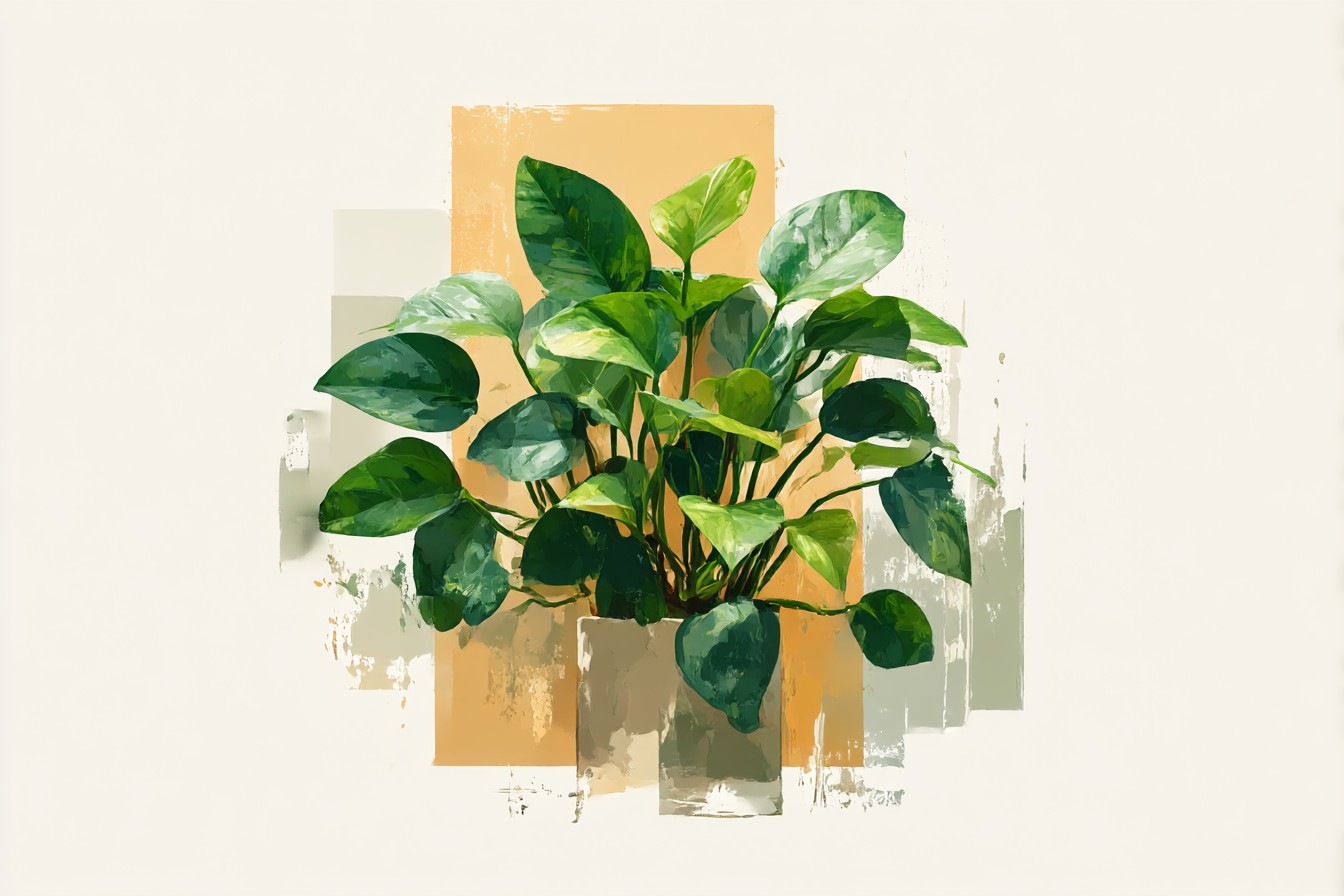
It’s a variety of Anubias barteri that grows naturally along riverbanks and in shallow waters across West Africa, where it’s adapted to survive both underwater and above the surface depending on seasonal flooding.
That ability to handle different environments is exactly what makes it so bulletproof in a tank. The plant was first described scientifically in the 1960s, but it didn’t become widely available in the aquarium trade until the 1980s when tissue culture techniques made it possible to produce it commercially. Before that, wild-collected specimens were expensive and often arrived in poor condition after long shipping journeys.
Now it’s one of the most commonly available aquatic plants worldwide, and probably sitting in every decent aquarium shop you’ll visit. What makes this particular variety special is its compact size compared to the standard Anubias barteri. Where the full-size version can reach 30cm or more, nana stays small and manageable.
The name literally means ‘dwarf’ in Latin, and that’s exactly what you get. A plant that has all the toughness of its larger cousin but won’t overwhelm a smaller tank. The commercial success of Anubias nana changed how the hobby thought about low-light plants.
Before it became widely available, most people assumed you needed strong lighting and CO2 injection to grow anything green and attractive. This little plant proved that wrong, and opened up planted tanks to people who couldn’t afford high-end lighting systems or didn’t want the complexity of CO2. ## What Makes It Actually Bulletproof The secret to Anubias nana’s legendary toughness starts with how it grows. Unlike stem plants that need their roots buried in substrate, this grows from a rhizome that should never be buried.
The rhizome is that thick, horizontal stem you’ll see when you buy one, and that’s where all the leaves and roots emerge from. Bury that rhizome and the plant will rot. But attach it to hardscape and it’ll grip on like it was made to be there.
That rhizome is basically a storage unit. It holds enough energy to keep the plant alive through terrible conditions while it slowly adapts to whatever you’ve put it in. I’ve seen Anubias survive complete tank crashes, survive being left in buckets during house moves, survive months of barely any light while I was sorting out a proper setup.
The rhizome just sits there, looking slightly annoyed, and then starts growing again when conditions improve. The leaves themselves are built like little shields. They’re thick, waxy, and designed to handle both aquatic and terrestrial life.
That waxy coating helps them resist algae growth, which is why you’ll often see other plants covered in hair algae while the Anubias sits there looking pristine. It’s not immune to algae, but it’s definitely more resistant than most plants. Growth rate is where this plant really shows its character.
It’s slow. Painfully slow if you’re impatient. Each new leaf takes weeks to unfurl, and you’ll typically see about one new leaf per month from each growth point (Everything Fishkeeping).
But that slowness is actually an advantage. Fast-growing plants need constant nutrients and perfect conditions. Slow-growing plants can make do with whatever’s available.
The plant reaches maturity at around 6 to 12 months (Greg Plant App Blog), by which point it’ll be producing leaves consistently and may even start developing side shoots from the rhizome. A mature specimen can reach 5 to 15 cm in total size (Aqua-Fish.Net), with individual leaves potentially reaching 7 to 8 inches long in ideal conditions (Sun Spot Nursery). The temperature tolerance is genuinely impressive.
It’ll happily grow in anything from 72°F to 82°F (Terrarium Master), which covers pretty much any tropical tank you’re likely to run. I’ve kept mine in tanks that swung from 22°C to 26°C depending on the season, and it never seemed bothered (AquariumLesson). pH is equally flexible, handling anything from 5 to 8 without complaint, though it seems happiest in the 6.0 to 7.5 range (Fish Tank Advisor). Lighting requirements are where this plant really shines for beginners.
It only needs 15 to 35 PAR (Barr Report), which translates to pretty much any aquarium light that isn’t completely useless. I grew mine under a basic LED strip that came free with a second-hand tank, and it did fine. More light will encourage slightly faster growth, but it’s not necessary.
CO2 injection is completely optional. The plant will grow without it, just more slowly. Adding CO2 will speed things up slightly and might give you slightly larger leaves, but the difference isn’t dramatic enough to justify the expense if you’re just starting out.
You Might Also Like
This is one of the few plants where ‘low-tech’ really means low-tech. ## The Reality Cheque Nothing’s perfect, and Anubias nana has its frustrations. The biggest one is the growth rate. If you’re expecting quick results, this isn’t your plant.
Waiting a month between new leaves feels like an eternity when you’re excited about your new setup. Other plants will fill out and look established while your Anubias is still thinking about maybe producing another leaf. Algae can be an issue, but not in the way you might expect.
The plant itself resists algae quite well, but because it grows so slowly, any algae that does take hold has time to really establish itself. Black beard algae in particular seems to love older Anubias leaves. Once it’s there, it’s almost impossible to remove without damaging the leaf.
I’ve had to trim off perfectly healthy leaves just because the algae coating made them look terrible. The attachment requirement can be fiddling, especially if you’re new to the hobby. The rhizome needs to be tied or wedged onto something solid – driftwood, rocks, even plastic ornaments will work.
Fishing line, cotton thread, or cable ties all work for attachment, but it takes time for the plant to develop its own grip. In the meantime, pieces can work loose and float around the tank looking sad. Size can be limiting in larger tanks.
Even a mature clump of Anubias nana doesn’t create much visual impact in a big setup. It’s perfect for nano tanks and foreground positions, but it gets lost in anything over 200 litres unless you use multiple specimens. The slow growth means building up a decent display takes patience.
Propagation is straightforward but slow. The rhizome will eventually develop side shoots that can be cut and attached separately. But this takes months, and even then the new pieces take more months to establish properly.
If you want multiple plants quickly, you’re better off buying them than trying to multiply one specimen. Price can add up if you’re buying multiple plants. Individual specimens aren’t expensive, but because each plant stays small, you need several to create any real impact.
For the cost of three or four Anubias nana, you could buy a single stem plant that would fill the same space in weeks rather than months. ## The Hobby Game-Changer Anubias nana didn’t just become popular; it changed what people thought was possible in planted tanks. Before it became widely available, the assumption was that planted tanks needed high-intensity lighting, CO2 injection, and careful nutrient dosing. This little plant proved that you could have something green, attractive, and genuinely aquatic with nothing more than basic equipment.
That accessibility opened up planted tanks to a huge number of people who’d been put off by the perceived complexity and expense. You could walk into a shop with fifty quid, buy a basic setup and an Anubias nana, and have something that would actually work. That’s not true of most aquatic plants.
The plant also influenced aquascaping aesthetics. Its compact size and distinctive leaf shape made it perfect for creating focal points without overwhelming smaller tanks. The way it attaches to hardscape rather than needing substrate integration meant aquascapers could use it to bridge the gap between rocks and driftwood, creating more natural-looking arrangements.
In the breeding world, Anubias nana became the go-to plant for fish that needed somewhere to deposit eggs but would eat most other vegetation. Cichlid keepers particularly embraced it because the tough leaves could handle aggressive fish that would shred delicate plants. That durability in community tanks with large or boisterous fish gave it a place in setups where other plants simply wouldn’t survive.
The commercial impact was significant too. As tissue culture techniques improved, Anubias nana became one of the most reliably profitable plants for commercial producers.
It ships well, stores well, and has consistent demand.
That commercial success helped fund research into tissue culture for other species, expanding the range of plants available to hobbyists. ## The Verdict Four years on, I still reach for Anubias nana when I’m setting up a new tank or when someone asks me what plant they should start with. It’s not the most exciting plant in the hobby, and it won’t give you the instant gratification of fast-growing species. But it will give you something green and alive that looks like it belongs in water, and it’ll still be there looking healthy long after you’ve killed everything else.
For beginners, it’s genuinely hard to beat. The combination of low light requirements, no CO2 dependence, and genuine tolerance for less-than-perfect conditions makes it the obvious choice for first planted tanks. More experienced aquascapers use it as a reliable foundation plant that holds the layout together while more temperamental species come and go.
Is it bulletproof? Not quite, but it’s close enough for most of us. If you can keep fish alive, you can probably keep Anubias nana alive.
And in a hobby where plant success often depends on getting multiple variables exactly right, that reliability is worth celebrating. See where this placed in our full ranking of aquatic plants.


