
# Bucephalandra and the Slow Grower That Became the Most Collected Plant in the Hobby I’ve got a confession: I started collecting Bucephalandra because I thought it would be cheap. One small plant, maybe fifteen quid, surely that would scratch the itch for something new without breaking the budget. Two years later I’ve got eleven different varieties scattered across three tanks and a spreadsheet tracking which ones I’m still hunting for.
This was not the plan. But here’s the thing about Bucephalandra – it gets under your skin in ways no other plant quite manages. It’s not just that each variety looks genuinely different from the others, though they do.
It’s not just that they’re practically bulletproof once established, though they are. It’s that collecting them becomes this odd mixture of treasure hunt and patience test that turns sensible people into plant hoarders.
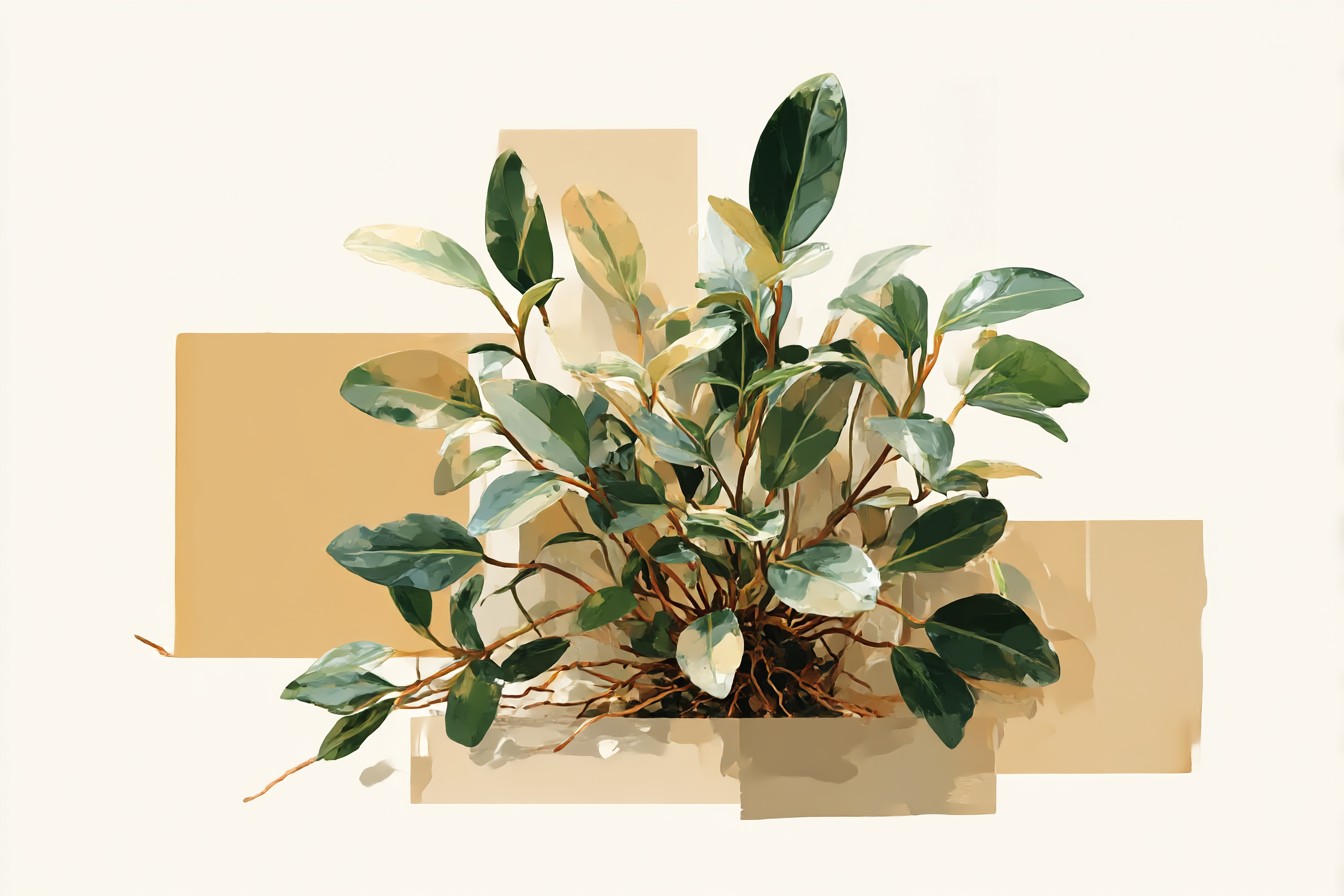
I should know. | **Care Level** | **Lighting Needs** | **CO2 Required** | **Growth Rate** | **Max Size** | **Our Rating** | |—|—|—|—|—|—| | Easy | Low to Medium | No | Very Slow | 6-10cm | 9/10 | ## The Borneo Connection Bucephalandra has one of the most restricted natural ranges of any plant in the hobby.
Every single species comes from Borneo (International Aroid Society), making it endemic to that one massive island split between Indonesia, Malaysia, and Brunei (Wikipedia). About 30 species have been described so far (International Aroid Society), though recent research suggests there are currently 31 recognised species (Jurnal Biologi Universitas Andalas). In the wild, these are rheophytic herbs (International Aroid Society) – that’s botanical speak for plants that grow on rocks in fast-flowing streams.
Picture crystal-clear mountain rivers cutting through dense rainforest, with these small rosettes of leaves clinging to boulders in the spray zones. They’re adapted for life where the water level fluctuates constantly but the humidity stays high. This habitat explains everything about how they behave in our tanks.
The tolerance for variable water conditions, the preference for being attached rather than planted, the way they seem to thrive in areas with decent flow – it all makes sense when you realise they evolved to cope with monsoons and dry seasons in some of the most biodiverse aquatic habitats on the planet. The hobby didn’t really know about Bucephalandra until collectors started bringing them back from Borneo expeditions in the 1990s and early 2000s. Even then, they stayed pretty niche until the planted tank scene exploded in the 2010s.
Suddenly everyone wanted something different, something that wasn’t the same old Anubias and Java Fern setup, and Bucephalandra fit the bill perfectly. ## What Makes Bucephalandra Special The first thing that hooks you is the sheer variety. Where most aquarium plants give you maybe two or three different looks within a species, Bucephalandra offers dozens of distinct forms. Some have leaves the size of your thumbnail, others grow leaves as big as a fifty pence piece.
Colours range from deep forest green to burgundy to almost black, with everything in between. Some have metallic sheens that catch the light like they’ve been dusted with glitter. Others have subtle variegation or leaves that change colour as they mature.
I’ve got ‘Red’ in my main tank, which despite the name is more of a deep bronze with reddish undertones. Next to it sits ‘Blue Phantom’, which isn’t blue at all but has this incredible silvery-blue sheen when the light hits it right. In my nano setup, there’s a tiny variety called ‘Micro Needle’ with leaves barely a centimetre long that forms these perfect miniature rosettes.
The collecting aspect becomes addictive because each variety genuinely looks different enough to justify having it. This isn’t like Cryptocoryne where you need a botanical degree to spot the differences. With Bucephalandra, even I can tell ‘Wavy Green’ from ‘Brownie Ghost’ from ‘Pink Lady’ at a glance.
But the real magic happens when they flower. Yes, flower – these are aroids, related to things like Peace Lilies and Pothos, and they produce proper flowers underwater. The bloom is a tiny white spathe, maybe a centimetre long, that appears on a short stalk above the leaves.
It’s delicate and strange and completely unexpected the first time you see it. I nearly missed mine entirely; I thought it was just a new leaf growing at an odd angle until I looked closer. The growth habit is equally distinctive.
Unlike most plants that want their roots buried, Bucephalandra prefers to be attached to something solid – driftwood, rocks, even the filter intake if you let it. The roots are there for anchoring, not feeding. They take their nutrients directly from the water column through their leaves, which is why they’re so tolerant of different substrates and why they’ll grow just fine tied to a bit of wood.
This makes them incredibly versatile for aquascaping. I’ve seen them used as carpet plants in nano tanks, grown up the sides of hardscape like living moss, and even used as floating plants in breeding setups. They adapt to whatever role you give them, though they’ll take their sweet time doing it.
The slow growth rate that puts some people off is actually part of their charm once you understand it. A new leaf might take a month to fully develop. Propagation happens when the plant sends out runners, but you might wait six months between new plantlets.
This isn’t a plant for instant gratification. But that also means once your scape is established, it stays that way. No weekly trimming, no sudden growth spurts that throw your composition off.
It just sits there looking exactly how you want it to look. ## The Honest Assessment The slow growth really is slow. I’m not talking “slow compared to Vallisneria”, I’m talking “you’ll genuinely forget which tank you put it in” slow. If you’re the type who wants to see progress every week, this will drive you mad.
You Might Also Like
My first piece of ‘Kedagang’ took three months to produce its first new leaf, and another two months before I could be sure it wasn’t just surviving but actually thriving. The price is the other obvious drawback. A single small piece can easily cost twenty to thirty pounds, and that’s for the common varieties.
The rare ones, the ones with proper collector names and limited availability, can hit fifty pounds or more for a piece no bigger than a golf ball. When you’re living on a tight budget, that’s serious money for something that might take half a year to look substantially different from when you bought it. Quality control is hit and miss.
Because most Bucephalandra in the trade is still wild-collected rather than tissue-cultured, you never quite know what you’re getting. I’ve received plants that looked nothing like the photos, plants that took months to recover from shipping stress, and one memorable specimen that turned out to be three different varieties tied together with fishing line. The reputable sellers are worth the premium, but they’re also the most expensive.
The attachment process requires patience too. Unlike Anubias, which you can pretty much superglue to anything and forget about, Bucephalandra needs a gentler touch. Thread or fishing line works better than glue, but you need to be careful not to damage the rhizome.
I’ve killed more than one piece by being too heavy-handed with the thread. And despite all the talk about them being bulletproof, they do have their limits. They’ll tolerate poor conditions for a while, but sustained neglect will eventually cause the leaves to turn transparent and melt away.
They don’t bounce back from serious stress as quickly as something like Java Moss. When they sulk, they really sulk. ## The Collecting Culture What’s interesting is how Bucephalandra has created its own subculture within the hobby. There are Facebook groups dedicated entirely to trading and selling different varieties.
People maintain spreadsheets of their collections, complete with photos and acquisition dates. Some varieties have developed cult followings with waiting lists and preorder systems. The naming conventions alone are fascinating.
You’ve got location-based names like ‘Bukit Kelam’ and ‘Sintang’, varietal names like ‘Red’ and ‘Purple’, and purely invented names like ‘Superman’ and ‘Godzilla’. Some varieties are named after their discover or the shop that first imported them. The lack of standardisation means the same plant might be sold under three different names by three different suppliers.
This has created a secondary market that operates more like rare plant collecting than typical aquarium plant sales. Established collectors will pay serious money for new or unusual varieties. I know people who’ve spent hundreds of pounds building collections that would fit in a single 60-litre tank.
The slow growth rate actually feeds into this collecting mentality. Because it takes so long to propagate pieces to sell, rare varieties stay rare. Because established pieces only produce runners occasionally, there’s genuine scarcity that drives demand.
It’s the opposite of something like Cryptocoryne, where a single plant will eventually fill your entire tank if you let it. ## The Verdict Bucephalandra occupies a unique niche in planted tanks. It’s simultaneously beginner-friendly and collectible, which is a rare combination. The basic care requirements are minimal – pH between 6.0 and 7.5 (HealthyHomeAquarium), temperature anywhere from 70 to 82°F (Aquarium Co-Op), and water hardness from 2 to 15 dGH (AquaticIndex).
No CO2 injection needed, no special lighting requirements, no particular substrate demands.
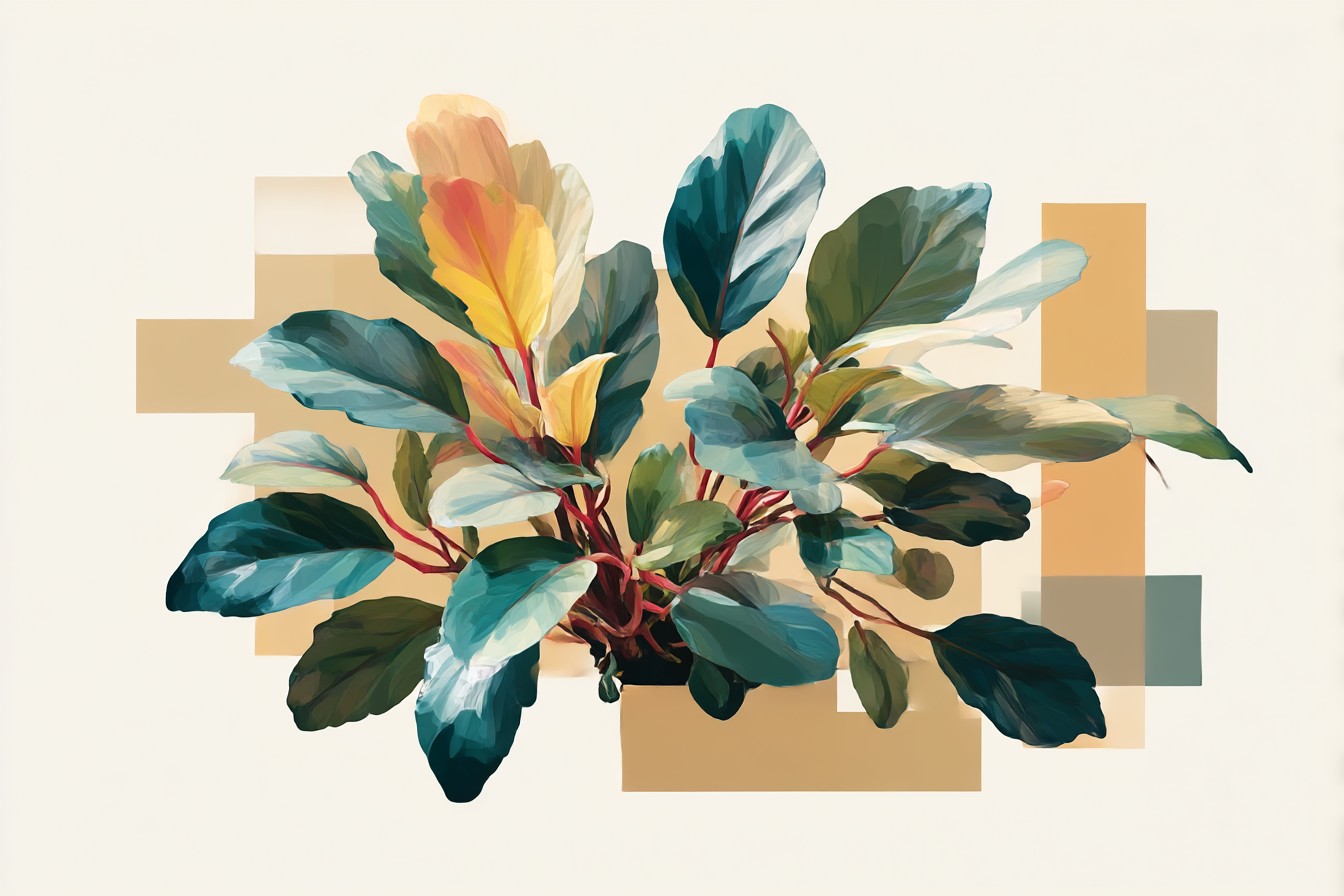
But the real appeal isn’t in the ease of care – it’s in the hunt. If you’re the type who enjoys having something genuinely unusual in your tank, something that sparks conversations and makes other hobbyists ask “what’s that one?”, then Bucephalandra delivers.
The variety within the genus means you can keep finding new forms that genuinely surprise you. The slow growth that puts some people off is actually perfect for small setups. In my 30-litre shrimp tank, a single piece of ‘Mini Coin’ has been providing exactly the right amount of green for two years without needing any management.
It’s not going to overgrow anything, it’s not going to need trimming, it’s just going to sit there being exactly what the scape needs. Is it worth the money? That depends entirely on what you value.
If you want fast results and dramatic changes, spend your money elsewhere. If you want something distinctive that will still look exactly how you planned it in a year’s time, and you don’t mind paying a premium for genuine rarity, then Bucephalandra makes sense. Just be warned – it’s harder to stop at one variety than you might expect.
See where this placed in our full ranking.


