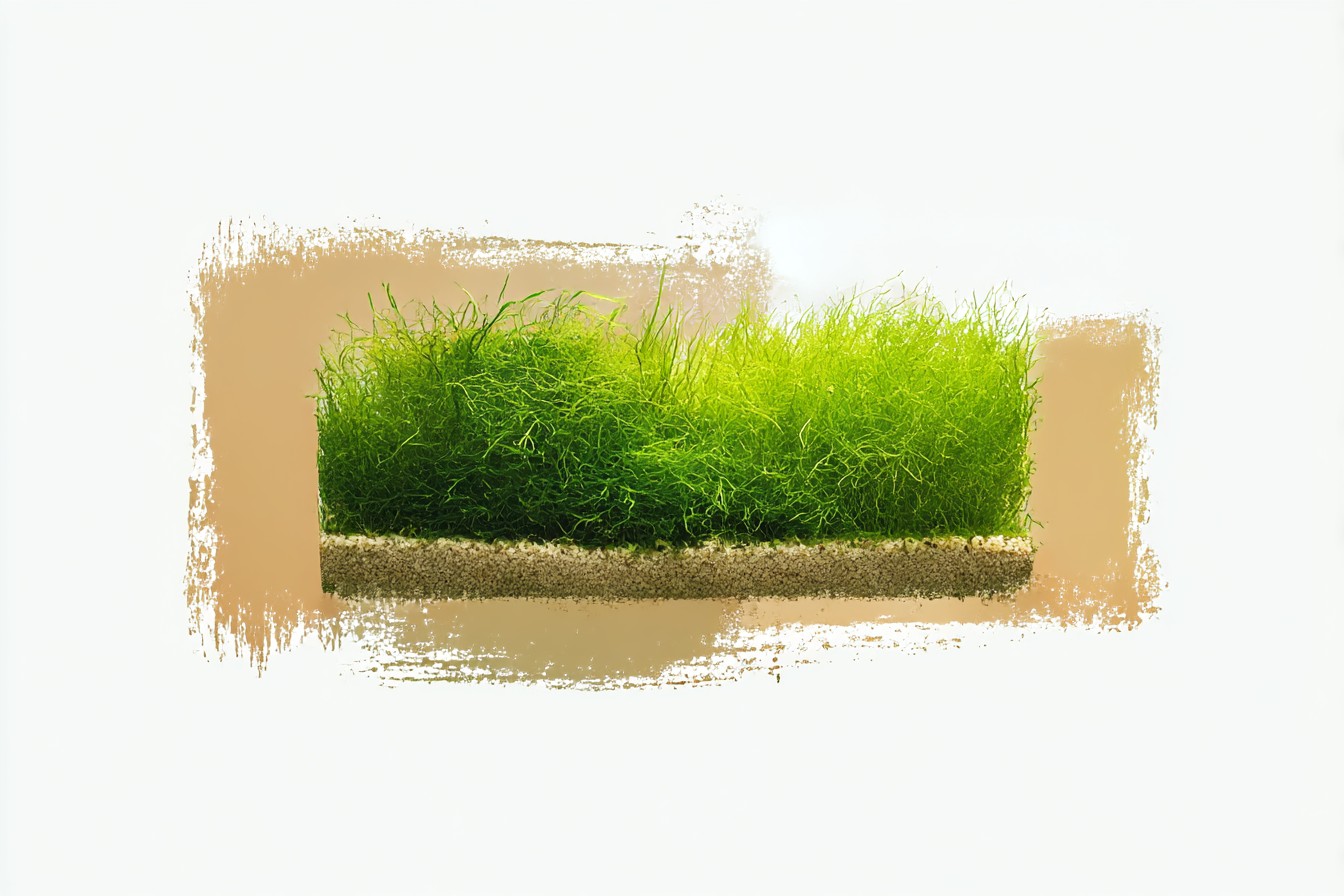
# Java Moss and Why Every Planted Tank Eventually Ends Up Covered in It I started keeping a small tub of java moss as backup material for my classroom tanks. Just a precaution, really, in case one of the prettier plants in the display tanks decided to melt and I needed something green and indestructible to fill the gap whilst teaching photosynthesis to Year 7. That was eighteen months ago.
Today I’ve got java moss in seven different tanks, covering three different pieces of driftwood, carpeting two filter intakes, and somehow threading itself through the gaps in my CO2 diffuser. I’m not entirely sure how it happened, but I’m not particularly bothered by it either. There’s something oddly satisfying about a plant that just gets on with the business of growing without asking for much in return.
Java moss isn’t glamorous. It doesn’t produce stunning red leaves or create dramatic focal points.
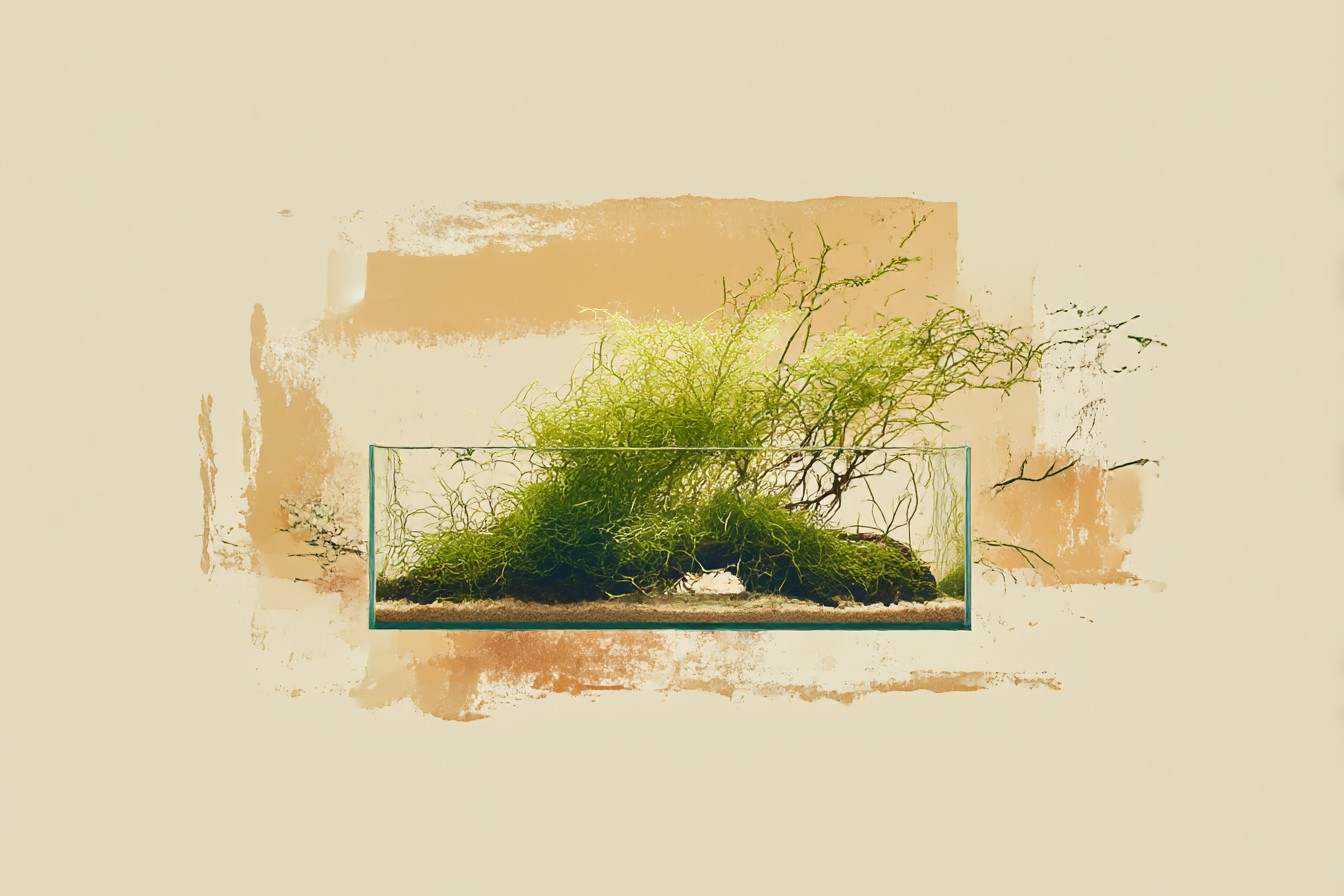
What it does is survive, spread, and quietly make every tank it touches a little bit more stable.
My students have watched it colonise surfaces they never expected to see plant growth on. I’ve watched it rescue tanks that should have crashed and provide hiding spots for fry that weren’t supposed to exist. If you’re keeping planted tanks for any length of time, you’ll end up with java moss whether you plan to or not.
The question isn’t whether it’s worth having – it’s whether you’re going to work with it or spend your time trying to keep it contained. ## Quick Reference | Care Level | Lighting Needs | CO2 Required | Growth Rate | Max Size | Our Rating | |————|—————|————–|————-|———-|————| | Beginner | Any | No | Moderate to Fast | Unlimited | 8/10 | ## Origins and How It Conquered the Hobby Java moss gets its common name from Java, Indonesia, where it was first collected for the aquarium trade, though its natural range extends across much of Southeast Asia (Wikipedia). The scientific name, Taxiphyllum barbieri, honours a botanist who clearly had no idea he’d be remembered for enabling the spread of what might be the most successful aquatic plant in the hobby. It entered European aquascaping in the 1960s and American tanks shortly afterwards, initially marketed as a specialist plant for breeding setups.
The logic was sound enough – moss provides excellent surface area for beneficial bacteria and creates perfect hiding spots for fry. What nobody quite anticipated was how readily it would establish itself in community tanks, low-tech setups, high-tech builds, and basically any container with water and some light. The plant’s success in captivity isn’t accidental.
In its native streams and rivers, java moss grows as an epiphyte, attaching to rocks, fallen logs, and any stable surface it can reach. It’s adapted to fluctuating water levels, varying light conditions, and the kind of environmental inconsistency that would stress most aquatic plants into oblivion. Those same adaptations make it nearly bulletproof in aquarium conditions.
It doesn’t need soil, doesn’t require specific water chemistry, and handles the temperature swings that happen in poorly heated tanks without missing a beat. By the 1980s, java moss had become standard equipment in fish rooms worldwide. It was cheap, reliable, and performed multiple functions simultaneously.
Breeders used it for spawning media, plant enthusiasts used it for textural contrast, and beginners used it because it was one of the few plants they couldn’t kill. What started as a specialist breeding plant had become the closest thing the hobby had to a universal plant. ## What Makes Java Moss Genuinely Special The first thing you notice about java moss isn’t its appearance – it’s how it behaves. Most aquatic plants grow up towards the light, creating vertical structure.
Java moss grows in every direction at once, creating a three-dimensional web that fills whatever space it’s given. Each strand branches repeatedly, creating an increasingly complex network that traps particles, hosts beneficial bacteria, and provides surface area for all the microscopic life that makes a tank ecosystem function properly. This growth pattern is what makes java moss genuinely useful rather than just decorative.
In a planted tank, it acts as a living filter media. Water flowing through a mature clump of java moss encounters an enormous surface area where beneficial bacteria can establish themselves. Organic waste gets trapped and processed.
Nitrates get absorbed. The moss essentially creates a biological filter that happens to be green and grows itself. I’ve seen tanks with significant fish loads remain stable with minimal filtration, largely because thick java moss growth was handling much of the biological processing.
The plant’s tolerance for different conditions is remarkable. It grows well in temperatures ranging from 59-86°F (15-30°C) (Aquamarine Power), with optimal growth occurring around 70-75°F (21-24°C) (AQUIFARM). The pH range it tolerates is equally broad – anywhere from 5.0-8.0 (Japanese Fighting Fish), though it grows best in slightly acidic to neutral water between 6.0-7.5 (Canton Aquatics Blog).
These aren’t narrow windows that require careful monitoring – they’re broad ranges that encompass most community tank conditions. Light requirements are similarly flexible. Java moss grows under everything from dim LED strips to intense planted tank lighting.
More light produces denser, faster growth, but the plant doesn’t sulk or melt when light levels drop. In my classroom tanks, the same species grows happily under basic fluorescent strips and under the full-spectrum planted tank lights I run at home. The main difference is growth rate and the density of the final mat.
What really sets java moss apart is how it propagates. Most aquatic plants require specific conditions to reproduce successfully. Java moss reproduces by fragmentation – any piece that breaks off can establish a new colony.
This means that routine maintenance automatically spreads the plant throughout the tank. Trimming java moss creates dozens of small fragments, each capable of growing into a new patch. Even tiny pieces stuck to equipment or decorations will establish themselves given time.
This reproductive strategy explains why java moss has such a reputation for taking over tanks. It’s not aggressive in the way that some stem plants are aggressive – it won’t outcompete other plants for nutrients or light. It’s persistent.
Every time you move a piece of hardscape, every time you replant something, every time you do maintenance, you’re potentially seeding new areas with java moss fragments. Over months and years, those fragments establish themselves, creating the characteristic java moss coverage that develops in mature planted tanks. The visual effect of established java moss is unlike other aquatic plants.
You Might Also Like
Where stem plants create clear vertical lines and carpet plants create horizontal surfaces, java moss creates soft, organic shapes that blur the hard edges of hardscape materials. It ages attractively, developing a weathered appearance that suggests natural water environments rather than carefully arranged aquascapes. Fish interact with it differently too – they move through it rather than around it, treating thick java moss more like natural cover than an obstacle. ## The Honest Problems You’ll Encounter Java moss’s greatest strength – its ability to establish itself anywhere – is also its most significant weakness in a managed aquascape.
It doesn’t respect boundaries. That carefully planned carpet of Monte Carlo you spent months establishing? Java moss will gradually thread itself through it.
Those clean lines where your hardscape meets your substrate? Java moss will soften them whether you want them softened or not. The plant’s growth pattern makes precise control difficult.
Unlike stem plants that grow from distinct points you can trim, java moss grows as an interconnected web. Removing sections often means tearing apart established colonies, and you’re never quite sure you’ve removed all the fragments. I’ve spent careful hours cleaning java moss off a piece of driftwood only to find new growth appearing from microscopic fragments I missed a month later.
In high-nutrient conditions, java moss can become genuinely problematic. Fed by excess fertilisation or high fish loads, it grows rapidly enough to outcompete more delicate plants. The thick mats it forms can trap debris and create anaerobic zones where organic matter decomposes poorly.
What started as an attractive accent can become a maintenance nightmare that requires regular aggressive trimming to keep under control. The plant’s appearance isn’t universally appealing either. Java moss never develops the crisp, manicured look that some aquascapers prefer.
Even when well-maintained, it has a slightly wild, unkempt quality that works in naturalistic aquascapes but clashes with minimalist designs. It collects debris easily, and removing trapped particles from thick java moss growth is tedious work that needs doing regularly. Algae problems with java moss are particularly frustrating.
BBA (black beard algae) attaches readily to java moss and is nearly impossible to remove without destroying the moss itself. Once established, algae-infected java moss often needs to be discarded entirely rather than treated. Given how easily java moss spreads, algae-infected patches can seed problems throughout a tank if not caught early.
The plant’s tolerance for poor conditions can work against you in established tanks. While other plants might signal problems by melting or showing deficiencies, java moss continues growing even when tank conditions deteriorate. This can mask developing issues that would be obvious with more sensitive plants.
I’ve seen tanks where java moss continued thriving whilst other plants slowly declined due to lighting problems or nutrient imbalances that the moss simply ignored. ## Why It Became the Hobby Standard Despite these limitations, java moss earned its reputation as essential planted tank equipment for good reasons. Its contribution to tank stability is measurable and significant. The massive surface area it provides hosts beneficial bacteria populations that process organic waste efficiently.
Fish loads that would overwhelm conventional filtration become manageable in tanks with established java moss colonies. The plant’s role in breeding programmes has kept it relevant across decades of hobby evolution. Egg-scattering species like tetras and barbs spawn readily into thick java moss, which provides ideal surface area for egg adhesion whilst protecting them from being eaten.
Livebearing fish use java moss colonies as nursery areas where fry can hide and feed on the microorganisms living within the moss structure. Even species that don’t specifically require java moss for breeding often show improved reproductive success in tanks where it’s present. For beginning planted tank keepers, java moss provides essential psychological benefits alongside its practical ones.
It’s nearly impossible to kill, which builds confidence in people who’ve struggled with previous plant failures. It grows visibly and consistently, providing positive feedback that encourages continued engagement with planted tank keeping. Many successful planted tank keepers trace their interest back to early success with java moss that convinced them plants weren’t impossibly difficult.
The plant’s adaptability has made it standard equipment in aquaculture operations worldwide. Fish farms use it for biological filtration, breeding substrate, and fry protection. Research facilities rely on it for maintaining stable water conditions in experimental setups.
Commercial breeders use it as a reliable spawning medium for species with specific reproductive requirements. This industrial-scale usage has kept java moss readily available and inexpensive, ensuring new hobbyists can access it easily. ## The Verdict Java moss isn’t the most beautiful aquatic plant, and it certainly isn’t the most controllable. What it is, though, is genuinely useful in ways that more glamorous plants simply aren’t.
It improves tank stability, provides essential habitat for fish reproduction, and gives beginning plant keepers a reliable starting point that builds rather than destroys confidence.

If you’re planning a precise, minimalist aquascape where every element has a defined role and clear boundaries, java moss probably isn’t for you. If you want a plant that will quietly contribute to tank function whilst providing natural-looking habitat for fish, java moss deserves serious consideration.
Just understand that once you introduce it, you’ll likely be managing it for the life of the tank rather than simply enjoying it. The plant’s reputation for taking over tanks isn’t exaggerated, but it’s not necessarily problematic either. Established java moss colonies create the kind of mature, complex environment that fish genuinely prefer to sterile display tanks.
The key is deciding early whether you want to work with java moss as part of your tank’s ecosystem or spend ongoing effort keeping it contained. Both approaches work, but the first one requires significantly less maintenance. For classroom use, java moss has proven indispensable.
Students can observe plant growth, animal behaviour, and ecosystem development in ways that simply aren’t possible with more delicate plants. The robust nature that makes it occasionally frustrating in display tanks makes it perfect for educational environments where reliability matters more than perfect aesthetics. See where this placed in our full ranking of essential aquarium plants.



[…] bulletproof once you understand what they need. The ranking reflects both discoveries. ## 1. Java Moss **Aquatic Moss | Beginner […]
[…] Use smaller quantities of everything and work more slowly. One Anubias or a small bunch of Java moss makes more proportional impact than in larger […]