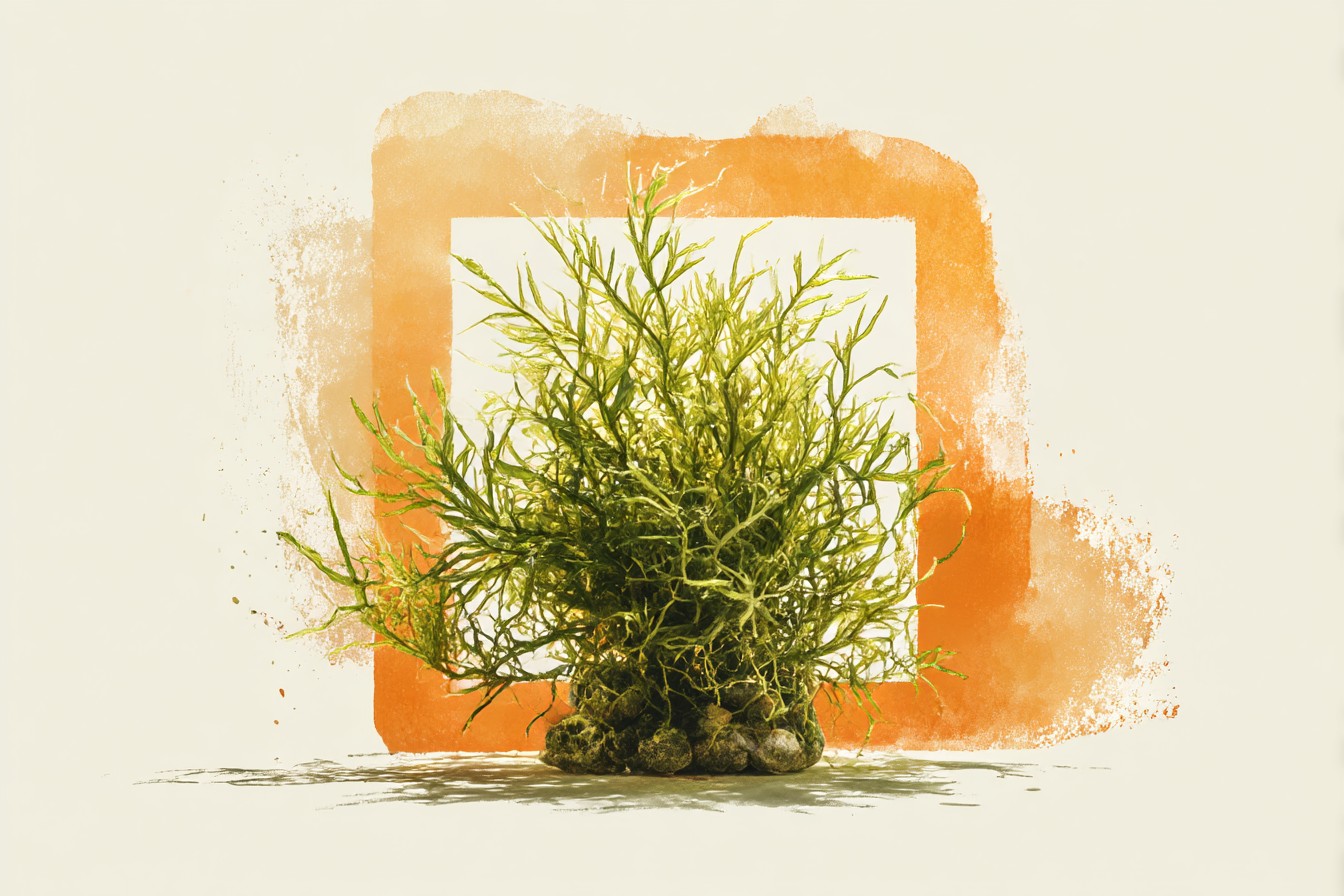
# Java Moss and the Plant That Grows in Almost Any Conditions You Give It I’ve killed plenty of plants in my time. Expensive stem plants that melted overnight, carpeting species that refused to carpet, and crypts that went through dramatic die-backs every time I looked at them sideways. But Java moss?
That’s the plant I use to teach my students that not everything in this hobby has to be complicated. I’ve had the same patch growing in my classroom tank for three years now, through a broken heater incident, a summer with no air conditioning, and the time a well-meaning substitute teacher decided to “help” by adding plant food. The moss didn’t care about any of it.
This isn’t the flashiest plant you can put in a tank, and it’s not going to create those Instagram-worthy carpets that get all the likes. What it will do is grow, reliably and predictably, in conditions that would stress out most other aquatic plants.
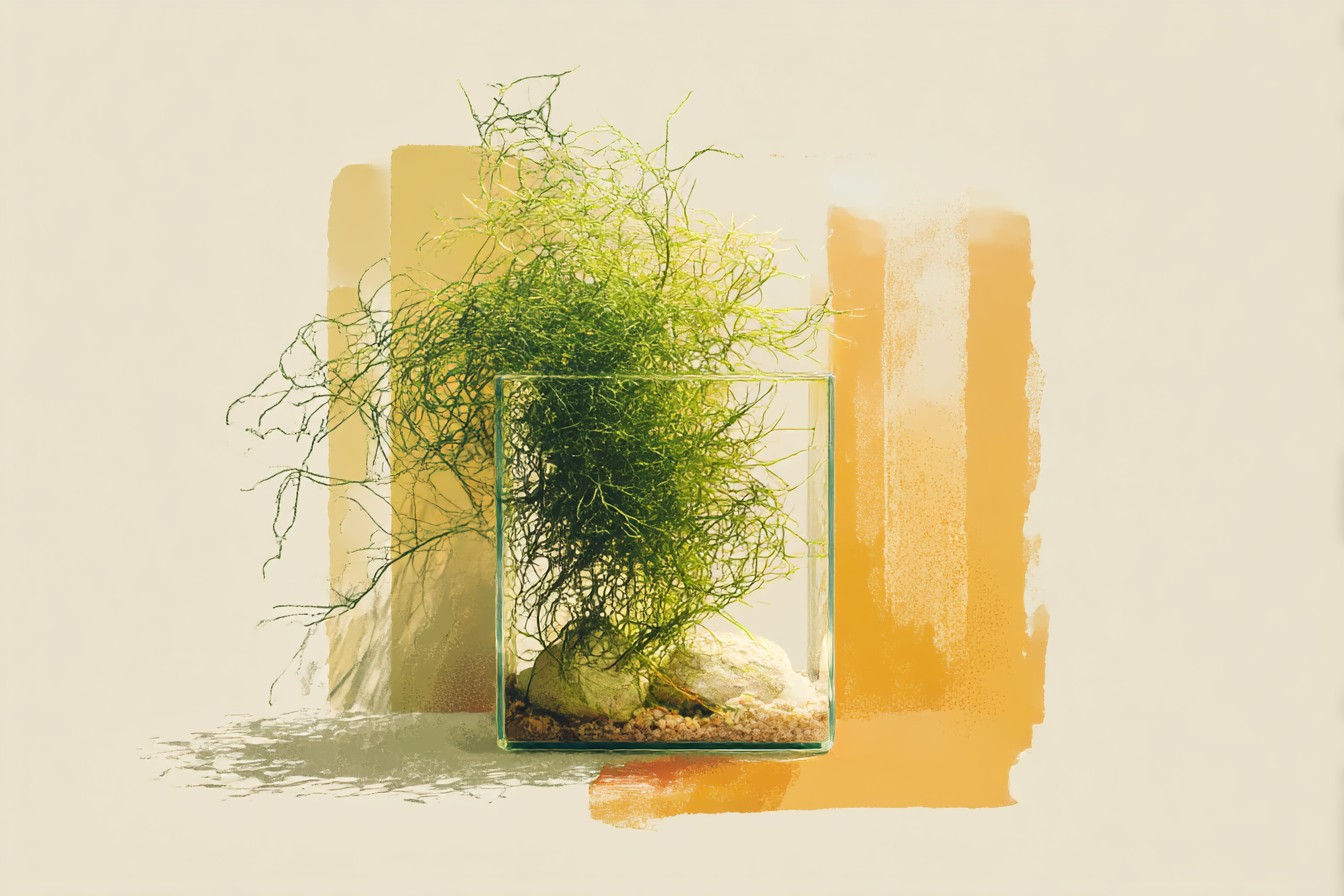
There’s a reason it shows up in tanks from beginners to competition aquascapers, and why every fish store seems to have a container of it growing somewhere in the back. | **Care Level** | **Lighting Needs** | **CO2 Required** | **Growth Rate** | **Max Size** | **Our Rating** | |—|—|—|—|—|—| | Beginner | Any | No | Moderate | Unlimited | 9/10 | ## The Moss That Conquered the Hobby Java moss carries the scientific name Taxiphyllum barbieri and belongs to the Hypnaceae family (Fishkeeping World).
It’s native to Southeast Asia with specimens recorded from Vietnam (Aquasabi), where it grows on rocks, tree roots, and pretty much anything else it can attach to in streams and rivers. The plant has had something of an identity crisis in the aquarium trade. For decades, it was sold under the name Vesicularia dubyana until scientists worked out in 1982 that most of what we were calling Java moss was actually this different species entirely (Bantam Earth).
The name stuck though, which is probably for the best since Taxiphyllum barbieri is quite the mouthful for a plant that most people just want to grow on a bit of driftwood. What brought Java moss into the aquarium hobby was exactly what makes it useful today. It’s practically indestructible, it grows without any special requirements, and it serves purposes that more expensive and demanding plants simply can’t match.
While other aquatic plants were being selected for their colours or leaf shapes, Java moss earned its place by being the plant that just works. The spread through the hobby happened naturally. One aquarist would have success with it, share a cutting with another, and suddenly it was in tanks across the country.
It’s one of those plants where asking “where did you get that?” is almost pointless because the answer is usually “from someone who had too much of it.” ## What Makes It Actually Special Java moss doesn’t have true roots, which sounds like it should be a disadvantage but turns out to be one of its greatest strengths (Fishkeeping World). Instead, it uses tiny structures called rhizoids to anchor itself to surfaces (Fishkeeping World). This means it can attach to literally anything in your tank.
Driftwood, rocks, filter intakes, even the glass if you let it. I’ve seen it growing happily on plastic decorations, ceramic ornaments, and the occasional snail shell. The growth pattern is what sets it apart from other aquatic plants.
Rather than sending down roots into substrate and growing upward like most plants, Java moss spreads outward from wherever you place it. Under typical conditions, it grows at a rate of 1 to 1.5 inches per month (The Shrimp Farm), which is fast enough to see progress but slow enough that you won’t be constantly trimming it back. The tolerance range is genuinely impressive.
This plant will grow in temperatures from 12 to 34C and pH from 5 to 8 (Aquasabi). That covers everything from an unheated goldfish tank to a tropical community setup, from soft acidic water to fairly hard alkaline conditions. I’ve never encountered another aquatic plant with that kind of flexibility.
Light requirements are where Java moss really shines, or rather where it grows regardless of whether it’s shining at all. It grows in all light conditions from low to high (Aquariadise). In my classroom, I’ve got it thriving under basic fluorescent tubes that are definitely not aquarium lights.
At home, it’s growing just as well under full spectrum LEDs. The main difference is that it grows more compact and dense under higher light intensities (The Shrimp Farm), which actually makes it more attractive if you’re going for a tidy appearance. Propagation couldn’t be simpler.
You literally cut a piece and place it elsewhere (Aquariadise). There’s no waiting for roots to develop, no special rooting hormone, no particular technique. Cut it, attach it to something if you want it to stay put, or just let it float until it decides to grab onto something.
Every piece you cut will grow into a full colony given time. This is also where Java moss becomes genuinely useful rather than just hardy. It provides hiding places for fish fry and breeding shrimp (Canton Aquatics) in a way that other plants simply can’t match.
The dense, fine structure creates perfect microhabitats for tiny creatures. I’ve watched baby fish disappear into a patch of Java moss and emerge weeks later as recognisable juveniles. For aquascaping, Java moss offers possibilities that other plants don’t.
You can create moss walls, moss trees, and cover entire pieces of hardscape (Oceanbitez). It’s one of the few plants that lets you add greenery to vertical surfaces or create the illusion of aged, moss-covered wood in a new setup. The Japanese style aquascapers figured this out years ago and it’s become a staple technique.
You Might Also Like
Most importantly for many hobbyists, Java moss doesn’t require CO2 injection or nutrient-rich substrate (Aquarium Plants Factory). This makes it accessible to anyone running a basic setup. While other plants demand specific fertiliser schedules and CO2 systems that cost more than some people’s entire tank setup, Java moss will grow happily in whatever conditions you can provide. ## The Honest Assessment Java moss isn’t perfect, and being honest about its limitations is important if you’re thinking about adding it to your tank.
The biggest issue is that it can be almost too successful. Once it gets established, it really gets established. Left unchecked, it will cover everything in your tank.
I’ve seen setups where Java moss has grown over filters, wrapped around heaters, and created such a dense mass that fish struggled to swim through it. Trimming is necessary, but it’s also where things get messy. When you cut Java moss, tiny fragments break off and float around the tank.
These fragments will settle somewhere and start new colonies whether you want them to or not. I’ve learned to do major Java moss trimming with the filter turned off and a fine net handy, but you’ll still find new patches growing in unexpected places weeks later. The appearance can be polarising.
Java moss has a distinctly wild, untamed look that doesn’t suit every aquascape style. If you’re going for clean lines and precise plant placement, Java moss might work against your vision rather than supporting it. It’s definitely more “natural stream bed” than “Dutch aquascape.” Cleaning can be frustrating.
Debris gets caught in the fine structure of the moss, and it’s almost impossible to remove completely. Dead leaves, bits of food, and general tank detritus will accumulate in established patches. The moss itself doesn’t seem to mind, but it can look unsightly and may contribute to water quality issues if it builds up too much.
Some fish species will uproot or damage Java moss through their natural behaviours. Cichlids that like to rearrange their territory, large plecos that rasp on everything, and bottom-dwelling fish that dig can all disrupt moss attachments. It will usually regrow, but you might find yourself constantly reattaching loose pieces.
There’s also the issue of quality variation. Java moss from different sources can look quite different, and not all of it is actually Taxiphyllum barbieri despite being sold under that name. Some suppliers offer moss that grows in different patterns or has different textures.
While this can be interesting, it also means you might not get exactly what you’re expecting. ## Legacy and Influence Java moss shaped how the hobby thinks about beginner plants and what’s actually possible in low-tech setups. Before Java moss became widely available, creating natural-looking planted tanks required either significant technical knowledge or expensive equipment. This plant proved that you could achieve attractive, functional planted tanks with basic equipment and minimal maintenance.
The shrimp-keeping community owes a particular debt to Java moss. Its complex structure provides ideal breeding and feeding grounds for freshwater shrimp species, and many successful shrimp colonies have been built around established Java moss colonies (Canton Aquatics). The plant’s ability to grow in the cooler temperatures preferred by many shrimp species made it an obvious choice for dedicated breeding setups.
In the aquascaping world, Java moss helped bridge the gap between high-tech planted tanks and more accessible setups. Competition aquascapers use it for texture and to create aged effects that would take years to develop naturally, while beginners use it to add plant life to tanks that couldn’t support more demanding species. The influence extends to how plants are propagated and shared within the hobby.
Java moss was probably the first aquatic plant that hobbyists regularly gave away rather than sold, simply because established colonies produce more than most people can use.
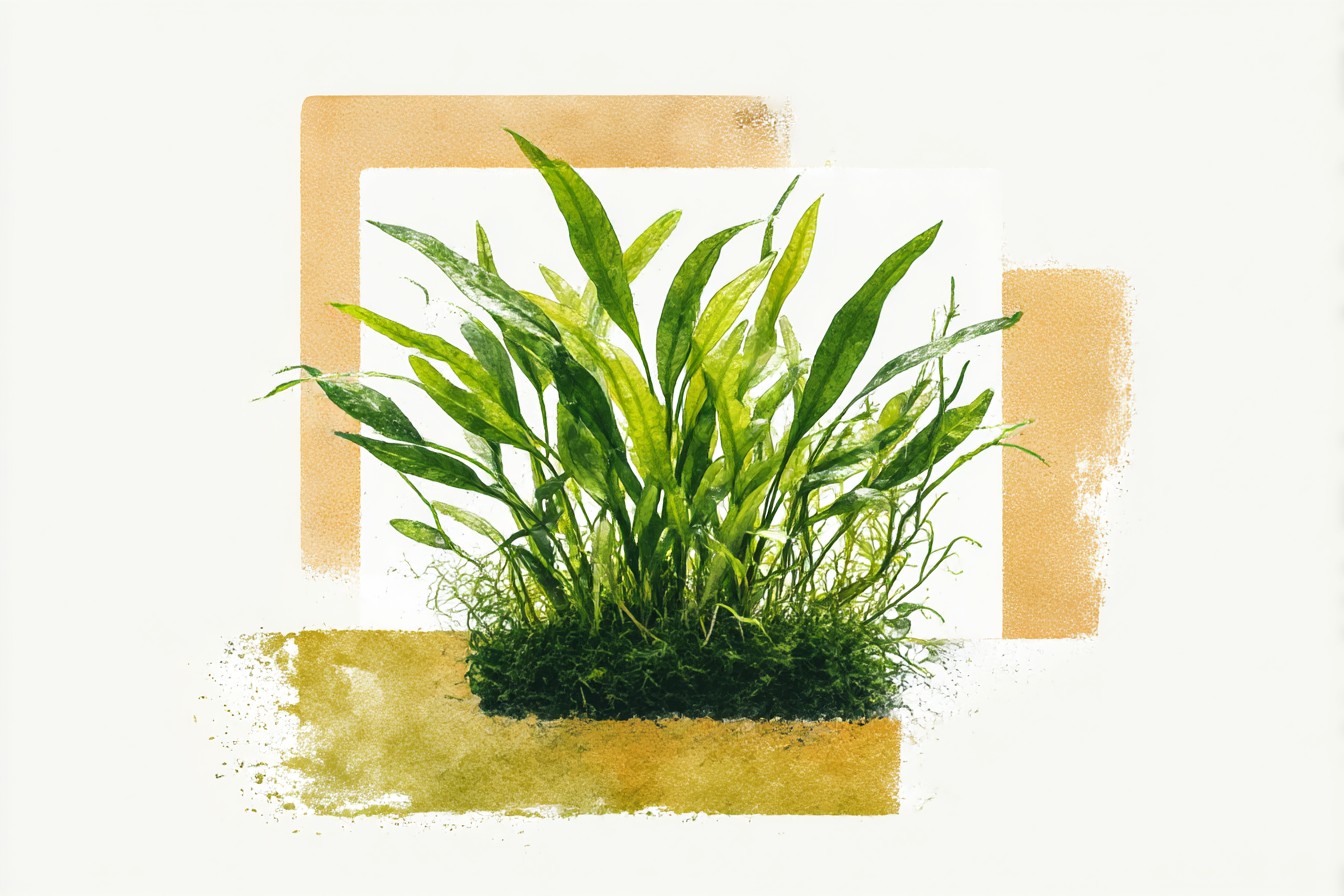
This created a culture of plant sharing that extends to other hardy species today. ## The Verdict Java moss earns its reputation as the plant that grows in almost any conditions because it actually does. I’ve seen it thrive in situations that would kill other aquatic plants, and I’ve watched complete beginners succeed with it when everything else they tried failed.
This isn’t the plant to choose if you want dramatic colours, precise growth patterns, or Instagram-worthy precision. It’s the plant to choose if you want something green and natural-looking that will actually grow in your tank without demanding expensive equipment or constant attention. For beginners, Java moss offers a genuine introduction to keeping live plants without the risk of expensive failures.
For experienced aquascapers, it provides texture and possibilities that other plants can’t match. For anyone keeping shrimp or breeding fish, it creates habitat that artificial decorations simply can’t replicate. The maintenance requirements are real but manageable.
You’ll need to trim it occasionally, and you’ll find it growing in places you didn’t put it. But in exchange, you get a plant that will thrive in almost any freshwater setup and serve functions that no artificial decoration can match. If you’re running a low-tech tank and want to add plant life, Java moss is probably the safest bet you can make.
See where this placed in our full ranking.


