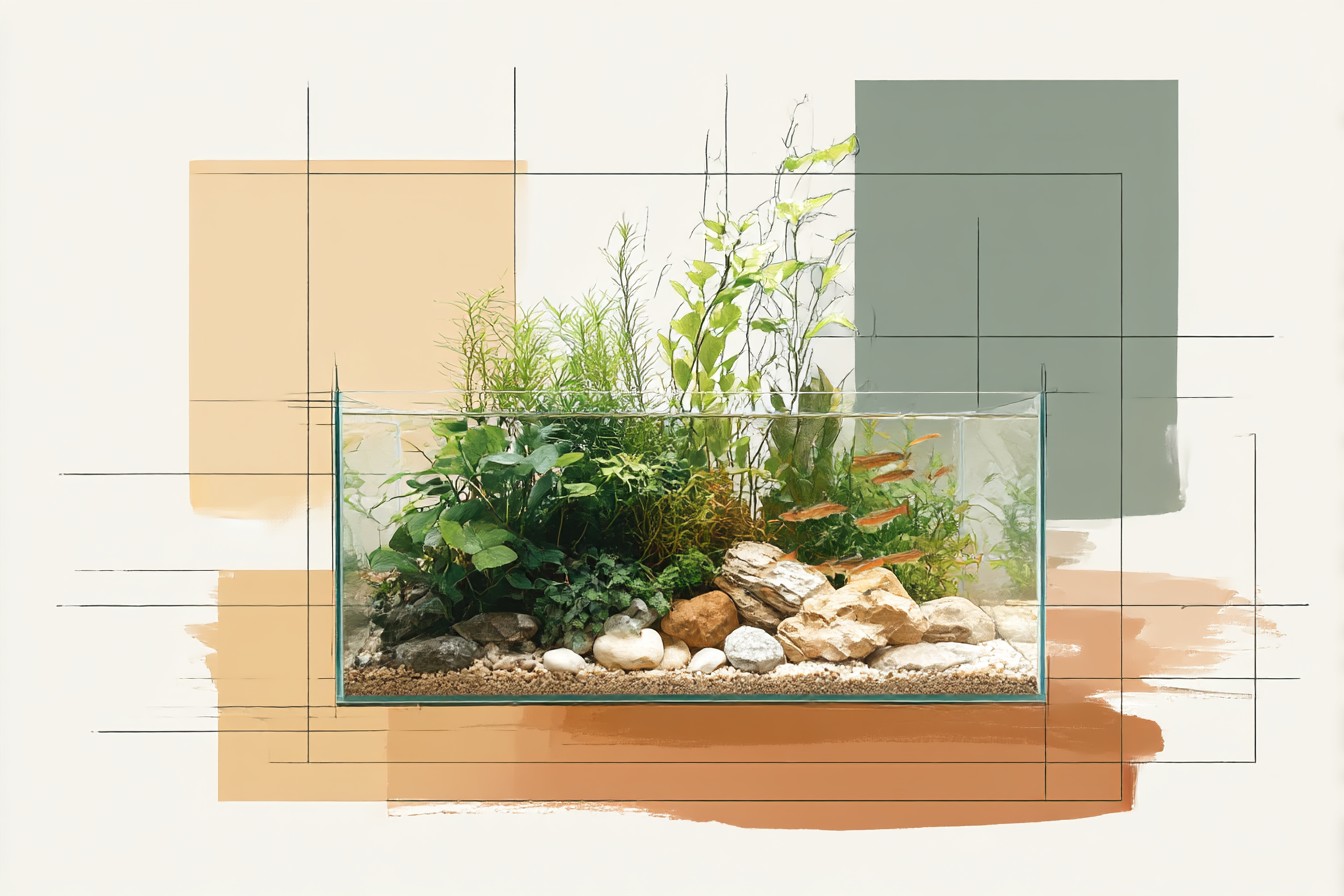
# How to Set Up a Planted Aquarium Step by Step for Complete Beginners If you’ve ever watched someone’s planted tank and wondered how they made it look so effortless, I can tell you that it wasn’t effortless at all. But it also wasn’t impossibly difficult. When I started my first planted tank, I wanted my kids to understand how ecosystems work and why living things need specific conditions to thrive.
What I didn’t realise was that I’d need to understand those conditions myself first. The difference between a planted tank that thrives and one that becomes a constant source of frustration usually comes down to understanding what’s actually happening in your tank rather than just following a checklist. Plants don’t just make your aquarium look better—they actively improve water quality, provide oxygen for your fish, and create a more stable environment.
But they also have specific needs that you’ll need to meet consistently. This isn’t about creating an Instagram-perfect aquascape on your first attempt.
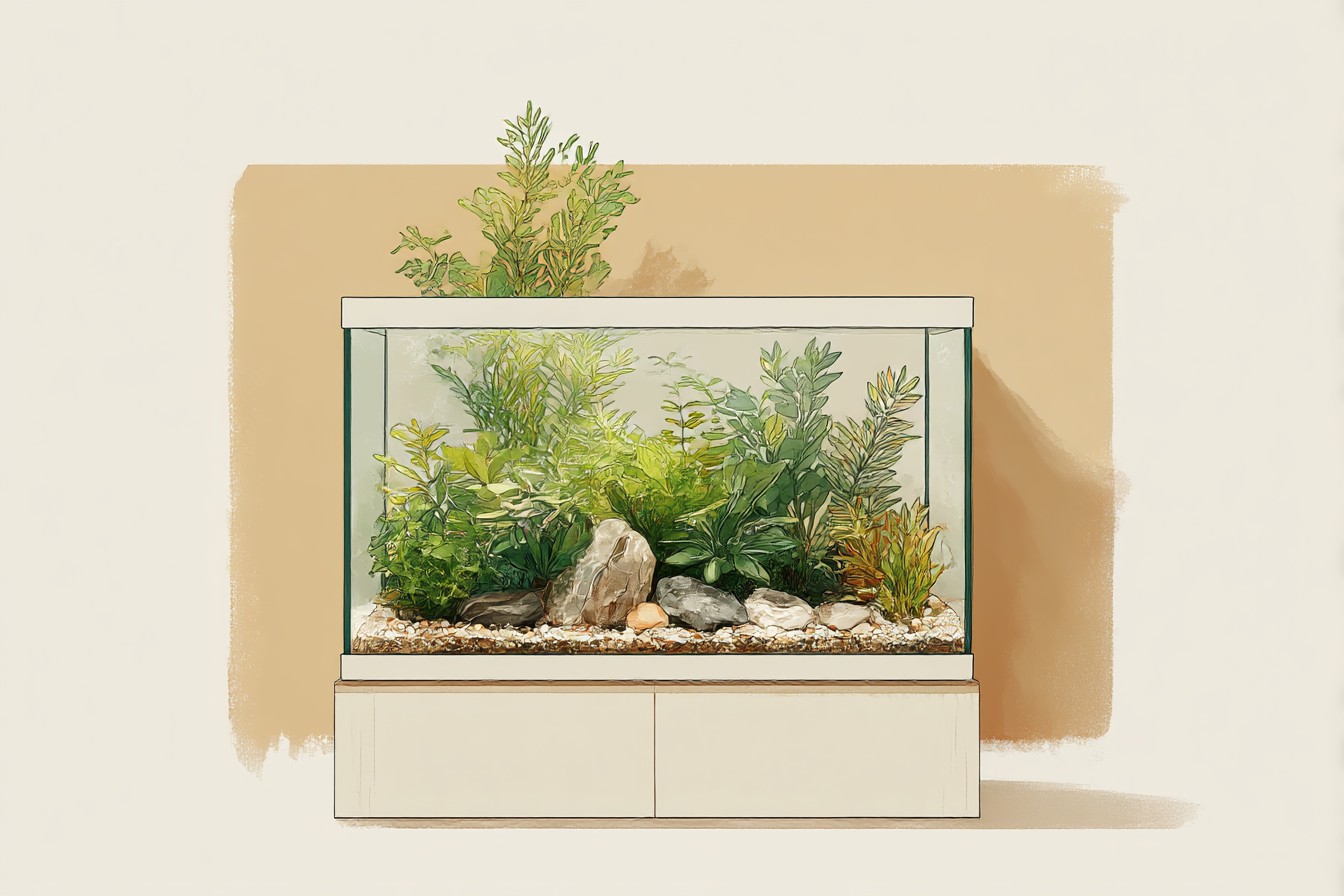
It’s about building a functional ecosystem that your fish will thrive in and that won’t drive you mad with constant problems.
I’m going to walk you through exactly how to do that, with realistic timelines, honest costs, and the kind of specific detail I wish someone had given me when I started. ## The Science Behind Planted Tank Stability **The Nitrogen Cycle Foundation** Every successful planted tank depends on the nitrogen cycle, but in a planted system, this process works differently than in a fish-only setup. During planted cycling, you need to keep ammonia around 2 ppm because plants consume ammonia (Aquarium Genius). This means your cycling process becomes a balancing act between establishing beneficial bacteria and feeding your plants.
The nitrogen cycle establishment typically takes 4-6 weeks (Fish Keepers Guide), but with plants present, the timeline can vary significantly. Plants consume ammonia directly, which can slow bacterial colonisation but also provides an immediate buffer against toxic spikes. **Light, CO2, and Nutrient Balance** Low light plants commonly target 20-40 μmol m²/s PAR range (The Aquarium Expert), which is perfect for beginners because it reduces algae pressure while still supporting healthy plant growth. The key insight is that photoperiod guidance commonly targets 6-8 hours for planted tanks to manage algae (Aquascaping Academy).
For CO2, the target reference for planted tanks is often cited around 30 ppm (Charterhouse Aquatics), but here’s what’s crucial for beginners: beginner low tech planted tanks can be run with no CO2 injection (DBC Aquatics). This dramatically simplifies your setup and reduces both complexity and cost. **Water Chemistry Essentials** Your tap water contains disinfectants that will kill the beneficial bacteria your tank depends on. Dechlorination is needed because chlorine can kill beneficial bacteria; EPA notes disinfectants like chlorine are used in municipal water supplies (US EPA).
This makes water conditioning absolutely essential, not optional. ## Low-Tech Planted Tank Setup Strategy **Choosing Your Tank Size and Equipment** Start with at least a 60-litre tank if possible. Smaller tanks are actually harder to maintain because water parameters swing more dramatically with any change. For your first planted tank, stability matters more than saving space.
Your essential equipment list looks like this: – Tank with lid or cover glass – Filter rated for 1.5x your tank volume – LED light suitable for low-light plants – Heater rated for your tank size – Substrate suitable for planted tanks – Water conditioner – Basic test kit for ammonia, nitrite, nitrate, and pH **Lighting for Low-Tech Success** Most beginner failures happen because people either provide too much light (causing algae) or inconsistent lighting schedules. Using an aquarium lighting calculator can help you plan both intensity and photoperiod properly. When issues occur, all-in-one photoperiod planners suggest reducing intensity 10-20% (Aquifarm).
Set your light on a timer from day one. Consistency matters more than intensity for plant health. Start with 6 hours daily and only increase if your plants show signs they need more light—elongated growth, pale colouration, or leaves dropping. **Substrate and Hardscape Planning** Your substrate needs to support plant roots while maintaining water chemistry stability.
Avoid soils or substrates that dramatically alter pH unless you understand exactly how this will affect your chosen plants and fish. Place your hardscape—rocks, wood, or decorations—before adding water. This gives you time to adjust the layout without stirring up substrate or stressing established plants later.
Think about maintenance access when positioning decorations. You’ll need to reach every corner of your tank for trimming and cleaning. **Plant Selection for Beginners** Choose plants based on your lighting and maintenance preferences, not just appearance. Low tech success strategies focus on selecting plants that match your setup rather than trying to force difficult plants to work in suboptimal conditions (2Hr Aquarist).
Reliable beginner plants include Java fern, Anubias species, Amazon sword, Vallisneria, and Java moss. These plants tolerate parameter fluctuations, don’t require CO2 injection, and grow steadily under moderate lighting. ## Common Setup Mistakes That Cause Problems
Mistake #1: Adding fish too early. The nitrogen cycle takes 4-6 weeks to establish, and adding fish before your tank can process their waste leads to ammonia spikes that stress or kill fish. Even with plants consuming some ammonia, you need established bacterial colonies to handle fish waste consistently.
Wait until ammonia and nitrite test at zero consistently for at least a week.
You Might Also Like
Mistake #2: Too much light too soon. New tank syndrome often includes algae blooms because people provide full lighting intensity immediately. Your plants need time to establish root systems and begin consuming nutrients effectively. Start with 4-5 hours of lighting daily and increase gradually as plants show healthy growth.
Mistake #3: Overfeeding during the establishment phase. Excess food decomposes and spikes ammonia levels before your biological filtration can handle it.
Feed very lightly during the first month, even if fish seem hungry. Your tank’s ability to process waste is still developing.
Mistake #4: Changing too many things at once. When problems arise—and they will—resist the urge to adjust lighting, add fertilisers, change filtration, and reposition plants all in the same week. Change one variable at a time and give it at least two weeks to show results before making additional adjustments.
Mistake #5: Ignoring water parameters during cycling. Test your water every few days during the first six weeks.
Understanding what’s happening chemically in your tank prevents small issues from becoming tank crashes. Parameters will fluctuate significantly during establishment—this is normal, but you need to monitor it.
## Research-Based Plant Care Fundamentals Multiple studies on planted aquarium management show that consistent environmental conditions produce better plant health and less algae than attempts to optimise individual parameters. The research consistently demonstrates that moderate, stable conditions outperform extreme conditions that require constant adjustment.
Nitrogen availability affects plant growth more than most other single factors in low-tech setups. Plants grown in tanks with established nitrogen cycles show significantly better root development and leaf production than those in newly set up systems. This reinforces why patience during the cycling phase produces better long-term results.
Studies of photoperiod management show that gradually increasing light duration produces less algae growth than starting with full intensity immediately.
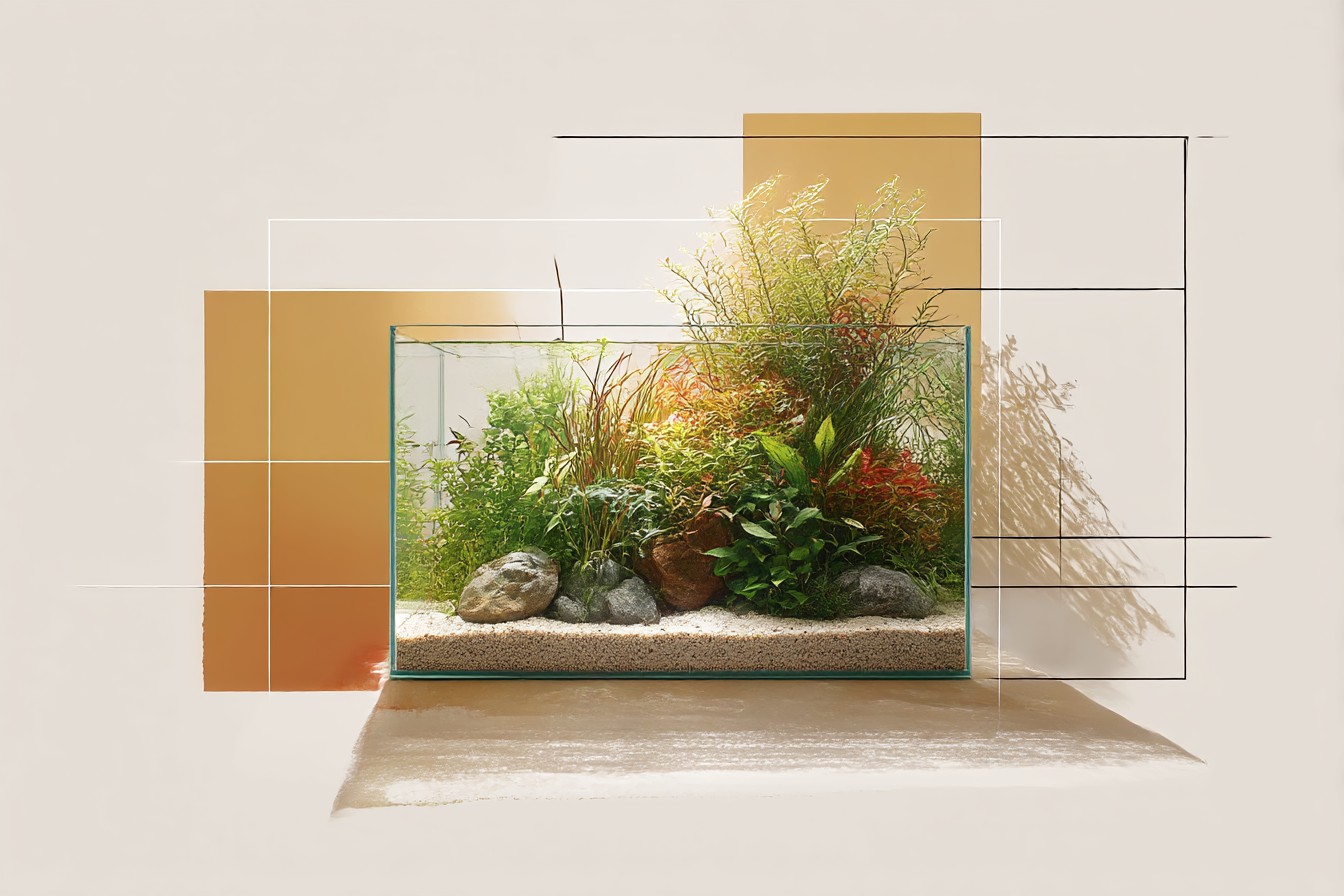
The biological processes that allow plants to utilise light effectively take weeks to develop fully. ## Adapting Setup Principles to Different Situations **Nano Tanks (Under 40 Litres):** Reduce plant density and choose slower-growing species. Water parameters change more quickly, so test more frequently and perform smaller, more frequent water changes. **Community Fish Tanks:** Select plants that can handle moderate fish activity and won’t be damaged by digging or nibbling.
Avoid delicate carpet plants if you’re keeping larger fish that disturb substrate. **Hard Water Areas:** Many common aquatic plants struggle in very hard water. Research your local water hardness and choose plants known to thrive in similar conditions, or consider using RO water with remineralisation. **Cold Water Setups:** Tropical plants won’t thrive in unheated tanks. Choose temperate species like Vallisneria or consider heating if you want standard tropical aquatic plants. **Budget-Conscious Builds:** Start with the minimum viable setup—basic LED lighting, simple filtration, hardy plants.
You can upgrade components gradually as the tank establishes and you understand what improvements would provide the most benefit. ## Key Benefits of Proper Planted Tank Setup **Stable Water Chemistry:** Established plants consume ammonia and nitrates continuously, reducing parameter swings that stress fish. This stabilisation typically becomes noticeable within 6-8 weeks of proper setup. **Reduced Maintenance Burden:** Well-planned planted tanks require less frequent water changes and parameter correction than fish-only systems. The plants handle much of the biological filtration workload. **Natural Fish Behaviour:** Plants provide shelter, territory markers, and breeding sites that encourage natural behaviours in fish.
Many species show improved colouration and reduced stress in planted environments. **Algae Control:** Healthy plants outcompete algae for nutrients when given appropriate light and growing conditions. This prevents the algae problems that plague many beginner tanks. **Educational Value:** A functioning planted ecosystem demonstrates nutrient cycling, plant biology, and ecological relationships in ways that engage both children and adults. **Long-term Satisfaction:** Tanks that establish properly provide years of enjoyment with relatively modest ongoing maintenance requirements. ## Step-by-Step Implementation Guide **Phase 1: Planning and Equipment (Week 1)** – Research your local water parameters through your water company – Purchase tank, filter, heater, lighting, and substrate – Plan your plant list based on low-tech requirements – Set up tank location with access to power and water **Budget Breakdown:** * 60-litre tank with basic equipment: £80-120 * LED lighting suitable for plants: £40-70 * Planted tank substrate: £15-25 * Water conditioner and test kit: £20-30 **Total Budget: £155-245** **Phase 2: Initial Setup (Week 2)** – Install substrate and hardscape – Fill tank and add dechlorinated water – Install and run filter and heater – Begin fishless cycling with ammonia source – Test water parameters every 2-3 days **Phase 3: Plant Introduction (Week 3-4)** – Add plants once ammonia processing begins – Start lighting schedule at 4-5 hours daily – Monitor plant adaptation and parameter changes – Continue testing ammonia, nitrite, nitrate **Phase 4: System Stabilisation (Week 5-8)** – Gradually increase lighting to target 6-8 hours – Add fish only when ammonia and nitrite read zero consistently – Begin regular maintenance routine – Fine-tune feeding and lighting based on plant and fish response **Phase 5: Long-term Management (Month 3+)** – Establish trimming and fertilisation schedule – Monitor for algae issues and adjust parameters as needed – Plan any equipment upgrades based on actual results This process requires patience, but it produces tanks that remain stable and enjoyable for years. The alternative—rushing through setup—usually results in months of problem-solving that could have been avoided with proper initial planning.
For more comprehensive coverage of planted tank fundamentals, our complete guide to planted aquarium basics covers the broader principles behind successful planted tank management.


