One of the first questions I had when I started getting serious about marine aquariums was “what can I grow”? After years of successfully keeping “okay” freshwater plants, I wanted to bring that aspect of the hobby to saltwater. Seems simple enough.
The answer is… well, it’s complicated. First of all, the plants that you can keep in marine tanks do not operate by the same rules as your freshwater swords and crypts. Most of what’s sold in LFS under “marine aquarium plants” are not actually plants at all.
The good news? If you know what you’re doing, you can still grow things in your saltwater tank.
Plants just happen to be the challenging/expensive/rare option.
Here’s what you need to know. ## Macroalgae vs Marine Plants There are two types of plants available for marine aquariums. True marine plants, and macroalgae. Macroalgae are not plants at all but large algae that generally look green and leafy like terrestrial plants do.
The terminology can be confusing, so let’s make this clear: **Marine Plants** are incredibly hard to keep alive in captivity. Technically called seagrasses, these plants are the real deal. They have roots, stems and leaves just like your garden flowers.
They require substrate to grow in and VERY specific lighting, nutrient, and water flow requirements that most reef tanks can’t provide. There are only three common species of marine aquarium seagrass: turtle grass, shoal grass, and Johnson’s seagrass. If you see these for sale at your LFS, inquire about water movement, lighting levels, and depth of sand bed they need to survive.
There are ways to keep seagrasses in captivity, but they’re mostly limited to public aquaria and very large home systems because the requirements are so specialised. **Macroalgae**, on the other hand, are not true plants butMacroalgae are the types of “plants” you’ll mostly see for sale at your local fish store. Macro means “big”, and algae are a completely different type of organism than plants. Macroalgae do amazing in most marine tanks because they can thrive under the low-nutrient conditions we keep our reefs at.
However, they still require certain lighting levels and some species need specific water flow to avoid tissue damage. The most common macroalgae for sale are chaetomorpha, gracilaria, ulva, and halimeda. Macroalgae vs Marine Plants basically grows like an animal would in your tank.
They absorb all the nutrients they need from the water column through their entire surface area. This means they can live anchored to rocks, floating freely, or even stuffed into filter socks. The benefit to macroalgae over true marine plants is availability and sustainability.
You will find many, many more options for macroalgae from commercial suppliers than you will for marine plants (BuildYourAquarium). And while you will eventually kill a macroalgae if you don’t meet its basic needs, they’re much easier to grow than marine seagrasses. If you’ve ever heard of “turbo algae”, that’s macroalgae.
It’s a common hitchhiker in live rock and nearly always outcompetes aquarium plants for resources. ## Salinity and Marine Plants Because these “plants” aren’t aquatic in their native environments they all require full marine conditions. Salinity of 35 ppt or sg 1.026 (Aquifarm). This is identical to what your typical reef tank will be run at.
There are some marine plants that can survive in brackish conditions. Mangrove shoots are the easiest macrophyte that falls into this category. They grow in brackish water in the wild so they can adapt to less saline conditions.
These still won’t do well in freshwater conditions, but they’re more forgiving of swings in salinity than true marine plants/seagrasses. The saltwater aquarium hobby does have access to freshwater plants. Purchasing from local aquatic hobbyists is the best way to source interesting freshwater plants for your tanks.
Always quarantine new plant arrivals to cheque for pests. Ideal Brackish Water Aquarium Conditions vary by ecosystem, but most brackish fish tanks run between 1.005 – 1.015 specific gravity. Specific gravity is the term we use in the aquarium industry to discuss salinity.
You can achieve this salinity by using fish tank salt mix or real ocean salt. Read our full guide to saltwater aquarium setup if you need help getting started with marine tanks. Brackish water aquarium specific gravity translates to 7-20 ppt salinity.
An aquarium that’s 1.010 specific gravity has about 10 parts per tablespoon of salt. There’s overlap between freshwater and brackish plants that can live in either environment. Mangroves are the most commonly known example of marine plants that can grow in brackish conditions.
That also means you can keep brackish fish with brackish plants. Fish that don’t do well in full freshwater or full marine setups sometimes do great in brackish. Things like scats, monos, and some puffers. ## Getting Marine Plants in Your Tank If you’ve read this far you’re probably sold on the idea of marine macroalgae.
Here’s some tips to getting started. ### Start with Macroalgae It seems obvious, but most people who want marine plants in their tanks want “real plants”. Hear me out on why macroalgae makes the most sense. Buy Chaeto.
Chaetomorpha is the hardiest macroalgae you can get. It grows quickly, eats up nutrients like a sponge, and doesn’t require intense lighting or particular water movement. Chaetomorpha grows so well you can literally dump it in a bucket with light and fish food and it will thrive.
If you want to keep macroalgae, you should strongly consider getting a refugium. Refugiums are basically additional tanks or compartments where you can grow macroalgae under different lighting parameters than your display tank. Refugiums allow you to get a lot of the benefits of macroalgae without subjecting your corals to the same competition.
This is not to say you can’t keep macroalgae in your display tank if you don’t have a refugium. Plenty of people do, but it’s a little more advanced than just chucking some chaeto in the tank. Choose macroalgae that match your aesthetic and experience level.
You Might Also Like
While chaetomorpha is probably the most beginner-friendly macroalgae you can get, it’s not the most attractive looking. Gracilaria is a much slower growing macroalgae that comes in many colours and strains. Many fish love to nibble on gracilaria, which helps control growth if you’re limited on space. ### Lighting Macroalgae require strong lighting, but not necessarily the type of lighting your corals will enjoy.
Many reef keepers use refugium lights completely separate from their aquarium lighting. Refugiums are run on opposite schedules from your display tank. This helps regulate pH in the tank by providing around the clock photosynthesis.
For display tanks, you’ll still need to provide enough PAR for the macroalgae you add. Most marine macroalgae will need intense LED lights that let you adjust spectrum. Fluorescent bulbs can be used in some instances, but LEDs reign supreme for macroalgae and displays because you can dial in the spectrum to what works best for photosynthesis. ### No substrate?
No problem! Unless you’re goona attempt to keep marine plants/seagrasses, you don’t need to buy special substrate for algae. Macroalgae can grow freely in the water column, tied to rocks, or stuffed into filter socks.
This also makes macroalgae perfect for biowheel filter media where they can colonize the filter discs and provide extra biological filtration. The type of water movement you’ll want will depend on species of algae. Chaeto loves movement that gently tumbles the algae around.
Too little flow and the algae won’t thrive. Too much flow and it will tear the algae apart. Something similar can be said for gracilaria, which prefers moderate flow to help keep nutrients moving across the surface.
Avoid these 5 Common Mistakes & Kill Outs! 1. Treating macroalgae like freshwater plants.
People try to plant chaeto in sand beds, use root fertilizers, etc. Macroalgae do not have roots so they take everything they need from the water column. Adding substrates and fertilizers meant for plants won’t help your macroalgae and can cause nutrient imbalances that fuel hair algae growth.
2. Assuming marine plants are as easy as freshwater. Marine plants care MUCH more difficult to keep than freshwater aquarium plants.
Seagrasses need deep sand beds, very particular flow, and higher nutrient levels than what your average reef tank can support. People buy them thinking they can just throw them in their aquarium like Amazon sword would, and die a few weeks later when the plant needs nutrients the coral doesn’t like. 3.
Having the same light schedule for macroalgae as your display. Many people run their refugium lights at the same time as their display tank lights. This defeats the purpose of a refugium harvesting carbon dioxide overnight and provides too much light overall when you factor in your display lighting.
Macroalgae need around 12 hours of light per day. You can accomplish that by running your lights opposite your display. 4.
Not being precise with your salinity. Marine plants and macroalgae are nowhere near as hardy as freshwater fish and plants. A tiny swing in salinity that wouldn’t even register to you can kill a marine plant.
Always use a refractometer instead of a hydrometer. Don’t guess-timate your salinity. Be precise or don’t attempt marine plants.
5. Not quarantining new plants. Just because it’s a plant and doesn’t breathe oxygen doesn’t mean they can’t host pests.
Many marine plants come bundled with pest algae, dwarf fan worms, and coral frags that can easily spread to your main display. Spend the extra week quarantining new plants before introducing them to make sure they don’t have hitchhikers. ## Research Justification There are fewer true marine plant species available in the aquarium trade because there simply are not that many marine plant species. Less than 60 species of marine plants exist compared to over 3,000 freshwater aquatic plants (Aquanswers).
Marine plants also are far more difficult to cultivate in captivity than freshwater aquarium plants. The marine aquarium trade compensates for this lack of availability with marine algae.
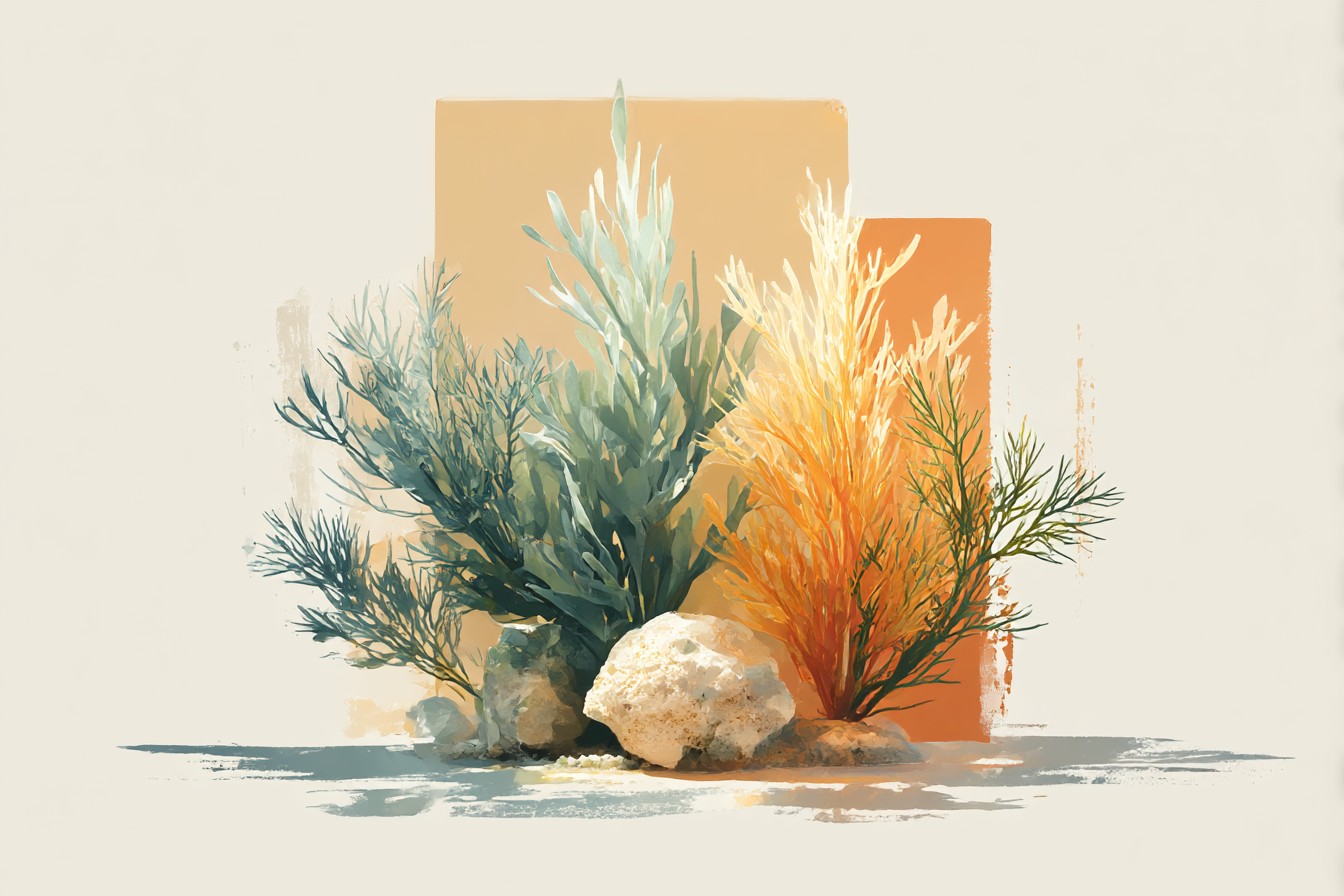
Commercial suppliers list twice as many algae species as marine plants/grasses (BuyYourAquarium).
Macroalgae also have far higher survival rates for beginning hobbyists than true marine plants or seagrasses. Salinity levels affect marine plants and algae just as much as marine fish. Natural reef conditions stay pretty close to 35 ppt salinity due to the vastness of the ocean and dilution effects (AquariumBreeder).
Home aquariums have more variance in water parameters due to evaporation and water changes. Marine algae are generally more forgiving of fluctuating salinity levels than marine plants. This makes macroalgae a more beginner-friendly option for hobbyists that want to grow something in their tank. ## Final Thoughts Growing marine plants truly are rewarding additions to any saltwater aquarium.
They can provide biological filtration, natural foraging opportunities for fish, and enhance the look of your aquarium. This doesn’t mean you should throw freshwater swords in your reef though. Saltwater plants thrive under very different parameters than freshwater plants do.
You’ll know a lot more after reading this article, but don’t be afraid to do some species-specific research whenever you add something new to your tank. Learn what makes each plant or algae unique and how to create the ideal environment and you’ll be growing marine macrophytes in no time.