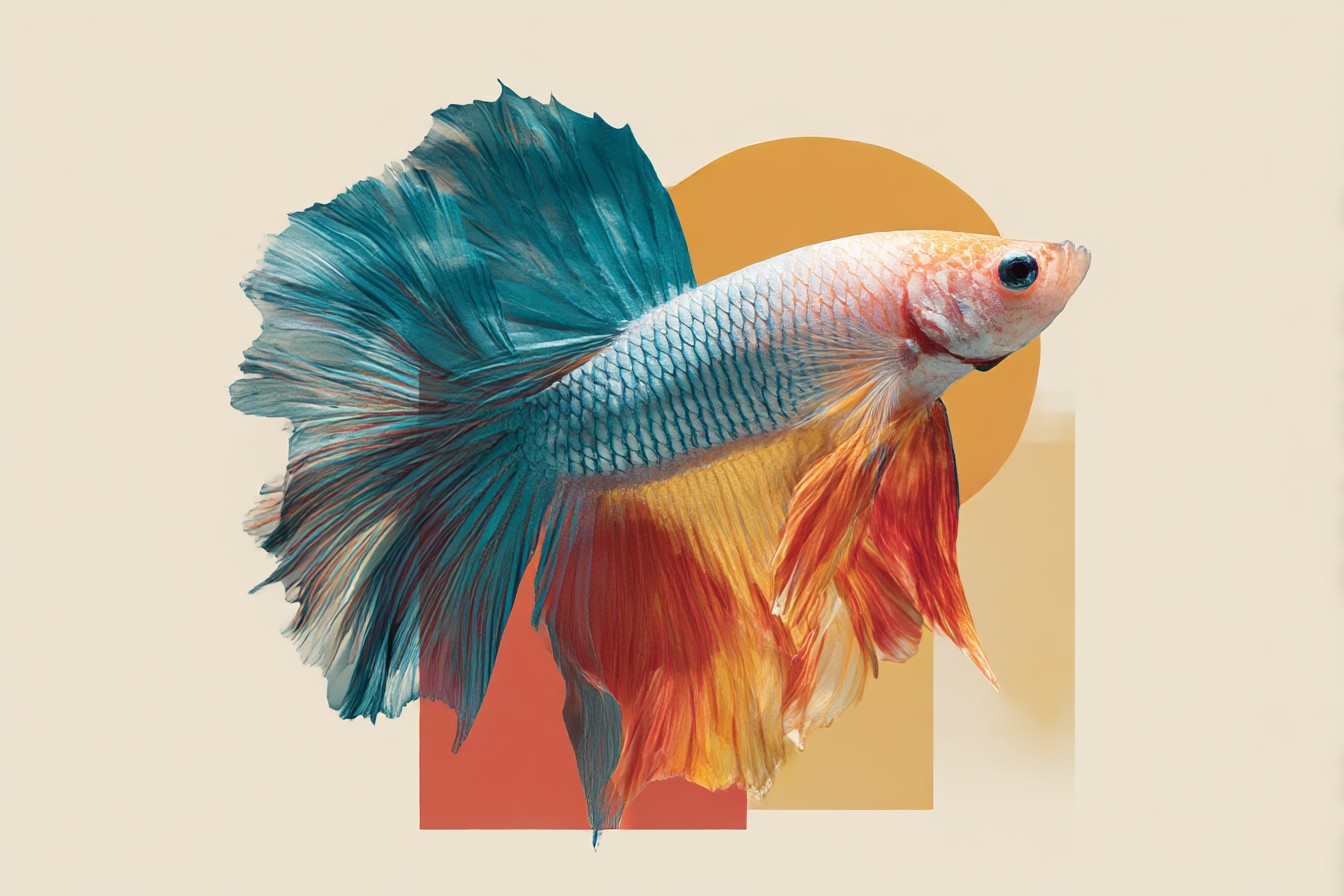
# Betta Planted Aquarium and What Your Fighter Fish Actually Wants Walk into any pet shop and you’ll see rows of tiny cups with bettas sitting motionless at the bottom. Most people assume that’s how bettas live – cramped, still, barely moving. They buy a one-gallon bowl, maybe add a plastic plant, and wonder why their fish dies within a month.
The thing is, those cups aren’t homes. They’re temporary transport containers, and they tell you nothing about what bettas actually need to thrive. I spent my first year keeping bettas wrong.
Dead fish taught me more than any care guide did. The moment I shifted from thinking about bettas as decorative objects to understanding them as tropical fish with specific biological needs, everything changed.
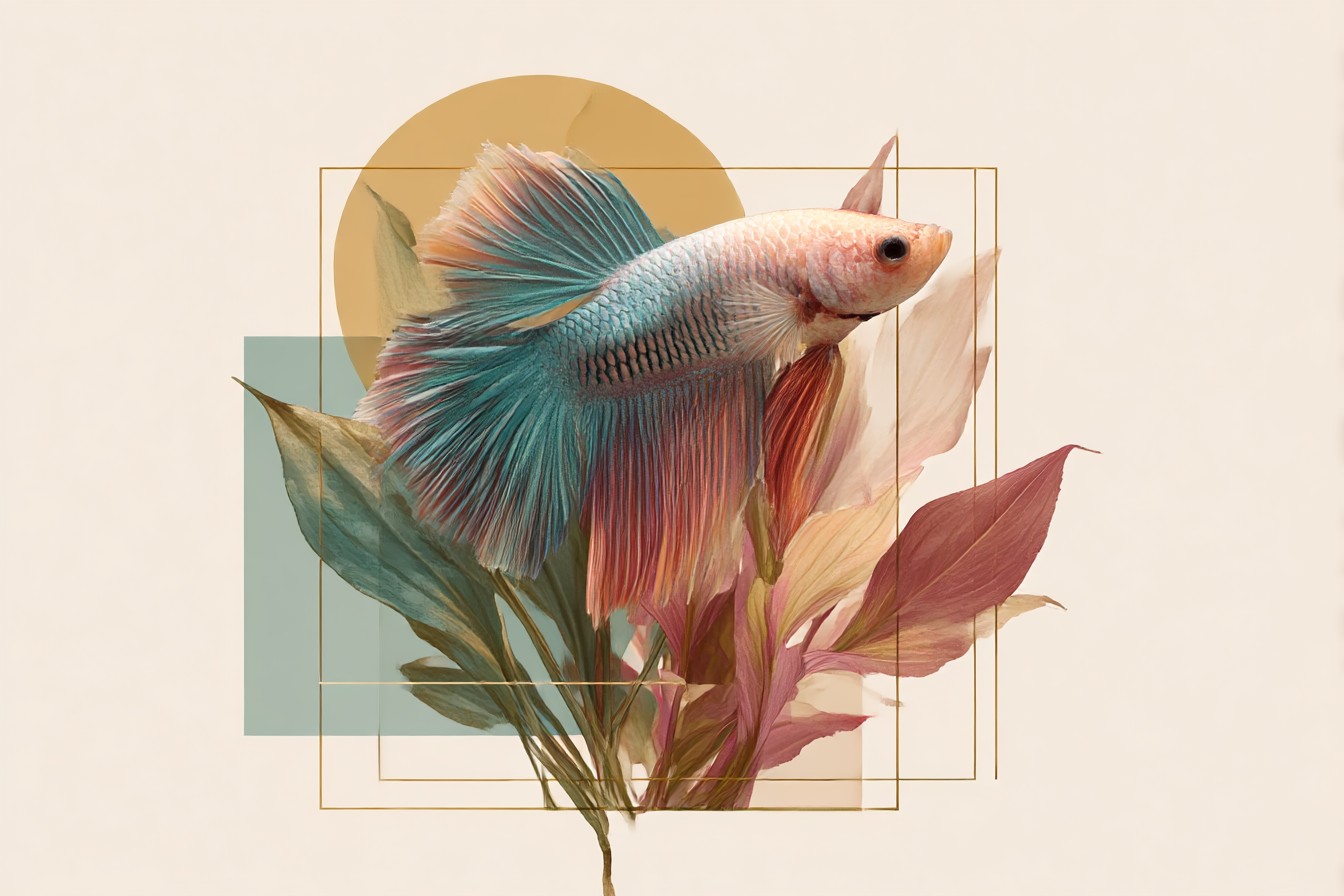
A properly planted betta tank isn’t just prettier than a bare bowl.
It’s the difference between a fish surviving and a fish actually living. Your betta comes from the rice paddies and shallow streams of Southeast Asia. Those waters are warm, soft, and absolutely packed with plants.
The fish has labyrinth organs that let it breathe surface air, but that doesn’t mean it wants to live in a puddle. In the wild, bettas claim territories in plant-heavy areas with gentle currents and stable temperatures around 75°F to 82°F (The Aquarium Expert). That’s the baseline you’re trying to recreate. ## Understanding Betta Biology in Planted Systems **Water Chemistry Requirements** Bettas need surprisingly specific water conditions.
The temperature range should stay between 76°F and 82°F (My Home Aquarium), and pH should remain between 6.5 and 7.5 (Betta Geek). These aren’t suggestions. Drop below 76°F and your betta’s immune system starts shutting down.
Push above 82°F and oxygen levels in the water crash while bacterial growth accelerates. In a planted tank, these parameters stay more stable than they do in bare setups. Plants buffer pH swings through photosynthesis and respiration cycles.
They also consume ammonia directly from the water column, reducing the load on biological filtration. This matters more for bettas than for most fish because bettas produce relatively high waste loads for their size, especially when fed properly. **Territorial Behaviour and Plant Cover** Male bettas are territorial, but territory in betta terms doesn’t mean empty space to patrol. It means a defensible area with plenty of cover, hunting spots, and resting places at different levels.
Wild bettas spend most of their time moving between dense plant growth, not swimming in open water. In an aquarium, this translates to needing plants that create layers. Surface plants give them shade and places to build bubble nests.
Mid-level plants provide hunting grounds for picking off small organisms. Bottom level plants create caves and resting spots. Without this vertical structure, bettas often become stressed and lethargic, even when water parameters are perfect. **The Labyrinth Organ Factor** Bettas can breathe surface air through their labyrinth organs, which is often used to justify keeping them in tiny containers with no filtration.
This misses the point entirely. The labyrinth organ evolved as backup breathing for when dissolved oxygen levels drop temporarily, not as the primary respiratory system. In properly planted tanks with good surface agitation, bettas rarely need to use their labyrinth organs.
They’ll still visit the surface regularly because it’s instinctive behaviour, but they’re not gasping for air. They’re patrolling their territory and checking for food or threats. A betta that spends most of its time at the surface in a planted tank usually means something is wrong with water quality or oxygenation. ## Creating the Right Environment **Tank Size and Setup Fundamentals** The minimum recommended tank size is 5 gallons (My Home Aquarium), but that’s genuinely a minimum.
In a 5-gallon tank, you’ve got about 4 gallons of actual water volume once you account for substrate and hardscape. Add plants and you’re looking at closer to 3.5 gallons. That’s enough for a betta to survive, but not enough for elaborate plantings or complex aquascaping.
I’d recommend 10 gallons as the sweet spot for a proper betta planted tank. You can fit a decent variety of plants, create some visual depth, and have enough biological stability to handle minor maintenance lapses. The betta gets proper swimming space and the option to establish different zones within its territory.
For heating, you’ll need 25W to 50W capacity depending on tank size and room temperature (My Home Aquarium). The general guideline for tropical tanks is 3 to 5 watts per gallon (The Aquarium Expert), so a 10-gallon betta tank would need roughly 30-50W of heating capacity. In UK homes, factor in seasonal temperature swings and potential heating failures when sizing your heater. **Plant Selection Strategy** Not all aquatic plants work well with bettas.
You need species that can handle the specific conditions bettas prefer and won’t be damaged by the fish’s occasional aggressive behaviour toward tank elements. **Surface Plants** are essential. Amazon frogbit creates perfect floating cover with long trailing roots that bettas love to rest against. Red root floaters add colour and provide excellent nitrate absorption.
Water lettuce works if you can source it legally in the UK, though it grows aggressively and needs regular trimming. **Mid-level Plants** should be sturdy and provide good cover. Java ferns are nearly indestructible and can be attached to driftwood or rocks. Anubias species have thick, waxy leaves that won’t be damaged if your betta decides to investigate them aggressively.
Cryptocoryne species adapt well to lower light levels and create good bottom-level cover as they mature. **Carpeting Plants** need to be chosen carefully. Betta tanks often run with lower light levels to prevent algae issues, so high-demand carpet plants usually fail. Java moss tied to rocks or driftwood creates good ground cover without requiring intense lighting.
Microsorum pteropus varieties can be grown as ground cover if attached to flat surfaces. **Filtration and Water Movement** Bettas don’t handle strong currents well, but they do need some water movement for proper oxygenation and waste removal. A sponge filter with adjustable airflow works well because you can tune it to provide gentle circulation without creating a washing machine effect. If you’re using a hang-on-back filter, baffle the output with a water bottle or sponge to reduce current strength.
Internal canister filters usually create too much flow for bettas unless you can adjust the flow rate significantly. Water changes should be 25 to 50 percent weekly (BettaGeek), which is more frequent than many planted tanks need. This is partly because bettas are messy eaters and produce significant waste, and partly because betta tanks tend to be smaller with less biological buffering capacity than larger planted systems. ## Common Mistakes That Kill Bettas
Mistake #1: Assuming bettas prefer tiny spaces. Pet shops sell bettas in cups because it’s cheap and space-efficient for retail, not because bettas like small spaces.
In those cups, bettas become stressed and lethargic. They stop eating properly, their colours fade, and their immune systems crash. A betta in a proper-sized planted tank will be active, curious, and show vibrant colours.
You Might Also Like
The difference is dramatic.
Mistake #2: Using cold water because bettas are “hardy.” Bettas are tropical fish that need consistent temperatures between 76°F and 82°F. In cold water, their metabolism slows down, they become susceptible to fungal infections, and they stop eating. UK rooms can drop significantly at night or during cold snaps.
A reliable heater isn’t optional equipment, it’s essential life support.
Mistake #3: Choosing plants that need high light. Many popular aquarium plants require intense lighting that will cause algae explosions in smaller betta tanks. Choosing low-light plants isn’t settling for less attractive options. Plants like anubias and java fern are genuinely beautiful when grown properly and suit betta behaviour much better than high-maintenance carpet plants.
Mistake #4: Overfeeding because the fish seems hungry. Bettas are opportunistic feeders that will eat whenever food is available.
Feeding them multiple large meals per day because they seem eager leads to bloating, constipation, and water quality crashes. Feed 2 to 3 times daily (The Aquarium Expert) with amounts they can consume completely within 2-3 minutes.
Mistake #5: Adding too many decorations instead of plants. Plastic plants and ornamental decorations don’t provide the biological benefits that live plants do. They don’t consume ammonia, don’t produce oxygen, and don’t buffer pH.
A betta tank stuffed with fake decorations often has worse water quality and more stress for the fish than a properly planted tank with the same visual density.
Mistake #6: Treating them like goldfish for maintenance. Bettas need warmer, softer water than goldfish and produce waste differently. Maintenance schedules that work for cold-water fish often leave bettas in poor water conditions. Regular water changes, temperature monitoring, and attention to feeding schedules matter more for bettas than for hardier species.
## Research Support Studies on betta behaviour and physiology consistently show that these fish require warm, stable conditions with complex environments to maintain normal immune function and behaviour patterns.
Temperature requirements are particularly critical, with research demonstrating that bettas kept below their preferred range show reduced activity, compromised immune response, and increased susceptibility to common diseases like fin rot and fungal infections. Plant-based environments provide multiple biological benefits beyond aesthetics. Live plants consume ammonia and nitrates directly, reducing the load on filtration systems.
They also provide the complex habitat structure that wild bettas use for territory establishment and stress reduction. Water chemistry studies show that planted tanks maintain more stable pH and dissolved oxygen levels compared to bare tanks of similar size. ## Application Across Different Tank Types **Nano Tanks (5-8 gallons):** Focus on slower-growing plants like anubias and java fern. Use floating plants for biological filtration and limit hardscape to maximise swimming space.
Single small sponge filter with very gentle flow. **Standard Tanks (10-15 gallons):** Full plant selection available including mid-ground crypts and background vallisneria. Can support small pieces of driftwood or stone hardscape. More stable water chemistry allows for slightly less frequent maintenance. **Larger Tanks (20+ gallons):** Multiple territory zones possible with different plant groupings.
Can include tank mates like small schooling fish or shrimp if properly planned. More elaborate aquascaping possible without compromising swimming space. **Community Tanks:** Bettas can work in planted community systems with careful fish selection and plenty of plant cover to break line of sight. Requires larger tanks and specific attention to tank mate compatibility and feeding routines. ## Benefits of Getting This Right **Stable Water Chemistry:** Well-established planted betta tanks maintain consistent parameters with minimal intervention after the initial 8-12 week establishment period.
Plants buffer pH swings and consume waste products continuously, reducing the risk of sudden water quality crashes. **Natural Behaviour Expression:** Bettas in properly planted tanks show territorial patrolling, investigation of plants and surfaces, and active hunting behaviour. They build bubble nests more readily and maintain better colour and fin condition compared to bettas in bare tanks. **Reduced Disease Pressure:** The stable environment and improved water quality in planted tanks significantly reduces common betta health problems like fin rot, fungal infections, and stress-related immune suppression. Prevention through proper environment beats treatment every time. **Lower Long-term Maintenance:** After establishment, planted betta tanks often require less intervention than bare tanks.
Plant growth consumes excess nutrients that would otherwise feed algae blooms or require more frequent water changes to remove. **Visual Appeal:** A properly planted betta tank provides genuine aesthetic pleasure beyond just housing the fish. Watching plant growth and changes over time adds another dimension to the hobby beyond fish care alone. **Educational Value:** Managing a balanced planted betta system teaches you about nitrogen cycling, plant biology, and aquatic ecosystem balance in a manageable scale. Skills transfer directly to larger or more complex tank systems. ## Step-by-Step Implementation Guide **Step 1: Initial Setup and Cycling (Weeks 1-4)** Start with tank, heater, gentle filtration, and hardscape.
Add substrate suitable for both plants and beneficial bacteria establishment.
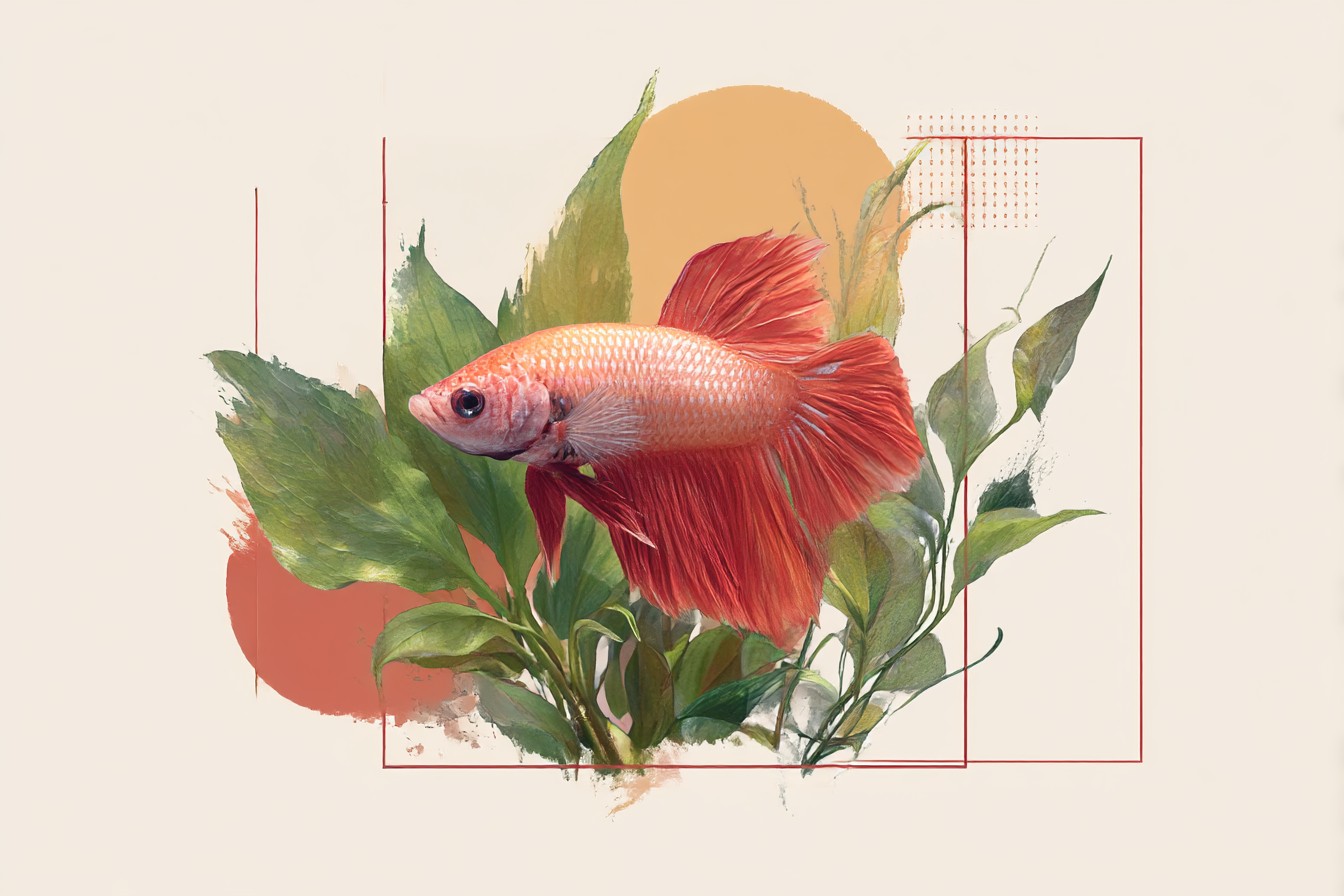
Install lighting appropriate for your chosen plant list. Begin fishless cycling process or cycle with extremely hardy plants like java moss. **Budget Breakdown:** * 10-gallon tank and basic equipment: £40-60 * Heater (25-50W): £15-25 * Simple sponge filter and air pump: £15-20 * LED lighting: £25-40 * Substrate: £10-15 **Total Budget: £105-160** **Step 2: Plant Establishment (Weeks 4-8)** Add plants in phases starting with fastest-growing species like floating plants and java moss.
Follow with mid-ground plants like anubias and crypts. Monitor for initial algae blooms and adjust lighting periods accordingly. Begin testing water parameters daily. **Budget Addition:** * Plant selection: £25-40 * Plant fertilizer: £10-15 **Step 3: Fish Introduction and Fine-tuning (Weeks 8-12)** Add betta only after plants show signs of active growth and water parameters remain stable for at least one week.
Monitor fish behaviour and adjust feeding schedule. Fine-tune lighting periods and filtration flow based on fish and plant response. **Budget Addition:** * Betta and initial food: £10-20 * Water testing kit: £15-25 **Step 4: Maintenance Routine Establishment (Weeks 12-16)** Develop consistent weekly maintenance schedule including water changes, plant trimming, and parameter testing. Adjust feeding amounts based on fish condition and waste production.
Consider any necessary equipment upgrades based on actual performance. **Budget Addition:** * Ongoing food and water conditioner: £5-10 monthly * Plant trimming tools: £10-15 **Total Project Budget: £180-275** The difference between a betta surviving in a bowl and thriving in a planted tank isn’t just about equipment costs or setup complexity. It’s about understanding that these fish evolved in complex, plant-rich environments and recreating enough of that environment to let their natural behaviour patterns emerge. Get the basics right, choose plants that actually suit the conditions, and maintain realistic expectations about establishment time.
The result is a fish that lives like a fish rather than just existing like a decoration.


