
# Fast Growing Aquarium Plants and How to Use Them to Outcompete Algae You know that sinking feeling when you peek at your tank in the morning and there’s a green film creeping across the glass, or worse, black beard algae claiming territory on your carefully chosen hardscape? I’ve been there. We all have.
But here’s what changed everything for me: understanding that the fastest way to beat algae isn’t about adding more chemicals or scrubbing harder. It’s about letting the right plants do the heavy lifting. Fast growing aquarium plants are your secret weapon against algae because they’re nutrient vacuum cleaners.
They suck up nitrates and phosphates faster than algae can establish a foothold, essentially starving the competition before it gets started. This isn’t just theory – it’s how aquariums actually work when you get the balance right.
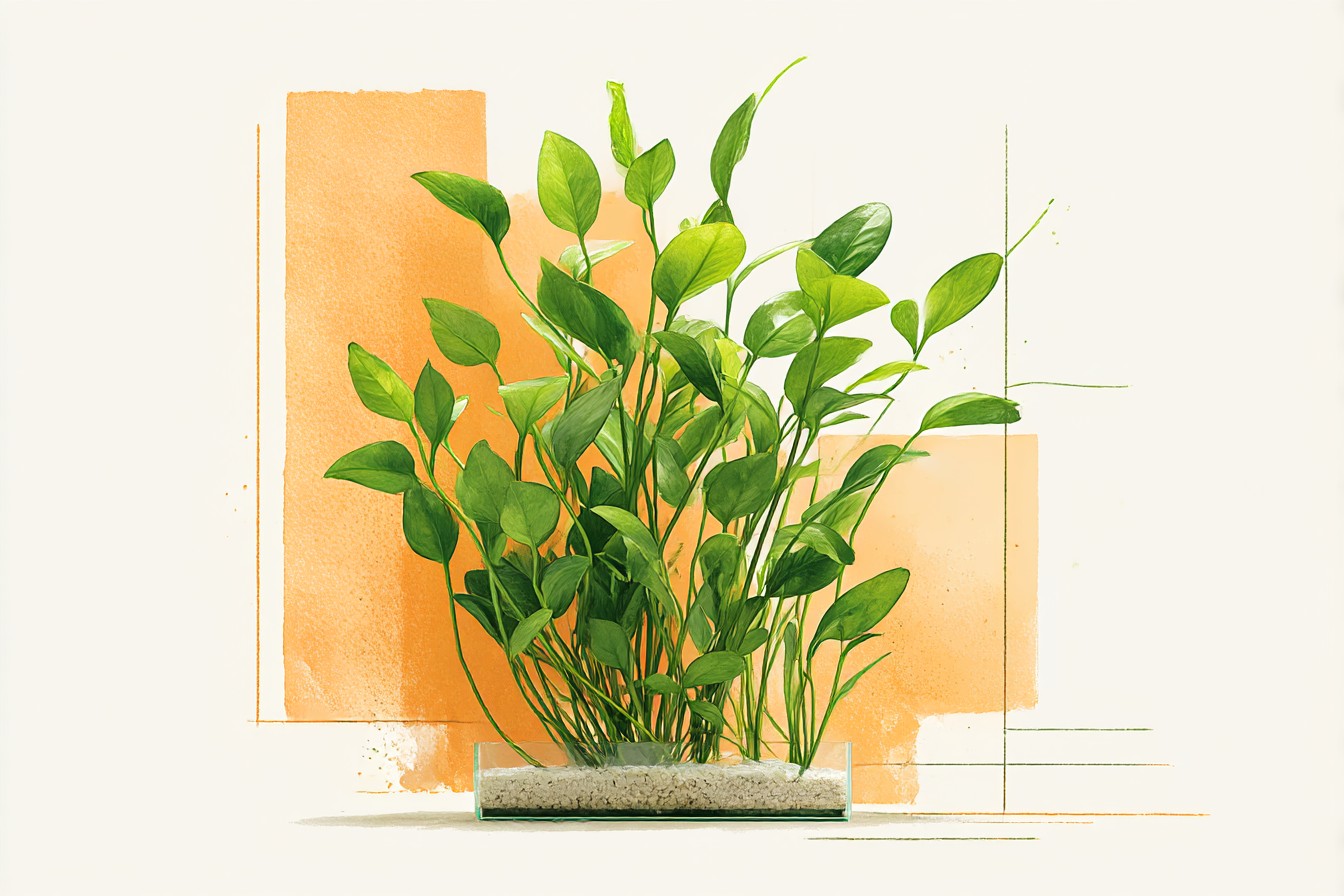
The science behind this approach is solid, the implementation is straightforward once you understand it, and honestly, it’s far more satisfying than constantly battling algae after it’s already taken hold.
If you’re struggling with persistent algae issues or just want to prevent them from starting, this is the strategy that actually works long term. ## The Competition for Nutrients: Why Fast Growing Plants Win Plants and algae compete for the same basic resources in your tank: light, carbon dioxide, and nutrients like nitrogen and phosphorus. The winner is usually whoever can grab these resources fastest and most efficiently. Fast growing plants have evolved to be exceptionally good at this game. **Nutrient Uptake Speed**: Fast growing species like hornwort and vallisneria can process nutrients at rates that leave algae struggling to keep up.
Plants improve water quality by absorbing excess nutrients (Practical Fishkeeping), and the faster they grow, the more nutrients they consume per day. **Root vs Water Column Feeding**: Many fast growers are primarily water column feeders, meaning they pull nutrients directly from the water where algae would otherwise access them. This is particularly effective against free floating algae species that cause green water or film algae on glass. **Allelopathic Effects**: Some aquatic plants release natural chemicals that actually inhibit algae growth. While this isn’t the primary mechanism, it’s an additional advantage that certain fast growing species bring to the competition.
The key insight here is that you’re not just adding plants – you’re creating an ecosystem where plants have the competitive advantage. When hornwort can grow 1-4 inches per week in typical aquarium conditions (Biology Insights), it’s processing a tremendous amount of nutrients every day. That’s nutrients that algae simply cannot access.
This approach works because it addresses the root cause rather than just treating symptoms. Chemical algae treatments might clear your tank temporarily, but if the underlying nutrient imbalance remains, the algae will return. Fast growing plants create a lasting shift in the tank’s nutrient dynamics. ## Selecting and Using the Most Effective Fast Growing Species The choice of which fast growing plants to use depends on your tank setup, but certain species have proven particularly effective at outcompeting algae while being forgiving enough for most aquariums. **Hornwort (Ceratophyllum demersum)** is probably the single most effective algae competitor you can add.
Hornwort growth is 1-4 inches per week in typical aquarium conditions (Biology Insights), and can reach up to an inch per day in optimal high tech conditions (Aquifarm). It’s a water column feeder, doesn’t require substrate, and works in both low tech and high tech setups. I float mine initially, then anchor pieces once I’m happy with growth patterns. **Vallisneria Species** offer excellent background coverage and root feeding to complement water column feeders.
They spread via runners, creating dense stands that process nutrients efficiently while providing natural looking aquascaping. Vallisneria americana and spiralis are particularly vigorous. **Amazon Sword Plants (Echinodorus species)** are heavy root feeders that excel at processing nutrients from the substrate. They work well with root tabs and create impressive centrepiece plants while doing serious algae prevention work behind the scenes. **Hygrophila Species** like hygrophila polysperma and difformis grow rapidly and can be trimmed regularly to maintain dense growth.
The constant trimming actually increases their nutrient uptake as the plants redirect energy into new growth. **Elodea/Egeria** (where legally available) grows incredibly fast and can be used similarly to hornwort as a floating or anchored plant. It’s particularly effective in cooler water setups. The strategy is to use multiple species that feed from different sources – some water column feeders like hornwort, some root feeders like amazon swords, and some that do both like hygrophila.
This creates comprehensive nutrient competition across all available sources. For tank placement, I typically use 60-70% of the tank’s visual space initially. This seems like a lot, but fast growers can be trimmed aggressively, and the dense initial planting establishes nutrient dominance quickly.
You can always reduce plant mass once the system stabilises. Budget wise, expect £15-25 for enough plants to properly stock a 60 litre tank, £25-40 for a 120 litre setup. Hornwort and hygrophila are usually the cheapest options and happen to be among the most effective. ## Common Implementation Mistakes That Reduce Effectiveness
Mistake #1: Insufficient initial plant mass. Adding a few stems and expecting them to outcompete established algae doesn’t work.
You need enough plant biomass from day one to create meaningful nutrient competition. Start with what feels like too many plants – you can always trim back later.
Mistake #2: Wrong lighting for fast growth. Running high intensity lights without providing the nutrients fast growing plants need leads to stressed plants that can’t compete effectively. If you’re running PAR above 40 µmol m⁻² s⁻¹, you need to ensure nutrient availability matches.
Low light PAR range is 20-40 umol m2 s (The Aquarium Expert).
Mistake #3: Inconsistent nutrient supply. Fast growing plants need steady nutrient availability. Dosing heavily one day then nothing for a week creates conditions where algae can exploit the gaps between plant uptake cycles. Consistent daily or every other day dosing works better than weekly dumps.
Mistake #4: Trimming too conservatively. Many people are reluctant to trim fast growing plants heavily, but aggressive trimming actually increases nutrient uptake and prevents the plants from outgrowing their space and creating maintenance headaches.
You Might Also Like
Mistake #5: Extended photoperiods. Running lights for 12+ hours daily provides more opportunity for algae to exploit any gaps in plant nutrient uptake.
Photoperiod longer than 10 hours is linked with algae risk (My Home Aquarium). Eight to ten hours is usually optimal.
Mistake #6: Ignoring water changes. Even with excellent plant growth, regular water changes remain important for removing organic waste and maintaining stable conditions. Water changes help control nutrient levels such as nitrates and phosphates (The Aquarium Expert Water Changes).
## Research Supporting Plant-Based Algae Control Multiple studies have demonstrated the effectiveness of aquatic plants in controlling algae through nutrient competition and allelopathic effects.
Research consistently shows that established plant communities can maintain water quality parameters that prevent most common algae problems. The nutrient competition mechanism has been particularly well documented. Fast growing plants can process significant quantities of nitrogen and phosphorus daily, creating conditions where algae struggle to obtain the resources needed for rapid reproduction.
The EI method recommends 20-30 ppm nitrate weekly (Barr Report), and fast growing plants can process these levels efficiently when properly established. Studies on allelopathic effects show that certain aquatic plants release compounds that inhibit algae growth, though this varies significantly between plant species and water conditions. This mechanism appears to be secondary to nutrient competition in most aquarium situations.
The evidence consistently supports plant-based approaches over purely chemical algae control methods for long term aquarium stability and fish welfare. ## Application Across Different Tank Types **Low Tech Community Tanks:** Focus on hardy fast growers like hornwort, vallisneria, and amazon swords. Rely on fish waste and minimal fertilisation. Lower light levels reduce both plant growth and algae pressure, creating a manageable balance. **High Tech CO2 Systems:** Can support more demanding fast growing species and achieve higher growth rates.
Hornwort will quickly grow 1-4 inches per week with enough light and nutrients (FishTrivia). Requires more precise nutrient management but offers faster algae suppression. **Nano Tanks Under 40 Litres:** Use smaller species like hygrophila polysperma or small echinodorus varieties. Plant density becomes even more critical in small volumes where nutrient swings happen faster. **Cichlid Tanks:** Choose robust species that can handle digging and higher bioloads.
Vallisneria, large amazon swords, and floating hornwort work well. Higher fish waste actually benefits plant growth if properly managed. **Shrimp Breeding Setups:** Hornwort and moss combinations provide both algae control and breeding habitat. Avoid copper-containing fertilisers that harm invertebrates. **Coldwater Tanks:** Elodea and vallisneria adapt well to lower temperatures while maintaining reasonable growth rates for algae competition. ## Benefits of the Fast Growing Plant Strategy **Improved Water Quality** happens within 2-3 weeks of establishing adequate plant mass.
You’ll notice clearer water and more stable parameters as plants begin processing nutrients efficiently. **Reduced Maintenance Requirements** develop after 6-8 weeks once plant growth patterns stabilise. Less algae scraping, fewer water chemistry problems, and more predictable tank behaviour. **Natural Filtration Enhancement** occurs immediately as plants begin processing dissolved organic compounds. This reduces the biological load on your mechanical filtration system. **Fish Health Improvements** become apparent within 4-6 weeks as water quality stabilises and stress indicators decrease.
Fish show better colours and more natural behaviour in well planted environments. **Ecosystem Stability** develops over 3-4 months as plant communities mature and establish consistent nutrient cycling. This creates resilience against minor disruptions that might trigger algae blooms in less stable systems. **Long Term Cost Savings** accumulate over time through reduced need for algae treatments, replacement plants, and fish medications related to poor water quality. Initial plant investment pays for itself through reduced ongoing costs. ## Step-by-Step Implementation for Maximum Algae Control **Phase 1: Initial Plant Selection and Installation (Week 1)** Choose 3-4 fast growing species that complement each other nutritionally.
Purchase enough plant material to fill 60-70% of your tank’s visual space initially. Install plants with adequate spacing for growth but sufficient density for immediate nutrient competition. **Budget Breakdown:** * Hornwort bunches: £8-12 * Amazon sword plants: £6-10 * Hygrophila stems: £4-8 * Vallisneria runners: £6-12 **Total Budget: £24-42** Monitor for plant shock or melting in the first week. Some leaf loss is normal as plants adapt to new conditions. **Phase 2: Lighting and Nutrient Optimisation (Weeks 2-4)** Establish consistent 8-10 hour photoperiods to support plant growth without encouraging algae.
Begin regular fertilisation schedule appropriate for your tank type. For high tech setups, start CO2 injection before increasing light intensity. Watch for early signs of plant establishment – new growth tips, root development, and stable or improving water parameters.
Hornwort general rule is 1-6 inches every week (eFishkeeping) once established. **Phase 3: Growth Management and System Balancing (Weeks 4-8)** Begin regular trimming to maintain plant health and prevent overcrowding.
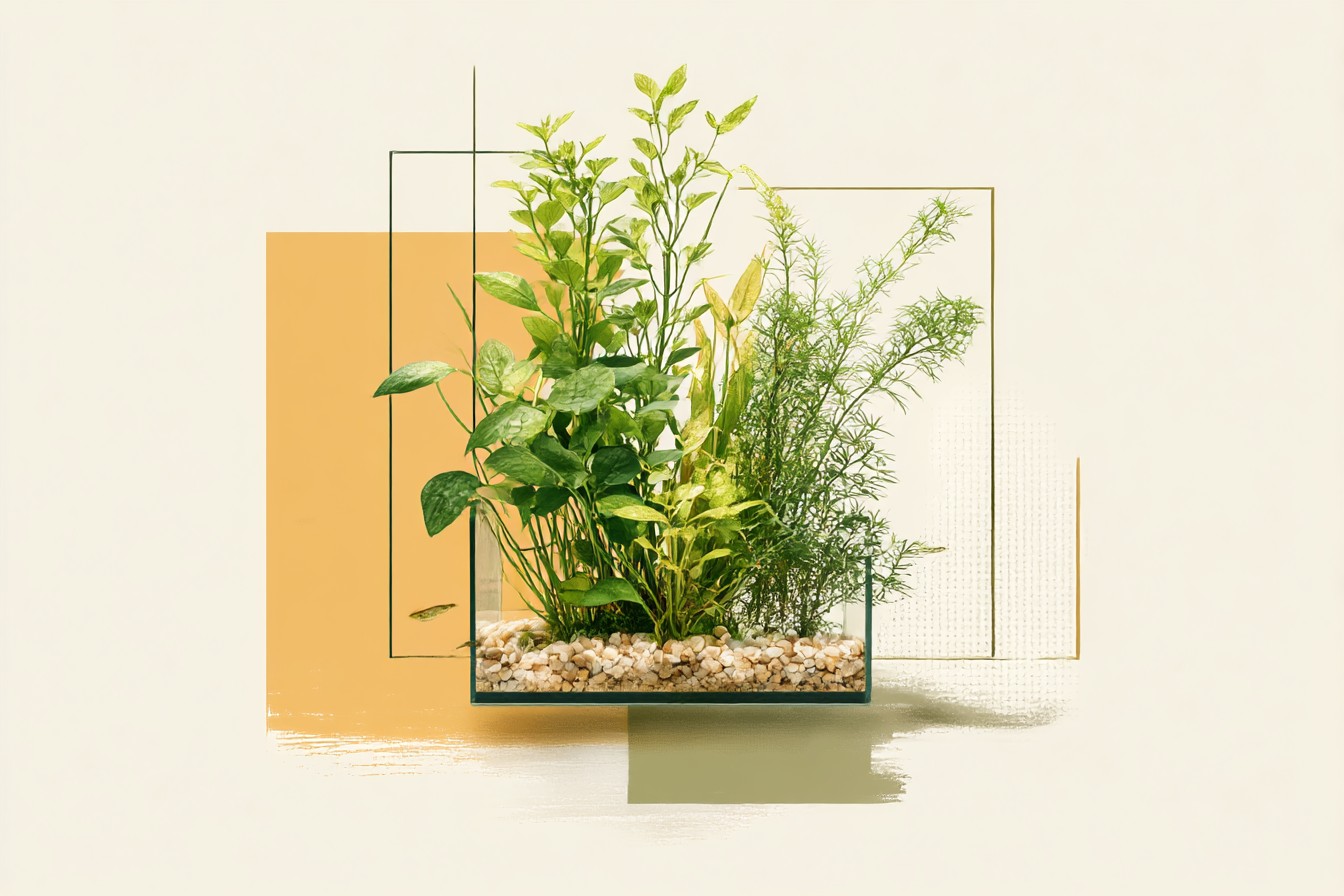
Trimmed material can be replanted to increase plant mass further or removed to prevent overgrowth. Adjust fertilisation based on plant response and water parameter testing.
Most fast growing plants will show nutrient deficiencies quickly if feeding is inadequate. **Budget Addition:** * Liquid fertilisers: £10-20 * Root tabs for heavy root feeders: £8-15 **Total Budget: £42-77** **Phase 4: Long Term Maintenance Routine (Weeks 8-12)** Establish regular trimming schedule – typically every 2-3 weeks for most fast growing species. Develop routine water change schedule that maintains nutrient levels without starving plants. Monitor for seasonal growth changes and adjust feeding accordingly.
Plants typically grow slower in winter even indoors due to reduced ambient light and temperature fluctuations. **Phase 5: System Maturity and Fine Tuning (3+ Months)** At this point, your plant communities should be well established and providing consistent algae suppression. Fine tune species selection based on performance – remove poor performers and propagate the most successful varieties. Consider upgrading lighting or CO2 systems if plant performance warrants it.
Well established fast growing plants can justify higher tech approaches by utilising additional resources effectively. The key throughout this process is patience with plant establishment while being proactive about maintaining the conditions they need to outcompete algae successfully. Most failures happen because people expect instant results or don’t provide consistent conditions during the crucial first 6-8 weeks when plants are establishing their competitive advantage.



[…] growth and nutrient consumption statistics are remarkable – it can outcompete algae better than most purpose-designed filtration. It’s also the most flexible plant on this list. […]