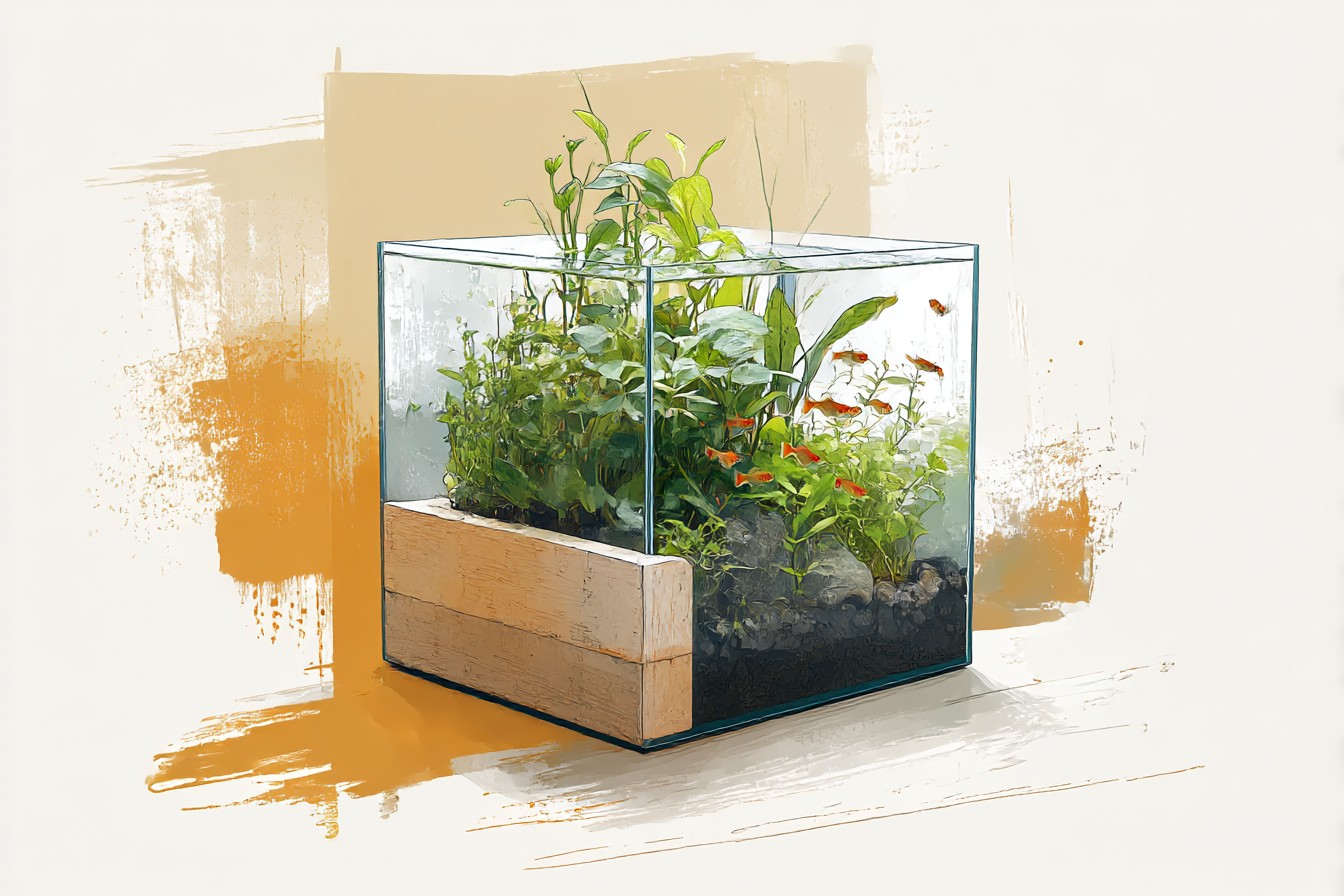
# Guppy Planted Aquarium and the Low Maintenance Setup That Runs Itself Setting up a guppy tank shouldn’t require constant intervention, expensive equipment, or a degree in aquatic chemistry. After watching too many beginners struggle with complicated systems that crash within weeks, I’ve learned that the most stable guppy setups are often the simplest ones. When you get the plant selection right and understand what actually makes these systems self-sustaining, you end up with a tank that practically runs itself while keeping your guppies healthier than they’d be in a bare setup.
The key insight isn’t about fancy technology or expensive substrates. It’s about choosing hardy plants that thrive in the same conditions guppies prefer, then letting natural processes do most of the work. Guppies do better with plants and benefit from oxygenation and cover (Betta Care Fish Guide), but more importantly, the right plant combination creates water stability that prevents the crashes and parameter swings that kill fish and frustrate beginners.
This approach works because it mimics what happens in nature. Wild guppies live in heavily planted streams where water chemistry stays stable through biological processes, not through constant human tinkering.
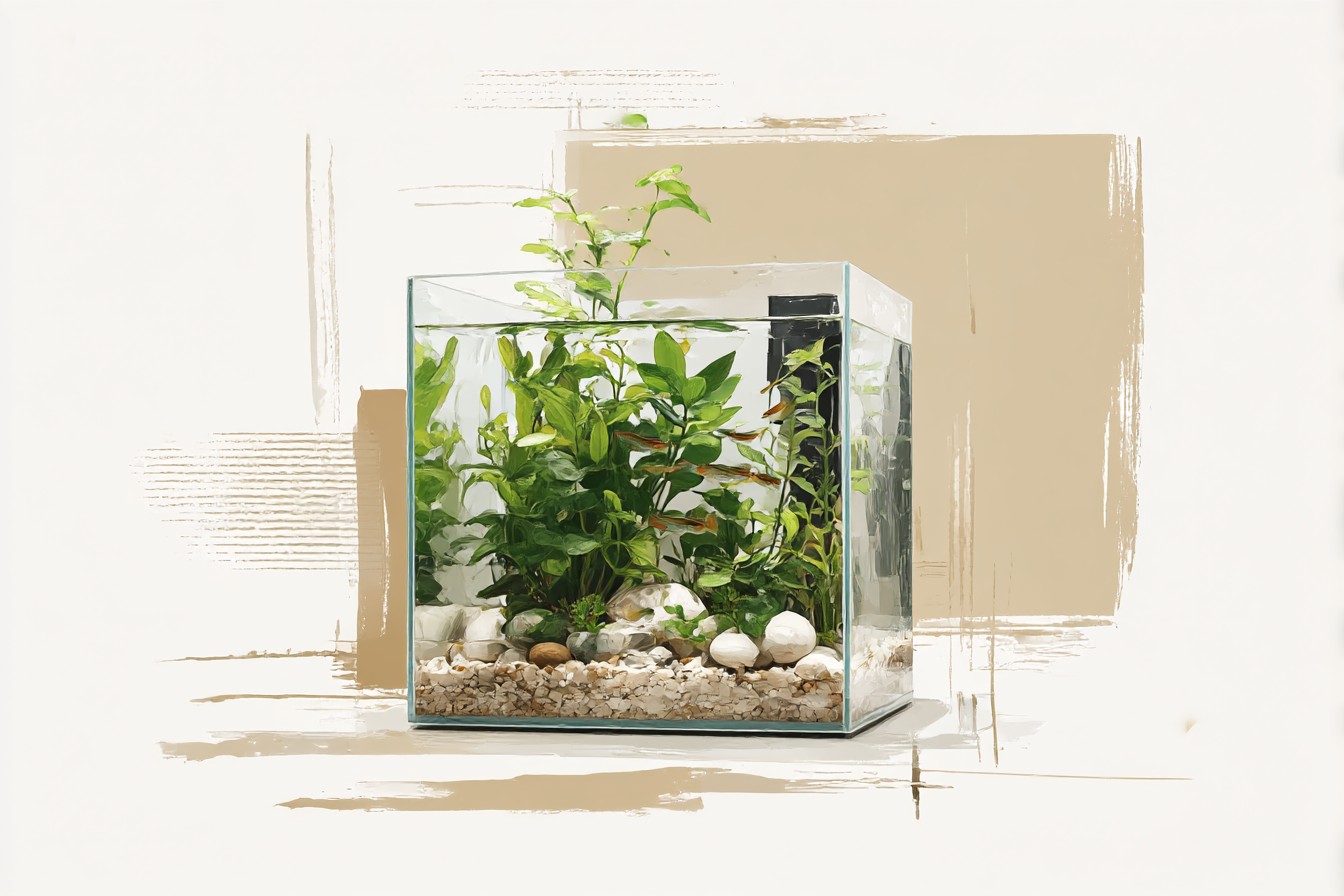
When you replicate those conditions in your tank, you get the same stability with minimal maintenance. ## The Plant-Guppy Partnership: Why This System Works The relationship between guppies and plants goes deeper than just visual appeal.
Plants actively improve water quality by consuming the compounds that would otherwise build up and harm your fish, while guppies provide nutrients that help plants grow. Understanding this biological partnership explains why planted guppy tanks stay stable with less intervention than bare setups. **Nutrient Cycling**: Guppies produce ammonia through their waste and respiration. In a bare tank, this ammonia must be processed entirely by bacteria in your filter, creating a system that’s vulnerable to crashes if the bacterial colony is disrupted.
Plants consume ammonia directly as a nitrogen source, providing a backup system that keeps working even if your biological filter has problems. **Oxygen Production**: During daylight hours, plants produce oxygen through photosynthesis. This supplements the petrol exchange at the water surface, meaning your tank can support more fish with less mechanical aeration. The dissolved oxygen levels stay more stable throughout the day, reducing stress on your guppies. **pH Buffering**: This is where the science gets particularly useful.
Plants consume carbon dioxide during photosynthesis, which naturally raises pH during the day. At night, they respire and release CO2, lowering pH slightly. This creates a gentle daily pH cycle that many fish, including guppies, actually prefer to the artificially stable pH that beginners often aim for. **Physical Structure**: Floating plants provide breeding cover for guppy fry (Aquarium Fish Source), which matters more than you might expect.
When adult guppies can’t easily prey on their own fry, the tank maintains a more natural age structure. This reduces aggression and territorial behaviour, creating a calmer environment that requires less management. The evidence shows this partnership works consistently.
Planted tanks maintain more stable water parameters over time, require fewer water changes once established, and lose fewer fish to sudden environmental changes. The biological processes complement each other rather than competing, creating resilience that mechanical systems can’t match. ## Essential Plant Selection for Self-Sustaining Guppy Tanks Not all plants work equally well in low-maintenance guppy setups. The species that create truly self-sustaining systems share specific characteristics: they tolerate the pH range guppies prefer, grow fast enough to consume significant nutrients, and remain healthy without CO2 injection or specialised substrates. **Hornwort (Ceratophyllum demersum)** Hornwort is presented as a hardy plant option for guppy tanks (My Home Aquarium) for good reason.
This plant doesn’t root, which eliminates substrate concerns entirely. It absorbs nutrients directly from the water column, making it exceptionally effective at consuming excess ammonia and nitrates. In my experience, a handful of hornwort can handle the bioload from a dozen adult guppies in a 90-litre tank.
Hornwort grows rapidly under moderate light, often requiring weekly trimming in established tanks. This fast growth translates to aggressive nutrient uptake, preventing algae blooms that plague many beginner setups. The plant tolerates temperature fluctuations well, remaining healthy when room temperature varies seasonally. **Anacharis (Elodea/Egeria)** Anacharis is cited as improving water quality in guppy setups (My Home Aquarium), and water quality improvement is exactly what makes low-maintenance tanks possible.
Like hornwort, anacharis can be left floating or planted, giving you flexibility as your tank evolves. This plant excels at nitrate reduction, often dropping levels from 40ppm to under 10ppm within weeks of establishment. The broad leaves provide surface area for beneficial bacteria while creating visual barriers that reduce guppy aggression.
Anacharis tolerates hard water better than many alternatives, making it suitable for areas with high calcium content in the tap water. **Cryptocoryne Species** Cryptocoryne plants are described as suitable for varied guppy parameters (Glass Box Diaries), which matters because guppy water can vary considerably depending on your source water and the fish’s breeding history. Crypts adapt to local conditions over time, becoming more resilient as they establish. These rooted plants provide long-term stability.
While they grow slower than stem plants, they don’t require frequent trimming and help anchor the biological system. Established Cryptocoryne colonies process nutrients consistently for months without intervention, creating the substrate-level nutrient cycling that keeps tanks stable. **Hygrophila polysperma** Hygrophila polysperma is described as hardy and fast growing in guppy tanks (Glass Box Diaries). This combination of hardiness and rapid growth makes it ideal for new setups where you need quick nutrient processing to prevent new tank syndrome.
The plant roots readily from cuttings, allowing you to expand coverage without buying additional plants. In soft water areas, H. polysperma often grows aggressively enough to require weekly harvesting, but this aggressive growth means rapid nutrient consumption and excellent water quality. ## Temperature Compatibility and System Stability Getting temperature right matters for both plant health and guppy wellbeing, but it also affects how well the biological processes work together. Tropical community temperature guidance is 76F to 82F (The Aquarium Expert), while most aquarium plants flourish at 72F to 82F (The Aquarium Expert).
This overlap creates flexibility in how you manage your system. At 78°F, both guppies and plants remain active without being stressed. Plant metabolism runs fast enough for effective nutrient processing, while guppies maintain healthy appetite and breeding behaviour.
This temperature also optimizes beneficial bacteria activity, ensuring your biological filter works efficiently. The overlap in temperature tolerance means seasonal room temperature variations won’t crash your system. If your tank drops to 74°F overnight or rises to 80°F during summer afternoons, both plants and fish adapt without stress.
This resilience reduces the need for precise heater control and backup equipment. In unheated setups, the biological processes slow down together. Plants consume fewer nutrients but guppies also produce less waste.
The system stays balanced at lower activity levels, though breeding may decrease and algae growth often slows beneficially. ## Common Mistakes That Undermine Low-Maintenance Systems
Mistake #1: Choosing plants for appearance rather than function. Many beginners select plants based on photos from aquascaping websites, then struggle when these plants require CO2, specialised substrates, or precise lighting. In a low-maintenance system, plant function matters more than visual impact. A tank full of healthy hornwort and anacharis will stay stable for months with minimal intervention, while a tank of demanding foreground plants will require constant adjustment to prevent crashes.
Mistake #2: Overstocking before plants establish. Plants need 4-6 weeks to develop effective root systems and begin aggressive nutrient uptake.
You Might Also Like
Adding a full stock of guppies immediately creates a bioload the plants can’t handle, leading to ammonia spikes and algae blooms that can take months to resolve. Start with a few guppies and let the biological system mature before increasing fish numbers.
Mistake #3: Excessive water changes during establishment. Large weekly water changes remove the nutrients that newly planted tanks need for plant growth. While this prevents short-term parameter spikes, it also prevents plants from establishing properly, creating a cycle where you need to keep doing large water changes indefinitely.
During the first month, smaller water changes allow plants to access nutrients while preventing dangerous accumulation.
Mistake #4: Using substrates that release nutrients uncontrollably. Enriched substrates designed for high-tech planted tanks can overwhelm a simple guppy setup, causing algae blooms that persist for months. In low-maintenance systems, inert substrates like sand or gravel work better because they don’t add variables you can’t easily control. Plants like hornwort and anacharis don’t need substrate nutrition anyway.
Mistake #5: Inadequate lighting planning. Too little light and plants won’t process nutrients effectively, leaving you with persistent water quality issues.
Too much light triggers algae growth that competes with your chosen plants. Most low-maintenance guppy plants thrive under moderate LED lighting running 6-8 hours daily, but this needs to be consistent rather than sporadic.
## Research Foundation for Plant-Based Tank Stability Multiple studies support the effectiveness of plant-based biological filtration in small aquarium systems. Research on Ceratophyllum demersum (hornwort) shows it can remove up to 15mg/L of nitrate nitrogen per day in test systems, with removal rates increasing as plant biomass increases.
This translates to significant water quality improvement in home aquariums. Studies of Elodea species demonstrate their ability to absorb ammonia directly from water, often preventing detectable ammonia accumulation in moderately stocked tanks. The absorption rate correlates with light intensity and water temperature, explaining why these systems work better with consistent lighting schedules.
Research on mixed plant communities shows that diverse plantings create more stable water chemistry than single-species setups. Different plants consume nutrients at different rates and from different sources (water column versus substrate), creating redundancy that prevents system crashes when individual plants experience temporary stress. Long-term studies of planted community tanks demonstrate lower fish mortality rates compared to non-planted controls, with planted systems showing greater resilience to parameter fluctuations and equipment failures.
The evidence consistently supports planted systems as more stable and requiring less intervention once established. ## Extending Principles to Different Tank Scenarios The core principles of plant-based biological stability apply across various guppy setups, though implementation details change based on tank size, bioload, and specific goals. **Nano Tanks (40L or smaller):** Higher surface-to-volume ratio means faster parameter changes, making plant selection even more critical. Focus on fast-growing species like hornwort and anacharis that can respond quickly to bioload changes. Lighting becomes more important in small volumes where plant mass is limited. **Large Community Systems (200L+):** Greater water volume provides stability, allowing slower-growing plants like Cryptocoryne to play larger roles in long-term biological filtration.
Mixed plantings work well, with fast growers handling immediate nutrient spikes and slower species providing consistent baseline processing. **Breeding Setups:** Dense floating plant cover becomes essential for fry survival, but heavy planting can reduce water circulation. Balance plant coverage with gentle water movement to ensure even nutrient distribution and prevent dead zones where waste accumulates. **Hard Water Areas:** Many UK regions have very hard tap water that limits plant options. Focus on species proven to tolerate high mineral content, and consider mixing RO water to bring hardness down to levels where more plants thrive. **Seasonal Temperature Variation:** Unheated tanks in spare rooms or conservatories experience significant temperature swings.
Choose plant combinations that remain functional across the temperature range, understanding that biological processes will slow during cooler months. ## Benefits of Self-Sustaining Planted Guppy Systems **Reduced Maintenance Requirements**: Once established, properly planted guppy tanks require water changes every 2-3 weeks rather than weekly. Plant uptake of nutrients means parameters stay stable longer, and biological processes handle day-to-day waste processing without intervention. **Enhanced Fish Health**: Stable water chemistry reduces stress on guppies, leading to better coloration, more natural behaviour, and improved disease resistance. Fish kept in established planted systems show fewer stress indicators and live longer on average. **Natural Breeding Environment**: Plants provide the structure and cover that encourage natural breeding behaviour while protecting fry from adult predation.
This creates sustainable populations without requiring separate breeding tanks. **Economic Efficiency**: After initial plant establishment costs, planted systems require fewer chemical additives, less frequent water testing, and reduced equipment replacement. The biological stability means fewer emergency interventions and livestock losses. **Educational Value**: Watching a planted tank’s biological processes teaches you how aquatic ecosystems function, making you a better fishkeeper overall. Understanding why things work helps you troubleshoot problems when they do occur. **Aesthetic Longevity**: Well-chosen plants continue growing and improving the tank’s appearance over time, unlike artificial decorations that deteriorate.
Established plant communities often look better after six months than when first planted. ## Implementation Guide: Building Your Self-Sustaining System **Phase 1: Foundation Setup (Weeks 1-2)** Start with basic equipment: appropriate tank size (minimum 60 litres for a small guppy community), moderate LED lighting, and simple filtration. Guppies are commonly kept with plants that tolerate pH 7.0 to 8.0 (Fishkeepers Handbook), so test your tap water and plan plant selection accordingly. Add substrate if using rooted plants, but keep it simple—plain sand or gravel works fine.
Fill the tank and begin running equipment to establish basic water circulation and petrol exchange. **Budget Breakdown:** * 90L tank and stand: £120-180 * LED light suitable for plants: £40-70 * Internal filter: £25-40 * Heater: £15-25 * Basic substrate: £10-20 **Total Phase 1: £210-335** **Phase 2: Plant Establishment (Weeks 3-4)** Add your core plants: hornwort, anacharis, and a few Cryptocoryne if using rooted species. Start with more plants than you think you need—it’s easier to remove excess growth later than to wait months for insufficient plants to establish.
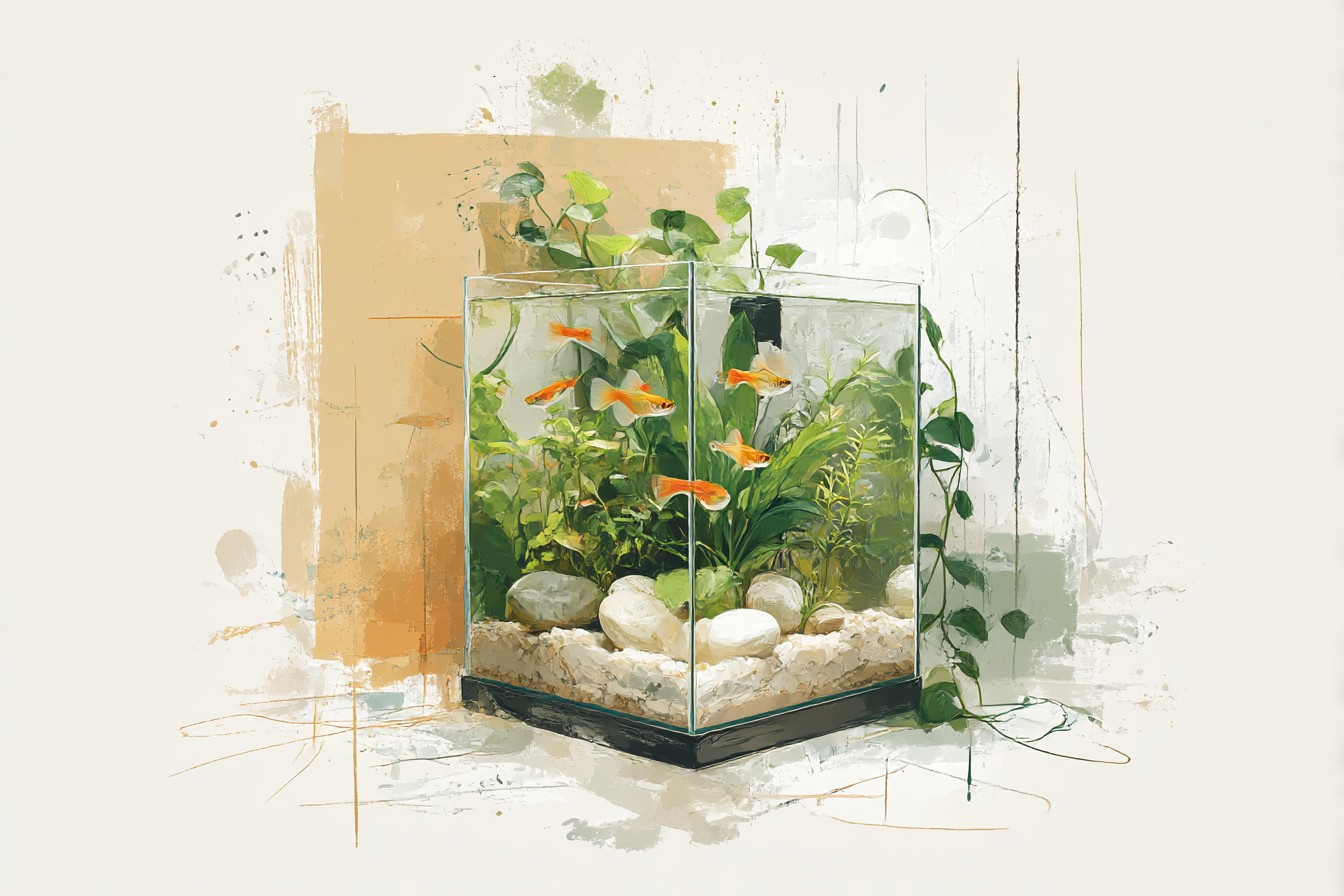
Begin fishless cycling or add a few hardy guppies if plants are growing actively.
Monitor ammonia and nitrite, but expect plant uptake to minimise dangerous accumulation if bioload stays light. **Budget Breakdown:** * Hornwort portions: £15-25 * Anacharis bunches: £12-20 * Cryptocoryne plants: £20-30 * Water test kit: £15-25 **Total Phase 2: £62-100** **Phase 3: Biological Maturation (Weeks 5-8)** Add remaining guppies gradually, allowing plant and bacterial systems to adapt to increased bioload. Plants should show active growth, requiring first trimmings. This is when the system begins running itself—water changes can decrease to every 2-3 weeks as plant uptake handles most nutrient processing.
Monitor fish behaviour and plant growth rather than obsessing over exact parameter readings. Healthy guppies and growing plants indicate system stability. **Budget Breakdown:** * Guppy stock (6-8 fish): £15-30 * Plant fertilizer: £10-15 * Additional plants if needed: £10-20 **Total Phase 3: £35-65** **Phase 4: Long-term Optimization (Month 3+)** Fine-tune lighting duration and plant trimming schedule based on how your specific system responds. Some plants may need replacing or repositioning, but the core system should now handle biological filtration reliably.
This is when you’ll know if the system truly runs itself. Water parameters should stay stable between water changes, plants should grow consistently, and guppies should display natural behaviours including breeding. **Budget Breakdown:** * Replacement/additional plants: £10-20 * Long-term supplies: £15-25 **Total Phase 4: £25-45** **Overall System Cost: £332-545** The system pays for itself through reduced ongoing costs—fewer chemicals, less frequent water changes, and healthier fish that live longer and require fewer medications. Most importantly, you end up with a stable, attractive tank that genuinely requires minimal intervention once established.
If you’re considering planted tanks more broadly, our [complete planted tank guide](#) covers the principles that apply across different fish species and tank styles. But for guppies specifically, this plant-focused approach creates the most reliable low-maintenance system I’ve found in eighteen months of keeping these remarkably adaptable fish.


