
# How to Grow Aquarium Plants and the Four Things That Actually Matter Look, I’ve watched enough people spend hundreds on fancy aquascaping setups only to watch their plants slowly dissolve into green mush. I’ve done it myself. You buy the Instagram-worthy tank, the boutique substrate, the LED light that costs more than your monthly food budget, and somehow your “beginner-friendly” plants still look like they’re dying a slow death.
After running multiple small setups in my flat and helping local aquascapers troubleshoot their failing builds, I’ve learned that plant growth comes down to four fundamentals. Get these right, and even cheap plants from the local fish shop will thrive. Get them wrong, and even the most expensive tissue culture specimens will struggle.
It’s not about having the perfect setup or unlimited budget. It’s about understanding what plants actually need and giving them those things consistently.
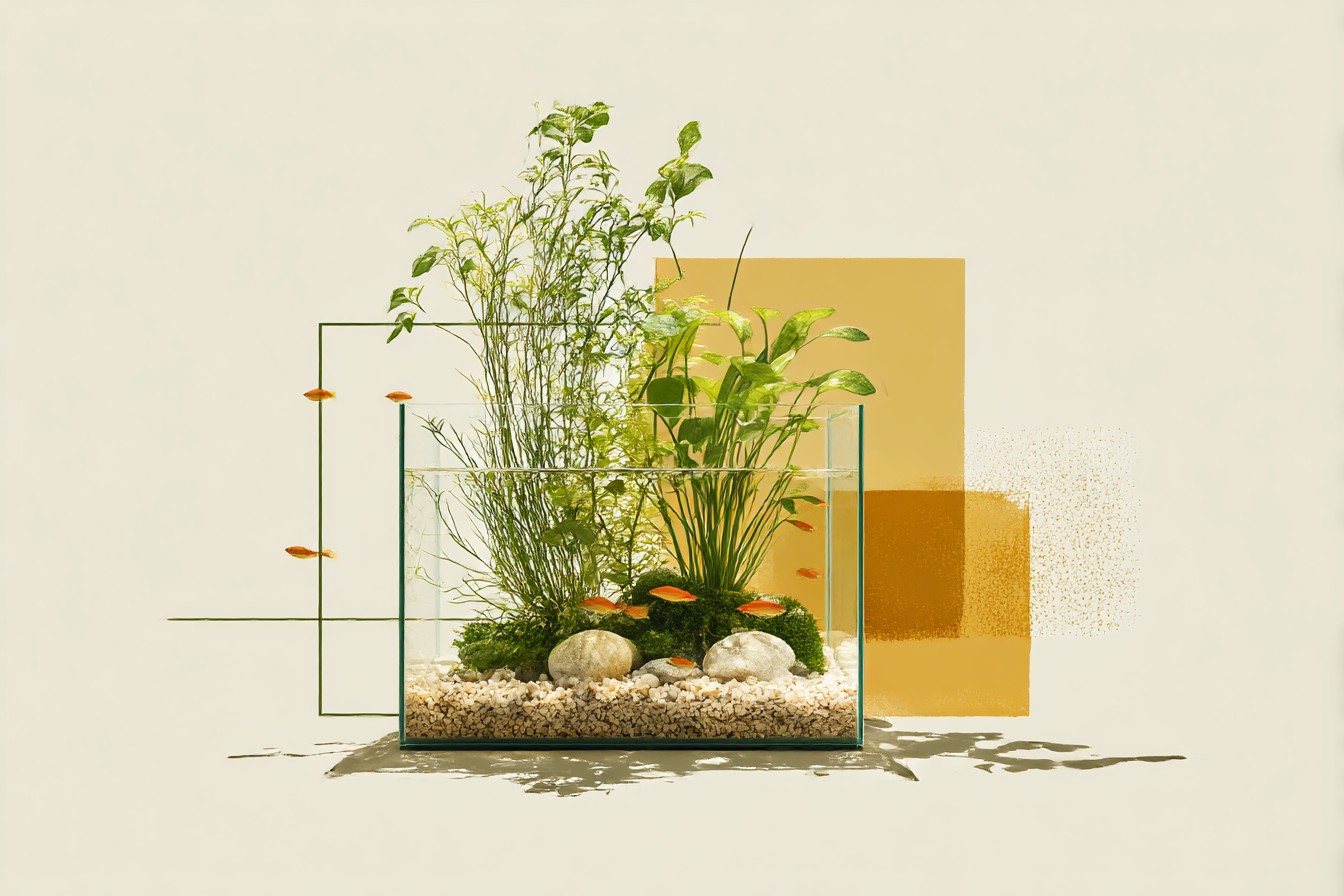
The problem isn’t that aquarium plants are difficult.
The problem is that most advice treats symptoms instead of causes. You’ll find endless discussions about substrate brands, CO2 diffuser types, and fertiliser ratios, but not enough focus on the core principles that determine whether plants grow or die. Once you understand these four pillars, the equipment choices become much clearer and your budget goes much further. ## The Science Behind Aquatic Plant Growth All aquarium plants need three growth pillars: light, nutrients, and CO2 (2Hr Aquarist).
These aren’t independent factors – they work together in what’s called the law of limiting factors. If any one of these is insufficient, it becomes the bottleneck that limits growth regardless of how much you provide of the other two. **Light as Energy Source**: Light drives photosynthesis, the process that converts CO2 and water into glucose using energy from photons. Different plants have evolved for different light conditions in nature, which determines their light requirements in our tanks.
Low light plants from shaded forest streams need 20-40 µmol m²/s PAR, while plants from sunny shallows need 80-200 µmol m²/s PAR (The Aquarium Expert). **Carbon as Building Material**: Carbon makes up 40-50% of plant dry weight (UK Aquatics), making it the most important raw material for growth. In nature, most aquatic plants get carbon from CO2 dissolved in water. In our closed systems, CO2 levels drop quickly as plants consume it, which is why CO2 injection makes such a dramatic difference to growth rates. **Nutrients as Catalyst**: Plants need both macronutrients (nitrogen, phosphorus, potassium) and micronutrients (iron, manganese, trace elements) for cellular processes.
Fish waste provides some nutrients, but planted tanks typically need supplemental fertilisation to support healthy growth without deficiency symptoms like yellow leaves or stunted development. The key insight is balance. High light without sufficient CO2 and nutrients leads to algae.
High nutrients without adequate light leads to poor plant health and water quality issues. Understanding this relationship helps you match your lighting, CO2, and fertilisation to create stable growing conditions. ## Mastering Light: The Foundation of Plant Growth Light quality, intensity, and duration determine which plants you can grow successfully and how fast they’ll develop. Getting this right from the start prevents most common plant failures. **Choosing the Right Intensity**: Your lighting determines your plant selection more than any other factor.
Low light setups (20-40 µmol m²/s PAR) suit plants like Anubias, Java fern, and most Cryptocoryne species. Medium light (40-80 µmol m²/s PAR) opens up options like Vallisneria, Hygrophila, and most Echinodorus varieties. High light (80-200+ µmol m²/s PAR) allows demanding species like Hemianthus Cuba, Rotala varieties, and most red plants (The Aquarium Expert). **Photoperiod Management**: Most planted aquariums do well with 6-8 hours photoperiod (Aquascaping Academy).
Longer periods don’t necessarily improve plant growth but often trigger algae problems, especially in new setups. I’ve found 7 hours works well for most community tanks with mixed plant species. **Budget-Conscious Lighting Solutions**: You don’t need £200 LED units to grow plants successfully. For small tanks under 60 litres, clip-on LED panels from £25-40 provide adequate light for low to medium light plants.
For larger tanks, basic full-spectrum LED strips offer better value than high-end units unless you’re specifically growing demanding red plants or attempting carpeting species. **UK-Specific Considerations**: Our shorter winter days and variable seasonal light affect room temperature and natural algae cycles. Tanks near windows may need photoperiod adjustments seasonally. Northern regions with softer water often have better success with lower light setups, as the water chemistry naturally suits plants that prefer moderate conditions.
The critical mistake is buying high-intensity lights without understanding the increased CO2 and nutrient demands that follow. High light forces you into active CO2 injection and precise fertilisation, dramatically increasing complexity and running costs. ## CO2: The Growth Accelerator CO2 injection transforms plant growth rates more dramatically than any other single factor. But it’s also where costs escalate quickly, so understanding when you need it and how to implement it efficiently matters enormously for both your budget and your fish. **When CO2 Injection Becomes Necessary**: Low light setups often thrive without added CO2, relying on natural CO2 from fish respiration and organic decomposition.
Medium light tanks benefit significantly from CO2 but can sometimes manage with liquid carbon supplements. High light setups almost always require pressurised CO2 injection to prevent algae problems and achieve healthy plant growth. **Target CO2 Levels**: The target CO2 level often cited around 30 ppm for planted tanks (Charterhouse Aquatics). However, this needs balancing against fish tolerance and your ability to maintain stable levels.
Many successful planted tanks run at 15-25 ppm with good results and better safety margins. **Budget CO2 Options**: Pressurised systems start around £80-120 for basic setups, but running costs add up through CO2 refills at £15-25 each lasting 3-6 months depending on tank size. DIY yeast reactors work for small tanks under 60 litres but require weekly maintenance and provide inconsistent CO2 levels. **Implementation Strategy**: Start CO2 injection several hours before lights come on and stop it 1-2 hours before lights go off. This prevents overnight CO2 buildup that can stress fish while ensuring plants have adequate carbon during peak photosynthesis hours.
Drop checkers provide visual monitoring, turning from blue (low CO2) to green (optimal) to yellow (excessive). For flat setups like mine, I’ve found the most reliable approach is starting with low-medium light plants that don’t require CO2, then adding pressurised CO2 only if I want to grow more demanding species. This keeps initial costs down while leaving upgrade paths open. ## Nutrition: Feeding Your Plants Properly Plant nutrition is where a lot of aquascapers get overwhelmed by complicated ratios and expensive supplements.
The reality is much simpler – plants need consistent access to essential nutrients without massive fluctuations that trigger algae. **All-in-One vs Individual Supplements**: For most hobbyists, quality all-in-one fertilisers provide better results than trying to dose individual nutrients. Tropica’s Premium Nutrition recommended dose is 6ml per 50L weekly (Tropica), while Aquarium Co-Op’s Easy Green uses 1 pump per 10 gallons weekly (Aquarium Co Op). These provide balanced nutrition without the complexity of calculating individual ratios. **Substrate vs Water Column Feeding**: Heavy root feeders like Echinodorus and Cryptocoryne benefit from nutrient-rich substrates or root tabs, while stem plants and epiphytes primarily absorb nutrients from the water column.
Many successful low-budget setups use inert sand with liquid fertilisation, which allows better control over nutrient levels. **Dosing Schedule and Consistency**: Weekly dosing after water changes works well for most tanks, but high light setups may benefit from splitting doses across multiple days to maintain stable nutrient levels. The key is consistency – irregular fertilisation often causes more problems than slight under-dosing. **Budget Fertilisation**: Quality liquid fertilisers cost £10-20 and last months in small tanks. Root tabs are £8-15 for a pack that lasts 6-12 months depending on tank size.
This represents one of the lowest ongoing costs in planted aquariums, yet inadequate nutrition is behind many plant failures. Monitor plants for deficiency symptoms: yellowing older leaves often indicates nitrogen deficiency, while pale new growth suggests iron or other micronutrient deficiencies. Adjust dosing gradually rather than making dramatic changes that can destabilise the system. ## Common Implementation Mistakes That Kill Plants
You Might Also Like
Mistake #1: Buying high-light plants for low-light tanks. This is probably the most common plant failure I see.
People buy Hemianthus Cuba or red Rotala species for tanks with basic LED strips, then wonder why the plants stretch, lose colour, or simply dissolve. These plants evolved in high-light environments and genuinely cannot photosynthesize efficiently under low light conditions. Choose plants that match your lighting, not plants that look good in other people’s photos.
Mistake #2: Impatience during the acclimation period. Plants’ acclimation melt phase can last 1-4 weeks (Aquarium Tales).
Newly planted setups often look worse before they look better as plants adapt to your specific water conditions. Many people panic and start changing fertilisers, adjusting CO2, or replacing plants during this normal adjustment period, which just extends the instability.
Mistake #3: Overdosing fertilisers to compensate for other problems. When plants show deficiency symptoms, the instinct is to add more fertiliser. But if the real problem is insufficient light or unstable CO2, extra nutrients just feed algae growth.
Always cheque that your lighting and CO2 are appropriate before increasing fertiliser doses.
Mistake #4: Inconsistent photoperiods and CO2 timing. Plants adapt to predictable light cycles. Constantly changing the duration or timing of lights and CO2 stresses plants and can trigger algae blooms. Set up timers and stick to consistent schedules, even if it means occasionally running the system when you’re not there to see it.
Mistake #5: Ignoring water chemistry compatibility. UK water hardness varies enormously regionally, and this affects which plants will thrive.
Very soft water areas often struggle with plants that prefer moderate hardness, while very hard water can cause deficiency symptoms in plants adapted to soft conditions. Test your tap water and choose plants accordingly rather than fighting your local water chemistry.
## Research Supporting Plant Growth Fundamentals Multiple controlled studies demonstrate the interconnected relationship between light, CO2, and nutrients in aquatic plant growth. Research shows that increasing any single factor without corresponding adjustments to the others typically results in algae problems rather than improved plant health.
Studies on aquatic plant photosynthesis consistently show that light intensity determines the maximum growth rate possible, while CO2 availability determines how close to that maximum the plants actually achieve. Nutrient deficiencies create bottlenecks that prevent plants from utilising available light and CO2 effectively, leading to poor growth and increased susceptibility to algae competition. The photoperiod research indicates that longer light periods don’t necessarily increase plant growth beyond 8-10 hours per day, but do increase algae risk in systems where CO2 or nutrients become limiting later in the photoperiod.
This supports the common recommendation for moderate photoperiods with consistent daily timing. ## Adapting Principles Across Different Tank Types **Small Nano Tanks (under 40 litres)**: Lower water volume makes parameter swings more dramatic, so conservative fertiliser dosing and stable photoperiods become more critical. CO2 injection is often unnecessary if you choose appropriate low-light plants and maintain good water quality through regular small water changes. **Large Community Tanks (150+ litres)**: Higher bioload from fish provides more natural nutrients, often allowing reduced fertiliser dosing. Larger water volume buffers parameter changes better, making these systems more forgiving for beginners learning to balance light, CO2, and nutrients. **High-Tech Planted Tanks**: Require precise coordination of high light, pressurised CO2, and regular fertilisation.
Daily monitoring and consistent maintenance schedules become essential, with less room for error but potential for spectacular plant growth and complex aquascapes. **Low-Tech Plant Setups**: Focus on hardy plants that thrive in stable, moderate conditions. Success depends more on consistency and appropriate plant selection than on expensive equipment or complex dosing regimens. **Breeding Tanks with Plants**: Plants provide fry hiding spots and improve water quality, but avoid CO2 injection which can stress breeding fish. Low-light, slow-growing plants work better as they don’t compete aggressively with fish for oxygen or destabilise water chemistry. ## Benefits of Getting Plant Growth Right **Stable Water Chemistry**: Healthy plants consume nitrates, phosphates, and other waste products that would otherwise accumulate and harm fish.
Well-established plant growth can reduce water change frequency and improve overall tank stability within 6-8 weeks of proper establishment. **Natural Algae Control**: Plants that are actively growing outcompete algae for nutrients and light. A properly balanced planted tank typically shows significant algae reduction after 8-12 weeks as plant biomass increases and the system stabilises. **Enhanced Fish Health**: Plants provide oxygen during photoperiods, create natural territories and hiding spots, and help maintain stable pH through their biological processes. Fish in well-planted tanks typically show better colouration and more natural behaviours. **Lower Maintenance Requirements**: Established planted tanks often need less intervention than fish-only setups once the plant growth is balanced.
The plants handle much of the biological filtration load, reducing dependency on mechanical filtration and frequent water changes. **Cost Effectiveness Over Time**: While initial setup costs may be higher, healthy plants propagate naturally, providing free plants for expansion or trading with other aquascapers.
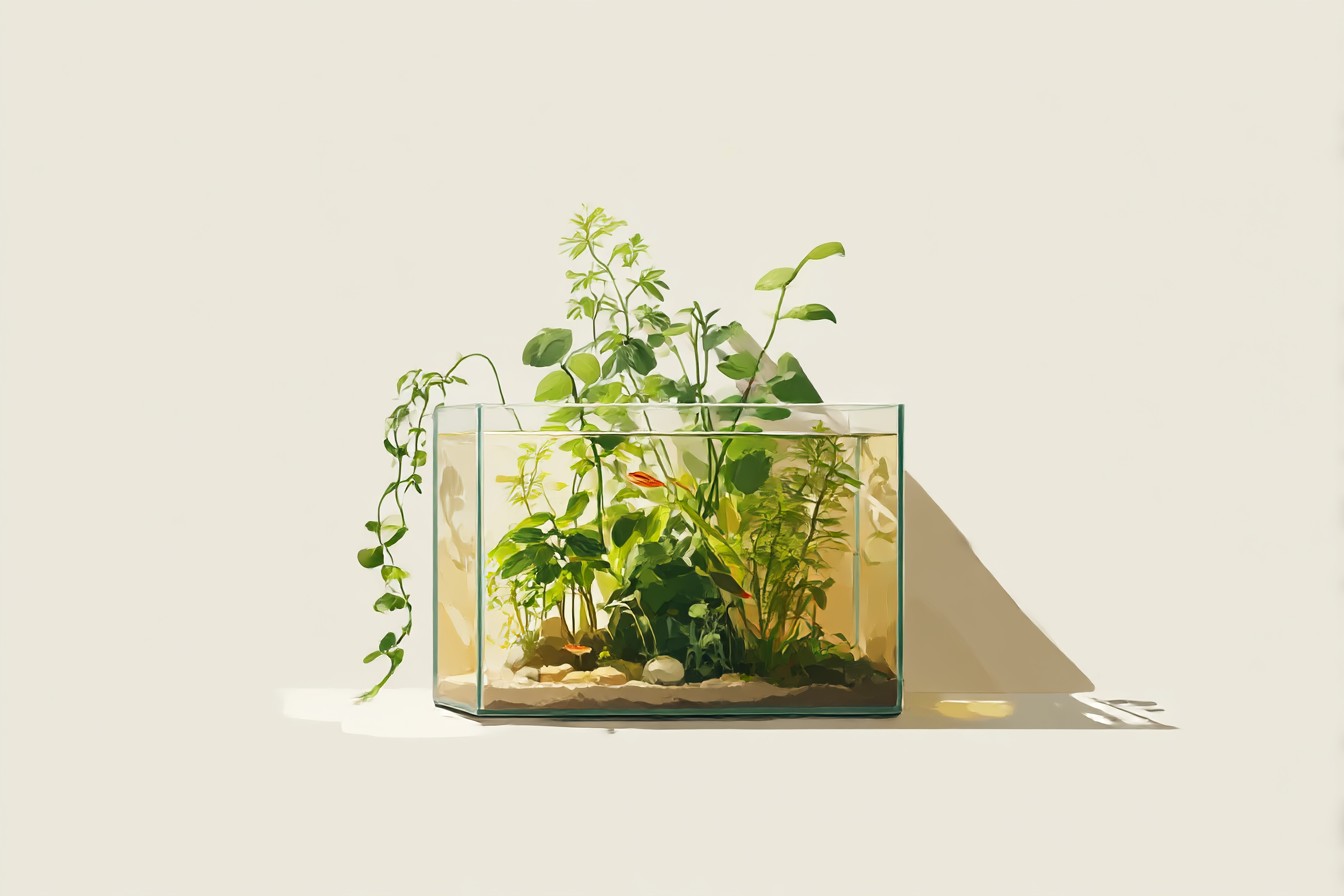
Many of my current plants came from clippings and divisions of original purchases made months ago. **Educational Value**: Understanding plant growth teaches you about aquarium ecology in ways that fish-only tanks don’t. You learn to read biological indicators, understand nutrient cycles, and develop troubleshooting skills that apply to any aquatic system. ## Step-by-Step Implementation Guide **Phase 1: Foundation Setup (Weeks 1-2)** Start with appropriate lighting for your chosen plants and establish consistent photoperiods using timers.
Select plants that match your lighting level rather than trying to make demanding plants work under basic equipment. Plant heavily from the start – sparse planting often leads to algae problems as unused nutrients accumulate. **Budget Breakdown:** * Basic LED lighting: £25-60 * Timer: £8-15 * Plant starter pack (low-medium light species): £30-50 * All-in-one fertiliser: £12-18 **Total Budget: £75-143** **Phase 2: Stability and Growth (Weeks 3-8)** Focus on consistency in lighting, fertilisation, and maintenance. Expect some plant melting during weeks 2-4 as plants adapt to your conditions.
Resist the urge to make major changes during this adjustment period. Monitor plant health and adjust fertiliser dosing if you see clear deficiency symptoms, but avoid constant tweaking. **Budget Addition:** * Root tabs (if needed): £8-12 * Water test kit: £15-25 **Phase 2 Budget: £23-37** **Phase 3: Optimisation (Weeks 8-16)** By now, plants should show clear signs of new growth and adaptation to your system. This is when you can fine-tune fertiliser dosing, consider CO2 injection for better growth rates, or add more demanding plant species if your basic setup is thriving. **Budget Addition (optional):** * CO2 system: £80-150 * Upgraded lighting: £40-100 **Phase 3 Budget: £120-250 (optional)** **Phase 4: Long-term Success (Months 4+)** Established plant growth allows for expansion through propagation and cuttings.
Plants should be growing predictably, and you’ll understand what your specific setup can support. This is when aquascaping becomes genuinely enjoyable rather than a constant troubleshooting exercise. **Ongoing Costs:** * Fertiliser refills: £12-18 every 3-6 months * CO2 refills: £15-25 every 3-6 months (if using) The key to success is matching your ambitions to your setup and budget, then being consistent with the basics rather than constantly changing approaches. Plants respond to stability more than perfection.


