
# Pothos and the House Plant You Can Stick in Your Filter and Watch It Explode I stumbled onto pothos purely by accident. My flatmate had this straggly houseplant on the kitchen windowsill that looked half dead, and I mentioned it needed water. She laughed and said it was basically unkillable, then started telling me how people stick bits of it in fish tanks.
I thought she was winding me up. A week later I had a cutting dangling from my HOB filter, and now I’m that person who evangelises about putting houseplants in aquariums to anyone who’ll listen. The scientific name is Epipremnum aureum, though it’s also called devil’s ivy (Aquarium Co-Op).
It’s not an aquatic plant, but its roots absolutely thrive when submerged in tank water (Dustins Fish Tanks). What makes it brilliant for budget aquarium keeping is that it costs about £3 from any garden centre, works in almost any setup, and genuinely makes a difference to water quality. ## Quick Reference | Type | Lighting Needs | Setup Cost | Growth Rate | Nitrate Removal | Our Rating | |——|—————-|————|————-|—————–|————| | Terrestrial/Semi-aquatic | Very Low | £3-5 | Fast | Good | 9/10 | ## The Accidental Aquarium Plant Pothos wasn’t meant to be an aquarium plant.
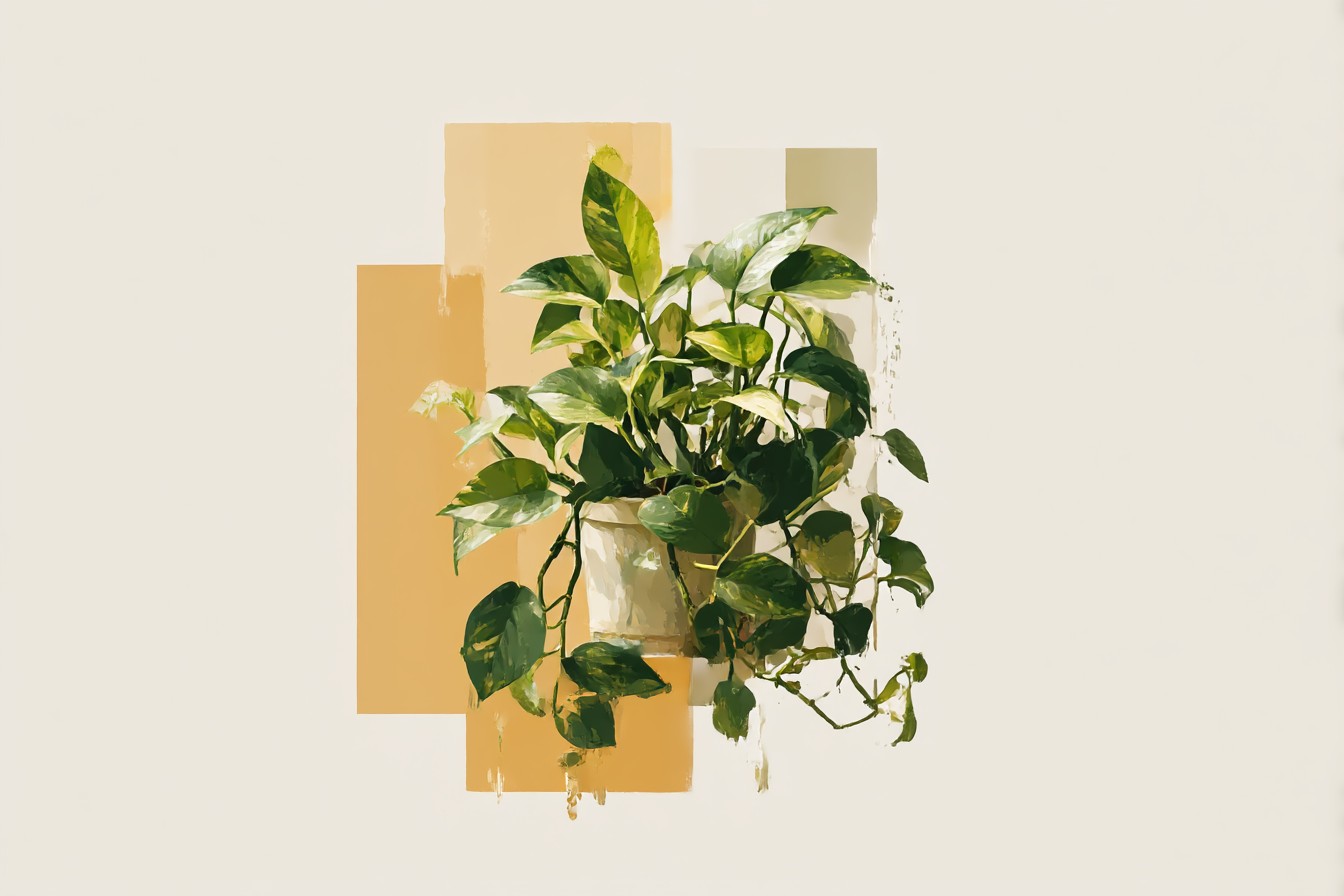
It’s a tropical houseplant from Southeast Asia that’s made itself at home in living rooms worldwide because it tolerates neglect better than most plants tolerate proper care.
The aquarium connection happened when someone noticed their pothos cuttings rooting happily in a glass of water and thought, why not fish tank water? It turned out fish tank water is basically plant fertiliser. All those nitrates we spend time worrying about?
Plants see them as food. The difference is that proper aquatic plants need decent lighting, often CO2, sometimes specific substrates. Pothos needs a surface to rest on and water to put its roots in.
That’s it. The hobby latched onto it as a solution to a specific problem. You’ve got tanks where traditional planted tank approaches don’t work.
High pH cichlid setups where most plants melt. Low light tanks where nothing green thrives. Tanks with plant destroying fish that treat anything rooted in the substrate like a salad bar.
Pothos sidesteps all of that by staying outside the tank where the fish can’t reach it. ## What Makes It Actually Useful The first thing that struck me about pothos in my setup was how quickly it responded. Roots develop within a week of placing cuttings in aquarium water (FishLore), and then they just keep growing. Not the slow, tentative growth you get with some aquatic plants when conditions aren’t perfect.
Proper explosive growth that you can actually see day to day. What it’s doing is absorbing nitrates and other nutrients through its roots, usually within 4 to 5 days of being placed in the tank (Plantophiles). It prefers ammonium over nitrate, especially in early growth stages (FishLore), which means it’s actually competing with your biological filter bacteria for the same nutrients.
In practise this doesn’t seem to cause issues, but it’s worth knowing that the plant is essentially doing some of the same work as your filter media. The efficiency isn’t spectacular by aquatic plant standards. It has about 75 percent of the nitrate removal potential of floating surface plants (Aquarium Science).
But here’s where the practical advantages kick in. Floating plants often get pulled into filter intakes, create shadows that interfere with viewing the tank, or get eaten by fish. Pothos sits outside the tank doing its work without any of those complications.
The key rule is that leaves must stay above water with only the roots submerged (Aquarium Co-Op). This isn’t a plant that’s evolved to live underwater. Submerge the leaves and they’ll rot.
Keep them above the surface and the roots will colonise your filter compartment while the vines trail down the side of your tank stand or across your windowsill. The placement options are what make it genuinely practical for small setups. It can be placed in hang on back filters to keep roots away from plant eating fish (Dustins Fish Tanks).
This is perfect if you’re running cichlids or other fish that see anything green as food. The roots do their nutrient absorption work safely tucked inside the filter where the fish can’t reach them. For lighting, this is where pothos really shines for budget setups.
It’s extremely hardy and will survive even in very low light, nearly dark conditions (Plantophiles). I’ve got one growing under the ambient room lighting in my kitchen with no dedicated plant light at all. It’s not growing as vigorously as the ones near windows, but it’s healthy and still pulling nutrients from the tank. ## The Aesthetic Factor This isn’t just about water chemistry.
A pothos setup changes how your tank looks, and not always in ways you’d expect. The vines grow into long trails outside the tank, providing what’s genuinely a jungle aesthetic (Aquarium Science). Your aquarium starts to feel integrated into the room rather than sitting there like an isolated box of water.
You Might Also Like
The green trailing vines soften the hard edges of equipment. They hide filter tubes, disguise where your heater cord comes out, make the whole setup look more organic. If you’re dealing with a small space where every visual element matters, this integration with the room’s plant life makes a genuine difference.
The downside is that pothos grows fast enough to take over if you don’t manage it. I’ve ended up with vines trailing across my desk, wrapping around my monitor stand, reaching for the light fixture. It’s not difficult to trim, but it does need regular attention once it gets going. ## What It Can’t Do I need to be realistic about the limitations.
A single pothos plant is not enough to filter a moderately stocked tank (Cichlid Forum). It’s a supplement to proper filtration, not a replacement. If your nitrates are consistently high, you need to address stocking levels, feeding, or your actual filter capacity before expecting any plant to solve the problem.
The growth rate that makes it exciting also makes it needy for nutrients. A pothos that’s growing fast is pulling a lot from your tank water. In a heavily planted tank with limited fish waste, you might actually need to dose fertilisers to keep everything balanced.
This seems to defeat the point of using it to reduce excess nutrients, but it’s something to watch for in low bioload setups. Placement can be fiddly. Getting the roots in the water while keeping the leaves dry requires some thought about how your equipment is arranged.
With HOB filters it’s straightforward, but with canister filters or sumps you need to work out where the plant actually sits. I’ve seen people use everything from media baskets to plant pots balanced on filter housings. The aesthetic integration cuts both ways.
If you’re going for a clean, minimalist tank setup, trailing vines everywhere might not fit the look you want. Some people love the jungle effect, others find it clutters up their space. ## Perfect For Problem Tanks Where pothos really proves itself is in setups where conventional aquatic plants struggle. It’s an ideal solution for tanks with plant destroying fish like cichlids (Cichlid Forum).
You get the biological benefits of having plants in your system without giving your fish anything to demolish. High pH tanks are another good application. Many aquatic plants prefer slightly acidic conditions, but pothos tolerates alkaline water without problems.
Same with hard water setups where sensitive plants struggle with the mineral content. For anyone running tanks with minimal lighting, this solves the eternal planted tank problem of needing decent lights to grow anything useful. Office tanks under fluorescent lighting, bedroom setups where you don’t want bright aquarium lights, anywhere that keeping plants usually means buying expensive lighting equipment.
The budget aspect can’t be overstated. A £3 cutting from the garden centre gives you a plant that’ll grow for years and propagate easily. Compare that to the cost of setting up CO2 injection, buying proper plant lights, and purchasing aquatic plants that might not even survive your specific conditions. ## Long Term Reality I’ve been running pothos in various tanks for nearly two years now.
The initial excitement of watching rapid root growth settles into a routine of occasional trimming and monthly assessment of whether the plant needs repositioning as it grows. The nitrate reduction is real but not dramatic. My 60 litre shrimp tank went from weekly nitrate readings of 15-20 ppm to consistently under 10 ppm.
That’s a meaningful improvement, especially for sensitive species, but it’s not magical. The tank still needs water changes, the filter still needs cleaning, the basic maintenance doesn’t disappear.
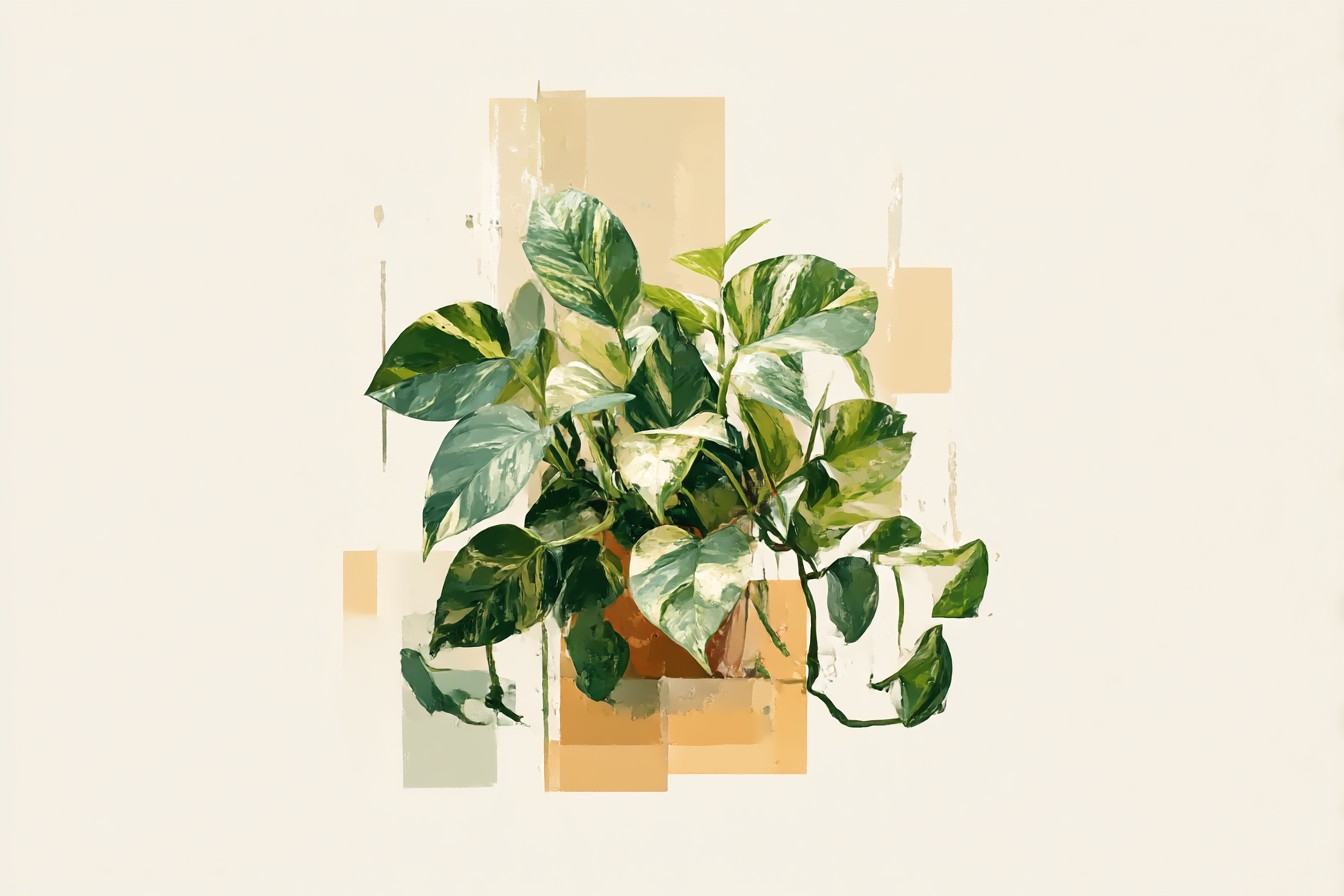
What’s changed is that the tank feels more stable.
Fluctuations seem gentler, recovery from disruptions like overfeeding happens faster. Whether this is purely down to the nitrate absorption or some other effect of having a thriving root system in the filter, I can’t say for certain. But the overall system health has noticeably improved. ## The Verdict For budget conscious aquarium keepers, pothos is genuinely brilliant.
It costs almost nothing, tolerates neglect, provides actual biological benefits, and solves the plant problem for fish that won’t leave aquatic plants alone. The aesthetic integration with your living space is a bonus that makes the whole setup feel more natural. The limitations are real.
It’s not a miracle cure for poor tank maintenance, it won’t replace proper filtration, and it does require some planning for placement. But for what it costs versus what it delivers, few things in this hobby offer better value. If you’re running a problem tank where conventional plants don’t work, if you’re on a tight budget but want some of the benefits of a planted setup, or if you just want to try something different that actually works, this is worth doing.
Start with one cutting, see how it goes, propagate more if you like the results. See where this placed in our full ranking of beginner friendly aquarium plants.


