
# Rotala Rotundifolia: The Stem Plant That Goes From Green to Red Based on What You Feed It I’ve killed plenty of plants trying to get them red. Spent months adjusting CO2, switching fertilisers, moving lights closer, all whilst watching perfectly healthy green plants stay stubbornly green. Then I picked up a few stems of Rotala rotundifolia from someone’s trimming bucket at the local aquatic shop, stuck them in a corner of my nano tank, and three weeks later I had proper red tops without changing a single thing about my setup.
Sometimes the hobby teaches you that the expensive, complicated solutions aren’t always the ones that work. What makes this plant special isn’t just that it’ll go red under the right conditions. It’s that those conditions aren’t particularly demanding, and the colour change happens predictably based on what you’re feeding it.
Miss a few doses of nitrogen and the tops start blushing pink. Keep the nitrates low and add a bit of iron, and you get proper red growth that doesn’t fade the moment you look at it wrong.
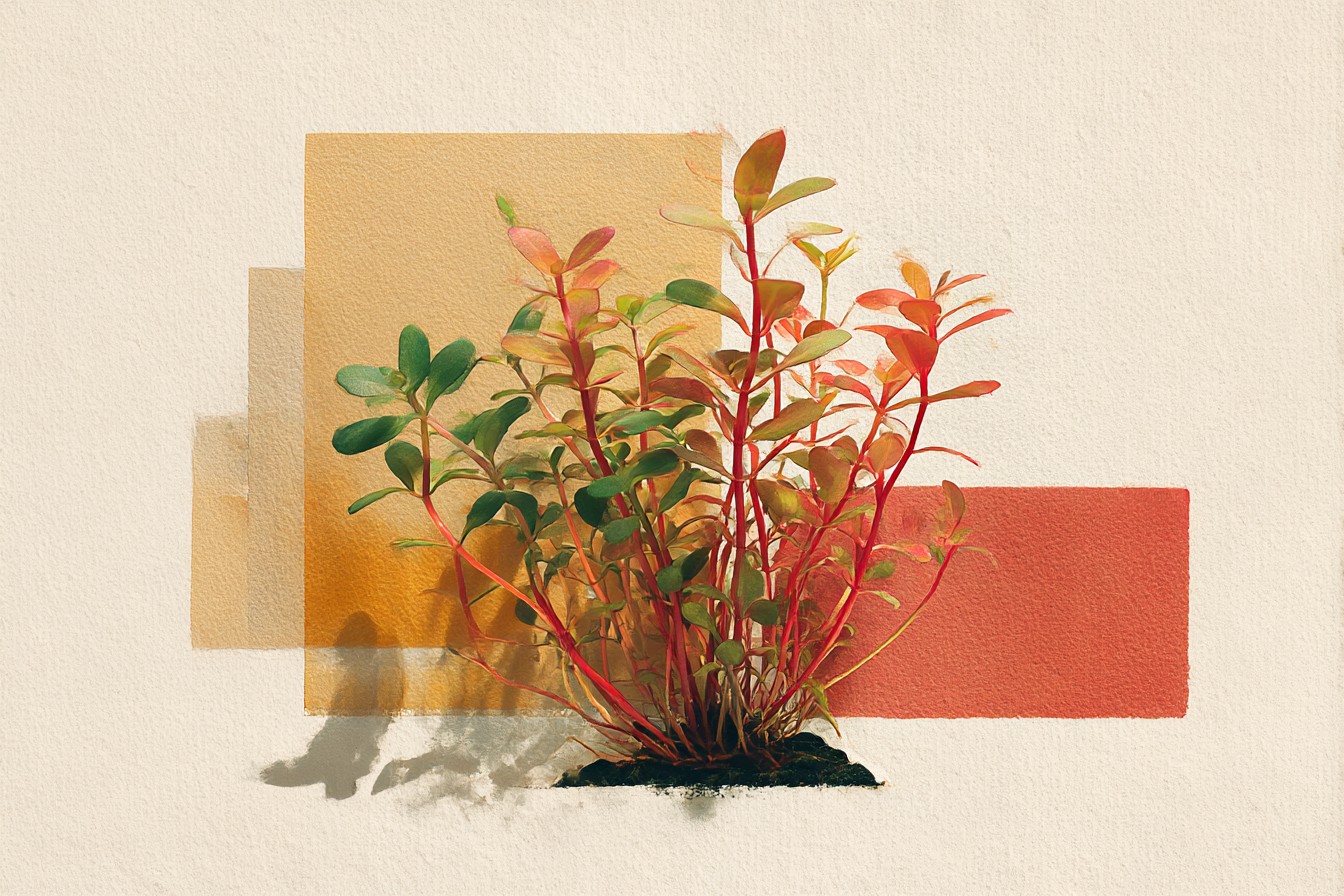
It’s like having a visual nutrient indicator that also happens to look brilliant in a tank. | Care Level | Lighting Needs | CO2 Required | Growth Rate | Max Size | Our Rating | |————|—————|————–|————-|———-|————| | Easy-Medium | Medium-High | No (beneficial) | Fast | 40-60cm | 4.2/5 | ## Background and Natural Origins Rotala rotundifolia comes from Southeast Asia, where it grows both submerged and emersed across a range of water conditions that explains why it’s so adaptable in our tanks.
In nature, it’s found in rice paddies, slow streams, and seasonal wetlands where water levels fluctuate and nutrient availability changes dramatically throughout the year (Tropica). The plant’s ability to shift between green and red colouration is actually an adaptation to these changing conditions. When nutrients are plentiful, particularly nitrogen, it puts energy into rapid green growth.
When nutrients become limited, it produces anthocyanins, the red pigments that also protect it from high light levels whilst it adjusts its metabolism. What we see as an attractive colour change in our tanks is really the plant’s way of dealing with feast and famine cycles in its natural habitat. It entered the aquarium trade in the 1960s and quickly became popular because it grows reliably under a wide range of conditions.
Unlike some stem plants that demand specific parameters or they’ll melt, Rotala rotundifolia adapts to what you give it. The pH tolerance alone runs from 4.5 to 8 (AquariumLesson), which covers everything from soft rainwater setups to hard tap water tanks. Temperature range is equally forgiving, from 18–30°C (Aqua-Fish.net), though it can actually handle even wider swings in practise.
The plant you buy today is usually tissue-cultured rather than wild-collected, which means you’re getting clean, pest-free specimens that adapt quickly to tank conditions. Most suppliers now offer it in small pots or as individual stems, making it accessible for anyone wanting to try their first red plant without committing to a huge bunch. ## What Makes It Special The colour-changing behaviour is what sets Rotala rotundifolia apart from other stem plants, but it’s the predictability of that change that makes it genuinely useful rather than just interesting. I’ve been growing this plant for three years now across different tanks, and the pattern is consistent enough that I can reliably get the colours I want by adjusting feeding.
In high-nutrient conditions, particularly with elevated nitrates, you get vigorous green growth with stems that can reach 40–60 cm tall (Aqua-Fish.net) and robust side shoots. The leaves are round to oval, bright green, and the plant looks healthy and full. This is perfect for background planting where you want dense, fast growth to fill space and compete with algae.
Drop the nitrogen levels down and increase iron availability, and the new growth starts showing red tints within a week. The change happens from the top down, with the newest leaves developing pink to deep red colouration whilst the older, lower leaves stay green. Under good light conditions and with consistent iron dosing, the red can become quite intense, almost burgundy in some cases.
What’s particularly useful is that you can maintain this colour gradient indefinitely. The plant doesn’t revert to all-green the moment you change something minor. It responds gradually to your feeding regime, which means you can fine-tune the effect you want.
I run one tank where I keep the nitrates around 10-15 ppm and get mostly green plants with red tops. In my shrimp tank, where I dose much lighter, the same plant variety grows slower but maintains deep red colouration almost to the substrate level. The growth habit makes it versatile for aquascaping.
Unlike some stem plants that grow straight up and look artificial, Rotala rotundifolia develops natural curves and bends, especially when grown with moderate rather than intense lighting. The stems branch readily when topped, creating bushy growth that doesn’t require constant trimming to look full. I’ve found that trimming every three weeks keeps it at the right density without the weekly maintenance some faster stem plants demand.
It propagates easily from cuttings. Any stem section with a few nodes will root when planted, and you can use the trimmings to expand your planting or share with other hobbyists. The roots develop quickly, usually within a week in decent conditions, and new growth appears shortly after.
This makes it an economical choice since you can turn a few initial stems into a full background planting over a couple of months. CO2 injection isn’t required (Fish Laboratory), which puts it within reach of low-tech setups, though it does respond well to supplementation with faster growth and more intense colours. I’ve grown it successfully in both situations, and whilst the CO2-supplemented plants grow faster and hold red colour more easily, the non-CO2 plants still develop good colour under proper lighting with iron supplementation. ## The Honest Assessment The plant isn’t perfect, and there are situations where other choices might serve you better.
You Might Also Like
The fast growth that makes it good for competing with algae also means regular maintenance. If you’re looking for a plant-and-forget option, this isn’t it. Even in moderate light, it needs trimming every few weeks or it becomes leggy and loses its lower leaves.
Getting consistent red colour requires attention to your fertilising routine. Miss iron doses or let nitrates climb too high, and you’ll lose the red pigmentation within a couple of weeks. It’s not difficult to maintain, but it does require you to stay on top of your dosing schedule.
I’ve learned this the hard way when I got lazy about iron additions and watched beautiful red tops fade to green over the course of a month. The plant can be invasive in the sense that trimmings root easily anywhere they land. I’ve found new plants growing in spots where I definitely didn’t plant them, sprouted from small pieces that got missed during maintenance.
This isn’t necessarily a problem, but it does mean you need to be thorough when trimming if you want to keep it contained to specific areas. Under very high light without adequate nutrients, it can develop algae problems. The fast growth means it needs consistent feeding, and if you’re running intense lighting without matching nutrient levels, you create conditions where algae can outcompete the plant.
I’ve seen this happen in setups where someone installed powerful lights thinking that alone would improve red colouration. The colour change, whilst predictable, takes time. If you’re expecting immediate results from adjusting your feeding regime, you’ll be disappointed.
New growth reflects the current conditions, but it takes several weeks of consistent management to see the full effect. This can be frustrating when you’re trying to achieve a specific look for an aquascaping contest or photo session. In very soft water, particularly below 3 KH, the plant can become somewhat unstable and prone to melting if conditions fluctuate.
Whilst it tolerates a wide range of water chemistry, it does seem to prefer some mineral content for long-term stability. Most UK tap water provides enough buffering, but if you’re using RO water, you’ll want to remineralise appropriately. ## Legacy and Influence in Aquascaping Rotala rotundifolia has probably done more to make red plants accessible to average hobbyists than any other single species. Before it became widely available, getting red colouration in planted tanks required either very demanding species or expensive, high-tech setups.
This plant proved that you could achieve striking colour effects with moderate lighting and careful nutrient management rather than expensive equipment. Its influence on modern aquascaping aesthetics has been significant. The ability to create natural-looking colour gradients within a single species opened up design possibilities that weren’t practical before.
Rather than needing different plant species to achieve colour variation, aquascapers could use different nutrient regimes in different zones of the same tank to create subtle transitions from green to red. The plant also helped popularise the Dutch-style approach to planted tanks in the broader hobbyist community. The Dutch method relies heavily on using different growth conditions to create colour and texture contrasts with relatively few species, and Rotala rotundifolia’s responsive nature made this approach accessible to people without decades of experience or unlimited budgets.
In the online aquascaping community, it became a sort of training plant for people learning to manipulate plant colours through nutrient management.
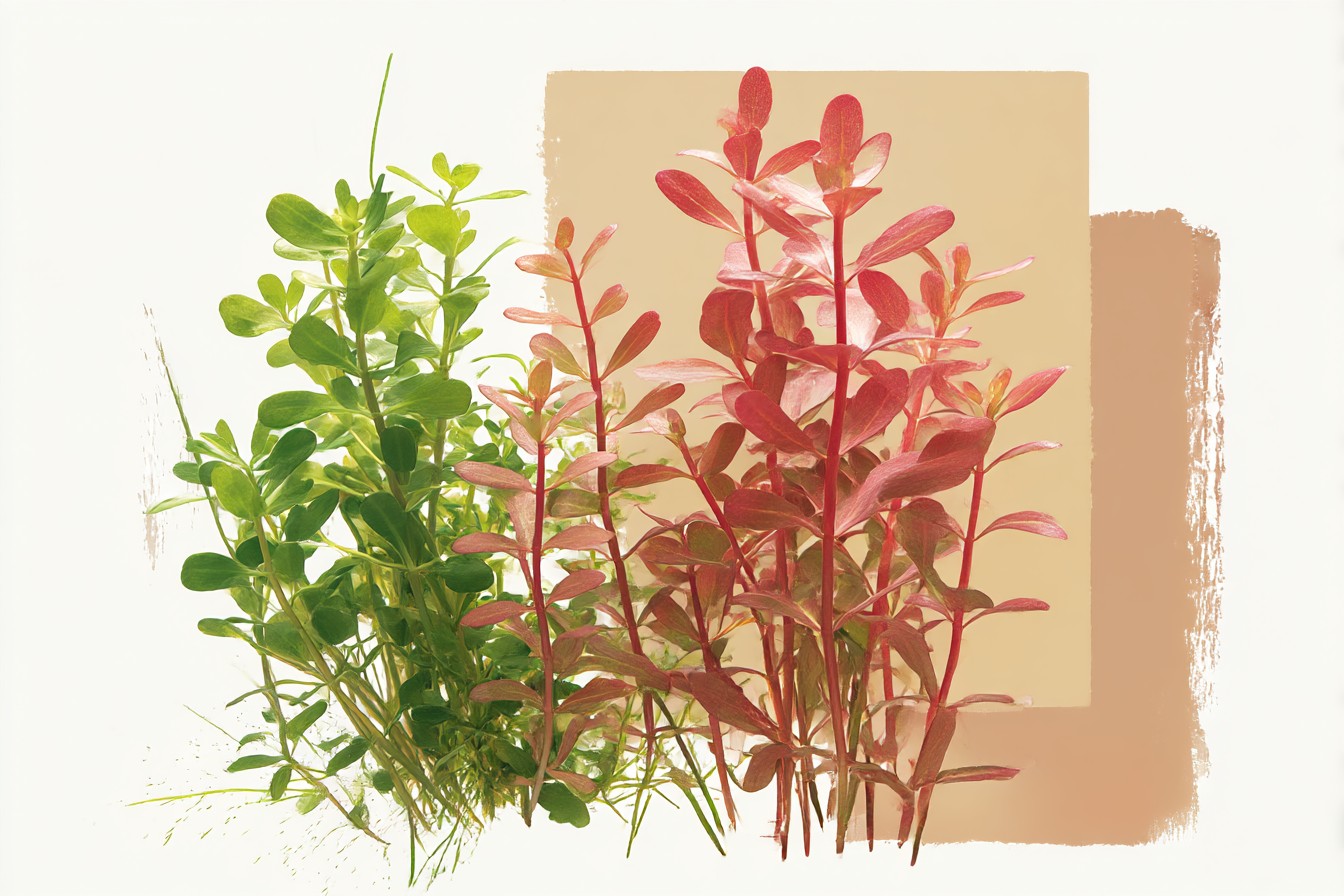
The visual feedback is quick enough and obvious enough that beginners could actually see the results of their adjustments, which helped them understand the relationship between feeding and plant appearance in ways that more subtle plants didn’t teach. ## The Verdict If you want to understand how nutrient management affects plant colouration, and you want to see obvious results without wrestling with a temperamental species, Rotala rotundifolia is probably the best place to start. It’s forgiving enough for beginners but responsive enough to teach you what you’re doing right or wrong with your feeding regime.
The colour-changing ability isn’t just a neat trick. It’s genuinely useful for creating depth and interest in planted tanks without requiring multiple species or complex layouts. You can use the same plant in different roles, from green background filler to red accent pieces, just by adjusting how you feed different areas of the tank.
It’s not the lowest-maintenance plant you could choose, and it won’t give you instant results if you’re impatient. But if you’re willing to stay consistent with trimming and feeding, and you want a plant that will actually show you when you’re getting the nutrient balance right, it’s hard to find a better option. After three years of growing it, I still find it satisfying to watch new growth emerge in whatever colour I’ve managed to encourage.
That doesn’t get old. For anyone running a medium-light setup who’s been told they can’t grow red plants without CO2 and expensive kit, this is worth trying. You might surprise yourself with what’s actually possible when you pick a plant that wants to work with you rather than against you.
See where this placed in our full ranking of the best aquascaping plants for beginners.



[…] won’t give you that instant wow factor that stems like Ludwigia or Rotala provide. What it will do is grow steadily, stay genuinely red, and tolerate the kind of water […]