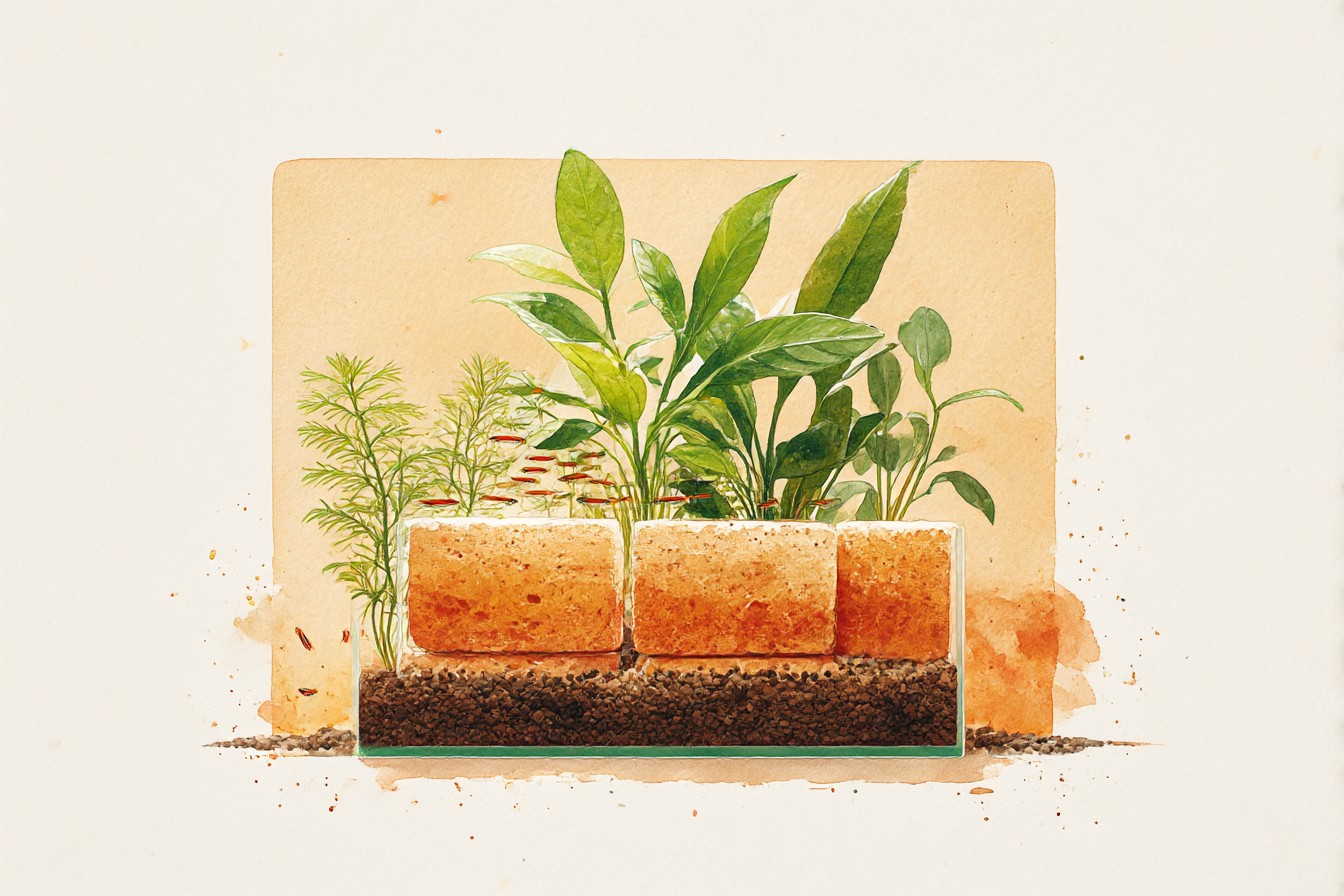
# Seachem Root Tabs and When Your Substrate Needs Feeding From Below I’ve been pushing root tabs into gravel for three years now, and I still get a little thrill when I see new growth explode from a struggling plant within a week of feeding. There’s something deeply satisfying about solving a problem from below rather than dumping more liquid ferts into the water column and hoping for the best. It feels more surgical, more targeted.
Like finally giving your plants exactly what they’ve been asking for all along. Seachem’s Flourish Tabs aren’t the flashiest product in the planted tank world. No fancy packaging, no revolutionary claims, just small brown tablets that dissolve slowly in your substrate and do exactly what they’re supposed to do.
I’ve used probably fifty of them across different tanks, and they’ve never let me down. Not once.
That’s rarer than you’d think in this hobby.
Let me walk you through why these tabs matter, when your plants actually need them, and what three years of pushing these things into various substrates has taught me about keeping root feeders properly fed. ## Quick Reference | **Type** | **Suitable Tank Size** | **Price Range (£)** | **Key Feature** | **Warranty** | **Our Rating** | |———-|————————|———————|—————–|————–|—————-| | Root fertiliser tablets | Any size | £8-12 for 10 tabs | Slow-release formula | N/A | 4.5/5 | ## The Unglamorous Science of Substrate Nutrition Root tabs exist because not all aquatic plants feed the same way. Your floating plants and most stem plants are perfectly happy pulling nutrients from the water column through their leaves and stems. But the heavy root feeders, the ones that anchor deep and spread wide, they want their nutrition served from below.
It’s how they evolved, and no amount of liquid fertiliser is going to change their preferences. Seachem developed Flourish Tabs as part of their comprehensive plant nutrition line, though they don’t shout about the development timeline like some manufacturers do. What matters more is the composition.
Each 7g tablet (Charterhouse Aquatics) contains a targeted blend of nutrients that dissolve gradually over approximately three months. The numbers tell the story of what Seachem thinks plants need most at root level. Iron content sits at 0.8% (Seachem), which makes sense given how often we see iron deficiency in established tanks where the initial substrate nutrients have depleted.
Available phosphate comes in at 0.28% (Seachem), with soluble potash at 0.16% (Seachem). These aren’t massive percentages, but they’re sustained release over months rather than immediate availability. The micro nutrients round out the formula with magnesium at 0.11% (Seachem), sulphur at 0.14% (Seachem), and copper at just 0.0001% (Seachem).
That copper percentage is tiny for good reason. Too much copper kills invertebrates, and these tabs are designed to be shrimp and snail safe when used as directed. ## What Makes Flourish Tabs Actually Work The beauty of these tablets isn’t in any single ingredient but in how they release nutrition over time. I’ve dug up expired tabs from substrates after four months and found small remnants still dissolving.
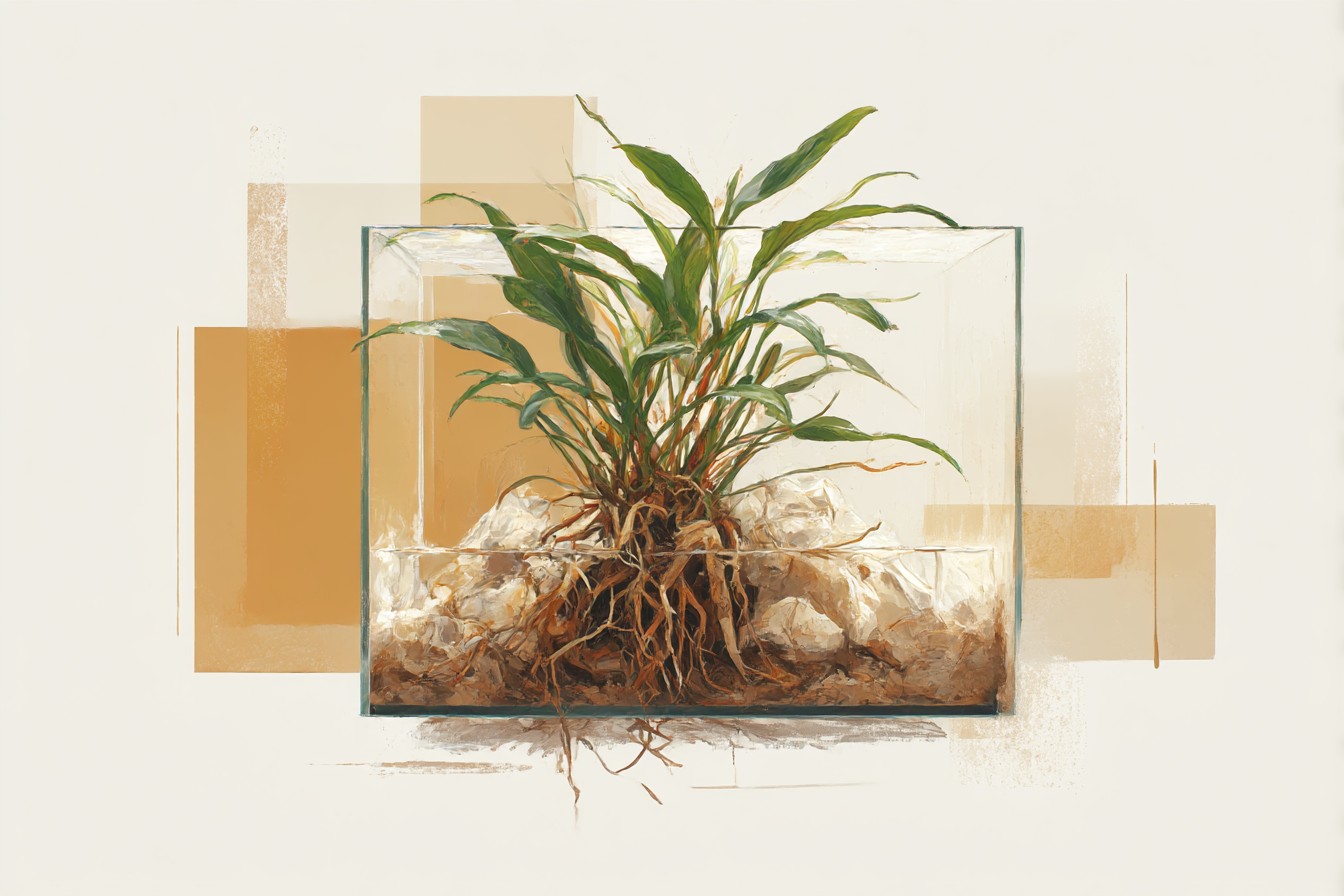
That sustained release matters enormously for root feeding plants that don’t respond well to feast or famine cycles. I first learned this the hard way with a massive Amazon sword that was slowly yellowing despite perfect water parameters and regular liquid fertilisation. The new leaves would emerge green, then fade to pale yellow over weeks.
Classic signs of nutrient deficiency at the roots. Three days after I pushed a Flourish Tab about two inches from its base, the yellowing stopped. Two weeks later, new leaves were emerging larger and staying green.
The plant had been starving from below while I’d been feeding from above. The slow release formula prevents the nutrient spikes that can trigger algae blooms. When you dose liquid ferts, everything in the water column gets fed immediately, including any algae spores waiting for their moment.
Root tabs feed the substrate gradually, keeping nutrients available where established root systems can access them without creating opportunities for unwanted green growth. Each pack contains 10 tabs (Aquarium Gardens), and the recommended placement is one tab per 10-15cm radius every three months (Aquarium Gardens). That’s not a lot of tabs for a decent sized tank, which makes this a relatively expensive way to fertilise if you’re trying to feed an entire substrate.
But that’s not what these are for. They’re targeted nutrition for specific plants that need it most. The effectiveness shows in user feedback.
Amazon UK listings consistently rate these at 4.6 out of 5 stars (Amazon UK), and that rating stays stable across hundreds of reviews. People buy these, use them, and buy them again. In a market full of miracle cures and revolutionary breakthroughs, that steady repeat purchasing tells you everything you need to know about whether they actually work.
I’ve watched these tabs transform struggling Crypts, boost Vallisneria growth rates, and keep large Echinodorus specimens green and healthy for years. The iron content particularly makes a difference to plants showing classic iron deficiency symptoms. New leaf tips stay green instead of fading to yellow, and growth rates increase noticeably within weeks of placement. ## When Your Plants Are Asking for Root Feeding Root tabs aren’t something you just add because you’ve got them lying around.
They’re a targeted response to specific problems, and learning to read those signs makes the difference between necessary intervention and waste of money. The clearest indicator is new leaf discolouration in established root feeding plants. When your Crypts or swords are producing new growth that starts green then fades to yellow or pale green over days or weeks, they’re telling you the root zone is depleted.
This is different from old leaf die back, which is normal plant maintenance. This is fresh growth that can’t sustain its colour because there’s not enough nutrition available where the plant is trying to access it. Growth rate changes are another reliable indicator.
You Might Also Like
A Vallisneria that was sending up new shoots every week suddenly slowing to monthly growth isn’t adjusting to your tank. It’s running out of fuel. Same with Amazon swords that stop producing new leaves, or Crypts that maintain existing foliage but won’t expand their footprint.
The timing matters too. Most enriched substrates, even good ones like Tropica or ADA soil, start showing depletion after 12-18 months in heavily planted tanks. If you’ve got large root feeders that have been thriving for over a year then suddenly start showing deficiency symptoms, substrate depletion is the most likely cause.
Root tabs are cheaper and less disruptive than completely replacing your substrate. Inert substrates like gravel or sand need root feeding much sooner, often within months of planting if you’re growing anything with substantial root systems. You can keep smaller plants happy with water column dosing alone, but anything with roots that spread more than a few centimetres is going to want localised nutrition.
I’ve also learned that plant placement in the tank affects how quickly they deplete available nutrients. Plants positioned directly under high light or in areas with strong flow consume nutrients faster than those in more moderate conditions. A sword plant directly under a CO2 diffuser and 50W of LED is going to exhaust root zone nutrition much more quickly than the same species tucked into a corner with moderate light and gentle circulation. ## The Honest Assessment Flourish Tabs aren’t perfect, and pretending otherwise would be dishonest.
The biggest limitation is cost effectiveness for large scale fertilisation. At £8-12 for ten tabs, covering a heavily planted 200 litre tank properly gets expensive quickly. If you’re trying to feed dozens of plants, liquid fertilisation or substrate replacement becomes more economical.
The placement requirement can also be awkward in established tanks. Getting tabs positioned correctly near plant roots without disturbing existing layouts requires patience and sometimes creative use of feeding tongs or tweezers. I’ve accidentally uprooted smaller plants while trying to push tabs into place near larger specimens.
The slow release, while generally beneficial, means you won’t see immediate results if you’re dealing with severely deficient plants. Liquid iron can green up iron deficient plants within days, while root tabs might take weeks to show comparable results. If you’ve got plants in crisis mode, these tabs might not act fast enough to save them.
Some plant species show minimal response to root tab supplementation. Many mosses, most floating species, and fast growing stems often show no noticeable improvement because they’re not designed to be heavy root feeders. You’re essentially wasting money putting root tabs near plants that won’t use them effectively.
The three month replacement schedule can be easy to forget, especially if you’re running multiple tanks. I’ve definitely had instances where plants started showing deficiency symptoms and I realised it had been four or five months since the last tab placement. Unlike liquid dosing which is part of regular maintenance routine, root tabs require calendar tracking to maintain effectiveness.
Storage is another minor but real issue. The tabs can crumble if stored in high humidity conditions, and once a tab breaks apart it becomes much harder to place accurately in substrate. I learned to keep opened packs in sealed containers after losing several tabs to moisture damage. ## Legacy and Influence Seachem’s approach to root tab formulation has influenced how the hobby thinks about targeted plant nutrition.
Before products like Flourish Tabs became widely available, most aquarists either relied entirely on water column dosing or used homemade clay balls with varying success rates. The standardised nutrient ratios and reliable dissolution rates have made root feeding accessible to hobbyists who don’t want to mix their own fertilisers or experiment with different clay substrates. That democratisation of effective plant nutrition has probably saved more struggling planted tanks than any other single product development.
The success of Flourish Tabs has also demonstrated market demand for slow release aquatic fertilisers.
Multiple manufacturers now produce competing root tab products, and even liquid fertiliser companies have expanded into substrate nutrition. That competition has driven improvements across the category while keeping prices relatively stable.
The three month replacement cycle has become something of an industry standard, with most root tab products following similar timing recommendations. Whether that’s optimal for all plant species and tank conditions is debatable, but it’s simple enough for most aquarists to remember and implement consistently. ## The Verdict Three years and fifty tabs later, I keep buying Flourish Tabs because they consistently solve the problems I ask them to solve. They’re not cheap, they’re not exciting, and they won’t transform a poorly planned tank into an aquascaping masterpiece.
But if you’ve got established root feeding plants showing deficiency symptoms in depleted substrate, these tabs will fix the problem reliably and without drama. They’re particularly valuable for aquarists running established tanks who want to maintain plant health without the disruption of substrate replacement. The slow release formula prevents the nutrient spikes that cause algae problems, and the targeted placement means you’re only feeding where nutrition is actually needed.
If you’re new to planted tanks and still figuring out basic nutrition requirements, start with liquid fertilisation and get that working properly first. Root tabs are a refinement, not a foundation. But if you’ve got the basics sorted and you’re dealing with specific deficiency issues in root feeding plants, these tabs are probably the most reliable solution available.
See where this placed in our full equipment ranking.


