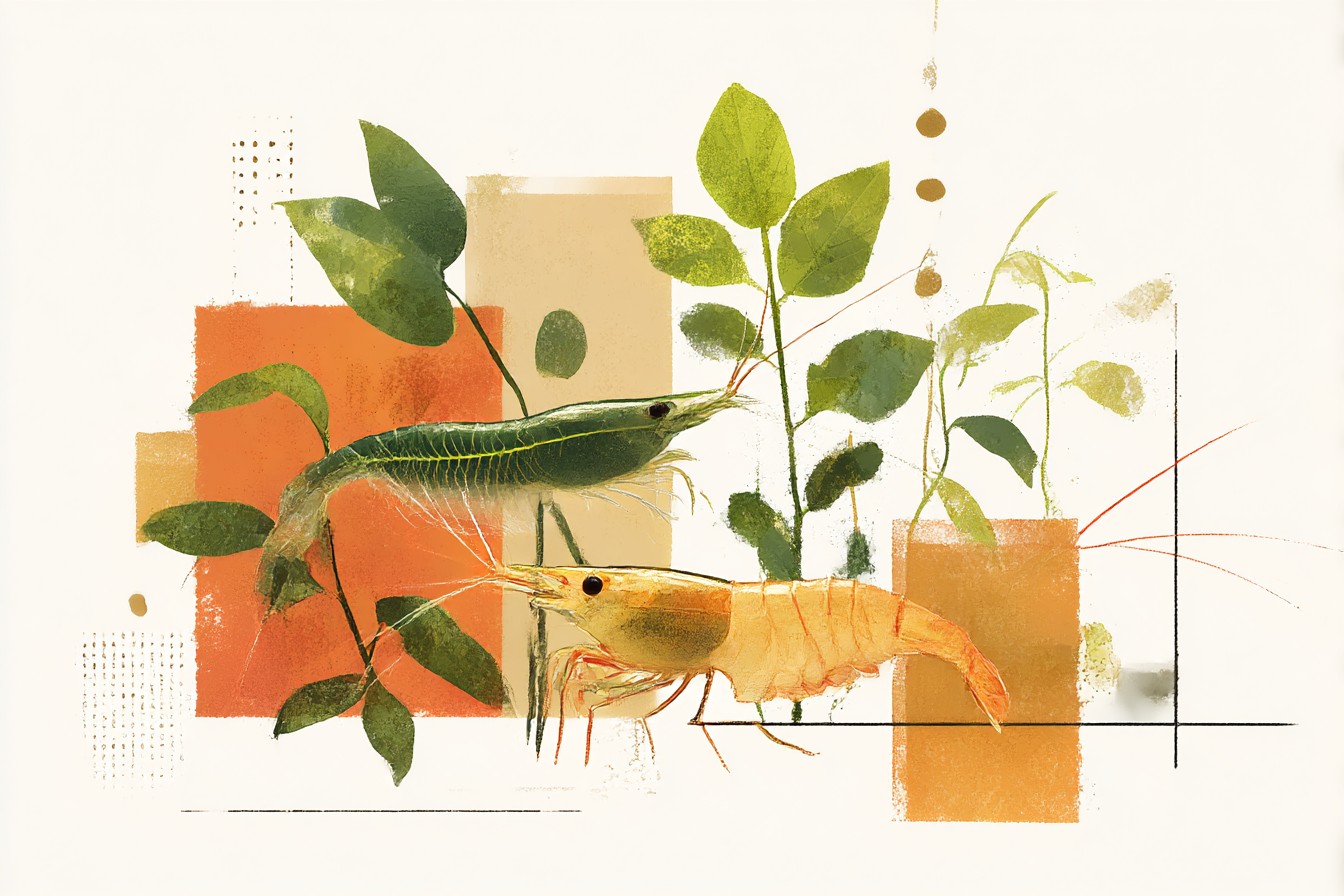
# Algae Eating Fish and Shrimp for Planted Aquariums and Which Ones Actually Help Walking into an aquatics shop with a green tank and asking for help, you’ll get pointed towards the “algae eater” section faster than you can say “brown diatoms.” The promise is simple: add these fish or shrimp, and they’ll sort out your algae problem. The reality is considerably more complicated. Some algae eaters genuinely help with specific types of algae in planted tanks.
Others will eat your plants instead. Many will just ignore the algae entirely once they discover flake food. The truth about biological algae control is that it works as part of a balanced approach, not as a miracle cure.
The right species can maintain a healthy tank and prevent minor algae blooms from becoming major headaches. They can’t rescue a tank with poor lighting balance or nutrient issues, but they can absolutely make the difference between a tank that needs weekly scraping and one that stays genuinely clean.
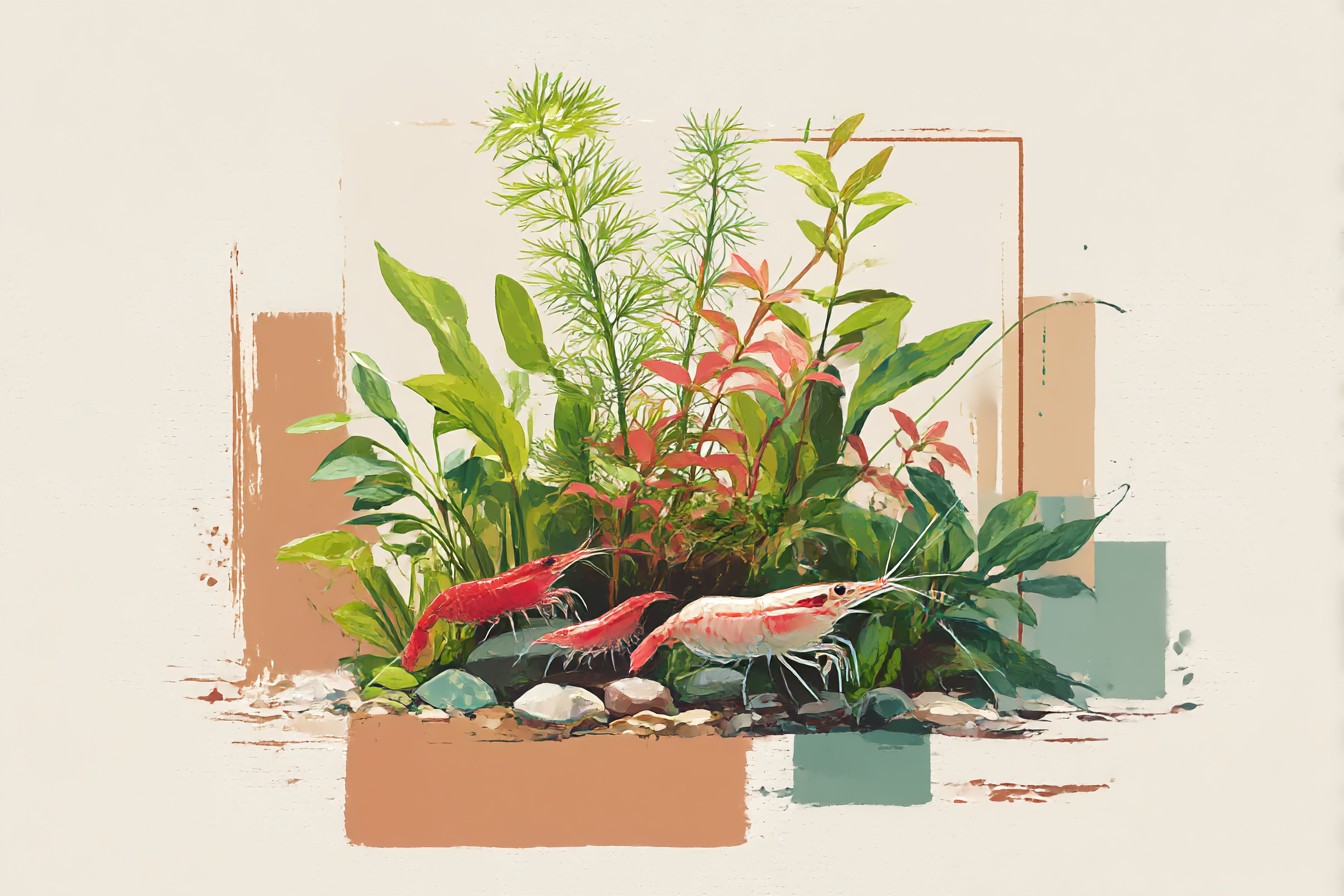
Understanding which species actually help, what they’ll realistically eat, and what they need to thrive makes all the difference between effective algae control and expensive fish that ignore the problem.
If you’re dealing with persistent algae issues alongside other planted tank fundamentals, our [complete planted aquarium guide](URL) covers the broader picture of nutrient balance and lighting. ## The Science Behind Biological Algae Control The effectiveness of algae-eating species comes down to matching their feeding behaviour with the specific types of algae in your tank. Different algae have different cell structures, attachment methods, and nutrient requirements, which means different grazers are equipped to handle them. **Grazing Pressure and Algae Growth Rates**: Successful biological control requires maintaining grazing pressure that exceeds algae growth rate. This isn’t just about how much an individual fish or shrimp eats, but about consistent, systematic coverage of all tank surfaces.
Research on freshwater grazing shows that intermittent feeding allows algae to establish beyond what grazers can effectively control. The key is preventing establishment rather than trying to clear existing blooms. **Biofilm vs Filamentous vs Planktonic Algae**: Most effective algae eaters target biofilm and early-stage algae growth rather than established colonies. Otocinclus excel at removing diatom films and early green algae because their rasping mouthparts are perfectly designed for these soft biofilms.
Amano shrimp can handle some filamentous algae because they can grasp and manipulate it, but they struggle with firmly attached spot algae that requires scraping force to remove. **Territory Coverage and Social Behaviour**: Tank coverage is critical for effectiveness. A single algae eater, no matter how dedicated, cannot systematically graze a 200-litre tank. Social species like Otocinclus work in groups to cover more territory, while territorial species like bristlenose plecos need adequate space to patrol their area effectively without competing. **Nutritional Requirements and Feeding Preferences**: The biggest misconception is that hungry algae eaters work better.
Undernourished grazers become less active and less effective. Well-fed algae eaters with access to proper nutrition maintain consistent grazing behaviour as part of their natural feeding pattern, rather than desperately trying to survive on insufficient algae. ## The Most Effective Species for Planted Tanks Understanding what actually works means looking at species that have proven track records in real planted tank situations, not just theoretical algae-eating capability. **Otocinclus Catfish**: These remain the gold standard for diatom and soft algae control in planted tanks. They require a minimum group of six and a tank of at least 20 gallons (Modest Fish) to establish proper social behaviour and territory coverage.
Their temperature range of 22-26C (Aquascaping Academy) suits most tropical planted setups perfectly. The key with Otocinclus is getting them established properly. Wild-caught specimens need careful acclimatisation and an established tank with existing algae growth.
Tank-bred specimens adapt more easily but cost significantly more. **Amano Shrimp**: Probably the most effective invertebrate for mixed algae types, particularly hair algae and soft filamentous growth. Their temperature range of 70-80F (Aquifarm) covers most planted tank parameters, and they reach up to 2 inches (Aquarium Source), making them large enough to handle substantial algae without being vulnerable to predation from most community fish. They’re particularly valuable because they’ll work overnight when many fish are less active.
The downside is they’re excellent escape artists and need tight-fitting lids. **Siamese Algae Eaters**: Effective for black brush algae and some hair algae types, but they come with significant requirements. They need a minimum of 30 gallons and 36 inches of length (AquAnswers), and if you’re keeping a group, you’ll need 50 gallons for five or more (Betta Care Fish Guide). They’re active swimmers that can stress more timid fish, and they’ll eat some plant species, particularly soft-leaved varieties.
True Siamese algae eaters are also becoming harder to find, with flying foxes often sold under the same name despite different behaviour. **Nerite Snails**: Excellent for glass and hard surface cleaning, particularly effective against spot algae that fish struggle with. They won’t reproduce in freshwater (Aquarium Breeder), which prevents population explosions, and they’re completely plant-safe. Commercial operations successfully maintain large numbers, with some caring for approximately 1000 nerite snails (Aquarium Co-Op), demonstrating their hardiness in proper conditions.
They do leave white eggs on hard surfaces that won’t hatch but can be unsightly. **Bristlenose Plecos**: Effective for larger tanks with robust plants. They’re territorial, which means good coverage if you have adequate space, but they’ll bulldoze delicate plants and can damage soft-leaved species. They produce significant waste, which can actually contribute to algae problems if filtration isn’t adequate.
Best suited to tanks over 40 gallons with sturdy plants like Anubias and Java fern. ## Common Mistakes That Reduce Effectiveness
Mistake #1: Expecting biological control to fix underlying problems. Adding algae eaters to a tank with poor lighting balance or nutrient issues is like hiring a cleaner for a house with broken plumbing. They’ll work temporarily, but the root cause keeps creating new problems. Algae eaters maintain clean tanks, they don’t rescue problematic ones.
Mistake #2: Insufficient numbers for territorial coverage. A single Otocinclus in a 60-litre tank cannot systematically graze all surfaces.
You need adequate numbers to cover the territory, which means minimum groups even if it seems like overkill initially. Understocking algae eaters leads to patchy results and missed areas that become algae hotspots.
Mistake #3: Wrong species for the algae type. Throwing random algae eaters at green water or blue-green algae won’t work because these aren’t problems that grazing can solve. Planktonic algae needs filtration and nutrient control.
You Might Also Like
Cyanobacteria needs addressing the underlying bacterial imbalance. Match the species to the specific algae problem.
Mistake #4: Assuming starving them improves performance. Undernourished algae eaters become lethargic and less effective. They need supplemental feeding, particularly protein sources for healthy growth.
Well-fed algae eaters maintain consistent grazing as part of their natural behaviour rather than desperately scavenging.
Mistake #5: Adding them too early in the tank cycle. Most effective algae eaters need established tanks with stable parameters. Adding them during initial cycling or immediately after setup often results in deaths rather than algae control. Wait until the tank has been running for at least 6-8 weeks with stable parameters.
## Research Support for Biological Algae Control Multiple studies on freshwater grazing demonstrate that consistent, sustained grazing pressure can effectively prevent algae establishment when combined with proper tank management.
Research on territorial coverage shows that social species achieve better results than solitary ones when stocking density matches territory requirements. Studies on feeding behaviour confirm that well-nourished grazers maintain more consistent activity patterns than undernourished ones. Laboratory comparisons of different algae types show clear preferences among grazing species, with soft biofilms being universally preferred over established filamentous growth.
Field studies of natural grazing behaviour demonstrate that most effective algae control happens during establishment phase rather than after colonies mature, supporting the preventive rather than curative approach to biological control. ## Application to Different Tank Types **Small Nano Tanks (Under 40 Litres)**: Nerite snails and small groups of cherry shrimp work best. Avoid fish species entirely as territory coverage becomes impossible and bioload becomes problematic. Focus on 2-3 nerite snails with shrimp population density based on plant coverage. **Community Planted Tanks (40-120 Litres)**: Otocinclus groups of 6-8 with Amano shrimp provide comprehensive coverage.
Add nerite snails for glass cleaning. Avoid larger plecos that will disrupt planted layouts. Maintain 1 Amano per 10 litres and 1 Otocinclus per 8-10 litres for adequate territory coverage. **Large Display Tanks (120+ Litres)**: Bristlenose plecos become viable with robust plant selection.
Larger groups of Siamese algae eaters work well with appropriate tank dimensions. Multiple species can coexist with proper territory division. Scale all species proportionally rather than just adding more individuals. **High-Tech CO2 Setups**: All species adapt well to CO2 injection but monitor for pH swings during light cycles.
Faster plant growth often means more consistent algae control needed. Higher bioload from more fish requires increased filtration capacity and more careful nutrient monitoring. **Low-Tech Natural Setups**: Focus on species that handle temperature fluctuations well. Nerite snails and hardy shrimp species work better than sensitive fish.
Lower light levels mean slower algae growth, so fewer grazers needed but consistency becomes more important. ## Benefits of Proper Biological Algae Control **Consistent Maintenance Rather Than Crisis Management**: Well-stocked algae-eating species provide daily maintenance that prevents small algae growth from becoming major cleaning sessions. You’ll notice the difference within 4-6 weeks of proper establishment, with significantly less manual scraping needed. **Improved Plant Health Through Surface Cleaning**: Algae growth on plant leaves blocks light and can cause die-off of older leaves. Effective grazers keep leaf surfaces clean, improving plant photosynthesis and overall health.
This becomes particularly noticeable on broad-leaved plants like Amazon swords after 6-8 weeks. **Better Tank Ecosystem Balance**: Proper biological control adds another layer to nutrient cycling, with grazers processing algae and organic matter into waste that plants can utilise. This creates more stable long-term tank chemistry rather than the boom-bust cycles of manual cleaning. **Reduced Chemical Interventions**: Tanks with effective biological control need fewer algaecide treatments or hydrogen peroxide spot treatments (Guppys Life). This means less stress on plants and fish from chemical fluctuations. **Natural Behaviour Enrichment**: Most algae-eating species exhibit interesting natural behaviours that add activity and interest to the tank beyond their cleaning function.
Watching Otocinclus systematically work across plant leaves or Amano shrimp tackle hair algae provides genuine entertainment value. **Long-Term Cost Effectiveness**: While initial stocking costs £30-60 depending on species choice, effective biological control reduces ongoing costs of cleaning products, replacement plants damaged by algae, and time spent on manual maintenance over months and years. ## Implementation Strategy **Phase 1: Tank Assessment and Preparation (Weeks 1-2)** Identify specific algae types present and assess current tank parameters. Test lighting schedule, CO2 levels if applicable, and nutrient balance.
Choose species based on algae type and tank requirements rather than general recommendations.
Budget Breakdown: * Water testing kit: £15-25 * Species research and selection: £0 * Tank preparation: £5-10 **Total Budget: £20-35** **Phase 2: Initial Stocking (Weeks 3-4)** Start with most effective species for your specific situation. For most planted tanks, this means Otocinclus group plus nerite snails. Add species gradually to monitor effectiveness and avoid bioload spikes.
Budget Breakdown: * Otocinclus group of 6: £18-30 * Nerite snails (3-4): £12-20 * Supplemental food: £8-12 **Total Budget: £38-62** **Phase 3: Monitoring and Adjustment (Weeks 5-8)** Monitor grazing effectiveness and territory coverage. Add additional species if needed or adjust numbers based on results. Most effectiveness becomes apparent within 4-6 weeks of proper establishment.
Budget Breakdown: * Additional specimens if needed: £10-25 * Specialised foods if required: £5-15 **Total Budget: £15-40** **Phase 4: Long-Term Optimization (Weeks 9-12)** Fine-tune stocking levels based on seasonal algae patterns and plant growth changes. Establish feeding schedules that maintain effective grazing without overfeeding. Monitor for any plant damage or territory conflicts.
Budget Breakdown: * Ongoing food costs: £5-10 monthly * Replacement specimens: £10-20 annually **Total Ongoing: £15-30 monthly** The key to successful biological algae control is matching the right species to your specific tank conditions and algae types, providing adequate numbers for territory coverage, and maintaining them properly as part of your tank’s ecosystem. Done correctly, it transforms algae management from constant crisis intervention into routine maintenance that largely handles itself.


