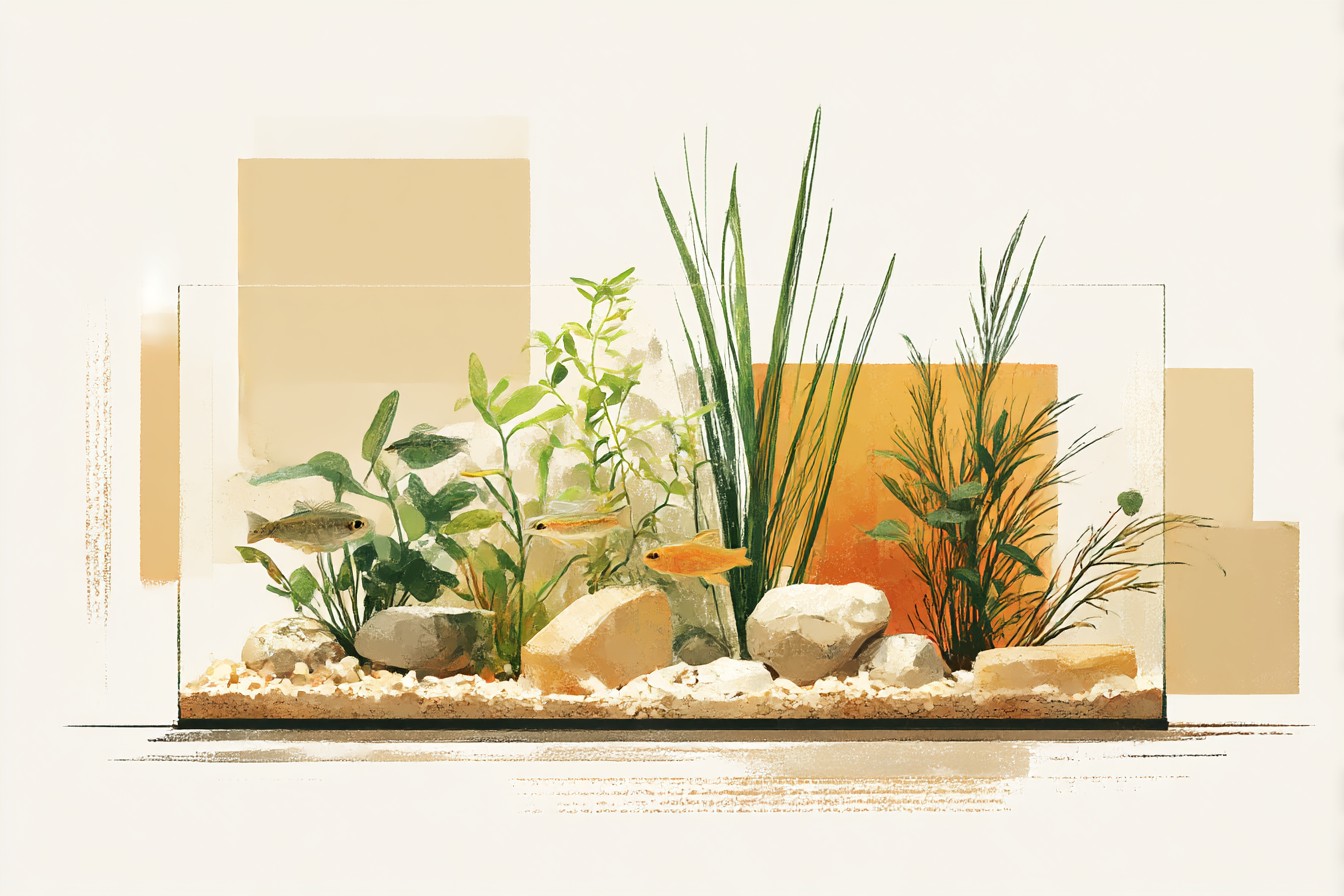
# Cichlid Tank Plants and the Species That Can Handle Being Dug Up Every Day Picture this: you wake up on Saturday morning, walk over to your carefully planted cichlid tank, and find what looks like an underwater bomb has gone off. The Vallisneria you spent an hour positioning yesterday is floating at the surface. Your Cryptocoryne has been uprooted and relocated to the opposite corner.
And your male Mbuna is sitting in the crater he’s excavated, looking rather pleased with himself. Sound familiar? If you keep cichlids and want live plants, this is your daily reality.
These fish don’t just dig occasionally—they’re landscape architects with obsessive-compulsive tendencies. They’ll move rocks, excavate caves, and redecorate your tank whether you like it or not.

The question isn’t whether your plants will get disturbed.
The question is whether they’ll survive it. The good news is that some plant species have evolved to handle exactly this kind of abuse. After losing more Cabomba than I care to admit, I’ve learned which plants can actually coexist with cichlids and which ones are just expensive fish food.
If you’re trying to balance your love of cichlids with a desire for natural, planted aquascaping, this guide will save you considerable frustration and money. ## The Science of Cichlid Behaviour and Plant Tolerance **Cichlid Excavation Behaviour** Cichlids dig for reasons deeply embedded in their biology. Most species create spawning pits, defend territories, and forage for food by sifting through substrate. This isn’t destructive behaviour—it’s natural instinct.
African cichlids from Lake Malawi and Lake Tanganyika are particularly notorious diggers, having evolved in rocky environments where moving stones and clearing debris was essential for survival (Voyo Pets). **Plant Attachment Mechanisms** Plants survive cichlid excavation through different attachment strategies. Traditional rooted plants depend entirely on their root systems anchored in substrate. When cichlids dig, these roots get severed, and the plant typically dies within days.
Rhizome plants work differently—they attach to hard surfaces and draw nutrients primarily from the water column rather than substrate (Aquarium Store Depot). **Water Chemistry Compatibility** Most cichlids prefer alkaline water with higher pH levels, particularly African species that naturally inhabit mineral-rich lakes. This creates an additional challenge because many aquatic plants evolved in softer, more acidic conditions. The species that work with cichlids must tolerate both physical disruption and alkaline water chemistry (My Home Aquarium). **Temperature Requirements** Fortunately, temperature requirements align well between cichlids and hardy aquatic plants.
Most aquarium plants flourish at 72°F to 82°F, which overlaps with the temperature requirements of many cichlid species (The Aquarium Expert). This means you won’t need to compromise on heating to accommodate both fish and plants. ## Bulletproof Plant Species for Cichlid Tanks **Anubias Species** Anubias represents the gold standard for cichlid-compatible plants. These West African natives have thick, leathery leaves and robust rhizomes that attach to driftwood, rocks, or any hard surface.
The key advantage is their attachment method—rather than relying on substrate roots, anubias secures itself to hardscape and absorbs nutrients directly from water. Anubias is described as hardy and low maintenance (Times of India). I’ve watched Mbunas excavate entire corners of substrate around anubias without affecting the plant at all.
The thick leaves also resist damage from nibbling, though large Central American cichlids might still tear them. Budget considerations: Anubias ranges from £8-15 per plant in the UK, making it initially expensive but cost-effective long-term since it’s nearly indestructible. Start with Anubias barteri or Anubias nana—both adapt well to alkaline conditions. **Java Fern (Microsorum pteropus)** Java fern shares anubias’s rhizome-based attachment strategy but offers completely different aesthetics.
Its long, flowing leaves create movement and texture that works particularly well in Lake Tanganyika biotope setups. Java fern is described as thriving without soil and adaptable (Times of India). The plant propagates through adventitious plantlets that develop on older leaves, giving you free plants over time.
I’ve found that cichlids largely ignore java fern, probably because the leaves contain compounds that make them unpalatable. UK availability is excellent, with healthy specimens available for £5-12 depending on size. Java fern ‘Windelov’ offers a more delicate, lacey appearance if you want variety. **Vallisneria Species** Vallisneria presents a different survival strategy—it’s fast growing and able to outgrow cichlid damage (Aquarium Genius).
While cichlids will uproot vallisneria regularly, the plant regrows roots quickly and spreads through runners faster than most fish can destroy it. This creates a dynamic equilibrium where the plant maintains coverage despite constant disturbance. Vallisneria gigantea works well in larger tanks (150+ litres), while Vallisneria spiralis suits smaller setups.
The key is planting enough initially—at least 10-15 plants—so that some always survive each excavation session. Cost is reasonable at £3-5 per plant, and runners mean your initial investment multiplies rapidly. Vallisneria also helps with water quality by absorbing nitrates efficiently. **Cryptocoryne Species** Cryptocorynes occupy middle ground between attachment plants and traditional rooted species.
While they root in substrate, they’re remarkably resilient to disturbance and adapt to alkaline conditions better than most stem plants. Key plant picks include anubias java fern and cryptocoryne (Aquarium Store Depot). Cryptocoryne wendtii and Cryptocoryne balansae handle cichlid excavation reasonably well, particularly if you plant them behind or between rocks where they get some protection.
They’ll lose leaves when disturbed but typically regrow from the crown if the roots aren’t completely severed. **Bolbitis heudelotii (African Water Fern)** This rhizome plant offers fine, delicate foliage that creates beautiful contrast against cichlid hardscapes. Like java fern, it attaches to driftwood or rocks and draws nutrients from the water column. Bolbitis grows more slowly than java fern but tolerates alkaline conditions well.
The main limitation is cost—expect £15-25 per plant in the UK—but it’s virtually indestructible once established. ## Hardscape Integration and Protection Strategies **Strategic Rock Placement** Planting with rocks and hardscape helps protect roots in cichlid tanks (Aquascape Aquarium). The key is creating barriers that redirect digging behaviour without looking artificial. Position larger rocks to create planting pockets where substrate-rooted plants can establish before getting disturbed.
I use slate pieces inserted vertically into substrate to create root barriers. This protects newly planted cryptocorynes and vallisneria during their establishment period. The slate becomes invisible once plants grow in, but it prevents cichlids from accessing roots directly. **Weighted Plant Anchors** For plants that must be substrate-rooted, lead weights or plant anchors help them survive initial disturbance.
Wrap lead strips around the base of stem cuttings or vallisneria crowns. This won’t prevent excavation, but it keeps plants from floating when disturbed, giving them a chance to re-root. **Driftwood Utilization** Large pieces of driftwood create natural attachment points for anubias and java fern while adding territorial boundaries that cichlids respect. Choose pieces with multiple branches or crevices where you can wedge plants during establishment.
Malaysian driftwood works particularly well because its density means it stays put when cichlids investigate. **Territory Management** Understanding cichlid territorial behaviour helps with plant placement. Most species establish territories around specific areas—caves, rock formations, or corners. Plant heavily outside these territories and use only the most bulletproof species within them. ## Common Mistakes That Cost Money and Plants
You Might Also Like
Mistake #1: Trying delicate stem plants. Cabomba, Limnophila, and other feathery stem plants look beautiful in planted tank photos, but they’re essentially expensive cichlid salad.
These plants need stable substrate and gentle water flow—exactly what cichlids don’t provide. Save yourself £30-50 in wasted plants and stick to the proven hardy species.
Mistake #2: Insufficient initial planting. Planting one or two specimens and hoping they’ll spread faster than cichlids can destroy them rarely works. You need critical mass—at least 10-15 vallisneria plants or 5-8 anubias specimens to create sustainable coverage.
The initial cost seems high, but partial success costs more than doing it right from the start.
Mistake #3: Burying anubias and java fern rhizomes. These plants die if you bury their rhizomes in substrate—they need water flow around the rhizome to prevent rot. Attach them to hardscape instead, using fishing line or plant glue. I’ve seen perfectly healthy anubias turn to mush within two weeks because someone planted them like traditional rooted plants.
Mistake #4: Ignoring water parameters. Just because a plant can handle digging doesn’t mean it can handle extreme alkalinity or high mineral content.
Test your water and research each plant’s tolerance range. Lake Malawi setups with pH above 8.0 limit your options significantly compared to less alkaline Central American cichlid tanks.
Mistake #5: Choosing cichlids without considering plant compatibility. A 15cm Jaguar cichlid will destroy plants that easily coexist with smaller Mbuna. Peacock cichlids dig less aggressively than Frontosa.
If plants matter to you, research cichlid species’ digging behaviour before buying, not after your tank looks like a construction site.
## Research Support Multiple studies and expert sources confirm that rhizome plants represent the most reliable approach for cichlid tanks. The evidence consistently shows that anubias, java fern, and similar species survive because their attachment mechanism doesn’t depend on substrate stability (Aquarium Store Depot). Research also demonstrates that certain rooted plants can coexist with cichlids through rapid growth strategies, with vallisneria being the most frequently cited example across multiple sources (Aquarium Genius).
The combination of fast reproduction through runners and tolerance for periodic disturbance allows these plants to maintain population despite regular excavation. Temperature compatibility studies show that the 72°F to 82°F range preferred by most cichlids aligns well with hardy plant species requirements (The Aquarium Expert), eliminating temperature as a limiting factor in most setups. ## Application to Different Cichlid Types **African Cichlid Systems:** Lake Malawi and Tanganyika setups with high pH (8.0+) and significant excavation behaviour. Focus on anubias and java fern attached to extensive rockwork.
Vallisneria tolerates alkaline conditions but may need replacement every few months. **Central American Cichlids:** Lower pH (7.0-7.8) allows broader plant selection including cryptocorynes and slower-growing anubias species. Larger fish size means fewer but more robust plants work better than dense planting. **South American Cichlids:** Generally less aggressive diggers with neutral pH preferences. Most hardy plant species thrive, including bolbitis and various cryptocoryne species.
Angelfish and discus barely disturb plants at all. **Dwarf Cichlids:** Minimal excavation allows success with more delicate species like smaller cryptocorynes and even some stem plants in heavily planted setups. Standard planted tank approaches work with minor modifications. ## Benefits of Getting Plant Selection Right **Stable Water Quality:** Hardy plants like anubias and vallisneria help process nitrates and provide oxygen, improving overall water stability. Established plant masses significantly reduce water change frequency while maintaining fish health. **Natural Behaviour Encouragement:** Proper planting creates territories and hiding spots that reduce cichlid aggression.
Fish exhibit more natural behaviour when they have varied environments rather than bare rock setups. **Long-term Cost Savings:** Choosing appropriate species eliminates the cycle of buying, losing, and replacing plants. Initial investment in hardy species pays for itself within months compared to repeatedly replacing delicate plants. **Reduced Maintenance:** Once established, appropriate plant choices require minimal intervention. Anubias might need leaf trimming every few months, but they don’t need replanting or replacement like unsuitable species. **Aesthetic Satisfaction:** Successfully planted cichlid tanks look dramatically better than bare setups while still allowing fish to express natural behaviours.
The combination of plants and cichlid activity creates dynamic, interesting aquascapes. **pH Buffering:** Large plant masses help stabilize pH fluctuations, particularly important in African cichlid setups where maintaining consistent alkalinity matters for fish health. ## Step-by-Step Implementation Guide **Phase 1: Foundation Planning (Week 1)** Research your specific cichlid species’ digging behaviour and water parameter requirements. Map out territories and identify areas of heavy excavation versus calmer zones. Purchase hardscape materials—rocks, driftwood, or slate for root barriers.
Budget Breakdown: * Hardscape materials: £30-60 * Basic test kit: £15-25 * Plant attachment supplies: £10-15 **Total Phase 1 Budget: £55-100** **Phase 2: Initial Planting (Weeks 2-3)** Start with bulletproof species in protected areas. Purchase 3-5 anubias plants and 2-3 pieces of java fern. Attach to hardscape using fishing line or plant glue—never bury rhizomes.
Add 10-15 vallisneria plants in areas with some rock protection.

Budget Breakdown: * Anubias specimens: £40-75 * Java fern: £15-35 * Vallisneria: £30-45 * Heating adjustment if needed: £20-40 **Total Phase 2 Budget: £105-195** **Phase 3: Establishment and Expansion (Weeks 4-8)** Monitor plant survival and growth. Replace any casualties with the same species—don’t experiment with untested plants yet.
Add cryptocorynes in successful areas. Watch for new growth and propagation opportunities. Budget Breakdown: * Replacement plants: £20-40 * Additional cryptocorynes: £25-45 * Fertilizer if growth is slow: £15-25 **Total Phase 3 Budget: £60-110** **Phase 4: Refinement (Months 3-6)** Trim and propagate established plants.
Consider adding bolbitis or other speciality species in areas that have remained undisturbed. Fine-tune lighting and feeding schedules based on plant response. Budget Breakdown: * Speciality plants: £30-60 * Lighting upgrade if needed: £40-100 * Advanced fertilizers: £20-35 **Total Phase 4 Budget: £90-195** The key is patience and observation.
Most successful cichlid plant combinations develop over months, not weeks. Your fish will test every plant you add, but the species that survive this testing will thrive long-term with minimal intervention. Success looks different in a cichlid tank—it’s not about pristine aquascaping but about finding the balance where both plants and fish can coexist naturally.


