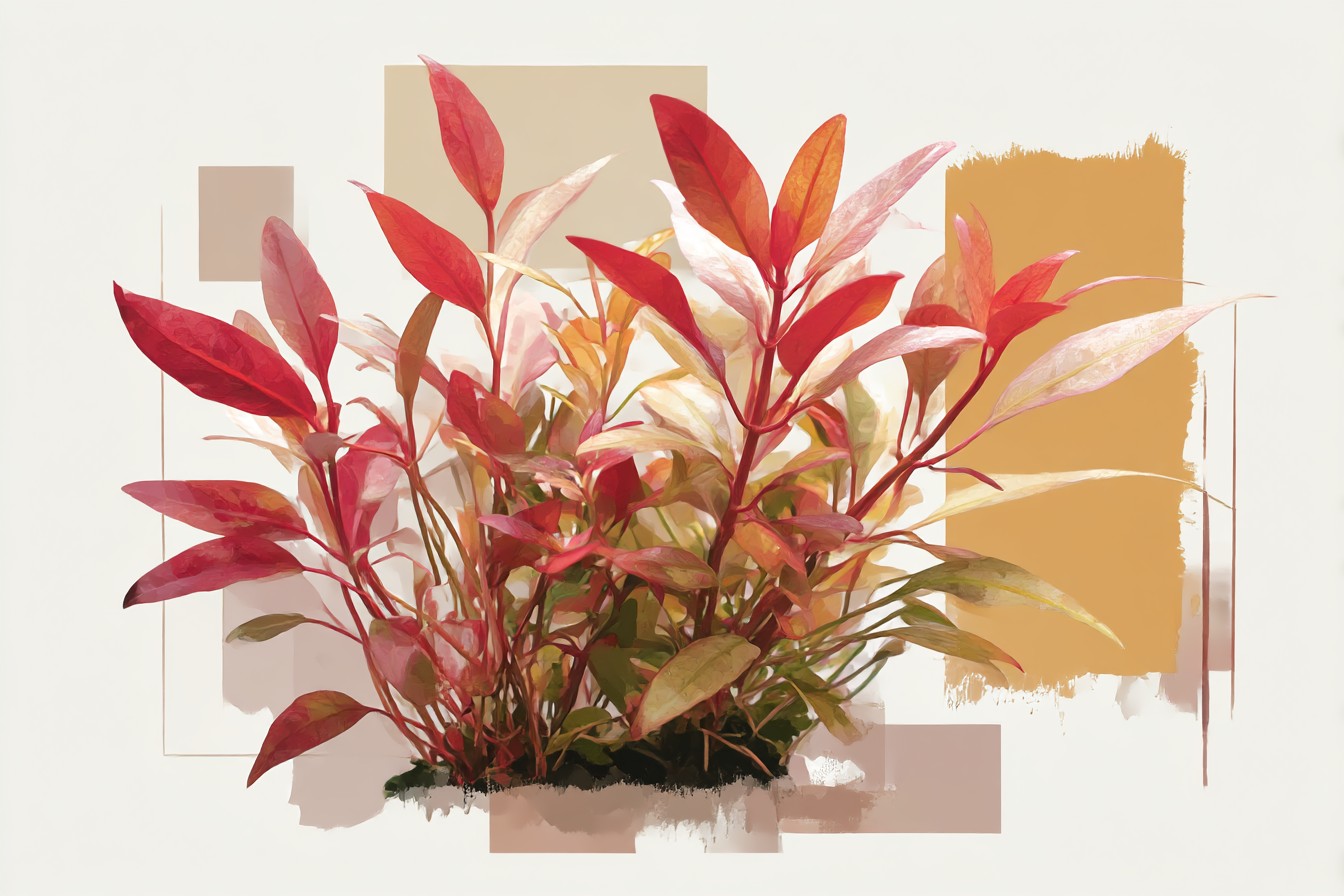
# Alternanthera Reineckii Mini and the Compact Red Plant That Belongs in Every Nano Tank I spent two years trying to get red plants to stay red in my nano setup. Everything I tried either grew too tall, turned brown under my modest lighting, or demanded CO2 levels that made my fish look stressed. Then I discovered Alternanthera Reineckii Mini tucked away in a corner of my local aquatics shop, looking like a miniature crimson bush that someone had forgotten about.
The assistant warned me it was “a bit fiddly” but I bought it anyway. Best impulse purchase I ever made. AR Mini, as most of us call it, has become the red plant I reach for when space is tight and the lighting isn’t perfect.
It’s not the easiest red plant to grow, but it’s honest about what it needs and rewards you properly when you get it right. After three years of keeping various forms of Alternanthera Reineckii, I can tell you exactly why this dwarf version has earned its spot in every serious nano tank I’ve set up since. | **Care Level** | **Lighting Needs** | **CO2 Required** | **Growth Rate** | **Max Size** | **Our Rating** | |—|—|—|—|—|—| | Medium | Medium-High | Beneficial | Moderate | 10-15 cm | 8.5/10 | ## Origins of a Dwarf Beauty Alternanthera Reineckii has been floating around the hobby for decades, but the Mini variant is a relatively recent addition to our plant palette.
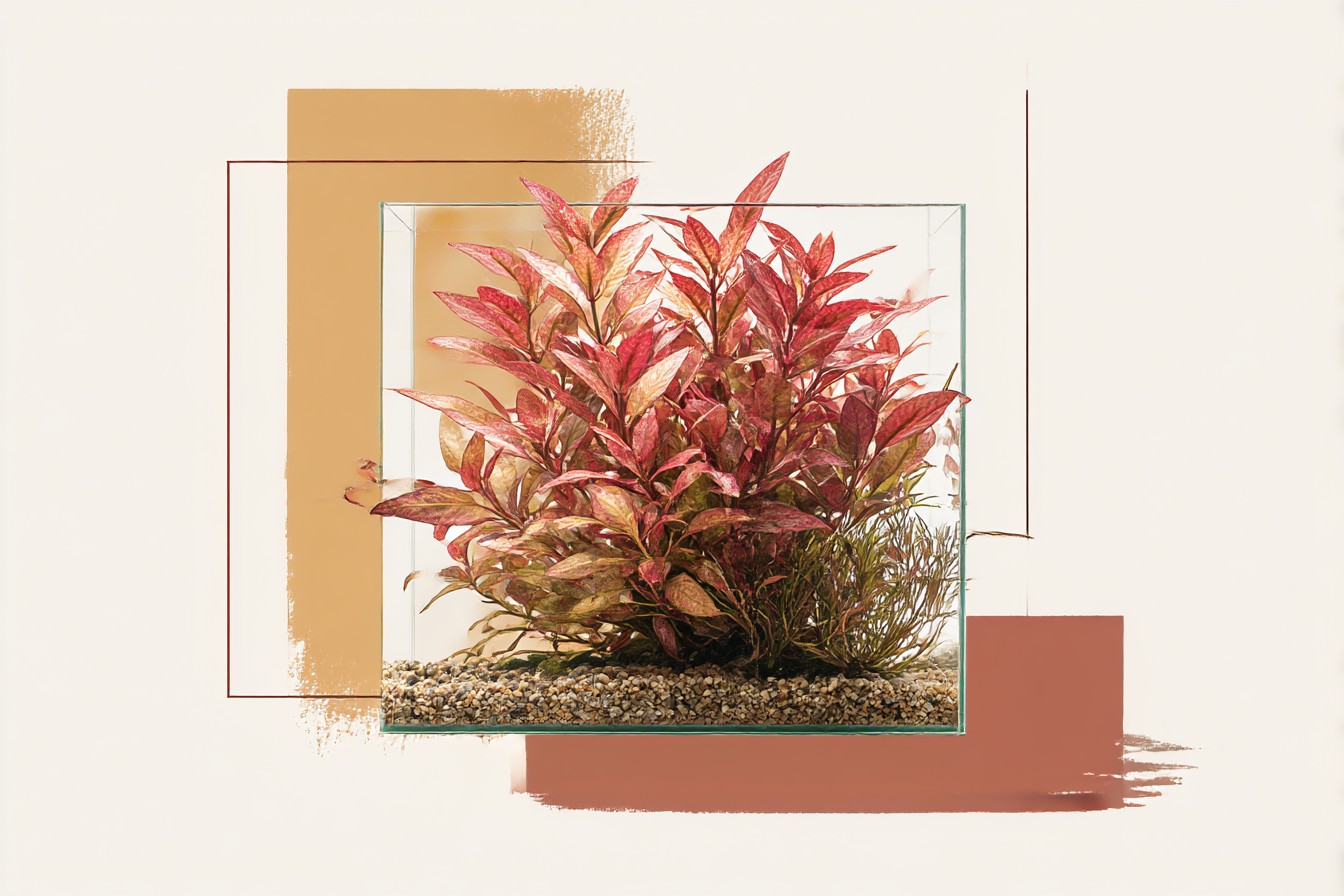
The “Mini” got known in Europe around 2007 (Flowgrow), arriving just as nano tanks were gaining serious momentum among aquascapers who wanted to create detailed landscapes in smaller spaces.
Unlike many plant varieties that emerge from selective breeding programs, AR Mini appears to be a naturally occurring compact form that someone spotted and had the sense to propagate. The original Alternanthera Reineckii comes from South America, where it grows both emerged and submerged in various water conditions. What makes the Mini special is that its compact format only develops underwater (Dennerle Plants), which suggests this variant evolved specifically for aquatic conditions rather than the amphibious lifestyle of its larger cousins.
The timing of its European introduction was perfect. By 2007, CO2 injection was becoming more accessible to hobbyists, LED lighting was starting to mature, and the Dutch aquascaping influence was creating demand for plants that could provide intense colour in controlled growth patterns. AR Mini filled a gap that many of us didn’t even know existed until we saw it.
What’s interesting is how quickly it spread through the hobby once people got their hands on it. Unlike some plants that stay niche because they’re genuinely difficult, AR Mini hit that sweet spot where it’s challenging enough to be satisfying but reliable enough to recommend to others once you’ve worked out its preferences. ## What Makes AR Mini Special The first thing you notice about AR Mini is the colour. When it’s happy, it produces some of the most intense reds you’ll see in freshwater aquascaping.
Not the orange-red of some Ludwigia species or the burgundy of unhappy Rotala, but a true crimson that holds its intensity from the growing tips all the way down to older leaves. AR Mini is shorter and redder than other varietals (2Hr Aquarist), which is exactly what you want when you’re trying to create a colour focal point without overwhelming a small tank. The growth habit is what sets it apart from every other red stem plant I’ve tried.
While most Alternanthera varieties will hit 20-30cm if you let them, AR Mini tops out at around 10-15 cm maximum height (Aquarium Gardens). More importantly, with regular trimming you can keep it as a carpet at 5-10 cm height (Tropica). This isn’t a plant that demands to be a background specimen.
It’s perfectly content being a midground feature or even a foreground accent if you’re disciplined about maintenance. The leaf structure is dense and bushy, with a width spread of 10-15 cm (Make My Hobby) that creates proper visual mass without taking up excessive tank real estate. When you trim it, new shoots emerge from multiple points along the stem, creating a fuller, more compact appearance rather than the lanky regrowth you get from many stem plants.
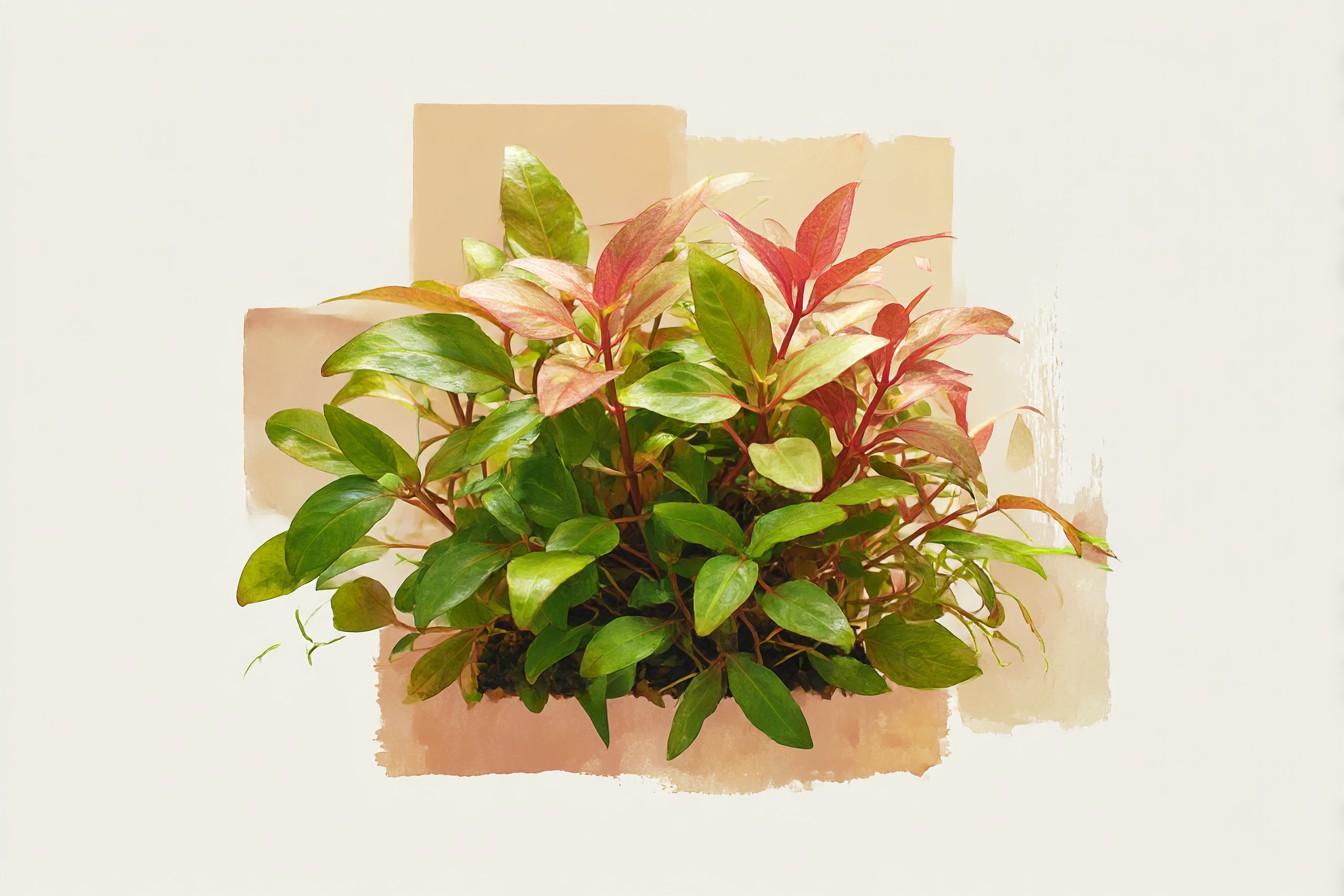
This response to trimming is what allows you to maintain it as a true carpet plant if that’s what your scape demands. But the real magic is in how it responds to different conditions. Under moderate lighting and minimal CO2, it maintains a pleasant red-green coloration that adds warmth without dominating the visual balance.
Increase the light and CO2, and it transforms into something that looks like it’s been dipped in red paint. The transition isn’t gradual either, when conditions hit its sweet spot, the colour change is dramatic enough that you’ll notice it within a week. The temperature tolerance is broader than many red plants, handling anything from 17-25°C (AquariumLesson).
This flexibility makes it suitable for both heated tropical setups and cooler tanks where other red plants might sulk or grow too slowly to maintain their colour. ## The Reality Cheque Let me be clear about what you’re getting into with AR Mini. It’s rated as medium difficulty (FishyWiki) for good reasons, and those reasons become obvious quickly if you’re not prepared for them. The CO2 requirements are real.
You Might Also Like
While the plant will survive in low-CO2 conditions, it needs 10-40 mg/L (AquariumLesson) to show the colour and compact growth that makes it worth having. Below that range, you’ll get a leggy, pale version that looks nothing like the vibrant specimens you see in aquascaping photos. I learned this the hard way in my first setup, where I was running about 5 mg/L and wondering why my expensive red plant looked like anaemic lettuce.
The pH preference is quite specific at 5-7 (AquariumLesson), which means it’s not ideal for hard water areas unless you’re prepared to manage your water chemistry. In my area where tap water sits around pH 7.8, I had to accept that this plant would never be the showstopper it could be in softer conditions. It’s still attractive, but the deep red coloration that makes AR Mini special only appears when the pH drops to its preferred range.
Lighting demands are higher than many guides suggest. While it will grow under moderate light, the compact habit and intense red coloration require medium to high intensity. I found that what worked for my Anubias and Java Fern left the AR Mini stretching towards the surface and losing colour from the bottom up.
Trimming is not optional. This isn’t a plant you can set and forget. Without regular trimming, it loses the compact habit that justifies its existence.
Left to its own devices, it will stretch up and outward, becoming indistinguishable from regular AR varieties. The upside is that trimming promotes the dense, bushy growth that makes it so attractive, but you need to stay on top of it. ## Impact on Nano Aquascaping AR Mini arrived at exactly the right moment in aquascaping history. As nano tanks became more sophisticated and CO2 injection became accessible at smaller scales, aquascapers were looking for plants that could provide the visual impact of larger species without the space requirements.
AR Mini delivered that in a way that few other plants have managed. Before AR Mini, getting intense red coloration in a nano tank meant compromising on either plant size or colour intensity. You could have compact plants that showed hints of red, or you could have intensely red plants that dominated small tanks.
AR Mini was the first plant I encountered that genuinely delivered both attributes without significant trade-offs. Its influence on aquascaping composition has been substantial. The ability to create a red focal point in the midground of a 30-40 litre tank opened up design possibilities that simply weren’t there before.
I’ve seen nano scapes where AR Mini serves as the primary colour anchor, with everything else in the tank selected to complement and support that central red mass.
The plant has also changed expectations about what’s possible in planted nano tanks. Seeing properly grown AR Mini in a small setup demonstrates that nano aquascaping isn’t just about scaling down techniques from larger tanks.
It’s about understanding how to use plants that are genuinely suited to small spaces rather than forcing larger species to work in conditions they’re not suited for. ## The Verdict AR Mini earns its reputation as the compact red plant for nano tanks, but only if you’re prepared to meet its requirements properly. This isn’t a beginner’s red plant despite what some sellers might suggest. It demands decent CO2 levels, appropriate lighting, and regular maintenance to deliver what it’s capable of.
If you’re running a low-tech setup or you’re new to planted tanks, start with something more forgiving and come back to AR Mini when you’ve got the fundamentals sorted. But if you’ve got your CO2 dialled in, your lighting appropriate for medium-demand plants, and you’re comfortable with regular trimming, AR Mini will give you red coloration and compact growth that’s genuinely difficult to achieve any other way in a small tank. I keep coming back to this plant because it delivers exactly what it promises when conditions are right.
Three years on, it’s still the first red plant I consider for any nano setup where I want genuine visual impact without compromising on space. That consistency is rare in aquascaping plants, and it’s why AR Mini has earned its place in tanks across the hobby. See where this placed in our full ranking of the best nano tank plants.


