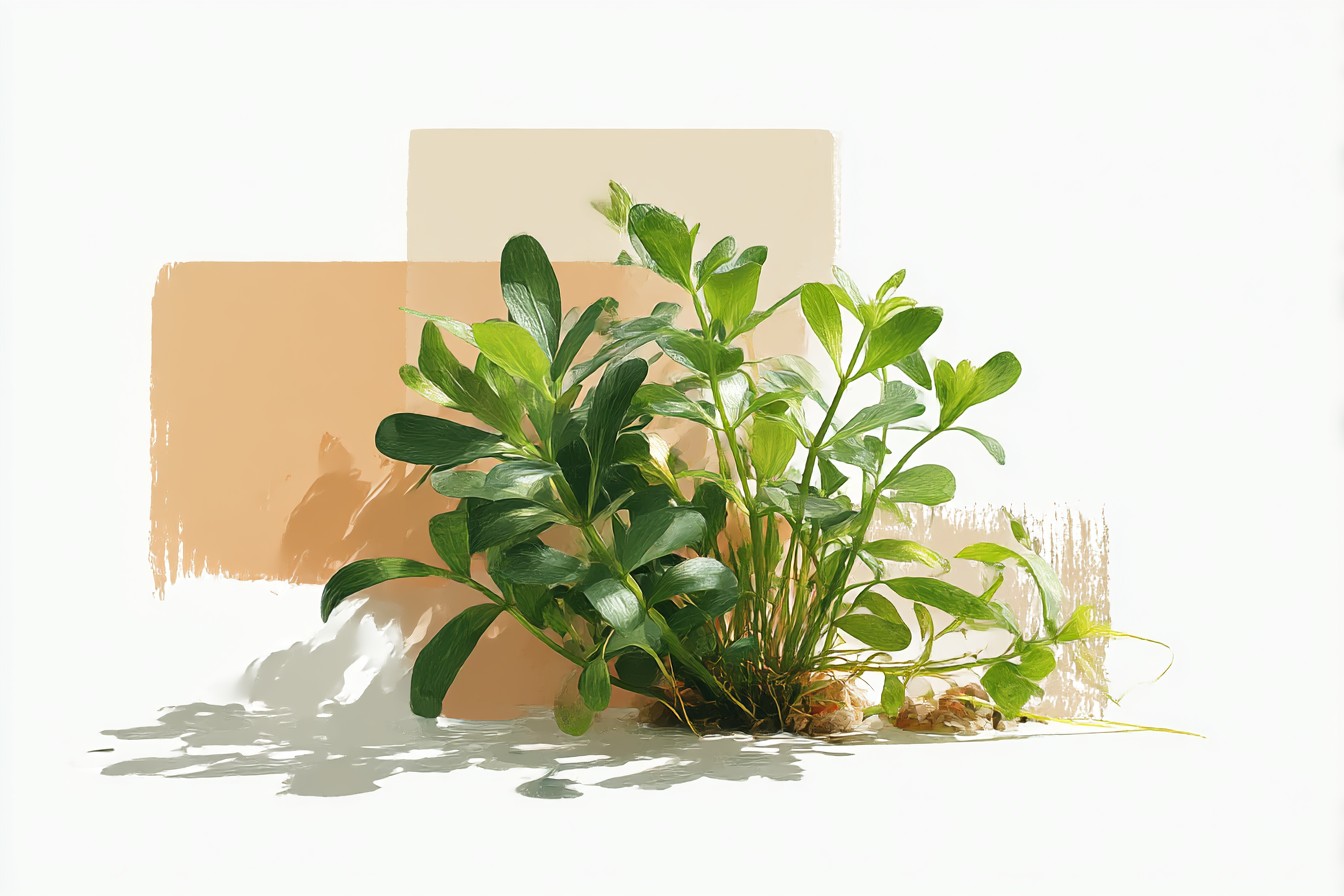
# Anacharis and the Cheap Stem Plant That Pet Shops Always Have in Stock I bought my first bundle of anacharis for £2.50 from a grotty pet shop in a strip mall because it was the only green thing they had that I could afford. The tank was new, the budget was tight, and I needed something growing in there to make the empty glass box feel less like a waiting room for fish death. Six months later, I was throwing handfuls of the stuff away because it had taken over everything.
Now, four years on, it’s still in every single one of my setups. Sometimes the cheap option that everyone dismisses turns out to be exactly what you needed all along. Anacharis has this reputation as the plant equivalent of instant noodles.
Cheap, reliable, nothing fancy, but it does the job when you need it to. What I didn’t realise when I first chucked those stems into my 40-litre was that this unassuming weed is actually one of the most effective natural water purifiers you can put in a freshwater tank.

And unlike half the plants that get marketed to beginners, it genuinely doesn’t care if you forget to dose fertiliser or your lighting is whatever LED panel you found on sale at the garden centre. | Care Level | Lighting Needs | CO2 Required | Growth Rate | Max Size | Our Rating | |————|—————|————–|————-|———-|————| | Beginner | Low to High | No | Fast | 3 feet | 8/10 | ## The Plant That Conquered the World Anacharis isn’t actually called anacharis anymore, officially speaking.
The scientific name is Egeria densa, formerly classified as Elodea densa (Aquarium Breeder). But every pet shop in the country still labels it anacharis, every hobbyist still calls it anacharis, so anacharis it remains in any conversation that matters. It’s native to southeast Brazil, Uruguay, and Argentina (Fishkeeping World), where it grows in slow-moving rivers and lakes with that languid South American grace that makes everything look effortless.
A French botanist named Jules Emile Planchon first described it properly in 1848 (Aquarium Breeder), though indigenous people had obviously been dealing with masses of the stuff clogging up their waterways for centuries before European science got around to giving it a proper Latin name. The interesting bit is what happened after it left South America. This plant has now naturalized in at least 27 countries as an invasive species (Fishkeeping World).
It’s so good at what it does that entire ecosystems have had to adapt around it. In some US states, it’s actually banned from sale (Modern Aquarium) because once it gets into natural waterways, it doesn’t stop growing until someone with a harvester comes to cut it back. That tells you something important about what you’re buying for £2.50.
This isn’t a delicate hothouse flower that needs perfect conditions. This is a plant that has successfully invaded half the planet because it’s better at staying alive than almost anything else you can put in water. ## What Makes It Special The first thing you notice about anacharis is how ordinary it looks. Thin green stems, small oval leaves arranged in neat little clusters, nothing that would win any aquascaping prizes.
The leaves grow in whorls of 4 to 6, unlike the related Elodea which has whorls of 3 (Aquarium Source). That’s actually how you tell them apart if you’re being pedantic about it, though honestly, both do the same job in a tank. But ordinary looking doesn’t mean ordinary performing.
I’ve watched anacharis outcompete algae in tanks where nothing else would grow. I’ve seen it thrive under clip-on LED lights that killed more expensive plants within a month. I’ve had it keep growing steadily in tanks where I forgot to add fertiliser for three weeks running.
The secret is in how it feeds itself. Most aquatic plants are polite about nutrient uptake. They wait for you to dose the water column, they make do with what’s in the substrate, they compete fairly with other plants for resources.
Anacharis is not polite. It prefers ammonium over nitrates for nutrient uptake (Aquarium Care Basics), which means it’s grabbing nitrogen directly from fish waste before the biological filter even gets a chance to process it. It’s like having a plant that does water changes for you.
This is why anacharis is so effective at preventing algae blooms. Algae and anacharis want the same nutrients, but anacharis is faster and more aggressive about taking them. In a tank with a decent amount of anacharis growing actively, algae often just can’t get enough food to establish properly.
I learned this accidentally when I let a bunch of stems float free in a 20-litre that was getting green water problems. Within two weeks, the water was crystal clear and the anacharis had doubled in size. The growth rate is genuinely impressive once it gets going.
In the wild, stems can grow up to 3 feet in length (Bantam Earth), and in a tank with decent light and regular feeding, you’ll see several inches of new growth every week. Unlike some fast-growing plants that look scraggly when they’re stretching, anacharis maintains its neat, bushy appearance as it grows. New leaves develop regularly along the stem, so even a rapidly growing piece looks full and healthy.
The temperature tolerance is another major advantage. It handles anything from 60 to 82F with the optimum around 70F (Aquarium Plants Factory). That covers everything from an unheated tank in a British winter to a tropical setup running warm for discus.
I’ve never had to worry about seasonal temperature swings affecting it, which is more than I can say for most plants. What really sets it apart is the flexibility in how you can use it. You can plant it in substrate where it’ll develop a reasonable root system and grow upward in neat columns.
You Might Also Like
You can let it float freely where it’ll form dense mats just under the surface. You can weight it down with plant weights and let it create mid-water forests. You can even grow it emersed if you’ve got an open-top setup, though it looks completely different above water.
In warmer weather, it rises to the surface naturally, and during cooler periods it tends to sink lower in the tank (Aquarium Source). I’ve noticed this seasonal behaviour even in heated tanks – there’s something about the plant’s internal rhythm that responds to subtle environmental changes. If you’re running an unheated setup that follows room temperature, the anacharis will actually help create different looks throughout the year. ## The Honest Assessment For all its advantages, anacharis has some genuine drawbacks that nobody mentions when they’re pushing it as the perfect beginner plant.
The biggest issue is that it’s almost too successful. If you put several stems in a small tank with good light and don’t stay on top of pruning, it will completely take over within a few months. I’ve had 40-litre tanks where the anacharis grew so thick that fish couldn’t swim through it properly.
That’s not a problem if you enjoy weekly pruning sessions, but if you want a plant that stays put and minds its own business, this isn’t it. The growth pattern can be frustrating if you’re trying to create a specific aquascape design. Anacharis grows toward the light and doesn’t particularly care about your artistic vision.
In a tank with side lighting or uneven light distribution, you’ll get stems bending and stretching in directions that might not suit your layout. It’s not a plant that takes direction well. Propagation happens whether you want it to or not.
Every time you trim a stem, both pieces will keep growing. Every small piece that breaks off and floats around the tank has the potential to establish itself somewhere new. If you’re not vigilant about removing plant debris during maintenance, you’ll find new anacharis patches appearing in unexpected places.
This can be great if you want more plants for free, but it’s annoying if you’re trying to maintain a particular balance in your tank. The plant can produce small white flowers with 3 petals at the water surface (Aquarium Plants Factory), which sounds lovely until you realise that flowering usually happens when the plant is stressed or the tank conditions have changed significantly. It’s more of a warning sign than a decoration.
In very soft water, anacharis sometimes struggles to get enough minerals and can start looking pale or developing holes in the leaves. It’s not as bulletproof in extremely soft water as it is in moderate to hard water conditions. If you’re running RO water with minimal remineralisation, you might need to dose more consistently than the “chuck it in and ignore it” approach that works in most tap water setups.
The availability everyone talks about is also slightly misleading. Yes, most pet shops carry it, but the quality varies wildly. I’ve bought anacharis that was already rotting at the base, anacharis that had been stored in completely wrong conditions, and anacharis that looked healthy but melted within days of being added to the tank.
The cheap price means shops don’t always handle it with the same care they’d give to expensive plants. ## Legacy and Influence Anacharis has shaped the aquarium hobby in ways that aren’t immediately obvious. It’s probably the first live plant that most fishkeepers ever successfully grew, which means it’s responsible for converting countless people from plastic decorations to actually attempting planted tanks. I’d guess that more aquascaping journeys started with a bundle of anacharis than with any expensive foreground carpet or demanding red plant.
The plant’s success as a biological filter has influenced how people think about natural water management in tanks. Before widespread understanding of the nitrogen cycle, anacharis was one of the few things that consistently helped keep fish alive in new setups. It taught hobbyists that plants could be functional, not just decorative, long before anyone was talking about Walstad methods or silent cycling.
Its role in the feeder fish trade is less celebrated but equally significant. Anacharis has been the standard oxygenating plant in bait shops and wholesale fish facilities for decades.

It keeps massive amounts of fish alive in temporary holding systems, and many fishkeepers encountered it there before they ever thought about putting live plants in their home tanks.
The fact that it’s banned from sale in several US states (Modern Aquarium) has actually increased its reputation in the hobby. Something so effective at growing that entire states had to legislate against it carries a certain credibility. It’s become a bit of a gateway drug for people who want fast results without complicated techniques. ## The Verdict After four years of growing anacharis in everything from 10-litre shrimp tanks to a 200-litre community setup, I’m convinced it deserves more respect than it gets.
Yes, it’s the plant equivalent of a reliable old car – not particularly exciting, but it gets you where you need to go without drama. But in a hobby where expensive plants regularly die from mysterious causes and perfect water parameters can change overnight, there’s genuine value in something that just works. At under £3 per stem in most shops (Aquarium Care Basics), it’s accessible to anyone starting out.
More importantly, it’s forgiving enough that beginners can actually succeed with it, which builds confidence for trying more challenging plants later. If you’re running a low-tech setup, dealing with algae problems, or just want something green growing while you figure out the rest of your tank, anacharis is probably the most practical choice you can make. It won’t win any aquascaping contests, but it’ll keep your fish happy and your water clean while you’re learning everything else.
Sometimes that’s exactly what you need. See where this placed in our full ranking of beginner aquatic plants.


