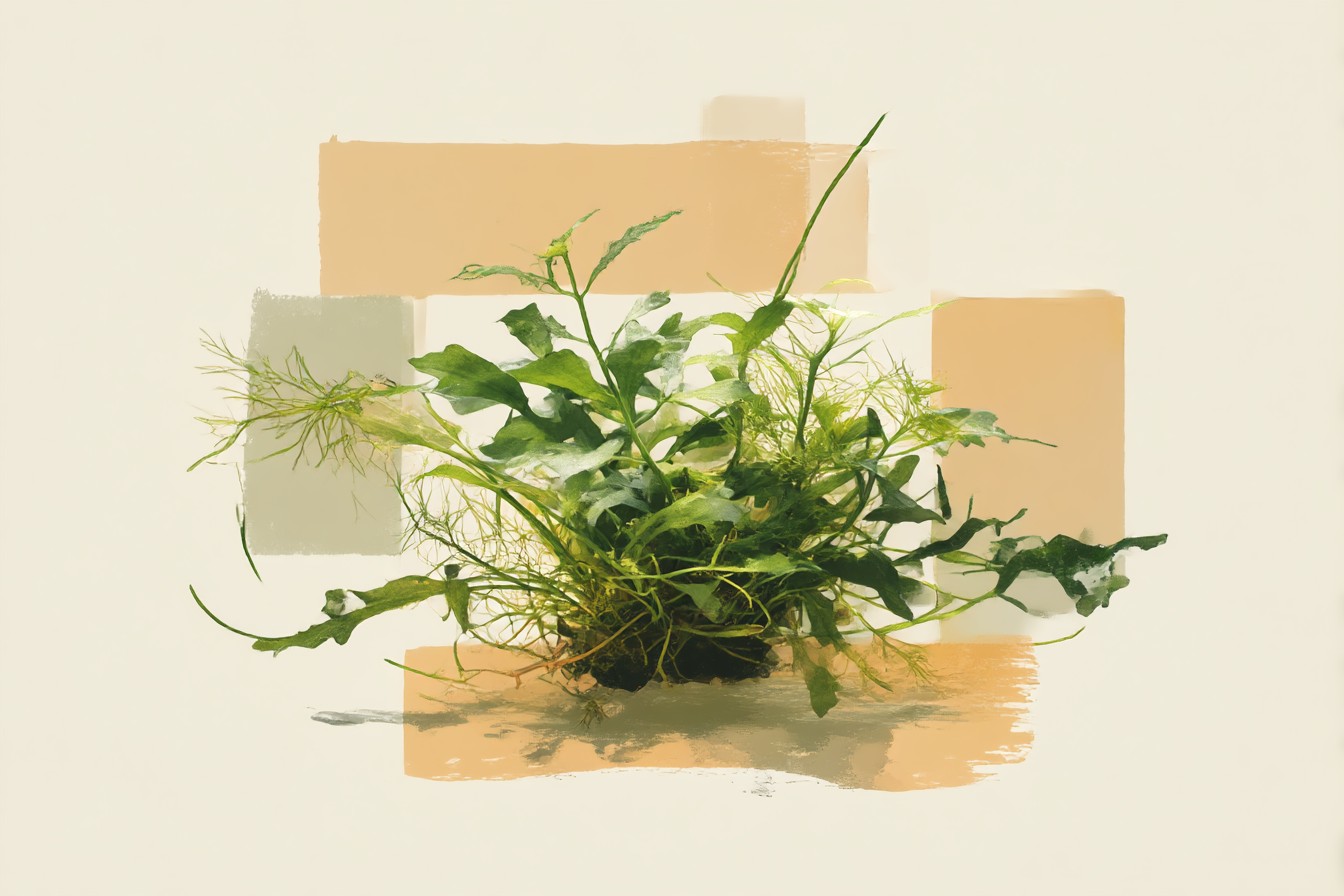
# Proserpinaca Palustris and the Mermaid Weed Nobody Knows About I spent three months trying to get this plant to turn properly red. Three months of tweaking lights, adjusting CO2, checking iron levels, and watching what should have been one of the most striking background plants in the hobby stay stubbornly green. Then I moved it directly under my strongest LED fixture, cranked the CO2 up another 5mg/L, and watched it transform into something that looked like it belonged on an alien planet rather than in my classroom tank.
My students have been asking about “that crazy red plant” ever since. Proserpinaca palustris goes by the common name mermaid weed (Aqua-Fish.net), which tells you something about how it moves in the current and absolutely nothing about why most aquascapers have never heard of it. This is one of those plants that deserves to be much more popular than it is, but only if you understand what it actually needs to succeed. | **Care Level** | **Lighting Needs** | **CO2 Required** | **Growth Rate** | **Max Size** | **Our Rating** | |—|—|—|—|—|—| | High | Very High | 10-40 mg/L | Fast | 30 cm | 8/10 | ## Origins and Entry into the Hobby Proserpinaca palustris comes from North America, where it grows both submerged and emerged in marshlands and shallow waters.
Unlike many aquarium plants that were discovered in some remote corner of the Amazon, this one was growing in American wetlands all along. What took time was working out how to make it perform underwater in artificial conditions.

The plant entered the aquascaping hobby through the same route many North American species did – dedicated hobbyists collecting locally and sharing through plant swaps and online forums.
It never had the marketing push that Asian species received from commercial growers, which explains why you can walk into most aquatic shops and find twenty different types of Cryptocoryne but have to special order mermaid weed. What caught people’s attention was the combination of its unique leaf structure and the dramatic colour transformation it undergoes under high light. The submerged form develops deeply serrated, almost feathery leaves that look nothing like the smooth, simple leaves it produces when grown emerged.
Under the right conditions, those underwater leaves shift from green through orange to deep red, creating one of the most striking colour gradients available in planted tanks. The botanical name comes from Proserpina, the Roman goddess associated with seasonal change, which is rather fitting for a plant that transforms so dramatically based on its environment. ## What Makes It Special The first thing you notice about proserpinaca palustris is that it doesn’t look like anything else commonly available. The submerged leaves develop into these intricate, deeply cut forms that catch light and water movement in ways that standard stem plants simply can’t match.
Each leaf segment moves independently in the current, creating a constant, gentle motion that adds life to the background of a tank even when the fish are hiding. But the real magic happens with the colouring. Under moderate light, you get a perfectly respectable green plant with interesting texture.
Push the lighting intensity up, ensure CO2 levels stay between 20-30 mg/L (Dennerle Plants UK), and something remarkable happens. The newest growth starts developing orange and red tones that intensify as the leaves mature. The effect isn’t uniform – you get gradations of colour from the growing tips down through the older sections, creating a natural ombre effect that would look artificial if you tried to plan it.
This colour response is directly tied to light intensity. Intense light makes it redder (2Hr Aquarist), but there’s a threshold effect rather than a gradual change. You need proper high-intensity lighting to trigger the red pigment production, not just longer photoperiods under moderate lights.
I learned this the hard way, running 10-hour days under standard LEDs and getting nowhere until I switched to a higher-output fixture. The growth pattern adds another layer of interest. As a fast-growing plant (Aqua-Fish.net), it reaches its mature height of up to 30 cm (Dennerle Plants UK) relatively quickly, but it doesn’t grow straight up like many background stems.
Instead, it develops a bushier habit, with side shoots emerging from the nodes to create a fuller, more three-dimensional appearance. The plant’s adaptability to different water parameters is broader than many high-demand species. While it prefers CO2 levels between 10-40 mg/L (AquariumLesson), it will tolerate pH ranges from 5-8 (AquariumLesson) and temperature ranges from 10-28°C (Dennerle Plants UK).
This flexibility makes it workable in more setups than you might expect from looking at its demanding light requirements. One aspect that sets it apart from other red plants is how it responds to pruning. When you top standard stem plants, you typically get predictable regrowth patterns.
Proserpinaca palustris develops multiple growing points from where you make the cut, creating a bushier appearance over time. This means regular trimming actually improves the plant’s appearance rather than just maintaining it. ## The Honest Assessment Let me be completely clear about this: proserpinaca palustris is not a beginner plant. It’s marketed as high demand for good reason (2Hr Aquarist), and trying to grow it without proper CO2 injection and high-intensity lighting will leave you frustrated and poorer.
You Might Also Like
The lighting requirements alone put it out of reach for many setups. You need genuinely high output lighting, not just the sort of LED that keeps easy plants alive. I’m running mine under a fixture that pulls 60 watts over a 60-litre tank, which is considerably more than most people consider necessary for planted tanks.
Anything less and you’ll get a green plant with nice texture but none of the dramatic colouring that makes this species worth the effort. CO2 injection isn’t optional either. While the plant might survive in a low-tech setup, it won’t thrive, and you definitely won’t get the colour development that’s the whole point of growing it.
The CO2 requirements sit between 10-40 mg/L (AquariumLesson), but in my experience, you need to be at the higher end of that range to see good results. Iron supplementation may be needed to prevent leaf drop (Aqua-Fish.net), which adds another variable to manage. I found this out when my first attempt at growing it resulted in steady leaf loss from the bottom up, despite everything else looking healthy.
A comprehensive iron-rich fertiliser solved the problem, but it’s something you need to stay on top of. The plant’s fast growth rate becomes a maintenance issue in smaller tanks. In my 60-litre classroom setup, I’m trimming it every two weeks to prevent it from overwhelming the other plants.
The trimmings root easily, which is great for propagation but means you need somewhere to put the extras or friends willing to take them off your hands. Availability remains an issue. This isn’t a plant you can pick up at any aquatic centre, and when you do find it for sale, it’s usually more expensive than standard red plants like ludwigia or alternanthera.
The limited commercial production means pricing stays high and stock levels are unpredictable. ## Legacy and Influence Proserpinaca palustris represents something of a missed opportunity in the aquascaping world. It has all the visual characteristics that should make it popular – unique texture, dramatic colour changes, interesting growth patterns – but it arrived in the hobby at a time when easier alternatives were becoming widely available. Its influence shows up more in the work of advanced aquascapers who’ve discovered what it can do in high-tech setups.
You’ll see it featured in Dutch-style tanks where the complex leaf structure adds textural interest, and in nature aquascapes where its natural colour gradations provide depth and visual flow without looking artificial. The plant has also contributed to our understanding of how lighting intensity affects plant pigmentation.

Early experiments with proserpinaca palustris helped establish the relationship between PAR levels and anthocyanin production in aquatic plants, knowledge that benefits growers of other colour-changing species.
In educational settings, it’s proven valuable for demonstrating plant adaptation. The dramatic difference between emerged and submerged leaf forms makes it an excellent example of phenotypic plasticity, while the colour changes provide a clear visual demonstration of how environmental factors affect plant biochemistry. ## The Verdict Proserpinaca palustris deserves to be better known, but only among aquascapers who have the equipment and experience to grow it properly. If you’re running a high-tech setup with strong lighting and reliable CO2 injection, this plant offers something genuinely different from the usual selection of red background plants.
The colour development alone makes it worth considering for anyone who wants to move beyond the standard ludwigia and rotala options. The texture and movement add another dimension that you simply can’t get from plants with simpler leaf structures. However, if you’re new to planted tanks or working with moderate lighting and no CO2 injection, this isn’t the plant to cut your teeth on.
Start with easier red plants, build your skills and equipment setup, then come back to proserpinaca palustris when you’re ready for something more challenging. For those who do take it on, the results justify the effort. There’s genuine satisfaction in getting this plant to show its full potential, and once established, it becomes a conversation piece that distinguishes your tank from the hundreds of others running the same easy-care species.
It’s not for everyone, but for the right setup and the right aquascaper, mermaid weed offers something special that few other plants can match. See where this placed in our full ranking of challenging aquarium plants.


