
# Bacopa Monnieri and the Beginner Stem Plant That Actually Looks Good I’ve been teaching middle school biology for eight years, and I’ve learned that the best way to get kids excited about photosynthesis is to show them a plant that’s actually doing it visibly. Not a poster on the wall, not a diagram in a textbook, but something green and growing right there in the classroom tank, releasing tiny bubbles of oxygen that drift up through the water column. Bacopa monnieri was the plant that made this click for my students and for me.
I’d tried other so-called beginner stems before — hygrophila that turned into a jungle overnight, ludwigia that sulked unless everything was perfect, rotala that looked brilliant for a week then melted into mush. But this unassuming little plant with the round leaves just got on with the job. It grew steadily, looked good from day one, and produced those perfect pearl-chain bubbles that make seventh-graders actually pay attention to what I’m saying about dissolved gases.
Three years later, it’s still thriving in both classroom tanks and has earned a permanent place in my home setups too. Not because it’s the flashiest plant available, but because it does exactly what it promises to do without any drama.

In a hobby where “beginner friendly” often translates to “boring but hard to kill,” bacopa monnieri manages to be genuinely attractive while staying properly bulletproof. ## Quick Reference | Care Level | Lighting Needs | CO₂ Required | Growth Rate | Max Size | Our Rating | |————|—————|————–|————-|———-|————| | Beginner | Low to Medium | No | Moderate | 30-50cm | 4.2/5 | ## Background and History Bacopa monnieri isn’t actually native to aquariums at all.
It’s a wetland plant that grows naturally across tropical and subtropical regions, from India through Southeast Asia and into parts of Australia. You’ll find it growing emergent along pond edges and in marshy areas, where it can handle everything from full submersion during wet seasons to exposed roots during dry spells. The aquarium trade picked it up relatively early, and it’s been a reliable presence in plant catalogues for decades now.
Unlike some aquatic plants that are basically one-trick ponies bred specifically for the hobby, bacopa brings all the adaptability of a plant that’s evolved to handle changing water levels, varying light conditions, and seasonal fluctuations in temperature and chemistry. What made it popular wasn’t dramatic colouration or exotic growth patterns, but pure reliability. The temperature range it tolerates is genuinely impressive — anywhere from 15°C to 30°C according to most sources (Aquatic Community), though the more commonly cited range of 18°C to 28°C (AquariumLesson) covers what most of us are running anyway.
The pH tolerance is even more forgiving, handling anything from 5 to 9 (AquariumLesson), which means it’ll grow in soft water, hard water, and everything in between. This adaptability made it a natural choice for the early days of planted tank keeping, when CO₂ injection was rare and most people were working with whatever lighting came with their tank. It established itself as the stem plant you could actually count on to work, which is probably why it’s still turning up in beginner guides and plant starter packs today. ## What Makes It Special The first thing you notice about bacopa monnieri is how normal it looks.
Not in a boring way, but in a refreshingly honest way. The leaves are small, round, and bright green, arranged in neat opposite pairs along sturdy stems. It doesn’t try to be a showstopper, and that’s exactly why it works so well in mixed plantings.
The growth habit is where it really shines, though. Most stem plants seem to exist in two states: barely growing at all, or taking over the entire tank within a month. Bacopa finds a middle ground.
It grows steadily upward at a rate that’s fast enough to see progress week to week, but controlled enough that you’re not constantly trimming just to prevent it from blocking all the light to everything else. When it reaches the surface, it doesn’t immediately turn into a tangled mess like some stems do. The plant can be kept compact by pinching shoots (Tropica), and the pinched portions root easily when replanted.
This makes propagation genuinely straightforward — cut a healthy stem, stick it in the substrate, and it’ll establish itself within a week or two. The lighting requirements are properly flexible. The specifications I’ve seen range from 2 to 4 watts per gallon (FreshwaterAquariumPlants.com), which translates to anything from basic LED strips up to decent planted tank lighting.
Under lower light, it grows more slowly but stays compact and healthy. Under higher light, it picks up the pace and develops slightly more robust stems, but it doesn’t fundamentally change character the way some plants do. CO₂ injection isn’t necessary, but it does respond well when it’s available.
The CO₂ range listed goes from 5 to 40 mg/L (AquariumLesson), which basically means it’ll work with whatever you’re running, from no injection at all up to full pressurised systems. I’ve grown it successfully in both scenarios, and while the CO₂-injected plants grow faster and pearl more visibly, the low-tech specimens are perfectly healthy and attractive. Nutrient-wise, it’s equally accommodating.
The nitrate target range of 10 to 50 mg/L (AquariumLesson) covers everything from lightly stocked tanks with minimal feeding up to heavily planted high-tech setups with daily dosing. I’ve found it actually helps indicate when nutrients are running low — the growth slows noticeably before you see any yellowing or dying leaves, which gives you time to adjust fertilisation before anything goes wrong. The visual impact might not be dramatic, but it’s exactly what most tanks need.
The small, round leaves provide a nice textural contrast to broader-leafed plants or feathery species like cabomba. The upright growth habit works well as a midground plant in larger tanks, or as a background element in smaller setups. At its maximum size of around 30 to 50 centimetres (Aquatic Community), it’s substantial enough to create proper vertical structure without overwhelming everything else.
You Might Also Like
What really sets it apart, though, is how it behaves with fish. Some stem plants seem to attract every algae-eating fish in the tank, ending up constantly nibbled and ragged-looking. Others are apparently toxic enough that fish avoid them entirely, which can look unnatural.
Bacopa sits comfortably in the middle — most fish largely ignore it, but it’s not so untouchable that it looks artificial in a community tank. ## The Honest Assessment For all its reliability, bacopa monnieri does have limitations that are worth understanding before you commit tank space to it. The most obvious is that it’s never going to be a centrepiece plant. If you’re looking for dramatic red colours, unusual leaf shapes, or eye-catching growth patterns, this isn’t going to deliver.
It’s solidly, permanently green, and while that green is quite attractive, it’s not going to transform the visual character of your tank. The growth rate, while generally well-behaved, can be inconsistent depending on conditions. In my classroom tank with basic lighting and no CO₂, it grows slowly enough that students can track progress over weeks.
In my home setup with better lighting and liquid carbon dosing, it grows quickly enough that I need to trim it every couple of weeks to prevent it from reaching the surface. This isn’t necessarily a problem, but it does mean you need to adjust your maintenance expectations based on your specific setup. Trimming is straightforward, but it does need to be done regularly if you want to maintain a particular shape or height.
Left to its own devices, bacopa will grow straight up to the surface and then start spreading horizontally, which can create shadowing issues for plants below. The stems don’t branch naturally very often, so if you want bushier growth, you need to actively pinch the growing tips to encourage lateral shoots. The root system, while robust, can be a bit aggressive in smaller tanks.
Established plants develop a decent network of roots that can interfere with the root systems of nearby plants if spacing is too tight. This isn’t usually a major issue, but it’s worth considering when planning plant placement, especially in tanks where you want to grow carpeting plants nearby. One thing I’ve noticed over several years of growing it is that older stems can become a bit woody and less attractive.
The bottom sections of stems that have been in the tank for six months or more tend to lose their bright green colour and can look a bit tired. Regular trimming and replanting of the top sections keeps this from being a visible problem, but it does mean that bacopa benefits from periodic refreshing rather than just being planted once and left alone indefinitely. Fish compatibility is generally excellent, but there are a few species that seem to find it particularly tasty.
Large cichlids will often uproot it while digging, and I’ve had issues with some of the more herbivorous barbs nibbling the young leaves. Most community fish leave it alone, but it’s worth considering if you’re keeping species known for plant destruction. ## Legacy and Influence Bacopa monnieri has played a quietly important role in making planted tanks accessible to ordinary aquarists. In the early days of the hobby, when most people were still thinking in terms of plastic plants or maybe a single java fern, having a proper stem plant that would actually grow and look good under basic conditions opened up possibilities that hadn’t existed before.
It’s been a gateway plant for countless aquarists who started with the assumption that live plants were either impossible or required expensive specialist equipment. The fact that you can stick a few stems in gravel under a basic light and get genuine growth and even some pearling has probably convinced more people to try planted tanks than any amount of impressive high-tech showcase builds. From a teaching perspective, it’s been invaluable for demonstrating basic plant biology concepts.
The oxygen bubbles it produces under decent lighting make photosynthesis visible in a way that gets students engaged with the actual science rather than just memorising chemical equations.
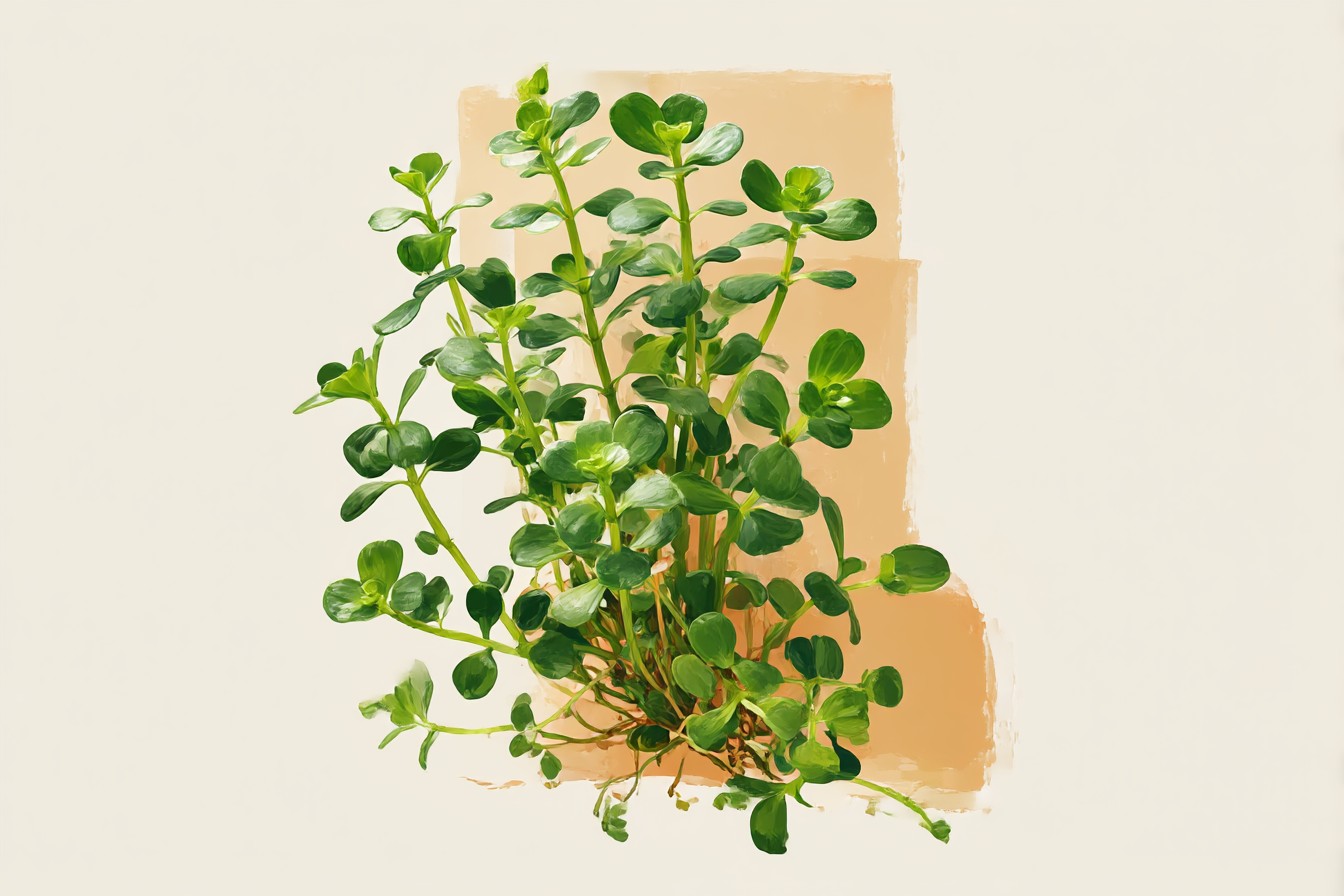
The steady growth rate makes it possible to track plant development over the course of a school term, and the ease of propagation means every student can take home a cutting and see the same processes happening in their own setup. More broadly, bacopa helped establish the template for what a good beginner plant should actually be.
Not just hardy enough to survive neglect, but attractive enough to be worth growing, forgiving enough to handle beginner mistakes, and responsive enough to reward proper care with visible improvement. That combination of qualities has become the standard by which other beginner plants are measured. ## The Verdict Bacopa monnieri might not be the most exciting plant in the aquarium trade, but it’s earned its reputation through sheer competence. If you’re new to planted tanks and want something that will actually look good while you’re learning the basics, this is probably your best starting point for stem plants.
If you’re experienced and need something reliable to fill a particular niche in a mixed planting, it’ll do that job without any fuss. The reality is that most planted tanks benefit more from having a few species that thrive consistently than from attempting to grow every exotic variety in the catalogue. Bacopa monnieri is the kind of plant that lets you focus on learning water chemistry, lighting, and fertilisation without worrying about whether your plants are going to survive the process.
For classroom use, it’s been genuinely transformative. Students who started the year convinced that plants were boring end up fascinated by watching oxygen bubbles rise from the leaves and competing to spot new growth. That’s not something you can say about many aquarium plants, and it’s worth remembering when you’re planning your next tank build.
See where this placed in our full ranking of beginner-friendly plants.


