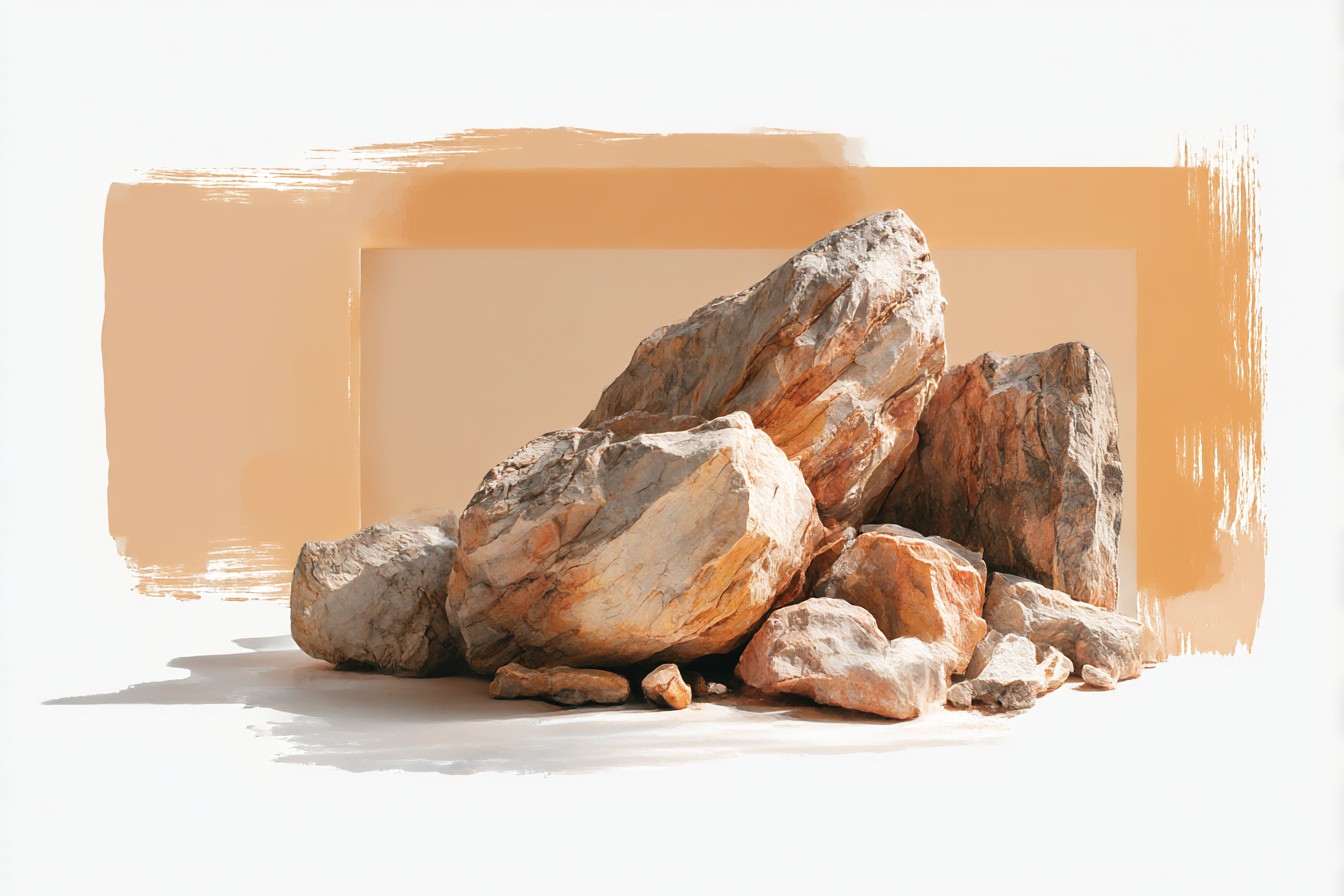
I spent weeks lurking on aquascaping forums trying to figure out what made some hardscapes appear natural and seamless while others looked like rocks dumped in a corner. It wasn’t the plants or fish choice or lighting, it was the rock.
Dragon stone was a revelation to me, and if the number of contest tanks incorporating it since 2010 is anything to go by, I wasn’t alone in thinking this. It’s not just another hardscape material you can swap out with nothing changing. When used correctly it is a completely different way of thinking about aquascaping rocks that makes perfect sense once you know how and why it works.
Most aquarists previous to dragon stone being widely available were stuck using limestone derivatives that increased pH or heavy volcanic rocks that required structural engineers degrees just to stack without falling over.
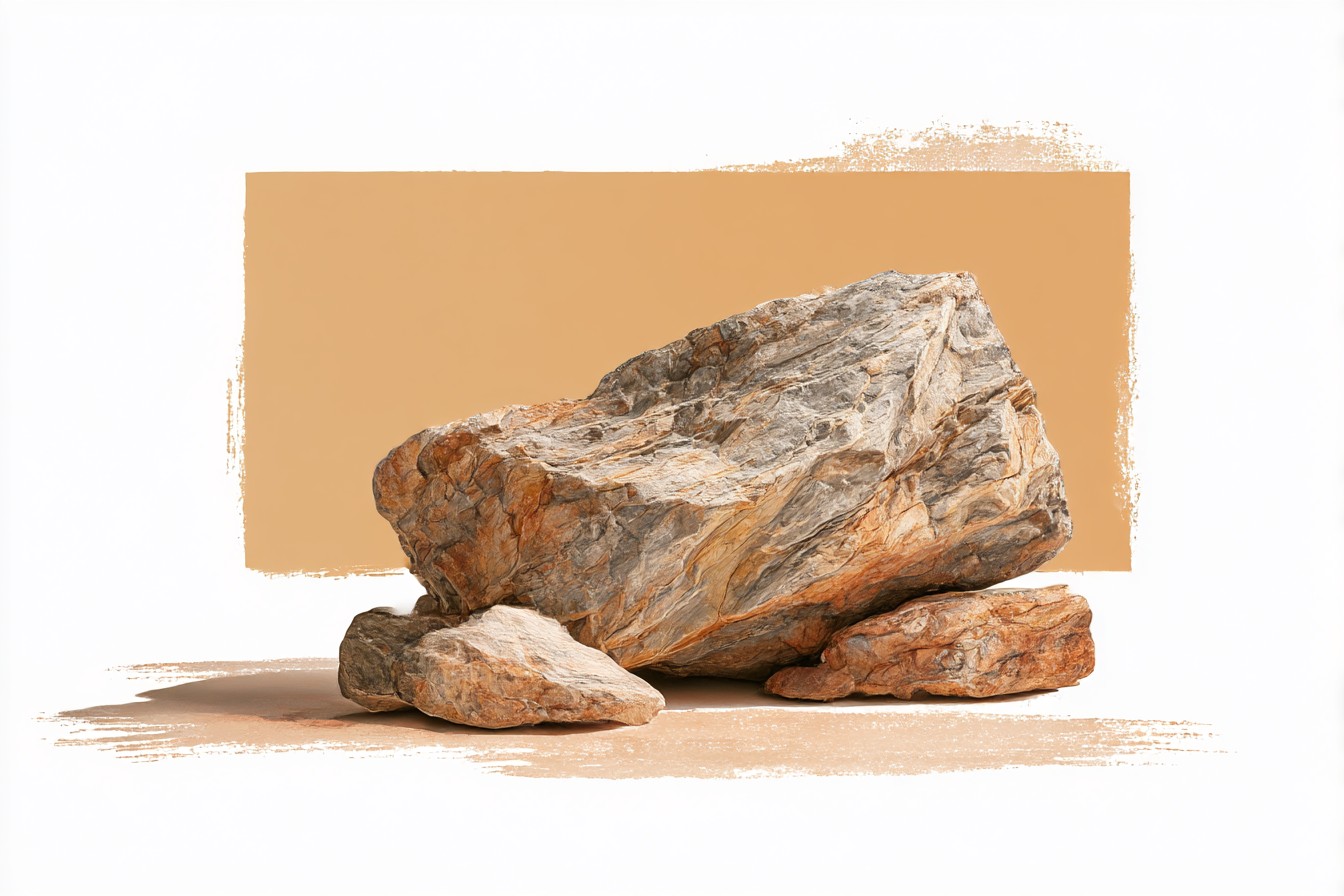
Dragon stone allowed us to fix both these issues and introduced options that weren’t possible before. The porous nature allows plants to anchor into it (Buce Plant), it’s clay based and so doesn’t alter pH significantly(The Spruce Pets) and it’s ridiculously light in comparison to other stones allowing you to stack it in ways that would instantly collapse if you used say Seiryu stone(Practical Fishkeeping).
If you’ve built planted tanks and haven’t experienced dragon stone used correctly then you haven’t truly appreciated how aquarium hardscapes can work functionally as well as simply looking pretty.
## How Dragon Stone Works
Dragon stone. Also known as Ohko stone (Aquarium Co Op), is a polar shift away from everything we previously thought we knew about aquascaping rocks. Both in composition and intended use. I’ll break down exactly why and how it works to make aquascaping so much easier and enjoyable.
**Why Dragon Stone Doesn’t Kill Your Tank**
One of the most important things to understand about dragon stone is what it isn’t, and that’s limestone. All of the gorgeous cave-like structures you see built with dragon stone won’t push your pH up or cloud your tank. Limestone rocks like texas holey rock or crushed coral are literally made from ancient sea shells and will continue to alter your water chemistry no matter how many buffers you add. Dragon stone doesn’t autumn into this category.
It’s clay (Aquascaping Love) based which means it will not affect your water hardness or parameters. This has huge benefits if you keep soft water species or want stability for your plants. Sure you can add CO2 and buffers to your tank and prevent pH rises, but using traditional rocks will always battle against you. Dragon stone doesn’t care what you do to your water, it stays the same.
So why is dragon stone safe for shrimp (Seriously Fish)? Pretty much for the same reason. Dragon stone doesn’t change anything. Even if your tank is battling with hardness or pH fluctuations your dragon stone hardscape won’t make it worse. I’ve kept Caridina shrimp in tanks with nothing but dragon stone and RO water remineralised to a set conductivity.
**Plant Friendly**
I mentioned previously how plant roots can weave themselves into dragon stone. There’s nothing more natural looking than dragon stone tied together with moss orplants actually growing into the structure. How does this happen?
Dragon stone’s miraculous growing properties are thanks to all the gnarly holes and tunnels in the material. Plants can attach to the stone, but they can also embed themselves in it. Take a look at the image below, those are entire colonies of Anubias roots that have grown into the dragon stone over the course of around 6 months.
I can’t stress enough how much of a game changer this is for aquascaping plants into your aquarium landscape. Dragons stone doesn’t just sit there looking pretty, it allows you to take aquascaping plant integration to the next level.
Obviously small polished stones don’t have this issue, but for larger dragon stones this microbial film is important. Particularly if you’re going to be planting things into or on your dragon stone.
Long story short when dragons stones are porous you want to clean them thoroughly to prevent fungal growth, but if they’re solid you do not need to clean them nearly as much. Place a solid dragon stone next to a porous one and you’ll see exactly what I mean.
Taken just 24 hours apart, why is the one on the right clear and the one on the left cloudy? Coloured biofilm.
Now you understand how dragon stone won’t kill your shrimp tank or plants, let’s talk about how you can actually build with it.
## Building Natural Layouts With Dragon Stone
Creating truly natural looking aquascapes with dragons stone is simple once you learn how to use it properly. Sure you can dump it in the corner and pretend it’s a geode or crystal cave, but that’s pointless when it can look so much better.
**Structurally Sound Layouts**
When you first get your dragon stones out of the bag you’re going to need to play tetris with them for a bit. Every piece of dragon stone is unique, the larger ones especially so. I’ll usually spend the first hour of any dragon stone build just playing with how the individual pieces interlock and fit together. Most newcomers to dragon stone assume you just stack it up and that’s that.
Wrong.
There is an art to building dragons stones correctly because of their unique shapes. Again those holes I keep going on about. You can get dragon stones to interlock and grip each other securely by engaging the holes and stone protrusions. See how the small protrusion from the stone on the right fits nicely into hole on the left?
There’s now a mechanical connection between the two stones that’s actually stronger than if I were just stack them flat. This is perfect when you’re building up layers or complex structures.
Build from your largest piece as a base, find another that fits against it nicely and build up. Test stability as you go, you’d be surprised how far you can get before your whole structure collapses.
Don’t be afraid to break off bits of stone either. Those large channel potractions are incredible for plant integration but not always so easy to work with. The small piece on the bottom right of the picture below didn’t autumn off by accident, I was honestly struggling to get it to fit with the rest of the structure.
But by removing it I was then able to fill the hole it left with another piece and create this:
Pretty neat huh? Sure it would have looked nice without that piece as well, but how many times have you had a ‘almost perfectly stackable’ rock setup that fell over during layout planning?
**Natural Cave Building**
You have literally bought yourself a box full of underwater caves, now it’s time to put them together. Combination hole size and placement is critical when thinking about how fish will use the space you provide. Tiny decorative tetras may love bouncing in and out of these caves as they wander around your tank, but what about your Mbunas? Betza’s? Kribs?
As a general rule of thumb you want to ensure your caves have multiple entry and exit points. Most fish avoid anywhere that they feel they can’t quickly get away from. Takes all sorts I guess, but unless you’re specifically targeting those fish your cave should be open enough that your fish don’t feel threatened using it.
Breeding traps are also easier to avoid with dragon stone. Granted that’s a lot more specific to fish than plant aquascaping, but keeping your fry safe is important. You want them to be able to hide if they need to, but not hide forever.
This may sound crazy, but when Dragon stone caves are built correctly they can actually be better than live rock for breeding. Live rock has gaps, holes and hiding spots you can’t see. Dragon stone does not. Sure you might not be able to see individual fry, but at the very least you can see any pits or holes that are big enough to trap them.
Thinking about aquascaping your tank with Dragon stone? Here are a few tips to take your layouts to the next level…
You Might Also Like
## Planning Tips & Tricks For Dragon Stone Aquascapes
| 1) Let it Guide you
Don’t think too hard about where you want everything to go. Look at your stones, find your largest “anchor” piece and start working around that. Because your stones are soooo unique you’ll find that as you work the large piece will kind of dictate where everything else can and can’t go. You can force it sometimes, but I find it easier to work with the flow of the stones. |
| 2) Plant First, Decorate Later
Dragon stone and plants were made for each other. If you have a cool looking dragon stone, chances are there’s a perfect spot on it for a stem plant to weave through or an anubias to sit on. That doesn’t mean you shouldn’t plan your hardscape ahead of time, but don’t be afraid to move things around a bit if you see that sweet spot. Planting your aquascape before you add dragons stone is a sure fire way to fail. At least if you’re looking for that amazing integration we all know and love. |
| 3) Size Does Matter
Speaking of sweet spots, when choosing your dragon stones pay attention to relative size. This doesn’t just apply to the height and length of the stone either. Because dragon stones are so unique you’ll get ones that have large holes you can fit your hand in. Others may seem almost completely solid. Think about how this will affect your aquascape both before and after planting. A huge open dragon stone near the foreground will look ridiculously out of place if it’s supposed to be your “background”. Personally I like to stick to the following rules of thumb when buying dragon stone.
|
| 4) Break The Rules
…. Every once in a while. Rules are great, as are suggestions. But at the end of the day you aren’t going to offend anyone by experimenting with your aquascaping. One of my favourite aquascapes I’ve done was pretty much against all of the advice I just gave you. It was stunning, and that’s the beauty of dragon stone. It’s not difficult to make it look good. |
## Mistakes To Avoid When Aquascaping With Dragon Stone
|
| Dragon stone is like that weird friend we all have. The one who shows up to house parties uninvited but always has incredible stories to tell. When you first get your dragon stones you should totally play around with them. See what weird cool structures you can come up with. But if you’re actually aquascaping your tank you’ll need to plan what you want your layout to look like. |
|
| Sure, dragons stone doesn’t ‘need’ to be planned out. It looks awesome stacked in the back corner of your aquarium. But think about all you’re missing! Yes you get that crazy geode wizard of oz cave vibe going on, but what about using it to integrate plants naturally and amazingly? |
|
One of the most common questions I get asked about dragon stone is “how many should I buy?” There isn’t a set amount of dragon stones you’ll need for your aquarium but as a general rule of thumb I stick to this:
The reason I recommend buying more of the smaller stones is because you can always return what you don’t use. But once you glue that cool dragon stone mountain into place there’s no going back. |
Now that you know what NOT to do, here’s a few resources to get you started.
**Articles**
Planting Dragon Stone — Great tips for aquascaping your dragons stone with plants. And yes it is possible!
Dragon Stone for Bettas? Yes you mother fucker yes.
How To Build A Natural Looking Dragon Stone Layout — I saved you the reading and compiled all of the good parts here.
Blog Posts
Using Dragon Stone Substrate — Subreddit advice on using dragon stone as substrate. Which you can totally do!
Mounting Dragon Stone — Who says you have to build horizontally? All of these tricks can be used for vertical aquascapes too.
Cleaning Dragon Stone — All new dragon stones will need to be cleaned. Here’s how.
## Resources for Dragon Stone Applications
This isn’t an exhaustive list by any means, but it’s a great start for understanding how dragon stone can be used as an aquarium hardscape material. As aquascaping continues to grow in popularity dragon stone related articles and resources will become more widespread. For now we can scour the interwebs for interesting read and share them with those who ask.
Videos
Here are some of my favourite dragon stone YouTube videos. Thoroughly enjoyed putting this list together if I do say so myself…
Cleaning Your Dragon Stone Before Use. — Don’t skip this step.
Beautiful Aqua-Cake Aquascaping With Dragon Stone. This guy is unreal.
Conclusion
Dragon stone was a game changer for me in so many ways. Maybe you’ve read this whole guide and decided it’s not for you, and that’s fine! There are plenty of other aquascaping rocks out there without this amazing functionality.
But if you have even a mild interest in giving dragon stone a shot I cannot recommend it enough. It’s affordable, versatile and seriously cool looking. If you pick it up I’d love to hear your thoughts/questions below. Happy aquascaping!

[…] start with definitions. What is Hardscaping? Hardscaping is the use of stone, driftwood, and other inanimate materials to build your aquarium’s […]