It’s easy to look at those brown or yellow leaves decorating your aquarium plants and decide to leave them be for now. After all, there’s no need to stress your plants out by cutting them. Plus, they might recover, right?
Wrong on both accounts. Plants can’t recover damaged leaves (Marcus Fish Tanks), and dead leaves lead to a multitude of problems that can collapse your tank’s ecosystem. Dead leaves will decompose, which will feed algae (Aquariumia) and pollute your water column, eventually stressing your fish.
Or at least that’s what happened to me when I first got into planted tanks. I decided to leave the dying leaves to “sort themselves out naturally”.
What I actually got was a major thread algae outbreak that took me MONTHS to get under control and a bacteria outbreak that killed three of my favourite rasboras.
Removing Dead Leaves from Aquarium Plants If you’ve experienced similar scenarios, know that there is light at the end of the tunnel. Dead leaves don’t have to mean death for your aquarium. Removing dead leaves is actually pretty easy, once you know what you’re doing.
Today, we’ll cover everything you need to know about removing dead leaves the right way – and setting yourself up for long-term success. Why Removing Dead Leaves Is Beneficial For Your Aquarium You may wonder how dead aquarium plant leaves can be problematic. It all comes down to the natural decomposition process.
When plant tissue dies and starts decomposing, it consumes oxygen from the water column and releases ammonia, nitrates, and phosphates – all the good stuff algae love to feed on (Aquariumia). Loss of Dissolved Oxygen & Ammonia Spikes: Organic decomposition also creates microenvironments within the substrate that are low in dissolved oxygen. Bacteria that decompose dead plant matter use up oxygen and can create pockets of dead space that produce hydrogen sulphide if the decomposition occurs under anaerobic conditions.
This is why your tank suddenly smells like rotten eggs whenever you clean it. Nutrient Spikes & Algae: Dead aquarium plant leaves are, essentially, a fertiliser tablet you don’t want. With fertilisers, you add a calculated dose of nutrients your aquarium plants need when they need it.
Dead leaves on the other hand release nutrients at will. Fish & Plant Disease: Dying plant matter is also host to many different types of bacteria and fungus. These can easily spread to healthy plants, or negatively affect your fishes immune system.
Stress from poor water quality can make your fish more susceptible to diseases they would typically fight off on their own. Studies have shown that removal of dead or rotting aquarium plant leaves helps prevent the spread of decay and disease. (IERE) Can Damage Substrate & Plant Roots: Lastly, when left to rot in your substrate, dead leaves can cause root damage to your aquarium plants. As they decompose, they can create pockets of no-oxygen space in your substrate.
As mentioned before, this causes two big problems. One, your substrate’s beneficial bacteria can be killed by the hydrogen sulphide. Second, your plants roots can be damaged by rotting leaves.
Removing Dead Leaves Should Be Part Of Your Plant Maintenance Routine Just like everything in the aquarium hobby, prevention is 100% better than trying to solve a problem after it has already occurred. Not only will your plants look better by performing regular dead leaf removal, but you’ll also prevent major algae outbreaks and fish kills. With that being said, there is one right way and many wrong ways when it comes to dead leaf removal.
Done incorrectly, you can easily stress your plants and fish (not to mention make a bigger mess than you had to begin with). Tools You’ll Need For Easy Dead Leaf Removal Sharp Aquarium Scissors: Lets start off with the most important tool you can have when trimming your aquarium plants. A pair of sharp aquarium scissors are absolutely necessary when trimming your aquarium plants (Aquarium Life HQ).
Dull scissors will damage your aquarium plants by crushing the plant tissue rather than giving you a nice clean cut. I have a pair of aquarium scissors that I keep clean and use nothing but hydrogen peroxide between aquariums. Transferring bacteria between tanks through dirty equipment is a huge problem many people don’t think about.
Fine Mesh Net: A fine mesh net is ideal for picking up any floating debris (Aquariumia). When picking a net, make sure the word “fine” is in the description. A lot of fish nets are designed with too large of a mesh size to pick up tiny leaf particles.
I like to use a brine shrimp net for this exact reason. It’s a small net with very fine mesh that’s great at picking up debris. There are even aquarium specific plants nets with super fine mesh that are designed to pick up debris.
Long Tweezers: Long aquarium forceps or tweezers are great for picking up those hard to reach leaves without disturbing your aquarium plants. Long tweezers come in handy when working in tight spots. Timing: When To Remove Dead Leaves Ideally, you want to remove dead leaves when you’re already working in the tank.
When you do water changes is the perfect time to start removing any dead plant material. By doing dead leaf removal when you’re already water changing, you can easily siphon away any leaves you may accidentally break off. Another thing to look for is aquarium plants that have started yellowing or are spotted.
These leaves won’t recover and are just going to continue to decay. It’s best to remove these leaves while they’re mostly green to prevent excess nutrients from decomposing plant matter from polluting your tank. Once you start to remove yellowing or dead plant leaves, always finish cleaning the plant up before moving to the next.
You don’t want to be trimming half of the aquarium plants in the tank and then decide to start on the next plant. Slowly Work Your Way Through the Aquarium: You also want to take your time when going through each of your aquarium plants. Start at the bottom of the tank and work your way up.
Bottom leaves on aquarium plants are typically older and die first. As the plant grows, it pushes nutrients up to the newer growth by sacrificing older leaves. If your finding more than half of the leave on your plant is damaged or discoloured then it might be time to trim that plant up.
Cheque for algae covered leaves as well. Algae covered leaves won’t necessarily be brown or yellowing but they will still add to your tanks nutrients load. Plus, they aren’t providing any benefits to your aquarium anyways.
Hair algae can usually be rubbed right off your aquarium plants ( Aquarium Co-Op ). If the leaf looks like it might survive, you can carefully rub the algae off. If not, remove the leaf.
Cutting Leaves The RIGHT Way Like we mentioned earlier, not all cutting techniques are created equal. You want to ensure you’re cutting your aquarium plant leaves in a way that will help them recover, not shock them. Cut Leaves at the Node: Knowing where to cut your aquarium plant leaves is essential for promoting new growth.
Cut your aquarium plant leaves just above a node (OG Garden Online). Cutting your plant leaves anywhere else will heal slower and have a higher likelihood of getting infected. Cut at an Angle: The way you cut your plant leaves also matters.
You Might Also Like
Make your cuts at a slight angle instead of straight across. Cutting your leaves at an angle will reduce the amount of exposed area and help prevent bacteria from entering the wound. Remove Only About 1/3 of the Plant: You don’t want to go crazy when trimming your aquarium plants and start cutting left and right.
Not only will this stress your plant out, but you’ll run the risk of killing it off as well. Aquarium plants need their leaves to produce nutrients for the plant. Think of plant trimming like cutting your hair.
You wouldn’t go to the barber and say cut off 75% of my hair. Same concept with your aquarium plants. Be Aware of What Type of Plant You’re Cutting: Lastly, a few things you want to take into consideration is what type of aquarium plant you’re cutting.
Rosette Plants like Amazon Swords should have individual leaves cut off at the base of the crown. You never want to cut a leaf off halfway up the leave stem. Rhizome plants like Anubias can have the entire leave cut off at the rhizome.
But be careful not to cut the rhizome itself! Stem Plants are probably the easiest plants to trim because you can cut the entire stem off if you want. Although I recommend only removing individual leaves.
Watch Out For Oily Plants: Some plants secrete a milky sap when cut. This sap is usually harmless to fish and invertebrates but can irritate them if they come in contact with a lot of it. If you plan on cutting a lot of plants that bleed sap, I recommend cutting them one at a time.
Then you can immediately do a water change to remove the sap from your aquarium. Pick Up Leaves Fragments ASAP Siphoning up those leftover leaf fragments is just as important as cutting them the right way. Leaving those fragments floating in your aquarium will do you no good and they’ll start decomposing right away.
Use Your Aquarium Equipment To Your Advantage: If you have a strong stream of water flowing through your aquarium when you’re cutting your plants, position yourself so the current is flowing towards you and your net. That way, the current is bringing the debris to you and you won’t have to go chasing it all over the place. If you have a slow water flow, you may want to perform plant maintenance with your filters off.
A lot of filter can be programmed to turn off for a few hours. That way you can ensure that your not fighting your equipment. Use Any Tool Necessary: Dead leaf removal is no time to be proud.
If you have to use tweezers to pick up that one leaf fragment, by all means use tweezers. Nothing sucks more than trying to siphon up a loose leaf with a gravel vacuum. Siphon Immediately After Cutting: Once you cut that loose leaf off, siphon away any debris you see immediately.
The longer you wait, the more chance it has to settle in your substrate. Siphon Everything: When siphoning up debris, make sure you go over every surface imaginable. Glass, decorations, leaves, driftwood, you name it.
Also, take your time when siphoning the substrate. Areas with low water flow are a big culprit for dead debris. Don’t Let Aquarium Plant Leaves Autumn Into The Substrate: Speaking of substrate, one thing we can’t stress enough is to make sure none of your aquarium plant leaves autumn into the substrate.
If you do your best avoiding this, but it happens. Use A turkey baster or something similar to spray water into the substrate. This will float any debris that fell in back up to the surface.
Common Mistakes Made When Removing Dead Leaves To make sure you don’t run into any problems of your own. Here are some of the most common mistakes aquarists make when removing dead leaves from their aquarium plants. Mistake #1: Try Riping Leaves Instead of Cutting Them Its happened to all of us at one time or another.
You go to grab that brown leaf on your aquarium plant and instead of cutting it you rip it off. When you rip leaves off your aquarium plants, you’re creating jagged edges where bacteria will flourish. Mistake #2: Waiting Too Long By the time your aquarium plant leaves are completely brown you could have already been weeks down the road with nutrient loading.
If you see your aquarium plant leaves starting to turn yellow with holes or brown spots in them, immediately remove them. You won’t be able to revive them so you may as well give up on them now. Mistake #3: Removing Too Much We get it.
Sometimes you just want to clean up that one big messy plant. However, by removing too much plant material at once you can shock your aquarium plant. Shoving your scissors in every direction will eventually kill your aquarium plant.
Mistake #4: Not Cleaning Up All The Debris You carefully trim that one messy sword plant and think you’re done. Wrong. If you don’t siphon up all those tiny little leaf particles you just created, you might as well have not trimmed that plant at all.
Mistake #5: Not Cleaning Your Equipment Like we stated earlier, your aquarium scissors can harbor harmful bacteria. Not only can it harm your aquarium fish, but it can also be introduced to healthy plants. Make sure you clean your scissors with some hydrogen peroxide or aquarium safe disinfectant after trimming each plant.
Mistake #6: Fighting Your Filtration Trying to remove all your aquarium plant debris with your filter blowing full blast is just asking for trouble. Either work with the flow of your tank or turn your filters off while you do plant maintenance. Benefits Of Regular Dead Leaf Removal Although this may seem like a lot of work, you’ll quickly learn that there are benefits to performing regular dead leaf removal.
Consistently Good Water Parameters: Within just a couple of weeks you’ll notice your water parameters are consistent week after week.
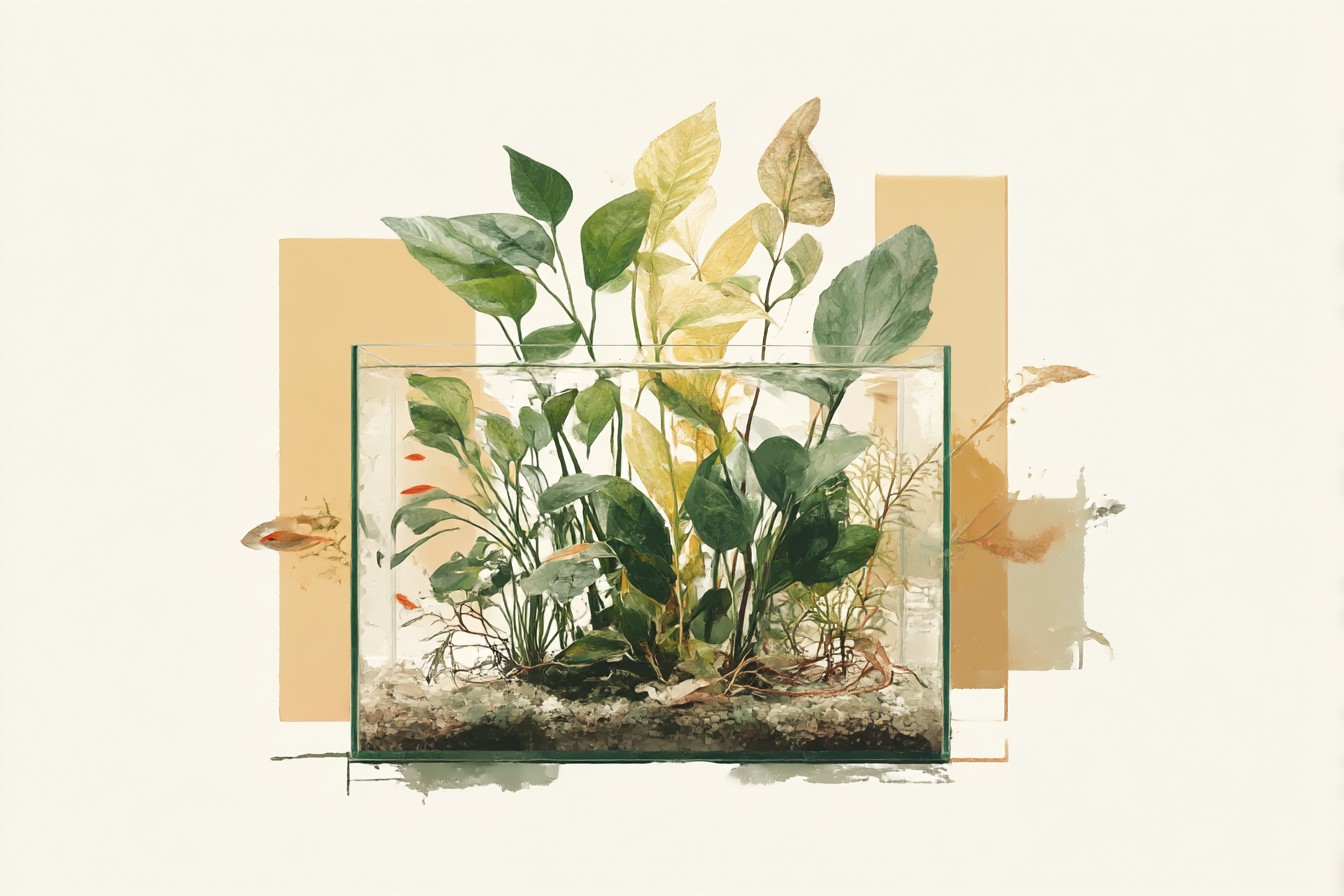
Less Algae: Once you get into the routine of removing dead leaves, you’ll never look back. Algae outbreaks will become a thing of the past and you’ll spend more time enjoying your aquarium instead of cleaning it.
Healthy Aquarium Plants: Not only will your aquarium look better by removing dead leaves, but your aquarium plants will grow faster and healthier than ever. Save Money: By preventing large algae outbreaks and fish kills, you won’t have to spend money on chemicals and/or buying new fish. Help Your Fish Live Longer: Stress is the number one killer in the aquarium hobby.
By keeping your water parameters consistent and free of algae you’ll significantly reduce stress on your fish. Improving Aquarium Water Quality With Dead Leaf Removal Summary If you suffer from brown spots appearing in your aquarium after doing water changes or just want your aquarium plants to thrive, then follow the steps above on how to properly remove dead leaves from your aquarium plants. You’ll be amazed at how much of a difference it can make for the health of your aquarium.
Once you get used to performing regular dead plant maintenance, it’ll become second nature. Dead leaf removal is just one aspect to maintaining a healthy planted aquarium. Make sure you cheque out our Ultimate Planted Tank Guide to learn everything else you need to know about keeping aquarium plants.