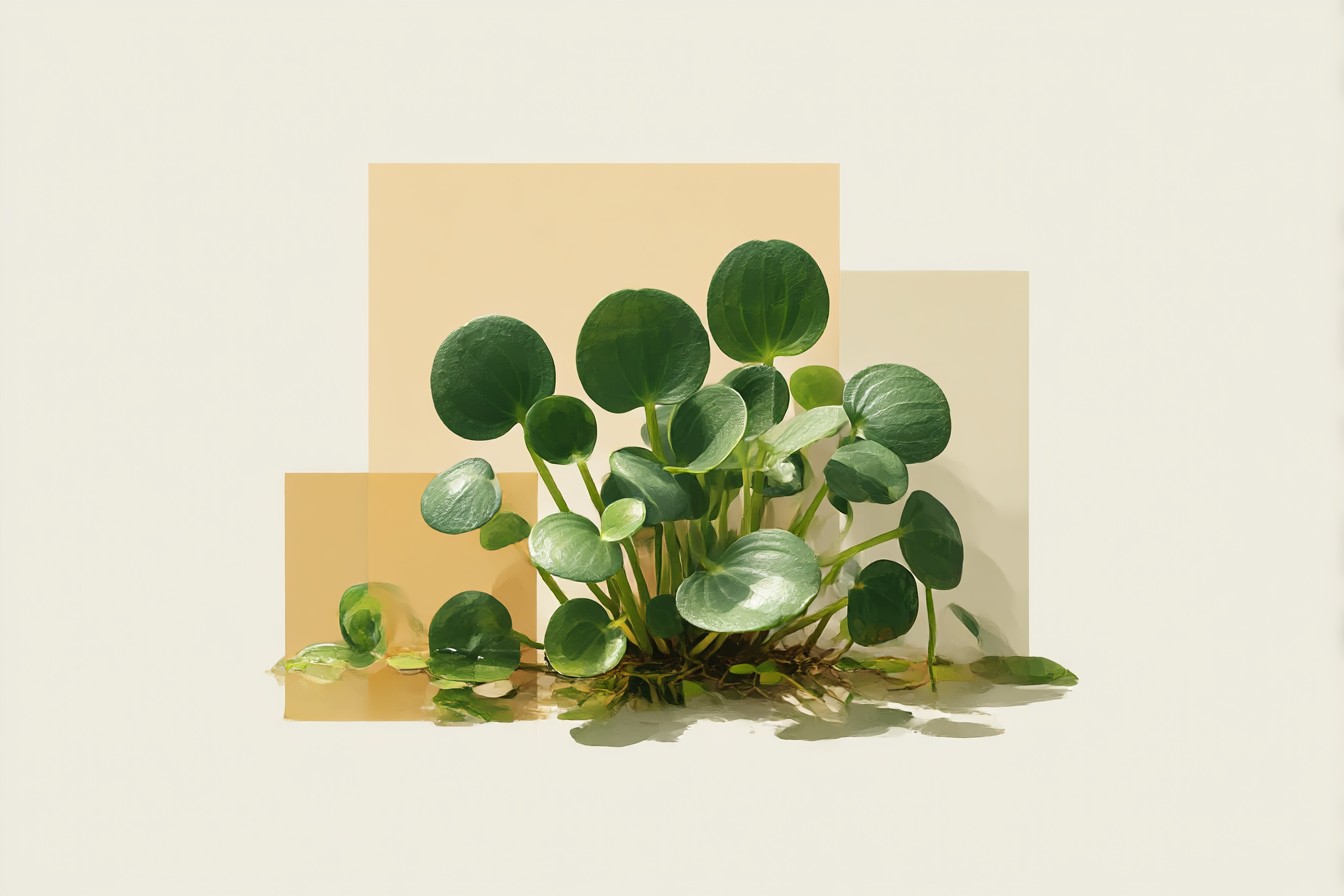
# Dwarf Water Lettuce and the Nano Tank Version Nobody Tells You About I’d been running my first nano tank for about three months when I spotted this tiny floating plant at the local aquatics shop. The lad behind the counter called it “dwarf water lettuce” and said it was perfect for small tanks. Cost me £2.50 for what looked like three small green rosettes, each about the size of a 50p coin.
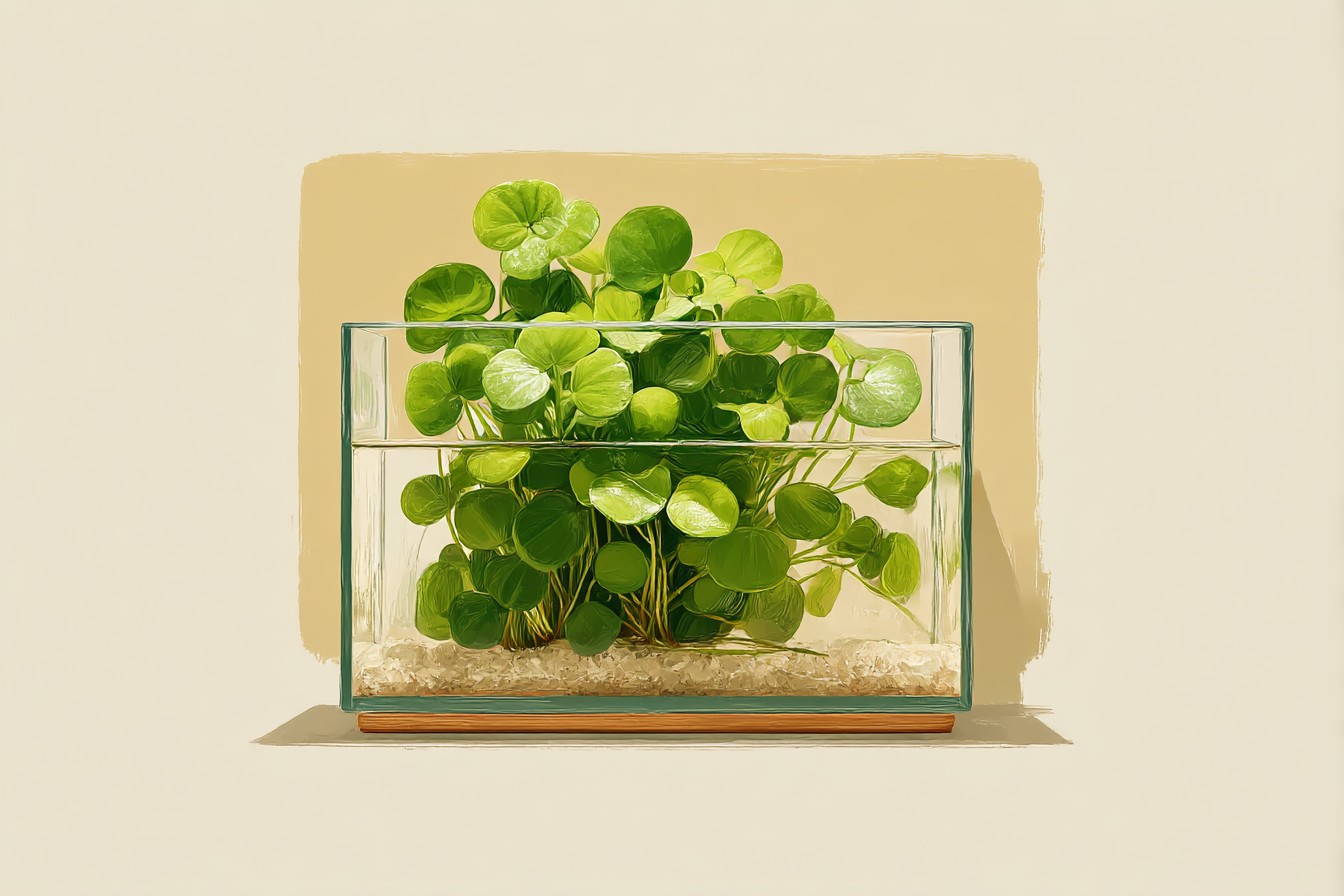
I figured it was worth a punt. What I didn’t realise was that I’d just bought the most efficient surface coverage plant in the hobby, and that “dwarf” doesn’t mean what you think it means when it comes to how fast this thing spreads. Six weeks later, my 30-litre tank looked like a miniature pond.
The surface was completely covered in neat little floating rosettes, each one trailing delicate white roots into the water below. My tetras loved it.
My lighting bill didn’t.
And I learned the first rule of keeping dwarf water lettuce: always have someone who wants the excess, because there’s going to be excess. ## Quick Reference | Care Level | Lighting Needs | CO2 Required | Growth Rate | Max Size | Our Rating | |————|—————|————–|————-|———-|————| | Beginner | Low to Moderate | No | Very Fast | 5-25cm height | 8.5/10 | ## Background and the Name Game Dwarf water lettuce is essentially a miniature version of standard water lettuce (Pistia stratiotes), which in its full form can produce rosettes up to 15 cm across (IUCN GISD PDF). The dwarf variety, bred specifically for aquarium use, keeps its leaves to a more manageable 1.5–2.5 cm (0.5–1 inch) (AquariumBreeder), making it suitable for tanks where the standard version would be completely impractical. This smaller form has been described as specifically suited to small aquariums (Aquarium Source), though I’ve found that definition needs some qualifying.
It’s dwarf in leaf size, not in spreading speed or coverage ambitions. The plant maintains the same basic structure as its larger cousin: a floating rosette of pale green, slightly fuzzy leaves with trailing roots that can reach impressive lengths if left to their own devices. The aquarium trade picked up on this miniature form because standard water lettuce simply overwhelms most home tanks.
A single full-sized plant can dominate a 200-litre setup within weeks. The dwarf version promised all the benefits of surface coverage and nutrient absorption with better proportions for smaller systems. What they perhaps didn’t emphasise enough in the early marketing was that “dwarf” refers to individual plant size, not population control. ## What Makes It Special in a Nano Setup The magic of dwarf water lettuce in small tanks isn’t immediately obvious.
When you first add it, it looks quite unremarkable. Small green rosettes floating about, maybe three or four of them bobbing around the surface. Then you notice the roots developing.
In good conditions, these can extend 15-20cm into the water column, creating a natural curtain effect that fish genuinely seem to appreciate. Within my first week of keeping it, I watched my ember tetras change their behaviour completely. Instead of schooling in open water, they started weaving through the root system, picking at microscopic food particles and generally looking more settled than I’d seen them.
The plant was creating vertical structure in a way that hardscape couldn’t match, and doing it without taking up any precious substrate space in a tiny tank. The nutrient absorption is remarkable. In a 30-litre system with a decent fish load, this plant visibly clears green water within days.
It’s pulling ammonia and nitrates directly from the water column through those trailing roots, functioning as a living filter that happens to look good doing it. The pH range of 6.0–7.5 (AquariumBreeder) covers most community tank setups, and the temperature requirements of 22–28 °C (71–82°F) (AquariumBreeder) match what you’d run for most tropical fish anyway. But the real genius of this plant in nano tanks is how it manages light.
Most small planted tanks struggle with getting the balance right between enough light for plants and too much light creating algae problems. Dwarf water lettuce acts as a natural dimmer switch. As it spreads across the surface, it creates dappled lighting conditions below, reducing the intensity reaching your substrate plants while maintaining enough illumination for healthy growth.
The visual effect develops over time. Initially, you’ve got floating plants that look a bit random. After a month of steady growth, you’ve got what looks like a planned aquascape feature.
The individual rosettes arrange themselves naturally, creating gaps that let light through in pleasing patterns. The root systems interweave, creating a complex underwater garden that changes as the plants move gently with water circulation. What surprised me most was how it interacts with surface agitation.
Most floating plants hate too much water movement, but dwarf water lettuce seems to cope with reasonable flow. In my tank, with a small internal filter creating gentle circulation, the plants distribute themselves evenly rather than all clustering in one corner. This creates better coverage and a more natural appearance than completely still water would allow. ## The Honest Assessment Right, here’s what they don’t tell you in the plant profiles.
This thing grows fast. Not “quite quick for a plant” fast. Properly fast.
You Might Also Like
A single plant can cover a 30-inch tank “in a fairly short time” (AquariumBreeder), and in a nano setup, that timeline gets compressed significantly. I started with three small rosettes in my 30-litre tank. Within six weeks, I had complete surface coverage and was pulling out handfuls every week just to maintain some open water.
The propagation method is simple runners, like strawberry plants, so each rosette sends out little plantlets on short stems. In good conditions, you can see new growth appearing daily. It’s genuinely satisfying if you’re prepared for it, but overwhelming if you’re not.
The root growth can become problematic too. While those trailing roots look attractive and provide excellent biological filtration, they can interfere with equipment in small tanks. My heater ended up completely wrapped in roots within a month, making temperature readings unreliable.
The filter intake also collected root material regularly, requiring more maintenance than I’d initially planned for. Light requirements are another issue that gets oversimplified in care guides. Yes, it will survive in low light, but it won’t thrive or spread effectively.
In my experience, it needs at least moderate lighting to maintain that healthy pale green colour and robust growth. Under weak light, the leaves become elongated and pale, and the whole plant starts looking straggly rather than the neat, compact form you want in a nano tank. The plant’s success can actually become its biggest weakness in small systems.
Once it reaches full coverage, it can block too much light for other plants below. I found that my Anubias, which had been doing well, started showing signs of insufficient light once the water lettuce reached complete surface coverage. Managing this requires constant thinning, which becomes a weekly task rather than the occasional maintenance I’d expected.
Disposal of excess plants is also worth considering. This stuff grows so quickly that you’ll be pulling out significant amounts regularly. Unlike stem plants that you can just compost, water lettuce needs careful disposal because it’s considered invasive in many waterways.
You can’t just chuck it in a garden pond or local stream without potentially causing ecological problems. ## Legacy and Influence Dwarf water lettuce has quietly changed how people approach nano tank aquascaping. Before its widespread availability, surface plants in small tanks were limited to things like Amazon frogbit or salvinia, both of which can be tricky to establish and maintain in tiny systems. The dwarf water lettuce offered reliable surface coverage that actually improved water quality while it was at it.
The plant’s success sparked interest in other miniaturised floating plants bred specifically for aquarium use. You now see dwarf versions of various water lettuce cultivars and other surface plants that have been selected for smaller leaf size and more controlled growth patterns. The aquarium trade recognised that hobbyists wanted the benefits of surface plants without the overwhelming growth of full-sized species.
It’s also influenced planted tank methodology in small systems. The combination of surface shading, root zone biological filtration, and nutrient export has become a recognised approach to managing water quality in heavily stocked nano tanks. Many experienced nano tank keepers now consider surface plants essential rather than optional, largely because this species proved how effective they could be in small volumes.
The plant has become particularly popular in the shrimp keeping community, where its rapid nutrient uptake helps maintain the stable water conditions that breeding shrimp require. The trailing roots also provide additional surface area for beneficial bacteria and biofilm, which young shrimp feed on. This application has driven much of its recent popularity and availability in specialist stores. ## The Verdict If you’re running a nano tank and haven’t tried dwarf water lettuce yet, you probably should.
It’s one of the most effective single additions you can make for water quality, visual impact, and fish behaviour.
The caveat is that you need to go into it understanding what you’re signing up for. This isn’t a set-and-forget plant.
It’s a weekly maintenance commitment that will reward you with excellent water conditions and a genuinely attractive aquascape feature. The minimum recommended tank size is 10 gallons (~40 litres) (AquariumBreeder), but I’d say it works in smaller systems if you’re prepared to manage the growth actively. In my 30-litre setup, it transformed the whole character of the tank and solved several water quality issues I’d been struggling with.
The height range of 5–25 cm (2–10 inches) (AquariumBreeder) makes it suitable for most nano tanks without overwhelming the proportions. Just make sure you’ve got somewhere to put the excess, because there will be excess. A lot of it.
And if you’re the type who struggles to thin plants because you don’t like throwing away healthy growth, this might not be the plant for you. But if you want to see what proper biological filtration looks like in action, and you don’t mind a bit of weekly gardening, dwarf water lettuce might be exactly what your nano tank needs. See where this placed in our full ranking of nano tank plants.


