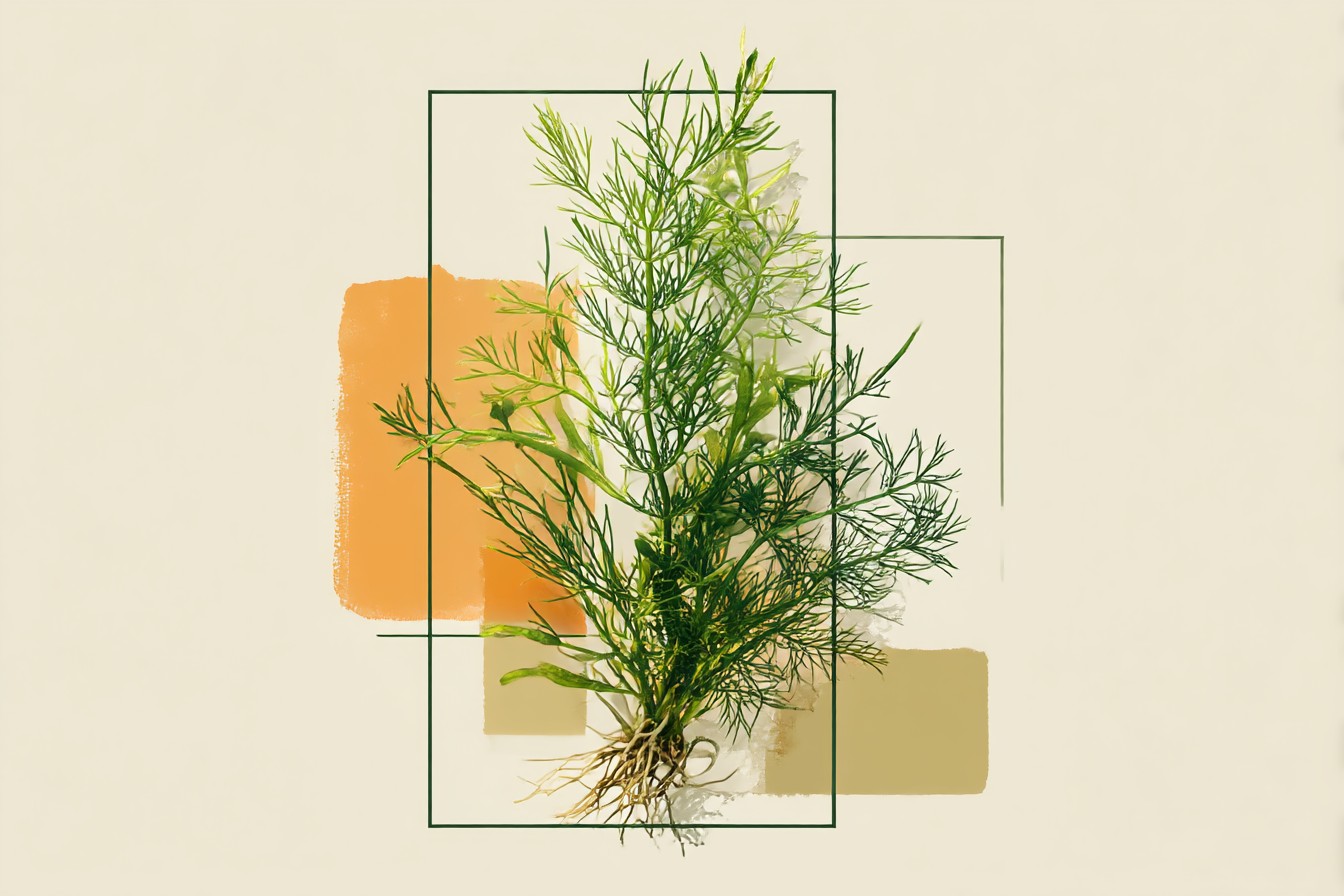
# How to Plant Hornwort in an Aquarium and Whether It Should Float or Root You’ve probably heard hornwort called the ultimate beginner plant, and there’s truth to that. But here’s what nobody mentions: whether you plant it or let it float makes an enormous difference to how it behaves in your tank. Get this decision wrong and you’ll either be pulling out handfuls of hornwort every week or watching it slowly dissolve into a mess of brown needles.
Get it right and you’ve got one of the most effective natural filters in the aquarium hobby. I learned this the hard way with my first hornwort purchase. Followed the advice to “just drop it in and it’ll grow anywhere,” which resulted in three weeks of fishing bits of dead plant matter out of my filter intake.
The problem wasn’t the hornwort—it was not understanding that how you introduce it determines whether it thrives or becomes a maintenance nightmare. The decision between floating and planting hornwort isn’t just about aesthetics.

It affects growth patterns, nutrient uptake, maintenance requirements, and how well it performs its job of keeping your water clean.
Once you understand the biology behind these differences, you can make hornwort work exactly how you want it to in your specific setup. ## The Biology of Hornwort Growth and Anchoring **Natural Growth Patterns**: In the wild, hornwort exists as both a floating and rooted plant depending on conditions. It develops what botanists call “modified roots”—not true roots like stem plants, but specialised structures that anchor it to substrate when conditions favour bottom growth. These structures are fragile and break easily, which is why hornwort can switch between floating and anchored so readily. **Nutrient Absorption Differences**: This is where it gets interesting for your tank.
Floating hornwort absorbs nutrients directly from the water column through its entire surface area. Every needle acts as a tiny nutrient processor. When anchored, it still does this but also develops those modified root structures that can pull nutrients from the substrate.
The practical result: floating hornwort responds faster to water column nutrients, while planted hornwort has access to both nutrient sources. **Growth Rate Variations**: The growth rate difference between floating and planted hornwort is significant. Floating specimens can grow 1 to 4 inches per week in typical aquarium conditions (Biology Insights), with exceptional cases reaching up to 5 inches weekly (The Aquarium Expert). In optimal high-tech conditions, hornwort can actually grow up to an inch per day (Aquifarm), which works out to 0.4 to 0.8 inches daily in more typical favourable conditions (AquariumBreeder Nitrate Study). **Environmental Tolerance**: Hornwort’s adaptability is remarkable.
It thrives in pH ranges from 6.0 to 7.5 and temperatures between 59°F to 86°F (15–30°C) (OceanBitez), with water hardness tolerance of 5–15 dGH (Guppys Life). This wide tolerance range means it adapts to both floating and planted configurations across most UK water conditions, from the soft water of Wales to the harder water common in southeast England. **Chemical Processing Capability**: Research shows hornwort’s impressive nutrient processing capacity. In controlled experiments, it reduced ammonium by more than 62% in 6–18 days and nitrate by 41.66% over the same period (AquariumBreeder Experiments).
This processing occurs regardless of whether it’s floating or planted, but the distribution pattern changes—floating hornwort processes nutrients more evenly throughout the water column. ## Floating Hornwort: When and How to Use It **Optimal Scenarios for Floating**: Floating hornwort works best in established tanks where you need rapid nutrient processing, in breeding setups where fish need cover, and in tanks with cichlids or other fish that destroy planted substrates. It’s also ideal for quarantine tanks where you need biological filtration support without permanent aquascaping. **Water Column Filtration**: When floating, hornwort acts like a massive living filter. Every needle pulls nutrients directly from the water, which makes it incredibly effective at controlling algae-causing compounds.
In my experience, a handful of floating hornwort can clear green water faster than UV sterilisation, though obviously without the pathogen control benefits. **Positioning and Flow Management**: Don’t just dump floating hornwort anywhere. Position it where there’s gentle flow—enough to prevent dead spots but not so much that it gets constantly pushed around. I use airline tubing formed into a loose circle to contain floating hornwort in one area of the tank.
This keeps it from blocking all your surface light while letting it do its job. **Light Considerations**: Floating hornwort will shade plants below, which can be either beneficial or problematic depending on your setup. In high-tech tanks with intense lighting, it provides useful shade for ground-cover plants that can struggle with too much light. In low-tech setups, you might need to thin it regularly to prevent it from starving bottom plants. **Maintenance Requirements**: Weekly trimming becomes essential.
Those growth rates of 1-4 inches per week mean floating hornwort can quickly dominate a tank (FishTrivia). I remove about a third to half of the mass weekly, composting the excess. The key is little and often—letting it get overgrown means messier removal later. **Fish Interaction Benefits**: Floating hornwort creates excellent cover for surface-dwelling fish and fry.
Guppies, bettas, and gouramis all appreciate the sense of security it provides. It also gives fry places to hide from adult fish, which can significantly improve survival rates in community tanks where breeding happens naturally. ## Planted Hornwort: Techniques and Considerations **Substrate Anchoring Methods**: Planting hornwort requires understanding that it doesn’t develop proper roots. Instead, you’re encouraging those modified anchor structures.
The key is gentle insertion into substrate deep enough to provide stability without crushing the stem—about 2-3 inches deep in most substrates. **Weighted Planting Technique**: Many aquarists use plant weights, but I’ve found lead-free fishing weights wrapped loosely around the stem work better. The weight should hold the hornwort down without constricting growth. Position weights about 2 inches from the bottom of the stem, leaving enough stem below to actually anchor into substrate. **Group Planting Strategy**: Single stems of hornwort often fail when planted because they’re easily uprooted.
Plant 3-5 stems together in a small cluster. As they grow, they’ll support each other and the developing anchor structures will interweave, creating much more stable planting. **Substrate Compatibility**: Hornwort planted in fine gravel or sand often struggles because its modified anchors can’t grip effectively. Coarser substrates like aqua soil or larger gravel particles provide better purchase.
In very fine substrates, creating small depressions and backfilling with coarser material around the hornwort can help establishment. **Growth Pattern Changes**: Planted hornwort tends to develop a different growth pattern than floating specimens. The lower portions often become denser and bushier as the plant puts energy into anchoring structures. The top continues rapid vertical growth, but you get more lateral branching throughout the stem. **Nutrient Competition**: Planted hornwort can compete with other rooted plants for substrate nutrients, though this is rarely a problem in well-established tanks.
In new setups with limited substrate fertility, floating hornwort might be the better choice until other plants establish properly. ## Common Implementation Mistakes
Mistake #1: Forcing deep planting. Jamming hornwort deep into substrate damages the delicate stem and prevents proper anchor development. Many beginners think deeper means more stable, but hornwort anchors near the surface of the substrate, not deep within it. Plant just deep enough for the stem to disappear into the substrate—usually 2-3 inches maximum.
Mistake #2: Expecting immediate stability. Planted hornwort takes 2-3 weeks to develop anchoring structures strong enough to resist moderate water flow.
During this period, stems will often float up, especially during water changes or filter cleaning. This is normal. Gently replant and be patient rather than adding more weights or planting deeper.
Mistake #3: Overcrowding floating specimens. Floating hornwort needs space to spread.
You Might Also Like
Cramming too much into a small surface area leads to lower portions dying off from light blockage, creating the brown needle mess that gives hornwort a bad reputation. Start with less than you think you need—growth rates of up to 5 inches weekly mean you’ll have plenty soon enough.
Mistake #4: Ignoring flow patterns. Both floating and planted hornwort need gentle water movement. Dead water leads to debris accumulation and algae growth on the needles.
Too much flow prevents proper anchoring in planted specimens and constantly moves floating hornwort around. Position hornwort where there’s gentle, consistent circulation.
Mistake #5: Inadequate lighting for planted specimens. Planted hornwort often gets shaded by its own floating portions or other plants. Unlike true rooted plants, hornwort can’t survive on just substrate nutrients if photosynthesis becomes insufficient.
Ensure planted hornwort receives adequate light throughout its length, not just at the growing tips.
Mistake #6: Wrong seasonal expectations. Hornwort growth slows significantly in UK winters when room temperatures drop and daylight hours reduce. Many aquarists panic when their rapidly growing hornwort becomes sluggish in December and January. This is natural—growth will resume as temperatures and light levels increase in spring.
## Research Foundation for Hornwort Management Multiple studies confirm hornwort’s effectiveness as a biological filter across different configurations.
The 62% reduction in ammonium and 41% reduction in nitrate achieved in controlled conditions demonstrates significant water processing capacity (AquariumBreeder Experiments). These results held across the plant’s preferred parameters of pH 6.0-7.5 and temperatures from 15-30°C (The Aquarium Expert Params), covering the range of most UK aquarium conditions. Growth rate documentation shows remarkable consistency across sources, with typical weekly growth of 1-4 inches well documented (Biology Insights).
The daily growth potential of up to an inch per day in optimal conditions (Aquifarm) explains why weekly maintenance becomes essential once hornwort establishes. The wide parameter tolerance range, particularly the 5-15 dGH hardness range (Guppys Life), indicates hornwort adapts well to both planted and floating configurations across varying water chemistries. This adaptability supports its reputation as a reliable plant for beginners, provided implementation follows proper techniques. ## Applications Across Different Tank Types **Community Planted Tanks:** Mix floating and planted hornwort for layered nutrient processing.
Float small amounts for surface coverage and plant clusters for vertical interest. Expect weekly trimming in established tanks with good lighting. **Breeding Setups:** Floating hornwort exclusively provides optimal fry cover without creating substrate disturbance during tank maintenance. Position near gentle filtration flow to prevent dead spots. **Cichlid Tanks:** Floating only, contained within airline tubing barriers to prevent complete surface coverage.
Cichlids will destroy any planted attempts, but floating hornwort survives their digging behaviour. **Nano Tanks:** Planted hornwort works better in small volumes where floating specimens quickly overgrow. Single clusters of 3-4 stems provide adequate biological filtration without overwhelming 30-60 litre setups. **High-Tech Setups:** Floating hornwort provides useful nutrient competition against algae during the establishment phase. Remove once other plants establish to prevent light blocking.
CO2 injection accelerates growth significantly. **Quarantine Systems:** Floating hornwort provides instant biological filtration support and stress-reducing cover for new fish. Easy to remove and disinfect between uses. ## Benefits of Proper Hornwort Management **Rapid Water Quality Improvement:** Properly positioned hornwort begins processing excess nutrients within days of introduction, with measurable ammonia reduction visible in test results within the first week. This makes it invaluable for new tank syndrome management or emergency water quality issues. **Natural Algae Prevention:** The 41% nitrate reduction capability means significantly less fuel for algae blooms (AquariumBreeder Nitrate).
In established tanks, consistent hornwort management typically reduces algae cleaning requirements by half compared to tanks without fast-growing plants. **Breeding Success Enhancement:** Floating hornwort increases fry survival rates in community tanks where natural breeding occurs. The surface cover provides essential security for surface-spawning species and protects newborn livebearers from adult predation. **Biological Stability:** Hornwort’s rapid nutrient uptake provides a buffer against parameter swings caused by feeding fluctuations, temporary filtration issues, or maintenance disruptions. This stability becomes particularly valuable in smaller tanks where changes happen quickly. **Cost-Effective Filtration:** Growing hornwort provides ongoing biological filtration capacity without ongoing costs.
A £5 initial purchase can provide years of natural filtration enhancement, with excess growth available for other tanks or sharing with other aquarists. **Seasonal Flexibility:** The ability to easily switch between floating and planted configurations means hornwort management can adapt to changing tank needs. Winter slowdown in growth can be managed by switching planted specimens to floating for better light access. ## Step-by-Step Implementation Strategy **Phase 1: Assessment and Planning (Week 1)** Evaluate your tank’s specific needs: water quality issues, fish behaviour requirements, existing plant competition, and maintenance time availability. Test current parameters to establish baseline ammonia, nitrite, and nitrate levels.
Decide on floating versus planted based on livestock and aesthetic goals. – Purchase initial hornwort specimens from reputable UK supplier – Prepare containment materials for floating setup (airline tubing, suction cups) – Gather planting weights if choosing planted configuration **Budget Breakdown:** * Hornwort specimens: £3-8 * Containment materials: £2-5 * Plant weights (if needed): £3-6 **Total Budget: £8-19** **Phase 2: Initial Introduction (Weeks 2-3)** Quarantine new hornwort for 3-5 days in separate container to cheque for pests and ensure healthy appearance. For floating setup, create gentle containment area with airline tubing barrier. For planting, prepare substrate areas and plant in small clusters of 3-5 stems each.
Monitor daily for the first week, checking for floating specimens staying in position or planted specimens remaining anchored. Test water parameters every 3 days to track early nutrient processing effects. **Phase 3: Establishment and Optimization (Weeks 4-8)** Adjust positioning based on fish behaviour and growth patterns.

Planted hornwort should show anchoring development by week 3-4.
Floating specimens will begin significant vertical growth requiring first trimming by week 2-3. Begin regular maintenance schedule: weekly trimming of excess growth, parameter testing, and positioning adjustments. Document growth rates to establish your tank’s specific maintenance requirements. **Budget Breakdown:** * Water test kit (if needed): £8-15 * Additional containment materials: £5-10 **Total Budget: £13-25** **Phase 4: Long-term Management System (Weeks 8+)** Establish routine weekly maintenance including growth trimming, debris removal, and positioning adjustments.
Fine-tune floating versus planted ratios based on observed tank behaviour and fish preferences. Create disposal or sharing system for excess growth—hornwort produces significant biomass requiring regular removal. Consider propagation for additional tanks or trading with other aquarists.
By this phase, you should see measurable improvements in water stability and reduced algae growth, with hornwort integrated into your tank’s biological system. The initial investment pays ongoing dividends in improved water quality and reduced maintenance of other tank systems. The key to hornwort success isn’t just dropping it in your tank and hoping for the best.
Understanding whether your tank needs floating or planted specimens, how to implement each properly, and what maintenance schedule your growth rates require makes the difference between hornwort that enhances your aquarium and hornwort that becomes a constant headache. Get it right, and you’ll wonder how you managed a planted tank without it.


