
# String Algae in a Planted Aquarium: Manual Removal vs Chemical Treatment String algae can turn a beautiful planted tank into something that looks like it’s been abandoned for months. Those long, trailing strands seem to appear overnight and grow faster than you can pull them out. I’ve spent more Saturday mornings than I care to count with my arms elbow-deep in tank water, trying to wind algae around a toothbrush like the world’s most frustrating spaghetti.
The question isn’t whether string algae will show up in your planted tank—it’s what you’re going to do when it does. This isn’t just about aesthetics. String algae competes directly with your plants for nutrients and light.
Left unchecked, it can smother slower-growing species and create dead zones where detritus accumulates. It also signals that something in your tank’s balance is off, usually involving lighting duration, nutrient levels, or water flow.
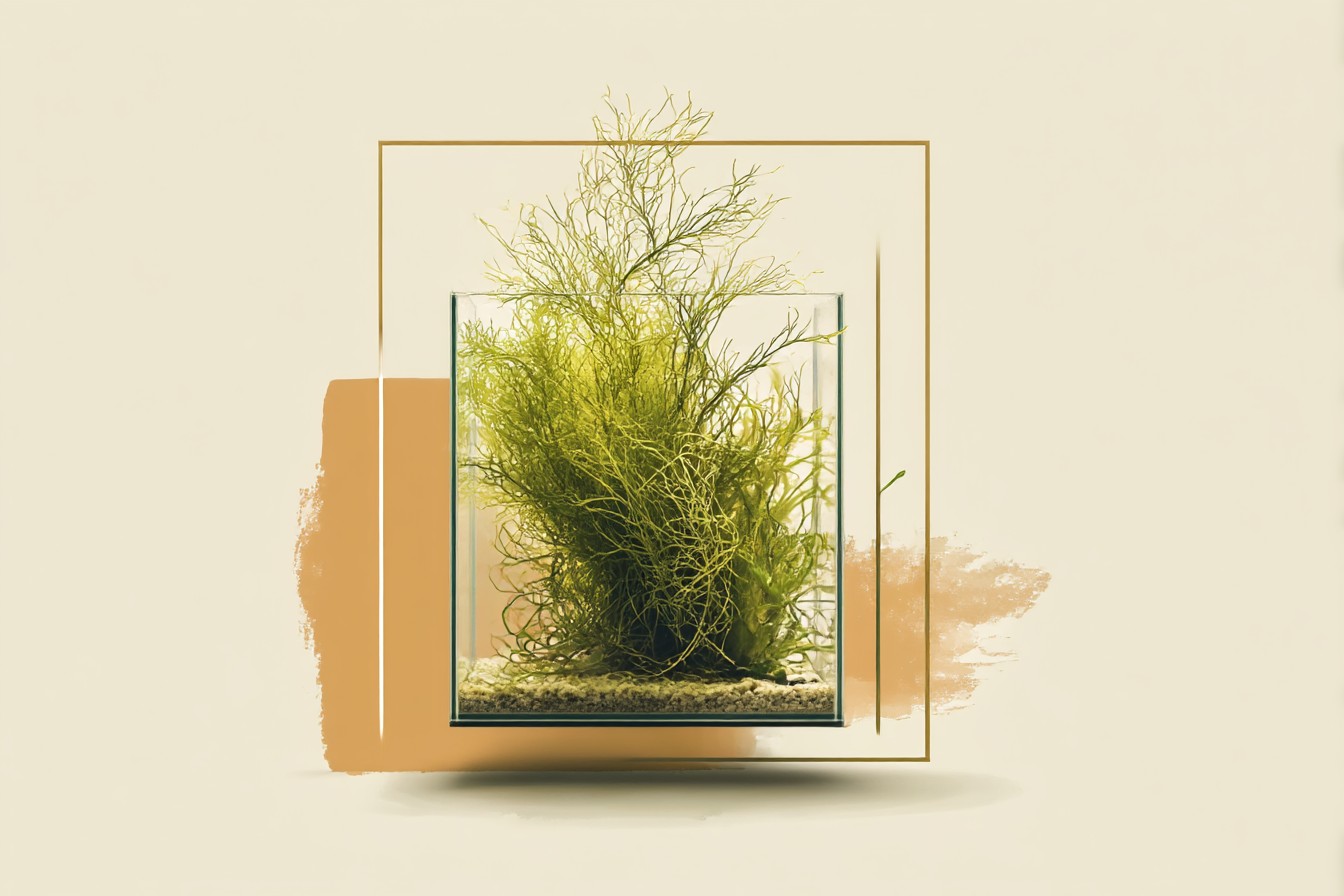
The good news is that string algae responds well to treatment when you catch it early and address the underlying causes rather than just treating the symptoms.
The choice between manual removal and chemical treatment isn’t an either-or decision. The most effective approach combines both methods strategically, understanding when to use your hands and when to reach for hydrogen peroxide or other treatments. Each method has specific applications where it works best, and knowing which tool to use when can mean the difference between a quick fix and weeks of fighting the same algae bloom. ## Understanding String Algae Biology and Growth Patterns String algae, scientifically known as filamentous algae, thrives in conditions where nutrients are abundant but not being consumed efficiently by plants.
Unlike other algae types that form films or spots, string algae grows in long filaments that can quickly dominate a tank’s visual space. The most common species in planted tanks include Spirogyra, Cladophora, and various species of Oedogonium. **Light Exposure and Growth Rates**: String algae has an advantage over many aquatic plants because it can rapidly adjust its photosynthetic efficiency based on available light. Research shows that filamentous algae can increase growth rates by up to 300% when light duration exceeds optimal levels for planted tanks (The Aquarium Expert).
This is why string algae often appears when hobbyists increase lighting duration too quickly or run lights longer than 10-12 hours daily. **Nutrient Uptake Mechanisms**: String algae excels at rapid nutrient uptake, particularly nitrogen and phosphorus. When these nutrients are present in forms that plants can’t immediately use—such as during the establishment period after a rescape or when dosing liquid fertilizers—string algae can outcompete slower-growing plants. The filamentous structure also allows it to create its own microenvironment, trapping particles and creating localized areas of higher nutrient concentration. **Reproductive Cycles**: Unlike plants that need time to establish root systems, string algae reproduces through fragmentation and spore release.
A single strand broken during careless removal can spawn multiple new colonies within days. This biological reality shapes effective removal strategies—you need to remove algae completely rather than just cutting it back, and you need to address the conditions that allowed it to establish in the first place. ## Manual Removal Techniques and Best Practices Manual removal remains the most immediately effective method for dealing with string algae outbreaks. The key is technique—done properly, you can remove 90% of visible algae in a single session.
Done carelessly, you’ll spread fragments throughout the tank and make the problem worse. **The Toothbrush Technique**: The most effective manual removal method involves using a clean toothbrush to wind algae strands like spaghetti around the bristles (Aquarium Co-Op). Start at the base of the algae strand and twist the brush slowly, allowing the filaments to wrap around the bristles. This method removes long strands intact rather than breaking them into fragments that will regrow.
Use a soft-bristled brush to avoid damaging plant leaves, and work slowly to maintain control over the algae as it winds up. **Net and Hand Removal**: For larger algae masses, particularly those growing on hardscape elements, nets and careful hand removal work better than brushes (The Aquarium Expert). Nets with fine mesh can capture floating fragments that break off during removal. When pulling algae by hand, grasp strands as close to their attachment point as possible and pull steadily rather than yanking, which tends to break the algae rather than remove it completely. **Substrate Maintenance**: Manual removal must include regular siphoning of detritus from the substrate (IERE).
String algae often anchors in accumulated organic matter between substrate particles. A thorough substrate vacuum removes both the attachment points and the nutrient source that feeds algae growth. Focus particularly on areas around plant roots and behind hardscape elements where detritus tends to accumulate. **Tool Selection and Preparation**: Use algae scrapers for algae growing on glass surfaces, working from top to bottom to avoid redistributing algae throughout the water column (IERE).
Keep removal tools dedicated to aquarium use to avoid introducing contaminants. Having multiple toothbrushes allows you to switch when one becomes too loaded with algae to be effective. **Timing and Frequency**: Manual removal works best when done frequently in small amounts rather than waiting for major outbreaks. Weekly spot removal during regular maintenance prevents algae from establishing extensive root systems and reduces the nutrient load from decaying algae.
Remove algae when it first appears as short strands rather than waiting until it fills the tank. ## Chemical Treatment Options and Applications Chemical treatments for string algae centre primarily around hydrogen peroxide, which oxidizes algae cells and disrupts their cellular structure. Used correctly, chemical treatments can eliminate algae in areas where manual removal is impractical and prevent regrowth from fragments missed during physical removal. **Hydrogen Peroxide Spot Treatment**: The most targeted approach involves spot treatment with 3% hydrogen peroxide, starting with 1 mL per 10 gallons for initial applications (IERE). Use a syringe or pipette to apply peroxide directly to algae clusters, particularly those growing on hardscape or in areas where manual removal would disturb the substrate.
The peroxide will bubble on contact with algae, and the treated algae typically dies within 24-48 hours, turning white or brown before decomposing. **Whole Tank Treatment Protocols**: For widespread algae problems, whole tank treatment uses 1-2 mL of 3% hydrogen peroxide per gallon (Guppys Life), with a maximum safe dose of 1.5 mL per gallon (Aquifarm). Add the peroxide slowly over 10-15 minutes while running pumps and filters to ensure even distribution. Turn off UV sterilizers during treatment, as UV light breaks down hydrogen peroxide before it can act on algae.
Most fish and plants tolerate these concentrations well, but sensitive species like scaleless fish may require lower dosing. **Treatment Timing and Frequency**: Apply hydrogen peroxide treatments at the beginning of the photoperiod when plants are actively photosynthesizing and can best utilise the increased oxygen levels produced by peroxide breakdown. Repeat treatments can be done every 3-4 days if necessary, but most string algae responds to a single properly dosed treatment combined with manual removal. **Post-Treatment Water Management**: Hydrogen peroxide breaks down into water and oxygen within 24-48 hours, but the dead algae creates an increased organic load that can destabilize water parameters. Increase water changes to 25-30% every other day for the week following treatment to remove decomposing algae and prevent ammonia spikes.
Monitor ammonia and nitrite levels closely, particularly in heavily stocked tanks. ## Common Treatment Mistakes
Mistake #1: Breaking algae during removal instead of removing it intact. Pulling or cutting string algae rather than winding it properly creates dozens of fragments that each become new growth points. Each fragment can establish a new colony within 3-5 days. Always wind algae around a toothbrush or twist it into clumps before removal to maintain strand integrity.
Mistake #2: Overdosing hydrogen peroxide in panic over algae outbreaks. Using more than 1.5 mL of 3% hydrogen peroxide per gallon can stress fish and damage beneficial bacteria colonies in biological filters.
Higher concentrations don’t kill algae faster—they just create more problems. Stick to recommended dosing and repeat treatments if necessary rather than increasing concentration.
Mistake #3: Treating symptoms without addressing lighting duration. String algae outbreaks often result from excessive lighting duration, but many hobbyists focus only on removal without adjusting photoperiods. If your lights run more than 8-10 hours daily, reduce to 6-8 hours during algae treatment and increase slowly over several weeks as plants establish better nutrient uptake.
You Might Also Like
Mistake #4: Ignoring water flow patterns that create algae-friendly dead zones. String algae establishes most easily in low-flow areas where nutrients accumulate and plants grow poorly.
Cheque that your filtration creates gentle circulation throughout the tank, particularly around slow-growing plants and behind hardscape elements where algae typically first appears.
Mistake #5: Removing algae without increasing plant mass or improving plant health. Healthy, fast-growing plants are the best long-term algae prevention. If your plants are struggling with nutrient deficiencies, poor substrate, or inappropriate lighting, algae will return regardless of how thoroughly you remove it. Address plant health alongside algae removal for sustainable results.
## Research Support for Combined Treatment Approaches Multiple studies demonstrate that combined physical and chemical algae control methods achieve better long-term results than either approach alone.
Research on filamentous algae management shows that manual removal eliminates visible algae biomass immediately but often leaves microscopic fragments and root systems intact. Chemical treatments reach these remaining fragments but work slowly and can stress tank inhabitants if overdosed. The most effective protocols combine immediate manual removal to reduce algae biomass with targeted chemical treatment to eliminate remaining fragments and spores.
This approach reduces the chemical load required while achieving more complete algae elimination than manual removal alone. Studies also confirm that addressing underlying nutrient imbalances and lighting schedules prevents algae recurrence more effectively than repeated removal treatments (Reef2Reef). Lighting research supports the recommendation for gradual photoperiod adjustments rather than dramatic changes.
Planted tanks perform best with 6-8 hour starting photoperiods, increased slowly to 8-12 hours as plants establish (Aquarium Co-Op). Sudden lighting changes, either increases or decreases, can trigger algae blooms as the plant-algae balance shifts. ## Application Across Different Tank Types **Nano Shrimp Tanks**: Use reduced hydrogen peroxide dosing (0.5-1 mL of 3% per gallon) as shrimp are more sensitive to chemical treatments than fish. Manual removal with small brushes or tweezers works better in confined spaces.
Focus on prevention through appropriate lighting duration and regular feeding control to limit nutrient accumulation. **High-Tech CO2 Systems**: String algae in CO2-injected tanks often indicates CO2 instability or excessive lighting rather than nutrient deficiency. Cheque CO2 levels throughout the photoperiod and ensure consistent injection timing. Manual removal combined with lighting adjustment typically resolves algae issues without chemical treatment. **Low-Tech Natural Tanks**: These setups rely heavily on biological balance rather than technical solutions.
Manual removal paired with increased plant mass usually works better than chemical treatments, which can disrupt established bacterial colonies that provide natural algae control through nutrient competition. **Cichlid Community Tanks**: High bioloads in cichlid tanks can fuel persistent algae growth. Combine manual removal with increased water change frequency (40-50% weekly during treatment) to control nutrient levels. Hydrogen peroxide treatments work well as most cichlids tolerate the chemicals better than sensitive species. **Breeding Systems**: Avoid chemical treatments in breeding tanks where fry or eggs may be present.
Focus on manual removal and improved water flow to prevent algae establishment near breeding areas. Reduce lighting duration to 6 hours during breeding periods to minimise algae pressure. ## Key Benefits of Proper String Algae Management **Improved Plant Health and Growth Rates**: Eliminating string algae competition allows plants to access nutrients more efficiently, typically resulting in visible growth improvements within 2-3 weeks of successful algae removal. Plants also receive better light penetration without algae shading, leading to improved coloration and more robust growth patterns. **Stable Water Parameters**: Removing algae biomass reduces the organic load in the system, leading to more predictable water chemistry and reduced risk of parameter swings.
Tanks typically show improved pH stability and lower nitrate accumulation within 4-6 weeks of establishing algae control protocols. **Enhanced Visual Appeal**: Beyond obvious aesthetic improvements, algae-free tanks allow better observation of fish behaviour and plant development. The psychological benefits of maintaining a clean, healthy-looking tank shouldn’t be underestimated—it makes the hobby more enjoyable and sustainable long-term. **Reduced Maintenance Requirements**: Effective algae control reduces the frequency and intensity of tank cleaning sessions. Once string algae is eliminated and underlying causes addressed, most tanks require only routine maintenance rather than weekly algae battles. **Better Fish Health**: String algae can trap waste and create localized areas of poor water quality that stress fish.
Removing algae improves overall tank hygiene and reduces disease pressure, particularly for bottom-dwelling species that encounter trapped debris in algae mats. **Long-term Cost Savings**: Preventing algae outbreaks reduces the need for chemical treatments, replacement plants killed by algae competition, and extra maintenance equipment. The time savings alone makes effective algae control worthwhile for most hobbyists. ## Step-by-Step Implementation Guide **Phase 1: Initial Assessment and Immediate Removal (Week 1)** Start by photographing the algae distribution to track progress. Reduce lighting duration to 6-7 hours daily immediately.
Perform manual removal using the toothbrush technique, working systematically from one side of the tank to the other. Remove all visible algae strands, winding them carefully to avoid fragmentation. Increase water changes to 30% twice during the first week to remove dissolved nutrients feeding algae growth. **Budget Breakdown:** * Soft toothbrushes (pack of 4): £3-5 * Fine mesh net: £8-12 * Gravel vacuum: £15-25 **Total Phase 1 Budget: £26-42** **Phase 2: Chemical Treatment and Parameter Stabilization (Week 2-3)** If manual removal leaves persistent algae spots or if regrowth appears quickly, begin hydrogen peroxide spot treatments at 1 mL per 10 gallons.
Test water parameters daily during chemical treatment to monitor for ammonia spikes from decomposing algae. Continue reduced lighting and maintain increased water change frequency. Watch for signs of algae die-off (browning, white coloration) and remove dead algae manually to prevent nutrient release. **Budget Breakdown:** * 3% hydrogen peroxide: £2-4 * Test kit refills: £10-15 * Extra water conditioner: £5-8 **Total Phase 2 Budget: £17-27** **Phase 3: Plant Health Optimization (Week 3-6)** Focus on improving plant growth to outcompete any remaining algae.
Assess plant health and add liquid fertilizers if plants show nutrient deficiency signs.
Gradually increase lighting duration by 30 minutes weekly until reaching 8-9 hours daily. Ensure good water circulation around all planted areas.
Continue weekly algae spot cheques and immediate removal of any new growth. **Budget Breakdown:** * Liquid fertilizer: £8-15 * Additional plants (if needed): £20-40 * Circulation pump upgrade: £25-50 **Total Phase 3 Budget: £53-105** **Phase 4: Long-term Prevention Protocol (Ongoing)** Establish routine maintenance schedule with weekly algae cheques and monthly deep substrate cleaning. Monitor lighting duration and adjust seasonally if tank temperature varies. Maintain consistent feeding schedule to control nutrient input.
Document successful parameters and lighting schedules for future reference. **Budget Breakdown:** * Monthly maintenance supplies: £5-10 * Replacement filter media: £8-15 * Periodic plant additions: £10-20 **Monthly Ongoing Budget: £23-45** For those working with limited budgets, start with Phase 1 and use manual removal exclusively for the first month. Many string algae problems resolve with proper manual technique and lighting adjustment alone. Add chemical treatment only if manual removal fails to control regrowth, and focus plant improvements on propagating existing healthy plants rather than purchasing new species.
If you’re dealing with your first string algae outbreak, remember that this is a common part of finding your tank’s balance. The combination of manual removal and targeted chemical treatment, supported by proper lighting management, gives you the tools to eliminate current algae and prevent future outbreaks. The goal isn’t perfection immediately—it’s establishing sustainable practices that keep algae manageable while your plants establish the vigorous growth that provides natural algae control long-term.

