# When Substrate Science Meets Reality: What Your Plants Actually Need I spent about six weeks researching substrates before I bought my first bag. Classic me, right? Read every forum thread, watched every YouTube video, made spreadsheets comparing nutrient profiles.
Then I got to the aquarium shop and realised I’d been overthinking it. The bloke behind the counter asked what I was planning to grow, looked at my tank size, and pointed me toward a basic inert substrate. “Start simple,” he said.
“You can always upgrade later.” Two years and four different substrates later, I’ve learned he was mostly right about starting simple. But I’ve also learned that the choice between inert and active substrates isn’t just about plant growth.
It’s about water chemistry, maintenance schedules, and what you actually want from your tank.
The difference between dumping some gravel in and choosing a proper aquasoil can reshape everything about how your setup behaves. Here’s what I wish I’d understood from the start: substrates don’t just hold plants up. They’re the foundation of your tank’s entire chemical balance.
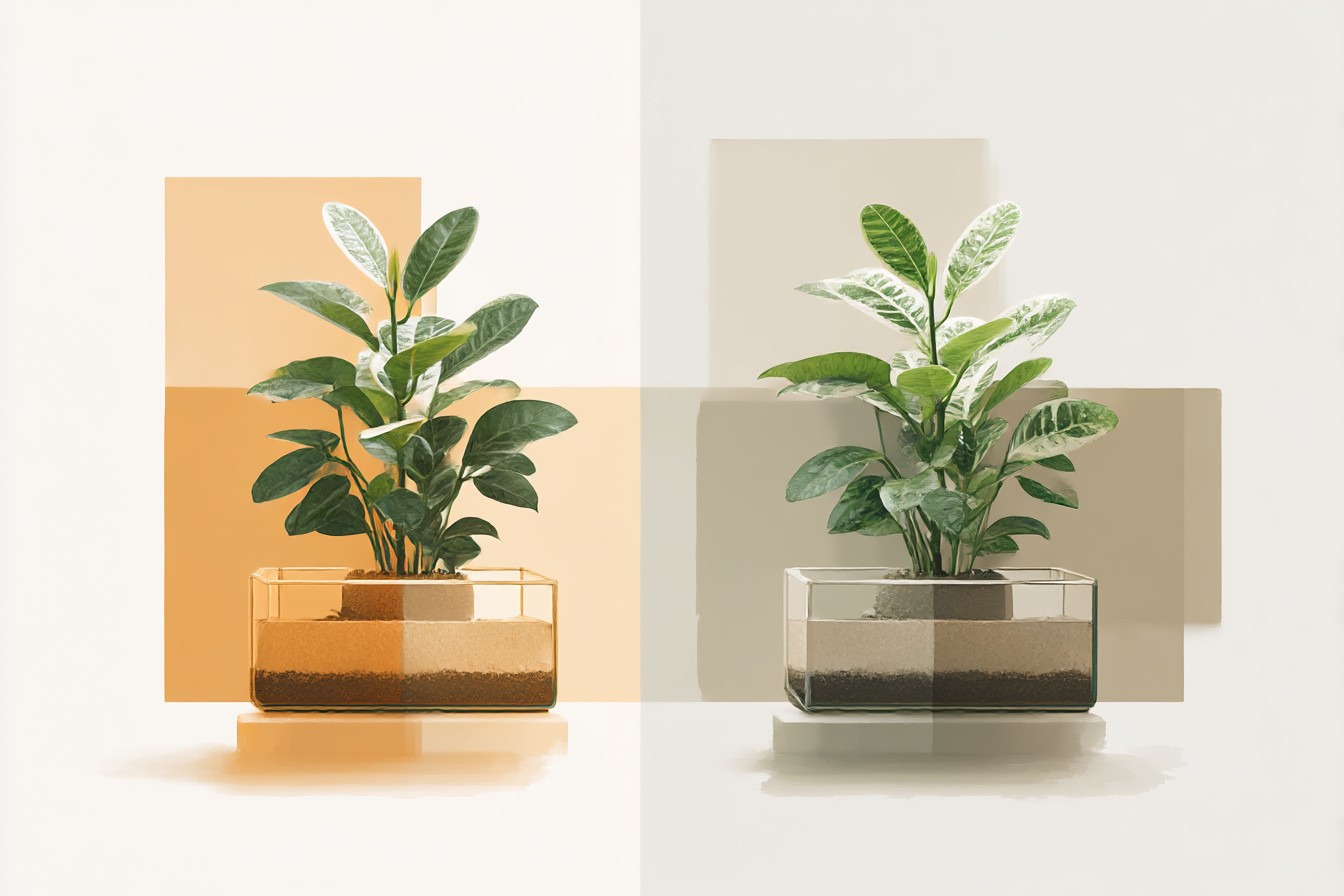
Get it right and everything else becomes easier. Get it wrong and you’ll spend months fighting problems that trace back to what you put on the bottom. | **Substrate Type** | **pH Effect** | **KH Impact** | **Plant Benefit** | **Maintenance** | **Cost Range** | |—|—|—|—|—|—| | **Inert** | Minimal | None | Root anchor only | Low | £10-30 | | **Active** | Lowers to 6.0-7.0 | Reduces significantly | Nutrients + buffering | Higher | £25-60 | ## The Chemistry Behind The Choice The fundamental difference between inert and active substrates isn’t complicated, but it has consequences that ripple through everything else in your tank. Inert substrates rarely affect water parameters (Aquanswers).
Sand, gravel, and similar materials just sit there doing nothing except holding your plants in place. That’s not necessarily bad. Sometimes doing nothing is exactly what you want.
Active substrates, on the other hand, are designed to mess with your water chemistry. Aquasoils generally target pH 6.0-7.0 (Aquanswers) by leaching acidity into the water column. The mechanism is straightforward: active substrate changes pH by leaching acidity (Aquarium Breeder).
They’re essentially bags of controlled chemical reactions waiting to happen in your tank. The buffering effect is where things get interesting. Many aquasoils can reduce KH to unmeasurable levels (2Hr Aquarist), which sounds dramatic until you understand what’s actually happening.
KH measures your water’s ability to resist pH changes. Strip that away and your pH becomes much more responsive to CO2 levels, plant photosynthesis, and bacterial activity. In my CO2-injected tank with Tropica aquasoil, the pH often drops to 5+ range when CO2 is on (2Hr Aquarist).
That’s not a malfunction, that’s the system working as designed. The buffering substrates lower pH and reduce pH swings (Shrimp Science) by providing a consistent baseline that your tank chemistry can work around. But here’s what the marketing doesn’t tell you: the aquasoil effect depends on KH and higher KH resists pH drop (Aquarium Co-Op Forum).
If your tap water has significant buffering capacity, you might not see the dramatic pH changes that make aquasoils attractive in the first place. I learned this the hard way when I moved house and the new water supply had different chemistry. ## What Active Substrates Actually Do For Plants The plant nutrition angle is where active substrates earn their reputation, but it’s more nuanced than “aquasoil makes plants grow better.” The real benefit isn’t just the nutrients packed into the substrate. It’s the chemical environment those nutrients create and maintain over time.
Most aquasoils create conditions that favour nutrient uptake. The slightly acidic pH range they establish is where many essential nutrients become most available to plant roots. Iron, in particular, becomes much more accessible in slightly acidic conditions.
That’s why plants that struggle in neutral or alkaline setups often transform when you switch to an active substrate. But nutrients alone don’t explain why experienced planted tank keepers keep reaching for aquasoils. The consistency matters more than the raw nutrient content.
A good active substrate provides a stable foundation that doesn’t shift dramatically as your tank matures. Your plants develop root systems that know what to expect. Your water column chemistry stays predictable.
Everything becomes more stable, which translates to steadier plant growth and fewer sudden algae problems. I’ve grown the same plant species in inert and active substrates, and the difference isn’t always dramatic. Some plants don’t seem to care much.
Others respond as if you’ve moved them to a different climate. Root feeders like Cryptocoryne and Echinodorus tend to show the biggest improvement, but even stem plants often develop more robust root systems when they’re anchored in something that feeds back. The timeline matters too.
Fresh aquasoil can be almost too rich, causing algae blooms in new setups. But give it a few months to settle and you get steady, predictable plant nutrition that lasts for years. One UKAPS comment suggests waiting a few months for buffering to be used up (UKAPS Forum), which aligns with what I’ve observed in my own tanks. ## The Reality Cheque: When Inert Makes More Sense Despite all the advantages of active substrates, there are plenty of situations where inert makes more sense.
You Might Also Like
Cost is the obvious one. You can set up a perfectly functional planted tank with £15 worth of gravel and some root tabs. That’s not compromise, that’s being practical about what you actually need.
Maintenance is another factor that doesn’t get enough attention. Active substrates eventually exhaust their buffering capacity and nutrient content. You can’t just rinse them and expect them to keep working.
Inert substrates, once established, basically work forever. Vacuum them when they need it, add fertilisers as required, and they’ll support healthy plant growth for as long as you run the tank. The water chemistry consistency can also work against you.
If you want to keep fish that prefer harder, more alkaline water, fighting with an active substrate that’s constantly trying to drop your pH becomes more trouble than it’s worth. I’ve seen people spend months trying to raise the pH in aquasoil setups when they could have just used inert substrate and saved themselves the hassle. Fish compatibility matters more than plant preferences in some cases.
Many cichlids, livebearers, and other popular aquarium fish evolved in water that’s nothing like what active substrates create. One user reports reported Fluval Stratum results include KH 0 and pH 6.0-6.5 in user tanks (Aquarium Co-Op Forum), which is perfect for some plants and fish but completely wrong for others. There’s also something to be said for understanding your system without extra variables.
When I started with inert substrate, I had to learn how to manage plant nutrition through the water column. That meant understanding how fertilisers work, how light affects nutrient demand, and how to read what my plants were actually telling me. Those skills transferred to every tank I’ve run since. ## The Middle Ground Nobody Talks About The choice between inert and active isn’t binary.
You can layer them, cap them, or use them in different sections of the same tank. I’ve been running a setup for about eight months now with inert substrate capped with a thin layer of aquasoil. It gives me the chemical stability of sand with some of the plant benefits of active substrate.
Root tabs bridge the gap in a different way. Push a few into inert substrate and you get localised plant nutrition without changing your entire water chemistry. It’s not as elegant as purpose-designed aquasoil, but it works and it’s reversible.
The brand differences matter more than most people realise. One user reports Tropica aquasoil pH 6.2-6.8 (UKAPS Forum), which is much more moderate than some other brands that can push pH well below 6.0. If you want the benefits of active substrate without dramatic water chemistry changes, choosing a gentler aquasoil might be the right compromise. ## Making The Decision: What Actually Matters The honest answer is that both approaches can work brilliantly.
I’ve seen stunning planted tanks built on basic gravel and others that rely completely on high-end aquasoils. The substrate isn’t usually the limiting factor in plant growth. Light, CO2, and consistent fertilisation matter more than what’s holding the roots.
But substrates do set the foundation for everything else. If you’re planning a high-tech setup with CO2 injection and demanding plant species, active substrate makes the chemistry easier to manage. If you want a low-maintenance tank with hardy plants and fish that prefer stable water parameters, inert substrate is often the better choice.
Your local water matters enormously. Hard, alkaline tap water will fight against active substrates.
Soft, acidic water might benefit from the buffering that aquasoils provide.
Test your tap water before you choose your substrate, not after. Budget and timeline matter too. Aquasoils work best when you can afford to replace them every few years.
If you’re building something that needs to work reliably for five years without major intervention, inert substrate with periodic fertiliser additions might be the more sensible approach. ## The Verdict: Choose Based On Your System, Not Your Plants After cycling through multiple substrates and approaches, I’ve settled on using active substrates for tanks where I want stable, slightly acidic chemistry and don’t mind the ongoing maintenance. Inert substrates get chosen for everything else: community tanks, hard water setups, tanks where the fish preferences matter more than perfect plant growth. The plants adapt to either approach if you give them consistent conditions and appropriate nutrition.
The real difference is whether you want your substrate to be part of your tank’s chemical management or just something that holds plants in place. Neither choice is permanent. Substrates can be changed, layered, or modified as your understanding develops.
Start with what makes sense for your current setup, your experience level, and your budget. You’ll figure out what works through doing it, not through reading about it.



[…] analysis of inert vs active substrates covers the science behind the decision, but we felt it was too broad for a product ranking. […]