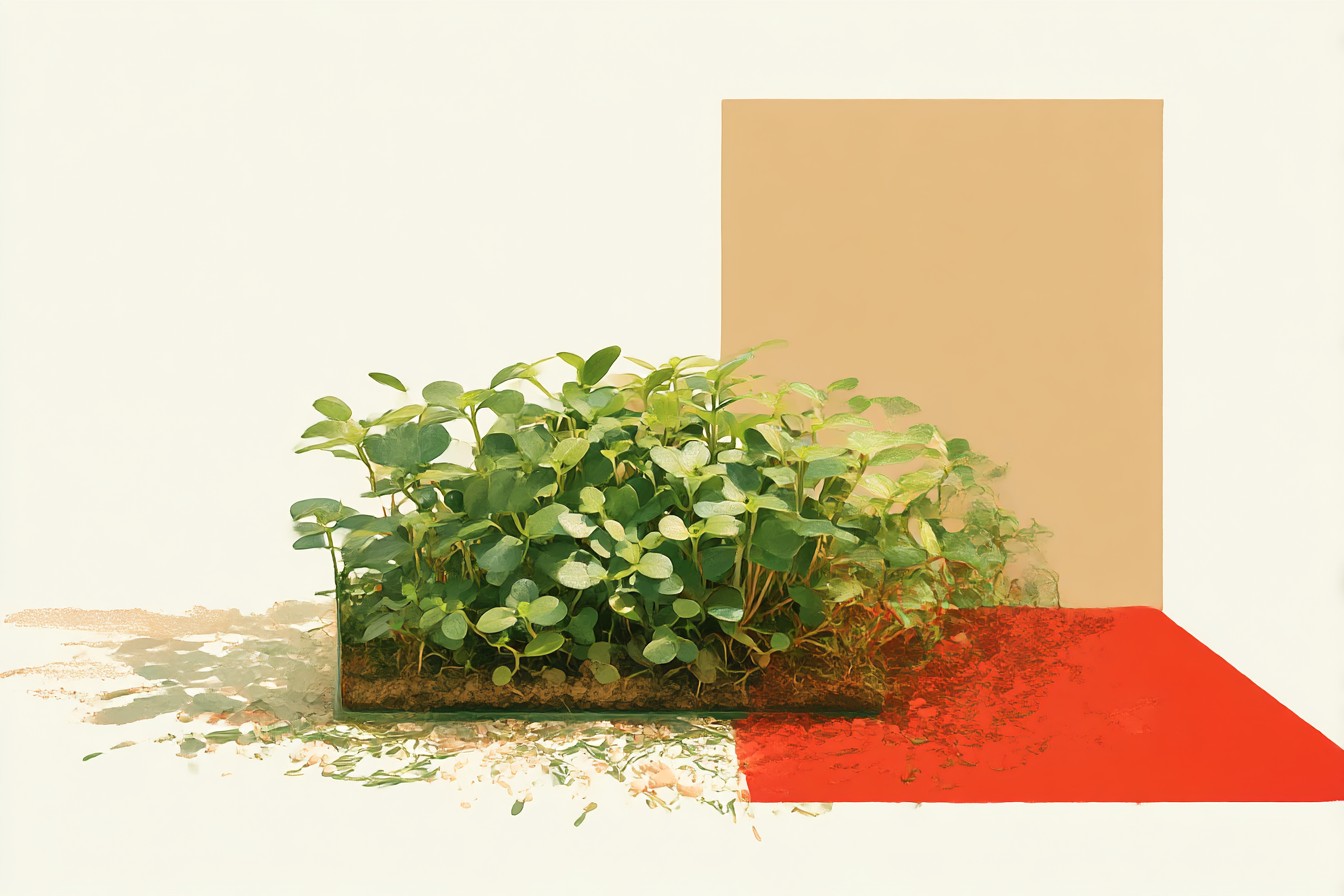
# Monte Carlo vs Dwarf Baby Tears and the Carpet Debate That Never Ends I’ve watched this argument play out in aquascaping forums for years now, and honestly, it’s becoming the planted tank equivalent of asking whether pineapple belongs on pizza. Someone posts a photo of their carpet, and within ten minutes you’ve got people arguing about whether they should have chosen Monte Carlo or dwarf baby tears instead. Having grown both plants through multiple builds and watched my students struggle with the same decisions, I reckon it’s time to settle this properly.
The thing is, both plants create stunning foreground carpets when they’re happy. But they’re different enough in their requirements and behaviour that choosing between them actually matters more than most people realise. I’ve seen tanks where the wrong choice turned a promising scape into months of frustration, and others where picking the right plant made everything else autumn into place. | Feature | Monte Carlo | Dwarf Baby Tears | |———|————|——————| | **Care Level** | Beginner-Intermediate | Intermediate-Advanced | | **CO2 Required** | Low | High | | **Maximum Height** | 5 cm | 3 cm | | **pH Range** | 6.0-7.5 | 5.0-8.0 | | **Light Needs** | Low-Medium | Medium-High | | **Our Rating** | 4.2/5 | 4.6/5 | ## The Science Behind the Carpet Let me start with what these plants actually are, because the common names don’t help much.
Monte Carlo is Micranthemum ‘Monte Carlo’, though exactly which species that refers to has aquarists still debating (2Hr Aquarist). Dwarf baby tears is Hemianthus callitrichoides ‘Cuba’, often shortened to HC Cuba or just HC (2Hr Aquarist).

Both plants work as carpets because they naturally grow low and spread horizontally through runners.
But their growth patterns tell different stories about what they need to thrive. HC Cuba stays incredibly compact, reaching a maximum height of just 3 cm (Practical Fishkeeping). Monte Carlo grows taller, up to 5 cm (Aquatic Motiv), but that extra height actually makes it easier to establish in most tanks.
The pH tolerance ranges show you something important about their adaptability. HC Cuba handles anything from 5.0 to 7.5 (Aquariadise), though some sources put the upper limit at 8.0 (Bantam.earth). Monte Carlo tends to prefer things slightly less acidic.
Both species tolerate similar temperatures, around 18–28°C (Practical Fishkeeping), which covers most tropical tank setups. ## Why Monte Carlo Became the People’s Champion When I first started keeping planted tanks, HC Cuba was the gold standard for carpets. It still is in competition aquascaping. But Monte Carlo has become the plant that most hobbyists actually succeed with, and there are solid reasons for that.
The biggest difference is CO2 requirements. Monte Carlo genuinely grows well with low CO2 levels (Aquatic Motiv), which means it can work in setups where you’re not running pressurised injection. I’ve grown decent Monte Carlo carpets in my classroom tanks using nothing more than liquid carbon supplements and good lighting.
Try that with HC Cuba and you’ll be pulling melting stems for months. Light requirements tell a similar story. While HC Cuba demands medium to high lighting (Practical Fishkeeping), Monte Carlo performs well under more modest lighting setups.
In my experience, this makes it far more forgiving when you’re still figuring out the balance between light, nutrients, and CO2 that every planted tank needs. The slightly taller growth habit that some people criticise actually helps Monte Carlo in several ways. Those extra couple of centimetres mean the plant can compete better with algae during the establishment phase.
Lower plants often get smothered by algae films before they can properly root and spread. Monte Carlo’s height gives it breathing room while it settles in. I’ve also found Monte Carlo more resilient during the inevitable mistakes.
When students forget to top up CO2 or overdose fertilisers, Monte Carlo usually recovers once conditions improve. It might slow its growth or lose some colour, but it rarely melts completely the way HC Cuba can. The spreading pattern matters too.
Monte Carlo sends out runners readily and fills gaps faster than HC Cuba in most conditions. If you’re planting a large area, this aggressive spreading habit means you can get away with fewer initial plants, which makes a real difference when you’re budgeting for a carpet. ## The Case for Dwarf Baby Tears But here’s why HC Cuba still has passionate defenders, and why I still choose it for certain builds despite its reputation for difficulty. Nothing creates the same visual impact as a perfectly maintained HC Cuba carpet.
The tiny leaves and incredibly dense growth create a texture that’s simply stunning. When it’s healthy and properly trimmed, it looks like someone laid green velvet across the substrate. Monte Carlo, for all its practicality, never quite achieves that same refined appearance.
You Might Also Like
The compact growth habit that makes HC Cuba challenging to establish becomes its greatest asset once it’s settled. At a maximum of 3 cm tall (Practical Fishkeeping), it stays genuinely low even without aggressive trimming. This makes it perfect for nano tanks or detailed foreground work where every millimetre of height matters.
I’ve also noticed that mature HC Cuba carpets tend to be more stable than Monte Carlo over the long term. Once established, HC Cuba seems less prone to suddenly thinning out or developing bare patches. It grows more slowly, but that growth is steady and predictable.
For competition aquascaping or photography, HC Cuba simply photographs better. The finer texture and consistent height create cleaner lines and better proportions in carefully composed layouts. Most of the world championship aquascapes use HC Cuba for their carpets, and there are good aesthetic reasons for that choice. ## Where Each Plant Actually Works The honest truth is that success with either plant depends more on matching the plant to your setup than on following generic care guides.
I’ve learned to ask different questions when students are choosing between them. Monte Carlo works brilliantly in community tanks with moderate lighting and minimal CO2 injection. It handles the fluctuating conditions that come with feeding fish, occasional missed water changes, and the general chaos of a tank that’s primarily about keeping fish rather than growing plants.
The slightly taller growth also means it coexists better with bottom-dwelling fish that might disturb shorter carpets. It’s also the better choice for larger tanks where you need to carpet significant areas. The faster spreading and lower light requirements mean you can achieve full coverage more affordably and reliably.
I’ve seen beautiful Monte Carlo carpets in 200-litre tanks that would have been prohibitively expensive to carpet with HC Cuba. HC Cuba belongs in dedicated planted setups where you’re willing to prioritise the plants’ needs. High light, pressurised CO2, careful fertiliser dosing, and regular maintenance are essentially mandatory.
But when those conditions are met consistently, HC Cuba creates carpets that justify the extra effort. Nano tanks actually suit HC Cuba better than you might expect, despite the demanding requirements. The smaller volume makes it easier to maintain stable conditions, and the visual impact of that perfect carpet texture is more pronounced in a compact space. ## The Maintenance Reality Neither plant is truly low-maintenance once established, but they demand different types of attention.
Monte Carlo needs regular trimming to prevent it from growing too tall and shading itself. The trimmings can usually be replanted to fill gaps, which is convenient but does mean handling the plant frequently. HC Cuba requires more precise trimming with proper aquascaping scissors.
The dense growth means you need to be careful not to uproot neighbouring stems when you’re working. But established HC Cuba carpets actually need trimming less frequently than Monte Carlo.

Both plants benefit from occasional replanting of older sections that become too dense or start lifting from the substrate.
This is normal maintenance, not a sign that something’s wrong, but it does mean neither plant is truly plant-and-forget. ## The Verdict After growing both plants through multiple setups and watching countless students make this choice, I don’t think there’s a definitively “better” option. The right choice depends entirely on what you’re trying to achieve and what you’re willing to invest in making it happen. Choose Monte Carlo if you want a reliable carpet that’ll work in a wider range of conditions.
It’s the sensible choice for most hobbyists, especially if you’re new to planted tanks or running a community setup where the plants aren’t the primary focus. The slightly taller growth and lower demands make it genuinely easier to succeed with. Choose HC Cuba if you’re committed to providing optimal conditions and you want the finest possible carpet texture.
It’s the right plant for dedicated planted tanks, competition aquascaping, or situations where that particular aesthetic is worth the extra effort and expense. Both plants can create stunning results when they’re happy. The difference is that Monte Carlo will be happy in more situations, while HC Cuba rewards optimal conditions with unmatched visual impact.
Neither choice is wrong, but one will probably be clearly right for your specific tank and goals. See where both plants placed in our full ranking of carpeting plants.



[…] explored this debate thoroughly in our detailed Monte Carlo vs HC comparison. **”Does it still hold up?”** Both plants remain relevant, but for different reasons. […]