
# Water Sprite: The Floater That Works Just as Well Planted in Substrate I picked up my first water sprite cutting from a bloke on Craigslist who was practically begging people to take it off his hands. He handed me a carrier bag stuffed with the stuff and said, “Good luck, you’ll need it.” I thought he meant it was difficult to keep alive. Turns out he meant the opposite problem entirely.
Six months later, I was the one posting on local forums trying to offload grocery bags full of the stuff. That’s water sprite for you. Ceratopteris thalictroides doesn’t just grow; it conquers.
It’s the plant equivalent of that friend who adapts to any situation you throw them into and somehow thrives. Floating on the surface?
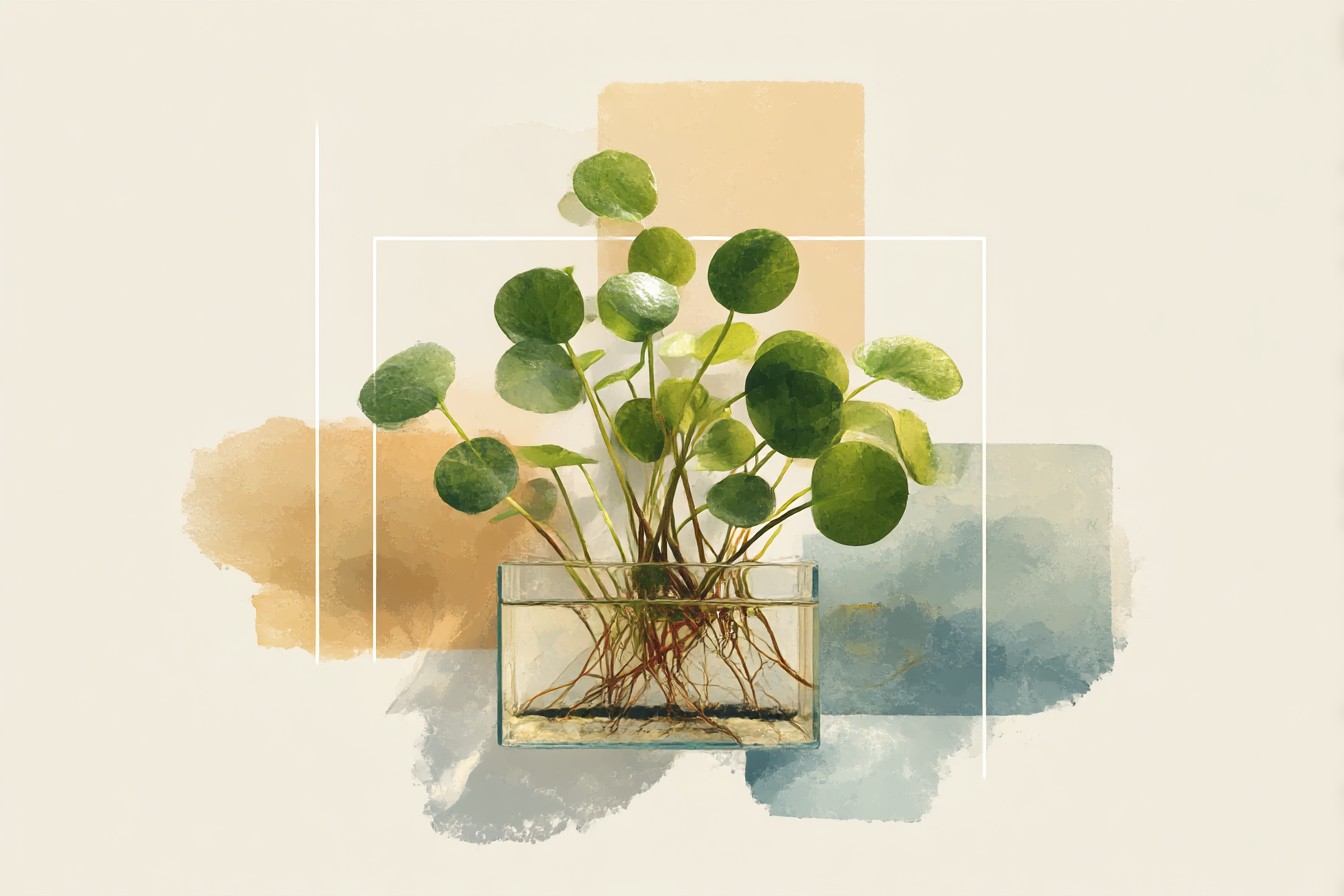
Perfect.
Planted in gravel? Also perfect. Wedged between rocks?
Still perfect. It’s almost annoyingly good at staying alive. What makes water sprite genuinely special in the planted tank world is its versatility.
Most aquatic plants have strong preferences about where they want to live. Water sprite genuinely doesn’t care. It’s equally happy floating at the surface or rooted in substrate, and it’ll switch between the two without missing a beat if conditions change. ## Quick Reference | Care Level | Lighting Needs | CO2 Required | Growth Rate | Max Size | Our Rating | |————|—————|————–|————-|———-|————| | Beginner | Low to High | No | Very Fast | 24 inches | 8.5/10 | ## Origins and Background Water sprite comes from tropical and subtropical regions across Asia, Africa, and the Americas.
It’s one of those plants that’s so widely distributed naturally that pinning down exactly where it “comes from” becomes a bit academic. What matters more is how it made its way into our tanks. The plant entered the aquarium trade decades ago under various names.
You’ll still see it sold as Indian fern or water fern (Aquarium Source), though water sprite seems to be winning the naming battle in most shops now. The confusion over names hints at something important: this plant has been popular long enough for multiple common names to stick around. Unlike many aquatic plants that were discovered by plant hunters specifically for the aquarium trade, water sprite found its way into tanks because it was already growing wild in places where early aquarists were collecting fish.
It tagged along, basically. And once people realised how adaptable and fast-growing it was, it spread through the hobby the way successful plants do: through clippings passed between hobbyists. The scientific name Ceratopteris thalictroides places it in the fern family, which explains some of its behaviour.
Like other ferns, it reproduces through spores, though in aquarium conditions it’s more likely to propagate vegetatively through plantlets that form on mature leaves. This is actually more convenient for hobbyists since it means you get new plants that are genetic clones of the parent, with the same growth characteristics. ## What Makes Water Sprite Special The thing that sets water sprite apart from almost every other aquatic plant is its complete indifference to how you choose to grow it. Most plants have strong preferences.
Floating plants want to float. Rooted plants want their roots in substrate. Water sprite will do either with equal enthusiasm.
When grown floating, it develops into these beautiful, feathery masses that look almost like underwater ferns. The leaves are delicate and deeply divided, creating a lace-like effect that filters light beautifully. It can reach up to 24 inches in height (Aquatic Motiv) when conditions are right, though in most home aquariums it stays more manageable.
Plant it in substrate, and the same plant transforms. The root system develops properly, the leaves often become more robust, and it takes on a more traditional planted tank appearance. The growth habit changes too; instead of spreading horizontally like most floaters, planted water sprite grows more upright, making it useful as a background plant.
This adaptability extends to growing conditions. Water sprite tolerates a pH range from 5.0 to 8.0 (Aquarium Advice Forum) and temperatures from 20–30°C (Aquarium Advice Forum), which covers pretty much any tropical freshwater setup you’re likely to run. I’ve kept it successfully in tanks with a pH of 6.5 and others pushing 7.5, and it seemed equally content in both.
The growth rate is genuinely impressive. Water sprite is classified as very fast growing (Aquatic Motiv), and that’s not marketing speak. Under decent lighting, you’ll see noticeable growth within days of adding it to your tank.
Under strong lighting with CO2, it can grow fast enough to become a maintenance chore rather than a pleasure. But here’s what really makes it special for budget-conscious aquascapers: it doesn’t need CO2, fancy lighting, or expensive fertilisers to thrive. I’ve grown healthy water sprite under basic LED shop lights and in tanks with nothing but fish waste for nutrients.
It’s genuinely one of those plants that works in low-tech setups where more demanding species would simply melt away. The propagation is almost automatic. Mature plants develop small plantlets on their leaves, complete with tiny roots.
These eventually detach and float away to start new colonies. In a well-established tank, you’ll find baby water sprite plants appearing regularly without any effort on your part. It’s like the plant is actively trying to help you succeed.
Water sprite also serves practical functions beyond looking good. As a fast grower, it’s excellent at consuming nitrates and helping maintain water quality. The floating form provides surface cover that many fish appreciate, reducing stress and encouraging natural behaviours.
You Might Also Like
The dense growth, whether floating or planted, offers excellent hiding places for fry and small fish. One detail I particularly appreciate is its versatility in aquascaping. Used as a floating plant, it creates natural-looking surface coverage without completely blocking light like some floaters do.
The feathery leaves cast interesting shadows and create depth in the tank’s visual composition. Planted in substrate, it works well as a background plant or to fill in bare spots where other plants have failed to establish. The plant can even be grown emersed or submersed, and rooted or floated (AquariumBreeder).
This means it can extend out of small open aquariums and form surface leaves (Tropica), which is actually quite attractive in setups where this is possible. ## The Honest Assessment Water sprite’s biggest strength is also its biggest weakness: it grows too well. In a small tank with good lighting, it can quickly overwhelm everything else. I’ve seen 40-litre setups where water sprite took over completely within two months, shading out slower-growing plants and turning the tank into a water sprite monoculture.
The maintenance requirements can be demanding if you want to keep it under control. In ideal conditions, you’ll need to trim it weekly to prevent it from taking over. The floating form is particularly aggressive; it can cover the entire surface and block light from reaching plants below within a matter of weeks.
Removal can be tricky because of how it propagates. Miss a few small pieces when you’re trimming, and they’ll regrow quickly. The plantlets that form on mature leaves can be scattered throughout the tank, and each one has the potential to start a new colony.
Once water sprite is established in your tank, you’ll probably always have it unless you actively work to eliminate it completely. The delicate leaf structure that makes it attractive also makes it vulnerable to damage from boisterous fish or strong flow. Large cichlids or plant-eating fish can shred the leaves quite easily.
The plant itself usually recovers quickly, but the constant damage can make it look ragged. Water sprite is also somewhat messy. Bits of leaf break off regularly and can clog filters or create debris in the tank.
This is more noticeable in smaller setups where every floating bit of plant matter is visible. It’s not a huge problem, but it does require regular skimming to keep things looking tidy. In very soft water, I’ve found that growth can sometimes become leggy and the leaves less divided than they should be.
The plant stays healthy but loses some of its attractive, feathery appearance. Adding a small amount of liquid fertiliser usually corrects this, but it’s something to watch for. Temperature stability matters more than the wide tolerance range suggests.
While water sprite will survive in temperatures from 20–30°C (Aquarium Advice Forum), rapid temperature changes can cause leaf drop. I learned this the hard way during a heater failure that dropped my tank temperature by 4°C over six hours. The water sprite shed most of its leaves, though it did recover completely once temperatures stabilised.
The fast growth also means it depletes nutrients quickly in heavily planted tanks. In a setup where multiple species are competing for the same resources, water sprite can actually cause other plants to struggle by outcompeting them for nutrients. This is particularly noticeable with slower-growing species that can’t keep up with water sprite’s nutrient consumption rate. ## Legacy and Influence Water sprite has probably introduced more people to live plants in aquariums than any other species.
Its tolerance for poor conditions and rapid growth make it an obvious choice for beginners, and many aquascapers got their start with a cutting of water sprite from a local hobbyist. The plant’s influence on aquascaping aesthetics is subtler but significant. It was one of the first plants that demonstrated you could have lush, green aquariums without expensive equipment.
This helped establish the low-tech planted tank movement that’s made the hobby accessible to people who can’t afford CO2 systems and high-end lighting. In the breeding community, water sprite has become a standard component of fry tanks. Its dense growth provides excellent cover for newborn fish, and its ability to consume nutrients helps maintain water quality in heavily fed breeding setups.
Many commercial breeders consider it essential equipment rather than decoration. The plant’s success has also influenced plant breeding and selection in the hobby. Its adaptability and ease of propagation have made it a model for what hobbyists want from aquatic plants.
Plant farms and breeders have used it as a benchmark when developing new varieties, looking for species that offer similar versatility and hardiness. ## The Verdict Water sprite earns its reputation as one of the best beginner plants, but it’s genuinely useful at all skill levels if you understand what you’re getting into.

For anyone starting with planted tanks, it’s nearly impossible to kill and grows fast enough to provide immediate gratification. For experienced aquascapers, it’s a reliable problem solver that can fill in gaps, provide quick coverage, or serve as a nutrient sponge in high-tech setups.
The key is understanding that this isn’t a plant you add to your tank and forget about. It requires active management to prevent it from taking over. But if you’re willing to trim it regularly and don’t mind the occasional cleanup of floating debris, it’s one of the most versatile plants you can keep.
For small-tank setups, floating water sprite provides natural-looking surface coverage without completely blocking light. For larger tanks, planted water sprite works well as a background species that won’t fail you. The plantlets it produces are valuable trading material with other hobbyists, making it practically free to maintain once established.
If you’ve got hard water, inconsistent lighting, no CO2, and a tight budget, water sprite might be exactly what you need. It’ll grow, look good, and give you the confidence to try more challenging species later. Just be prepared to become the person handing out carrier bags of the stuff to other hobbyists once it gets established.
See where this placed in our full ranking of beginner aquarium plants.



[…] makes it invaluable for people figuring out their tank dynamics. Cynthia made the case that this adaptability is what makes it essential for smaller setups where every plant needs to earn its […]