Don’t worry. I know that feeling too. Eighteen months ago I walked into that aquatics shop clueless about what was about to happen.
Spending £340 on a tank you decide to call “The Pond” can either turn into a regrettable money pit or an immensely rewarding hobby you never knew you needed. Ever since I took the leap into planted aquariums I haven’t looked back and now it’s my main hobby since retiring. I wanted to help others understand whether starting a planted aquarium is something they can really afford.
How deep does this hobby eventually go? What works well at each price range?
What do you really need to spend money on?
If you want an honest answer… YOU CAN DO THIS ON ANY budget. Seriously. I’ve seen some insanely expensive tanks that looked like someone forgot to scrape the algae before taking photos.
And I’ve watched people throw thousands of pounds at their hobby only to fight constant algae blooms because they missed some key basics. Affording a planted tank isn’t about how much money you have in your bank account. It’s about knowing how each piece of equipment benefits your planted tank and prioritising your purchases accordingly.
So let’s dig in! ## Understanding Planted Tank Success Successful planted tanks have four basic requirements: 1. Lighting intensity/light hours 2. Carbon dioxide 3.
Nutrients 4. Stable water parameters Plants in your aquarium will compete with algae for nutrients. Keeping these elements balanced and providing adequate light, CO2 and fertiliser will allow your plants to outcompete algae.
The result? The lush, healthy tank we all strive for. How Light Affects Tank Parameters Plants use light to photosynthesise and convert nutrients into energy they can use.
The more light you provide, the more CO2 and nutrients your plants will require. Low light = low tech. High light = lots of algae if you don’t keep up with CO2 and fertiliser dosing. (Learn More) Where do plants get CO2?
Your plants can absorb CO2 from the water column OR obtain CO2 from the atmosphere that dissolves into the water. If you run low tech planted tanks without CO2 injection( learn more ), your plants will get everything they need from the air and fish in your tank. However, when you increase light intensity, you’ll most likely need CO2 supplementation to prevent algae blooms.
Fish don’t provide everything your plants need. Fish waste produces some nutrients for your plants but adding fertilisers will drastically increase your plant density and lushness. ( source ) Do you want algae to outcompete your plants? Stop fertilising.
Want lots of plants and spread quickly? Invest in some fertilisers. Last but not least… What kind of substrate should I use?
This is totally up to you. Substrates range from cheap inert gravel all the way to £80 per kg substrates loaded with nutrients. ( See Options) Your £75 – £150 Starting Planted Tank Honestly you can start small and prove to yourself that you can keep plants alive. I did, and spent far too much money on gadgets I didn’t need as a beginner.
Buy a basic setup and have fun with it. LOW TECH EQUATION: Plants + Light = CO2 Required Keep it simple with this one. The cheapest aquariums are rectangle tanks.
This gives you the largest surface area for lighting and planting. Avoid bowfronts and tanks taller than your shelf can reach. They are more difficult to clean and maintain.
Your basic lighting setup can be less than £40 these days. ( Look here) LED lights don’t require replacement like old school T5 and T8 lighting systems do. They save you money on your electric bill too! Choose plants that are hardy and don’t require trimming.
Java fern, Anubias( learn more) attach to your hardscape instead of rooting in the substrate. Vallisneria and Cryptocoryne will spread like crazy and not need much trimming. Grab yourself some regular aquarium gravel or sand.
Inert aquarium substrates are less expensive than nutrient rich alternatives. ( source) While these don’t promote plant growth, they allow your plants to root and receive nutrients from fertiliser dosing. You don’t need canister filters. A hang-on-back filter or internal filter provides enough mechanical and biological filtration for your aquarium.
If you plan on keeping tropical fish, include a heater in your budget. No CO2 this time. Focus on plants that don’t require added CO2.
Want a budget breakdown? * Tank + basic lighting = £60-80 * Filter and heater = £30-40 * Plants + hardscape = £25-35 * Substrate + water conditioner = £15-20 * Total: £130-175 Boom! Start simple, prove to yourself that you can make this work. Buy a few fertilisers and learn about water parameters.
Spend the next 6 months learning before you decide to upgrade equipment. Your £300 – £600 Intermediate Aquarium Congrats. You’ve been keeping plants for 6 months and have caught the BUG.
Now you can experience significantly better plant growth. The devil is in the details. You’ll start to notice small differences in plants once you upgrade your lighting.
Light acts like plant food. The better quality the lighting, the better your plants will look. Do yourself a favour and upgrade to a programmable LED light.
You can find cheap lighting all day long. But your plants will tell you when you don’t spend enough money on them. Budget £100-180 for your new light. ( Here’s Why) Intro to DIY CO2 You CAN run cheap DIY Co2( Read about it), but your CO2 levels will fluctuate more than if you used a pressurised CO2 system.
Prices on CO2 systems start around £100 and include a 2kg CO2 cylinder, regulator and ceramic CO2 diffuser. Invest in these things and watch your plant growth rate skyrocket. Upgrading your substrate to a nutrient rich soil won’t break the bank.
Spend an additional £40-80 and watch your plants enjoy steady nutrient release and better root development. The results will be visible to you within 8-12 weeks. Mid-light plants will only reach their potential if you’ve upgraded your lighting and CO2.
Add some carpeting plants like Hemianthus callitrichoides, also known as dwarf baby tears. Don’t forget to include some stem plants. These will need trimming to promote bushy growth.
Budget Breakdown: * Tank + better LED lighting = £150-200 * Pressurised CO2 = £120-160 * Nutrient rich Substrate= £40-80 * Better filtration = £60-90 * Plants and hardscape = £80-120 * Total = £450-650 This will get you tanks that wow your friends and enough quarantine space to practise different aquascaping styles. All of your equipment is an upgrade from your beginner system which means better longevity. Plus you have the option of stocking lots of different plants.
Your £800 – £1500 Enthusiast Planted Tank These tanks can win local aquascaping competitions. You’ll have the equipment to grow the majority of planted tank plants. At this level your aquarium light can reach over £250. ( Browse Buce Plant) Spend the extra money and get a quality light your plants will thrive under.
Quality aquarium lights allow you to adjust the spectrum as well as increase and decrease light intensity as your plants grow. If you’ve read this far, you know hardscape makes up a large portion of your aquarium. ( Read why) Invest in some gorgeous stones and wood to create your dream aquascape. Lots of plants!
Purchase cultivars of your favourite plants. The more plants you own, the easier it is to design and redesign your aquascape. Include plants you’ll need to trim regularly and learn proper pruning techniques.
You Might Also Like
Budget Breakdown: * Larger 120L rimless tank = £200-300 * Awesome lighting + automated CO2 = £400-600 * External filtration + automated monitoring = £200-350 * Premium hardscape + substrate = £150-250 * Lots of plants = £100-200 * Total = £1050-1700 Upgrade your equipment a little at a time. Pick and choose what’s important to your tanks aesthetic. Don’t feel pressured to spend £1000+ on your aquarium right away.
Competition Tank Spending – £2000+ If you’re thinking about competing, step up your aquarium game and take it rimless. ( Learn More) Everything in your aquarium has a purpose. From in-line CO2 diffusion to automated monitoring and dosing. All of your equipment will be hidden from view creating a clean, seamless look.
Spending £100 or more on a single piece of hardscape isn’t uncommon at this level. You’ll spend weeks picking out the perfect piece of driftwood to be the focal point of your aquascape. Don’t even get me started on plants.
You can spend £300-500 just on plants that look decent for your layout. This also doesn’t include the monthly expenses of trimming, propagating, and replacing lost plants as you redesign your aquarium. Checkout my article on professional aquascaping tools. ( Premium Tools) Now you understand why they are some of the best in the market.
If you plan to compete, you’ll need to invest in some quality tools to maintain your tank. YOU CAN AFFORD A PLANTED AQUARIUM! Plant related mishaps and mistakes are going to happen.
Take notes and learn from your mistakes. Don’t be afraid to ask for help on facebook groups or locally at your LFS. The planted tank community is growing every day for a reason.
It’s a wonderful hobby.
Planted Aquarium Don’ts
DON’T buy cheap equipment that will fail. You think that $20 LED planted aquarium light is a great deal? Spend some time reading reviews and find out it can’t grow plants.
You’ll be buying a new light in a few months that costs more than buying the right equipment initially.
DON’T jump into high light and CO2 until you’ve mastered the basics. Just because you can, doesn’t mean you should. High tech tanks are more rewarding when you understand how to keep plants alive.
Otherwise you’re setting yourself up for failure and chunking money at your LFS to buy cheap algae eaters.
DON’T forget about monthly maintenance costs. CO2 cylinders need replacing, plants need trimmed and fish Food isn’t free. Expect to spend at least £10-15 a month on keeping your aquarium beautiful.
DON’T pick plants because they look pretty.
That beautiful red plant you want will most likely melt because the conditions your tank can provide aren’t sufficient. Do your research before purchasing a new plant, not after it dies.
DON’T freak out when everythings brown. Plant tanks take 2-3 months to establish.
Don’t run to the LFS every week looking for plant food to turn your green water clear. Let nature take its course and learn to deal with occasional algae blooms.
Proven Study Results
There have been multiple scientific studies that prove successful planted aquariums come from stable tank parameters, not how much you spend on equipment. Many of these studies show how pond macrophytes reacted to different levels of light and nutrients.
The conclusion? Plants can adapt to low tech setups if you’re willing to be patient. This proves that you CAN start low tech, upgrade as you gain experience and knowledge.
Hobbyists that spend thousands of pounds on equipment tend to have a higher failure rate than those that start small and learn as they upgrade.
Adjusting For Different Tank Sizes
Nano Tanks Nano tanks are amazing but don’t kid yourself. They also come with a lot more frustration if your not careful. Scale back your lighting and plant mass by half at minimum.
Nano tanks dont have the volume to recover from sloppy water changes. Large Sized Displays Again, your equipment budget will increase but how often you spend maintaining that tank goes up exponentially. Plan on spending at least 2 hours a week cleaning and maintaining a 200L aquarium.
Breeding Tanks Stock plants that provide great cover for your babies. Don’t use plants that you’ll have to prune and trim constantly while your fish are breeding. Community Tanks Choose tough plants that can handle your fish.
Avoid delicate plants like Crypto species if your tank is stocked with algae eating fish that like to dig through your substrate.
Long-Term Benefits of Planted Tanks
Stable water parameters – Properly maintained planted aquariums cycle more consistently and maintain parameters for longer periods of time. Expect 6-12 month periods where you don’t have to test your water. Less Maintenance – Since your water stays consistent you won’t have to water change as often.
Healthier Fish – Plants provide territories for your fish.
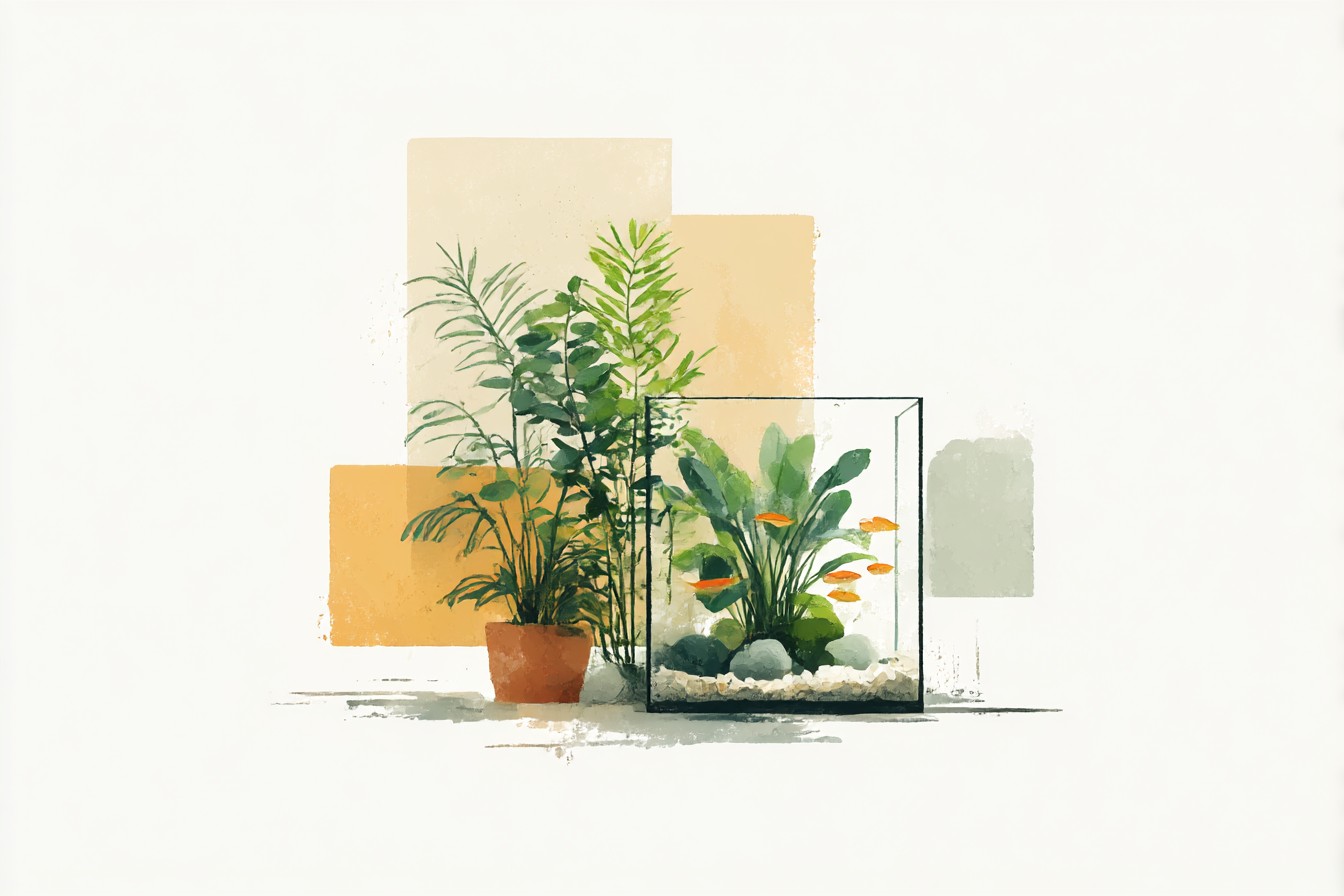
Less stress = healthier fish. Knowledge Growth – Learn a little about something then upgrade.
By the time you spend £1000+ on your hobby you’ll know EVERYTHING there is to know about keeping plants alive in your aquarium. Increases Property Value – Believe it or not, people look at aquariums when they buy houses. A stunning aquascape is more likely to get you extra $$$ when selling your home.
Budget Planning Spreadsheet
Phase 1 – Months 1-3: Get your feet wet.
Spend £140-180 and learn the basics. Phase 2 – Months 4-8: Start upgrading equipment. Add CO2 and spend another £250-380.
You should begin to see faster plant growth. Phase 3 – Months 9-18: Get serious now. By now you have a good understanding of keeping plants alive in your aquarium.
Time to spend some money and watch your tank thrive.