
# Red Root Floaters and the Only Surface Plant That Gives You Actual Colour I’ve kept a lot of floating plants over the years. Started with the usual suspects when I was setting up tanks for the kids—water lettuce that turned into a green carpet within a month, salvinia that seemed determined to take over every available inch of surface space. Practical plants that did their job of soaking up nitrates and providing cover for skittish fish, but not exactly exciting to look at.
Then I tried red root floaters because someone on a forum mentioned they were different. That someone wasn’t wrong. Most floating plants give you various shades of green and that’s your lot.
Red root floaters actually deliver what their name promises—proper red roots that dangle beneath the surface like tiny crimson waterfalls. In a hobby where “red” plants often turn brown the moment you look at them wrong, finding something that stays genuinely vibrant feels like finding a tenner in an old jacket.
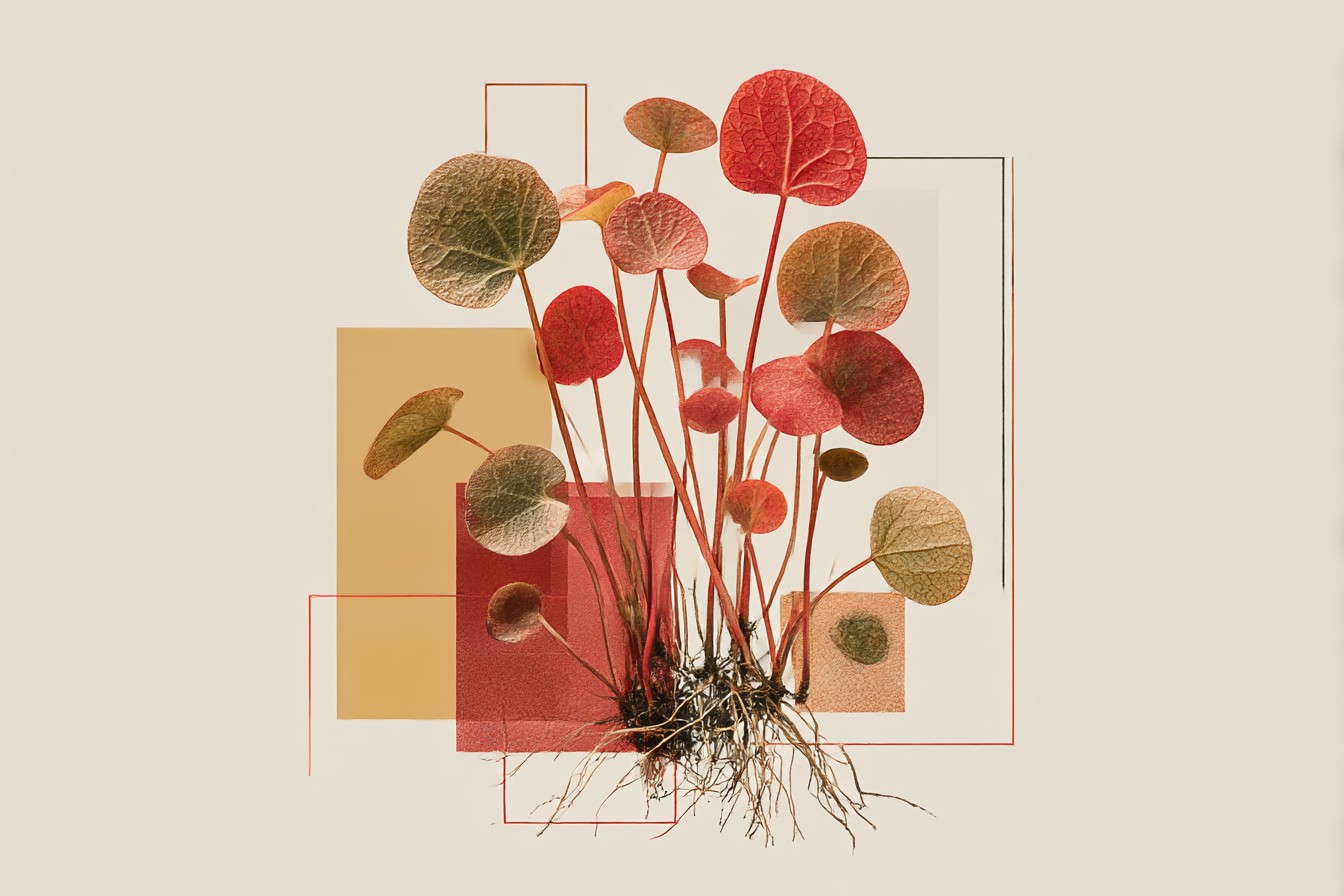
What started as a small order to try something new became the plant that changed how I think about the top third of my tanks.
The roots don’t just look good—they create habitat complexity that my fish use constantly. The kids love spotting tiny fry hiding among those trailing red tendrils. And unlike every other floating plant I’ve grown, these ones actually make me look forward to the weekly water change just to see how much more colour has developed. ## Quick Reference | Care Level | Lighting Needs | CO2 Required | Growth Rate | Max Size | Our Rating | |————|—————|————–|————-|———-|————| | Beginner | High (for colour) | No | Fast | 0-4 cm | 8.5/10 | ## Background and History Red root floaters (Phyllanthus fluitans) are native to South America (Aqua-Fish.net), where they float in slow-moving rivers and backwaters across the continent.
What’s interesting is that they belong to the Euphorbiaceae family (Aqua-Fish.net), which puts them in the same group as poinsettias and rubber trees rather than typical aquatic plants. This unusual lineage might explain why they behave so differently from other floaters. They’ve only become widely available in the hobby relatively recently.
While established aquatic nurseries have been growing them for years, it’s only in the past decade that you could reliably find them at local shops or order them online without waiting months for stock. The surge in planted tank popularity, combined with social media showing off those striking red roots, has turned them from a specialist plant into something most serious planted tank keepers have at least tried. The species gets described as a “floating fern” in some hobby profiles (Aquarium Source), though botanically that’s not accurate.
This confusion probably comes from their delicate appearance and the way their roots branch and subdivide, which does look fern-like when viewed from below. The scientific name Phyllanthus fluitans translates roughly to “floating leaf flower,” which makes more sense when you see the tiny white flowers they produce under the right conditions. Unlike many South American aquatic plants that were collected and described by Victorian plant hunters, red root floaters seem to have entered the hobby through modern aquaculture channels.
There’s no dramatic story of discovery or famous aquascaper who made them popular. They’ve simply proven themselves useful enough that demand kept growing until suppliers had to take notice. ## What Makes It Special The obvious answer is the colour, but that’s only part of what makes red root floaters worth keeping. Yes, they develop vibrant red roots that are genuinely eye-catching (CJAquatic), but the real value comes from how they behave in a tank ecosystem.
First, the roots. Under decent lighting, they start pale pink and deepen to proper red over a few weeks. The colour responds strongly to bright light (Aquarium Source), which means you get the best results in tanks with good LED setups or direct sunlight.
I’ve found the difference between adequate light and strong light is dramatic—same plant, completely different visual impact. In my main display tank under twin LED strips, the roots develop an almost burgundy intensity that photographs beautifully and looks stunning in person. But it’s not just about looks.
Those trailing roots create microhabitat that fish actually use. I’ve watched tetras thread between the root masses, shrimp climb up and down them like tiny ladders, and countless fry disappear into the tangle when startled. The root structure is much more complex than simple duckweed or water lettuce, creating genuine three-dimensional space in the water column.
The plants themselves stay relatively compact, reaching a maximum size of just 0–4 cm (Aqua-Fish.net). This makes them perfect for smaller tanks where larger floating plants would dominate. Each individual plant consists of a small rosette of round, slightly succulent leaves that float at the surface, with the root system extending downward.
Unlike some floaters that form continuous mats, red root floaters tend to cluster but maintain distinct individual plants, which gives you better control over coverage. They’re also incredibly effective at nutrient uptake. I’ve used them to help establish new tanks and clear stubborn algae problems.
They pull nitrates out of the water column aggressively, but unlike fast-growing stem plants, they don’t demand precise fertilization or CO2 to stay healthy. They’re essentially living biological filtration that happens to look spectacular. The growth pattern is fascinating too.
They reproduce through runners, sending out stolons that develop new plantlets at the ends. Within a few weeks, you’ll have small colonies connected by these runners. Eventually the connections break and you have independent plants that continue the process.
It’s fast enough to be satisfying but controlled enough that you’re not constantly pulling out surplus plants. What really sets them apart from other floating plants is their tolerance for different water conditions while maintaining their appearance. I’ve grown them successfully in everything from soft, acidic water (they prefer pH 5.8–7 according to most sources (Aqua-Fish.net)) to moderately hard tap water, and the colour development has been consistent.
You Might Also Like
Temperature-wise, they’re comfortable anywhere from 21–30°C (Aqua-Fish.net), which covers most tropical tank setups. ## The Honest Assessment Red root floaters aren’t perfect, and the main issue is the one thing that makes them special—getting good colour development requires proper lighting. Under weak lights or in tanks positioned away from windows, the roots stay pale pink or even white. They’ll still grow and provide all the biological benefits, but you lose the visual impact that justifies their slightly higher price compared to basic floaters.
I learned this the hard way with my first batch. Ordered them for a low-tech tank with a basic LED strip, expecting the photos I’d seen online. What I got was healthy plants with anaemic-looking roots that stayed disappointingly pale for months.
Only when I upgraded the lighting did they develop the rich red colour I was after. It’s not that they need expensive equipment, but they definitely need adequate light intensity. They can also be sensitive to strong water movement.
In tanks with powerful filters or wave makers, they get pushed around constantly and struggle to establish stable colonies. The plants themselves don’t seem to suffer, but they never develop the natural clustering pattern that looks best. This makes them less suitable for tanks with very active circulation.
Availability can be inconsistent. While they’re much more common now than five years ago, they’re still not as reliable to find as standard floating plants. When they’re out of stock, they’re properly out of stock—not something you can usually substitute on the spot.
This means planning ahead if you want them for a specific build. Price is another consideration. They cost significantly more than duckweed, salvinia, or water lettuce.
For a small personal tank, this doesn’t matter much, but if you’re trying to cover surface area in larger setups, the cost adds up quickly. You’re paying for the novelty and appearance, which is fine if that’s what you value, but it’s worth acknowledging. In very soft, acidic water, they can grow so enthusiastically that they become more of a maintenance issue than a feature.
I’ve had them completely cover surface area in a matter of weeks under ideal conditions, requiring regular thinning to prevent light starvation of plants below. This is a good problem to have, but it is still a problem if you’re not prepared for it. ## Legacy and Influence Red root floaters represent something important in the evolution of planted tank keeping. They’ve shown that there’s demand for floating plants that offer more than just functional benefits.
Before they became popular, surface plants were largely utilitarian—things you added for fish welfare or algae control, not because they enhanced the visual appeal of the tank. Their success has influenced how other floating plants are marketed and bred. You now see more emphasis on coloured varieties of traditional species, and nurseries are paying more attention to the ornamental potential of surface plants generally.
They’ve helped establish the idea that every layer of the tank, including the surface, can contribute to the aesthetic appeal. They’ve also changed how people think about plant placement in aquascaping. The traditional approach treated floating plants as temporary additions or necessary evils that blocked light from “proper” plants.
Red root floaters have shown that surface plants can be integral design elements that add visual interest and habitat complexity without overwhelming the composition. In terms of practical impact, they’ve made floating plants more acceptable in display tanks.

Previously, most people who cared about appearance would avoid floaters entirely because they looked too natural or wild.
Red root floaters bridge the gap between the manicured look many aquascapers want and the ecological benefits floating plants provide. ## The Verdict If you want a floating plant that actually looks like a deliberate design choice rather than something that happened by accident, red root floaters are probably your best option. They deliver genuine colour in a hobby where most “coloured” plants are varying shades of green, and they do it without demanding CO2 injection or precise nutrient dosing. The lighting requirement isn’t negotiable though.
If your tank doesn’t have decent LEDs or good natural light, you’ll get healthy plants with disappointing roots. But if you’ve got the light they need, they’re genuinely spectacular and unlike anything else you can grow at the surface. They’re perfect for people who want the benefits of floating plants—nutrient uptake, fish habitat, surface coverage—but don’t want their tank to look like a pond that’s been left unmanaged for months.
The compact size makes them suitable for smaller tanks where other floaters would be overwhelming, and the controlled growth habit means you’re not constantly pulling out excess plants. For families with kids, they’re brilliant. Children love the bright red roots and the way small fish interact with them.
They’re also robust enough to handle the inevitable disasters that come with young helpers during tank maintenance. See where these placed in our full ranking of floating plants to understand how they compare to other surface options.


