
I picked up my first Ludwigia Super Red because I was tired of explaining to my kids why our “red” plants kept turning green. They’d peer into the tank and ask perfectly reasonable questions like why the plant called “red” was the same colour as the Java moss. Fair point, really.
I’d tried Alternanthera, which melted spectacularly. I’d had a go with Rotala, which stayed stubbornly orange-pink no matter what I threw at it. Then someone at the local aquatics shop mentioned this Super Red cultivar that supposedly held its colour even under basic lighting.
I was sceptical, but at that point I was willing to try anything that might actually look red instead of disappointing my seven-year-old again. The tissue culture version cost nearly three times what I’d usually spend on a single plant.
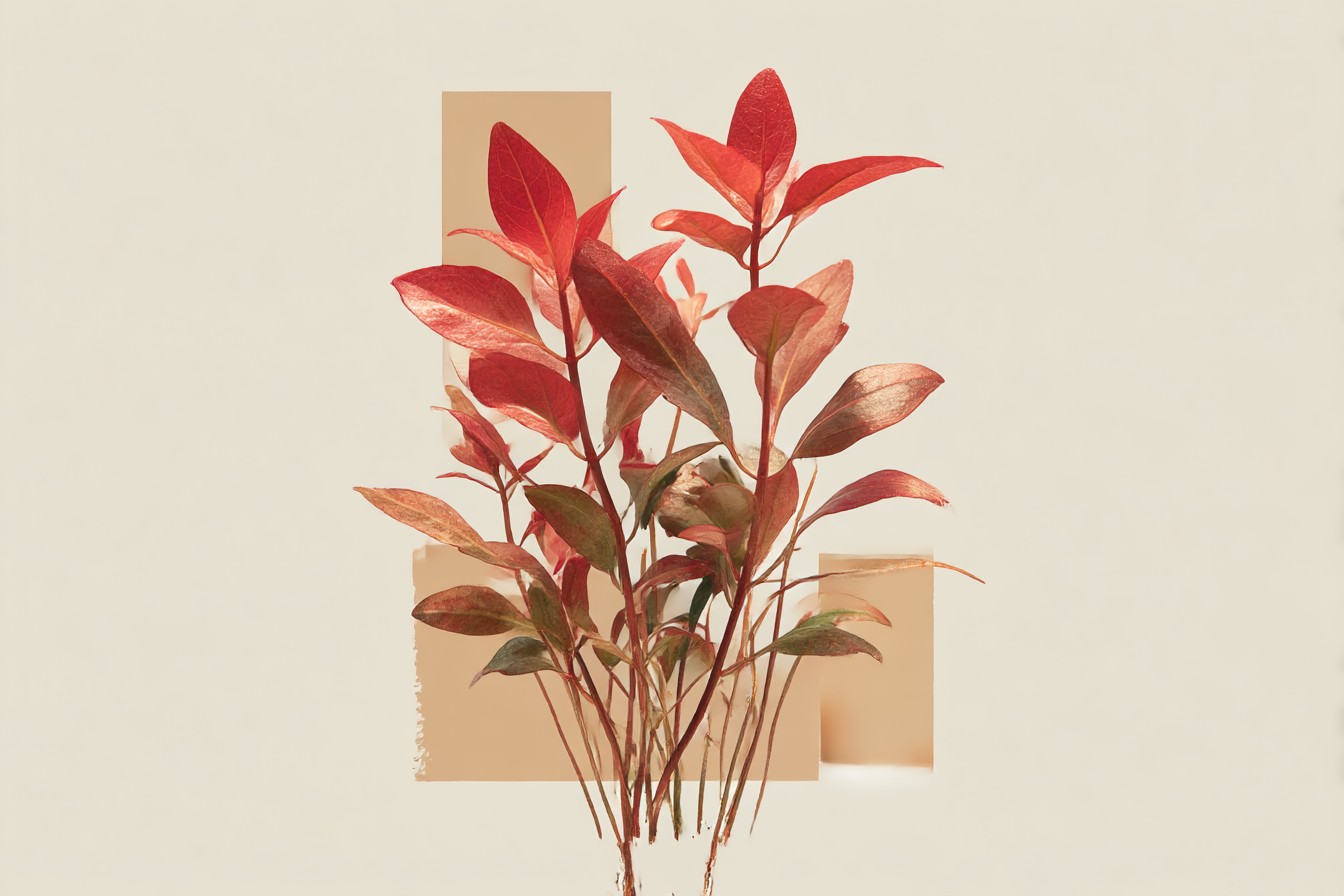
But six months later, it’s still the first thing people notice about the tank, and I’ve propagated enough cuttings to fill half the background.
Sometimes the premium option actually delivers what it promises. This is one of those times. | Care Level | Lighting Needs | CO2 Required | Growth Rate | Max Size | Our Rating | |————|—————-|————–|————-|———-|————| | Moderate | Medium to High | Optional | Fast | 30cm height | 8.5/10 | ## What Makes Super Red Actually Super Ludwigia palustris Super Red is Tropica’s answer to the eternal aquascaping problem of red plants that aren’t actually red. The regular Ludwigia palustris species has been kicking around the hobby for decades, native to North America and perfectly happy to grow in most tanks.
But like most red-leaved aquatic plants, it needed serious light and CO2 to maintain any decent colouration. The ‘Super Red’ cultivar was developed to hold that intense crimson colour under less demanding conditions. Each stalk grows 2–4 cm wide and reaches 10–30 cm in height (Tropica), which makes it perfect for mid-ground placement or background filling in smaller tanks.
The temperature range is accommodating at 18–28°C (AquariumLesson), and it tolerates a fairly broad pH spectrum from 5–7.5 (AquariumLesson). That flexibility is part of what makes it work in family tanks where you’re not running a precision chemistry lab. The real breakthrough with this cultivar is what Dennerle calls its ability to maintain “intense red even in standard lighting” (Dennerle Plants).
I can confirm this isn’t marketing hyperbole. My tank runs a mid-range LED setup that provides about 35 PAR at substrate level, and the Super Red has maintained that deep crimson colour throughout its six-month tenure. The newer growth at the tips is particularly striking, almost burgundy in the right light. ## The Tissue Culture Premium and What You Actually Get Here’s where we need to talk money.
Tissue culture Ludwigia Super Red typically costs £8-12 for a small pot, compared to £3-4 for regular bunched stems of standard Ludwigia. That’s a significant markup, and it raises the obvious question of whether you’re paying for genuine advantages or just fancy packaging. The tissue culture process grows plants in sterile laboratory conditions, which means you get guaranteed pest-free, algae-free, disease-free specimens.
For a family tank where introducing problems could mean starting over, that peace of mind has real value. I’ve had bunched plants arrive with tiny snails, algae patches, and once a rather impressive collection of what turned out to be duckweed hitchhikers. None of that happens with tissue culture.
The plants also arrive in better condition. Tissue culture specimens have been grown specifically for aquarium conditions, not harvested from outdoor ponds and stuffed into transport bags. The root systems are more developed, the stems are more robust, and the transition period from shop to tank is noticeably shorter.
My Super Red was growing new shoots within a week of planting, compared to the typical two-to-three-week settling period I’d expect from bunched stems. But the real advantage becomes apparent when you start propagating. Tissue culture plants are typically more vigorous growers, which means more cuttings and faster expansion across your tank.
Within three months, I’d taken enough cuttings from my original pot to create a substantial background section. At that point, the per-stem cost becomes much more reasonable. ## Growing Conditions and What Actually Matters The care requirements for Super Red sit in that sweet spot between demanding and accessible. While CO2 isn’t strictly necessary, with better colouration when CO2 levels reach 20–40 mg/L (AquariumLesson), the plant can skip CO2 entirely and still maintain reasonable colour (2Hr Aquarist).
I’m not running CO2 injection in my family tank, and while the colour isn’t quite as intense as it would be with supplementation, it’s still genuinely red rather than the disappointing pink-brown you get from most “red” plants in low-tech setups. Lighting is where you can’t compromise as much. The recommended 30–50 PAR at substrate level with 10–12 hours daily photoperiod (Hygger) is achievable with decent LED lighting, but you won’t get away with the basic strip lights that come with most starter tank kits.
I upgraded to a programmable LED system specifically for plants like this, and the difference in colouration across all my plants, not just the Ludwigia, justified the cost. Water parameters are refreshingly flexible. The temperature range of 18–26°C works for most tropical community tanks (Seahorse Aquariums), and the pH tolerance from 5–8 means it’ll work in both soft and moderately hard water setups (Seahorse Aquariums).
You Might Also Like
My local tap water sits around 7.2 pH with moderate hardness, and the plant has shown no signs of stress. The growth rate is quick enough to be satisfying but not so aggressive that it becomes a maintenance burden. I trim the tops every three to four weeks, replanting the cuttings to gradually expand the group.
The cut stems branch readily, creating a bushier appearance over time. ## What the Hobby Gets Wrong About Red Plants There’s a persistent myth in aquascaping circles that all red plants need high-tech setups with pressurised CO2, expensive lighting, and daily dosing regimens. Super Red proves this isn’t always true. While it certainly benefits from optimal conditions, it delivers genuine red colouration under moderate lighting and standard fertilisation.
The key insight is understanding what “red” actually means in aquatic plants. Most red-leaved species accumulate anthocyanin pigments as a response to light stress and nutrient availability. In many cases, the red colouration only appears when the plant is pushed to its limits, which means constantly dancing on the edge of plant health.
Super Red has been selected for stable anthocyanin production, which means it maintains colour without being stressed to the point of poor growth or frequent melting. This makes it particularly suitable for family tanks or community setups where plant care needs to be straightforward rather than obsessive. My kids can help with weekly trimming without me worrying about precise timing or technique.
The plant responds well to basic liquid fertilisation and doesn’t sulk if I miss a dose or two during busy periods. ## The Honest Assessment Super Red isn’t perfect, and the tissue culture premium does have some limitations worth acknowledging. The plants arrive quite small, typically just a few centimetres tall in a 5cm pot. Building substantial coverage takes time and patience, especially if you’re trying to fill a large background area.
I needed four pots to achieve the coverage I wanted in my 90-litre tank, which pushed the initial investment to nearly £40 just for one plant species. The tissue culture growing medium needs thorough removal before planting, which is fiddly work. The gel contains nutrients that can cause algae blooms if left in the tank, so you end up spending twenty minutes carefully washing each tiny plantlet.
It’s not difficult, but it’s more involved than just sticking bunched stems in the substrate. Growth can be inconsistent in the first few weeks as the plant adapts from laboratory conditions to your specific tank environment. Some stems took off immediately while others sat unchanged for a month before showing new growth.
This is normal for tissue culture plants, but it means you can’t expect instant results. The plant also has a tendency to shed lower leaves if lighting becomes inadequate, leaving bare stems that need trimming back to the substrate. This isn’t unique to Super Red, but it’s worth noting that “low light tolerance” doesn’t mean the plant looks good in low light, just that it survives. ## Why It Earns Its Place Despite these limitations, Super Red has become the red plant I recommend most often, particularly for anyone who’s been disappointed by other supposedly red species that turned brown or pink in their tank.
The colour consistency alone justifies the premium for most hobbyists who want their tank to actually look like their aquascaping inspiration photos.
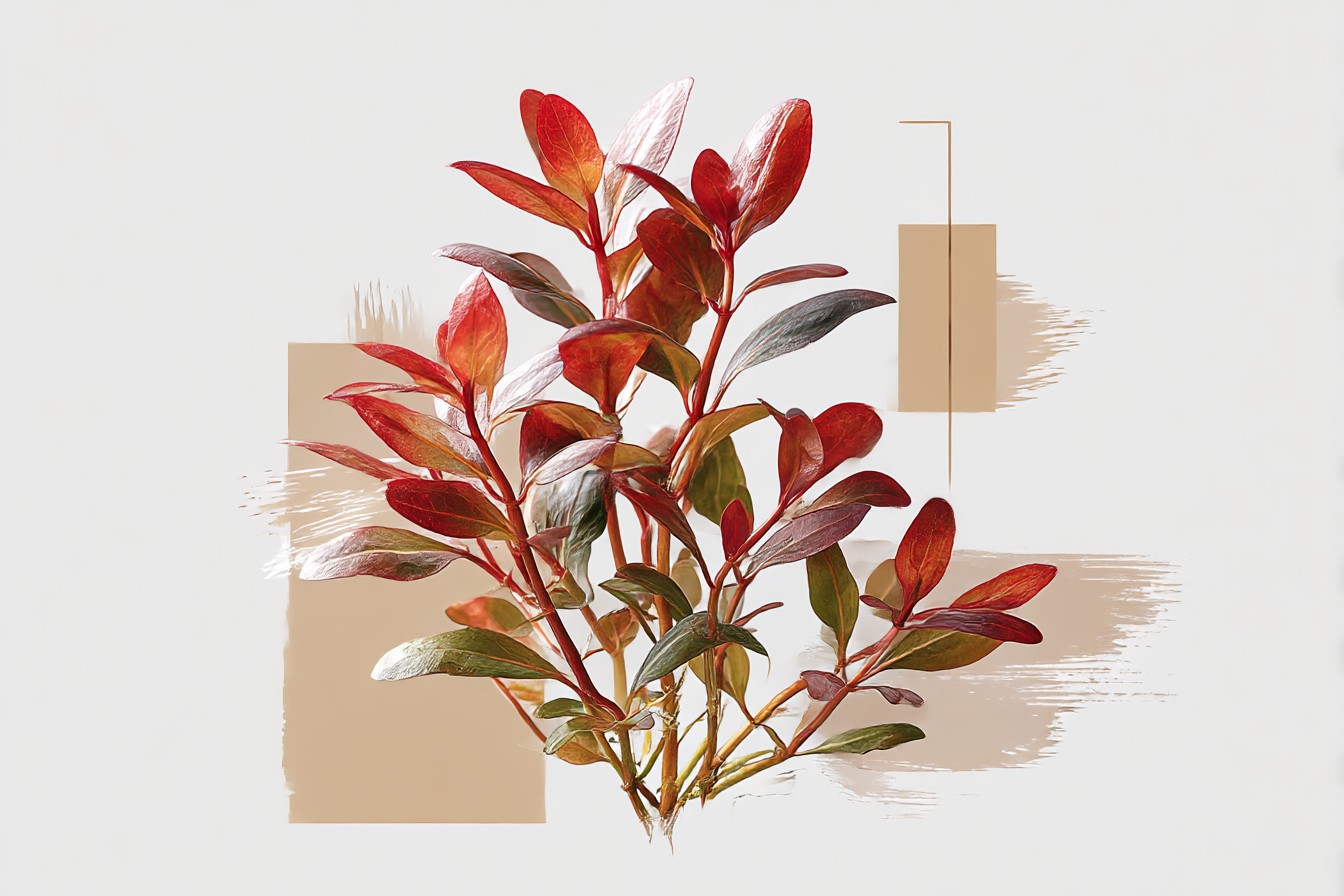
The propagation rate means the high initial cost amortises quickly. Within six months, I had enough cuttings to trade with other local hobbyists, effectively getting my money back while maintaining a full stand in my own tank.
Few other premium plants offer this kind of practical return on investment. From a design perspective, Super Red provides the visual weight and colour contrast that makes planted tanks work as room features rather than just collections of green plants. It photographs well, which matters if you’re sharing your hobby with family or online communities.
More importantly for family tanks, it gives children something genuinely impressive to show friends and helps maintain their interest in the hobby beyond the initial excitement of getting fish. ## The Verdict Ludwigia Super Red lives up to its name in a way that most red aquatic plants simply don’t. The tissue culture premium is significant, but you’re paying for genuine advantages: guaranteed quality, better initial health, superior propagation potential, and most critically, reliable red colouration under moderate conditions. If you’re running a high-tech tank with CO2 injection and premium lighting, you might achieve similar results with cheaper alternatives.
But for the vast majority of planted tank enthusiasts working with standard equipment and looking for plants that deliver what they promise, Super Red justifies its cost through performance rather than just marketing. It’s become the plant I use to convert people who think red plants are too difficult or unreliable. When their “beginner friendly” Alternanthera melts for the third time, Super Red shows them what’s actually possible without turning their tank into a chemistry experiment.
See where this placed in our full ranking of red aquarium plants.


