
# Dwarf Hairgrass and the Classic Carpet That Still Looks Better Than Everything Else I planted my first dwarf hairgrass about six months after I started keeping fish, back when I was still figuring out the difference between a substrate and a gravel vacuum. Bought it because the bloke at the aquatics shop said it was “dead easy” and would give me a proper planted tank look without much fuss. He wasn’t entirely wrong, but he wasn’t entirely right either.
What he didn’t mention was that getting a decent carpet takes patience, and that once you’ve got one established, you’ll spend the next two years comparing every other carpeting plant to it and finding them wanting. That first patch took three months to look like anything worth having, and another two to properly fill in. But when it did, I understood why every aquascaper worth their salt has used this plant at some point.
There’s something about a well-grown hairgrass carpet that just looks right in a way that newer alternatives never quite manage. Clean, natural, timeless.
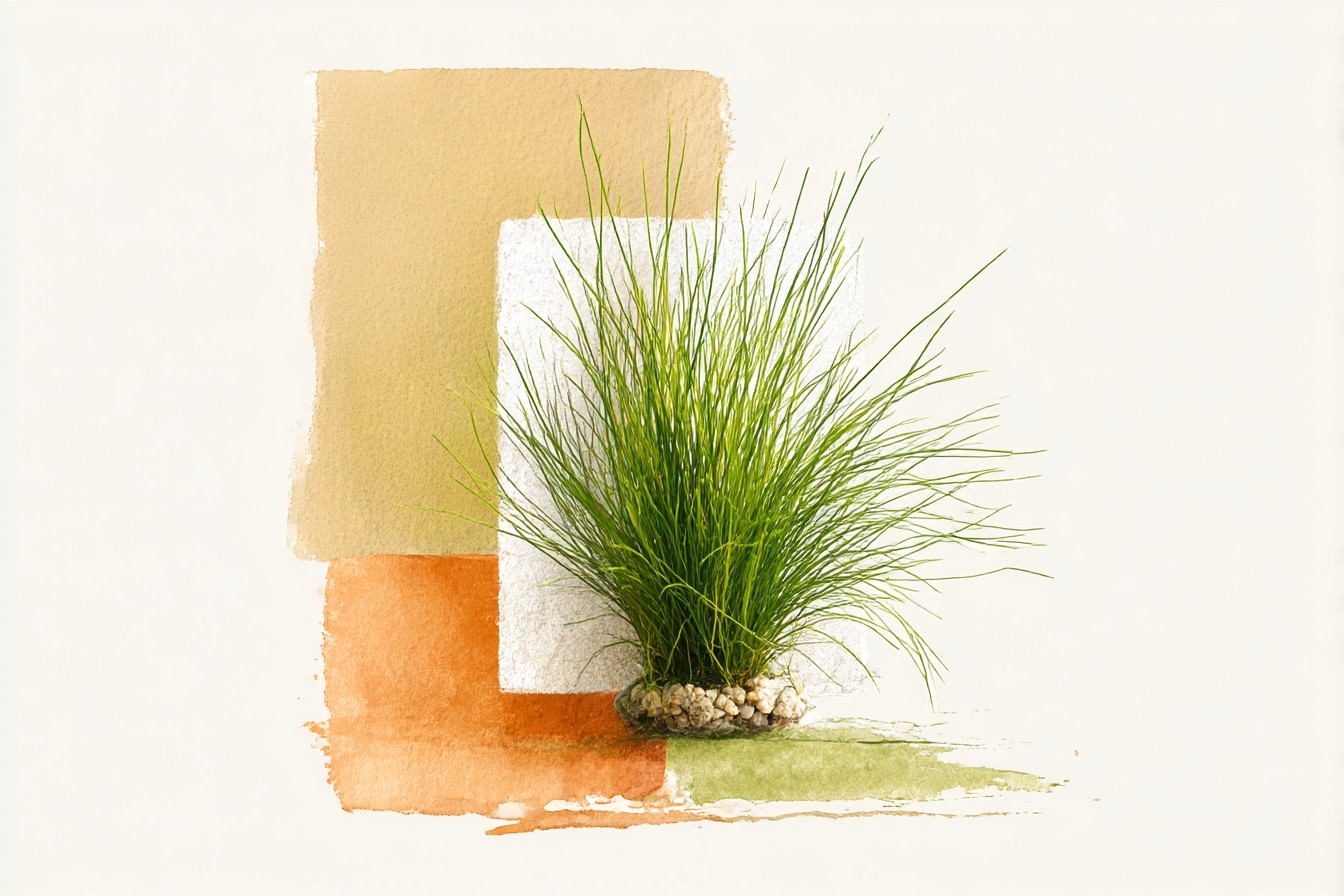
It’s the planted tank equivalent of a properly mown lawn. | Care Level | Lighting Needs | CO2 Required | Growth Rate | Max Size | Our Rating | |————|—————-|—————|————-|———-|————| | Moderate | Medium-High | Recommended | Moderate | 5-6 cm | 8.5/10 | ## The Plant That Made Carpeting Popular Dwarf hairgrass isn’t actually one plant, which explains why you’ll sometimes buy what you think is the same species and get completely different results.
There are three main types sold under the “dwarf hairgrass” name: parvula, ‘Mini’, and Belem (Aquanswers). Most shops don’t distinguish between them, which is the first thing that caught me out. What I thought was inconsistent growing was actually me mixing varieties that behave differently.
The classic variety, Eleocharis parvula, has been the go-to carpeting plant since before CO2 injection became standard hobbyist kit. It originated in the rice paddies and shallow waters across Asia and has that reliable, predictable growth habit that made it perfect for aquascaping pioneers who were still working out how to keep plants alive underwater in the first place. This is the plant that proved carpeting was possible for ordinary hobbyists.
Before dwarf hairgrass became widely available, getting that lawn effect meant either expensive imported plants that died in transit or trying to make do with terrestrial grasses that rotted after a few weeks. Hairgrass changed all that by being genuinely aquatic, reasonably hardy, and willing to spread via runners if you gave it half a chance. The timing mattered too.
Dwarf hairgrass hit the hobby just as better lighting and CO2 systems were becoming affordable, which meant people could actually provide what it needed to carpet properly. It became the standard because it worked when most alternatives didn’t, and that reputation has stuck for good reason. ## What Makes It the Benchmark The first thing you notice about established dwarf hairgrass is how it moves. Each blade is thin enough to sway with even gentle water movement, but the whole carpet stays rooted and stable.
It creates this constant, subtle animation that brings the entire tank to life without being distracting. I’ve kept Monte Carlo, baby tears, and half a dozen other carpeting plants since, and none of them have that same natural flow. The growth pattern is what really sets it apart.
Dwarf hairgrass doesn’t just spread by division like most carpet plants. It sends out runners underground, popping up new shoots at regular intervals across the substrate. Give it time and proper conditions, and it will genuinely carpet your tank floor rather than just forming clumps that you hope will eventually meet up.
The height stays consistent at about 5-6 cm (Dennerle Plants), which is perfect for foreground work without blocking the view of whatever you’ve got behind it. In terms of water parameters, it’s more forgiving than its reputation suggests. I’ve grown it successfully in everything from soft Welsh tap water at pH 6.2 to the harder stuff we get here after they changed the treatment works, which pushed us up to pH 7.4.
The official range is pH 5-7 (Dennerle Plants), but I’ve found it tolerates slight alkalinity without complaint. Temperature-wise, it’s genuinely adaptable, handling anything from 12-26°C (Dennerle Plants), which means it works in both tropical and temperate setups. The CO2 requirements are where most people get caught out.
The official recommendation is 10-30 mg/L (Dennerle Plants), and whilst it will grow without injection, it won’t carpet properly. I learned this the hard way with my first attempt, where I got lovely tufts of grass that never spread beyond the original planting sites. Add CO2 and decent lighting, and the same plant transforms into an aggressive coloniser that will cover the substrate in a few months.
What really makes dwarf hairgrass special is how it responds to trimming. Cut it back to about 2cm height every few weeks, and it comes back thicker and more uniform. The plant actually seems to enjoy being mown, sending up new shoots from the runner network each time you cut it down.
This is completely different from plants like glosso or baby tears, where heavy trimming can shock them into melting or growing unevenly. ## The Reality Cheque Here’s what the plant shop won’t tell you about dwarf hairgrass: getting a proper carpet takes longer than you think and requires more attention than you’ve probably planned for. That three-month timeline I mentioned for my first patch wasn’t unusual. It’s genuinely moderate in growth rate, not the quick-spreading miracle that some online guides suggest.
The CO2 dependency is real and non-negotiable if you want carpeting rather than just clumps. I’ve tried growing it in low-tech tanks multiple times, hoping that better lighting or liquid carbon would compensate. It doesn’t work.
You Might Also Like
Without proper CO2 injection, you get tall, straggly growth that looks nothing like the neat carpet you were expecting. Factor in the cost of CO2 equipment and ongoing cylinder refills when you’re budgeting for this plant. Lighting requirements are higher than most beginners expect.
Medium to high intensity isn’t just a suggestion with hairgrass. Under insufficient light, it grows tall and thin, reaching upward for more photons rather than spreading horizontally. I’ve seen tanks where inadequate lighting turned what should have been a 5cm carpet into 15cm grass that looked more like an underwater wheat field than a lawn.
The substrate matters more than anyone admits. Dwarf hairgrass needs its roots to spread through the substrate to establish that runner network. Fine gravel or coarse sand works well, but the thick clay-based substrates that some aquascapers prefer can be too dense for the runners to penetrate easily.
I learned this when I tried planting it in ADA Amazonia that had been in the tank for two years and had compacted. The runners struggled, and the carpet never properly established. Algae competition is another issue that doesn’t get mentioned enough.
During the establishment phase, before the carpet thickens up, you’ll often get algae growing on the substrate between the hairgrass patches. Hair algae particularly loves to anchor itself to the young shoots, and removing it without damaging the developing carpet is genuinely difficult. Plan for this and have a cleaning routine ready. ## Legacy and Influence Dwarf hairgrass essentially created the modern aquascaping aesthetic.
Before it became widely available, the idea of a planted tank that looked like a miniature landscape was mostly theoretical. You could grow stem plants and maybe some Anubias on driftwood, but creating that seamless transition from substrate to midground required a reliable carpeting species that could actually cover the tank floor. The influence on contest aquascaping has been enormous.
Look at winning layouts from the last twenty years, and you’ll see hairgrass carpets in a significant percentage of them. It became the standard not just because it worked technically, but because it created that manicured, naturalistic look that judges and hobbyists found appealing. Even as newer carpeting plants have been introduced, many aquascapers still return to hairgrass for important builds because they know exactly how it will behave.
The plant also proved that carpeting was possible for ordinary hobbyists with standard equipment. You didn’t need specialised substrates or exotic fertilization regimens. Decent light, CO2, and patience were enough, which opened up a whole new style of aquascaping to people who couldn’t afford the most advanced equipment available.
That democratization effect is probably its most important legacy. By making carpets achievable for regular hobbyists, dwarf hairgrass changed what people expected from their planted tanks and influenced a generation of aquascapers who now consider foreground carpeting a basic element of good design rather than an advanced technique. ## The Verdict After keeping dwarf hairgrass on and off for the better part of two years, I keep coming back to it because it simply works better than anything else I’ve tried for that classic carpet look. Yes, it takes patience to establish.
Yes, you need proper CO2 and decent lighting.
Yes, it requires regular trimming to look its best. But when it’s grown in properly, nothing else comes close to that natural, flowing carpet effect.
The newer alternatives all have something wrong with them. Monte Carlo grows faster but doesn’t have the movement. Baby tears are fussier about water parameters.
Glosso turns into a thick mat that blocks light from reaching lower levels. Marsilea varieties stay too flat. None of them have that perfect combination of height, texture, and growth habit that makes dwarf hairgrass look like an underwater lawn rather than just another aquatic plant.
If you’ve got a tank with CO2 injection and you want a foreground carpet that will still look good in five years’ time, this is still your best option. The learning curve isn’t steep, just slow, and the results justify the wait. It’s become a classic for good reason, and I can’t see that changing any time soon.
See where this placed in our full ranking.



[…] comprehensive Dwarf Hairgrass guide explains exactly why this classic earned its reputation. **”Does it still hold up?”** […]