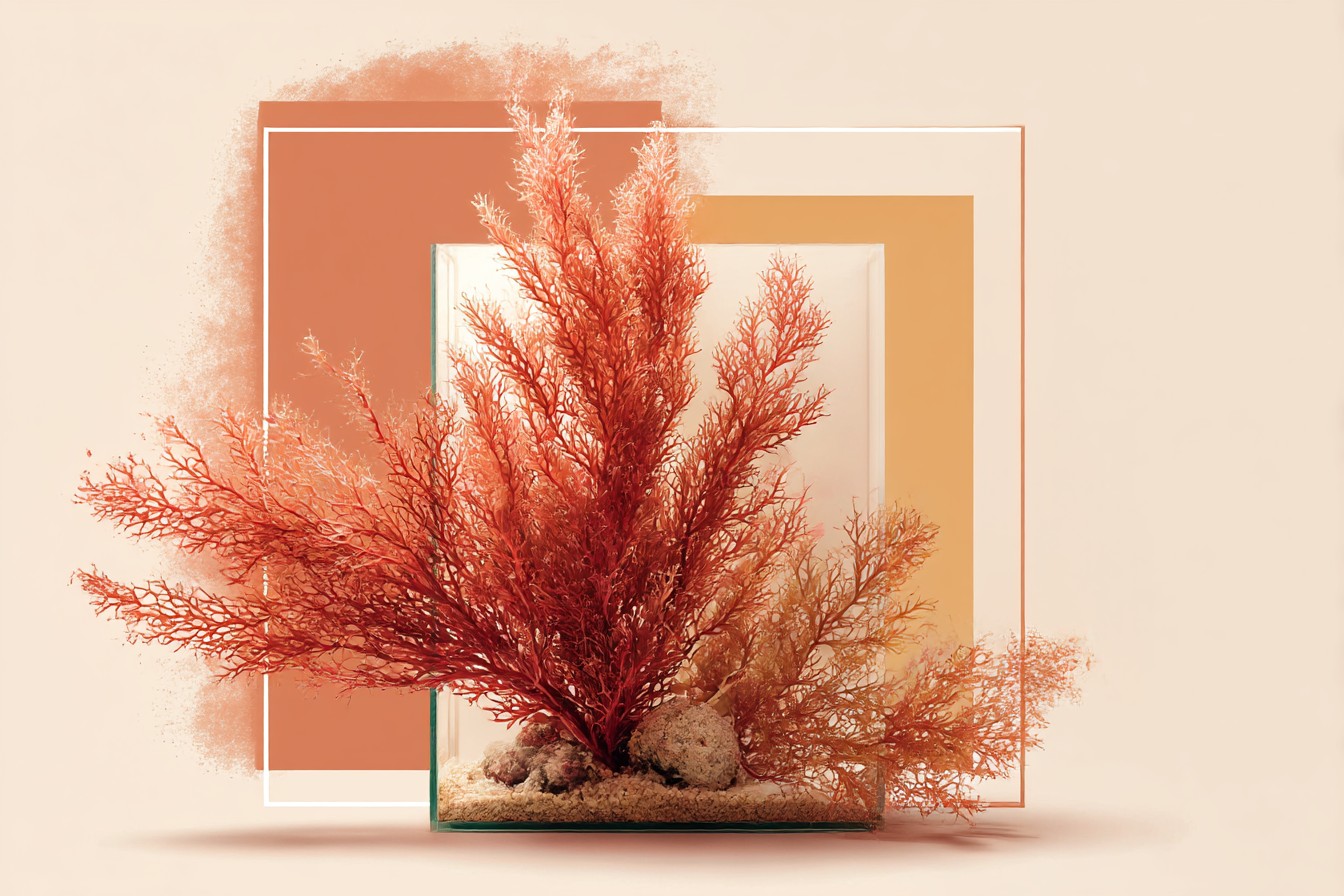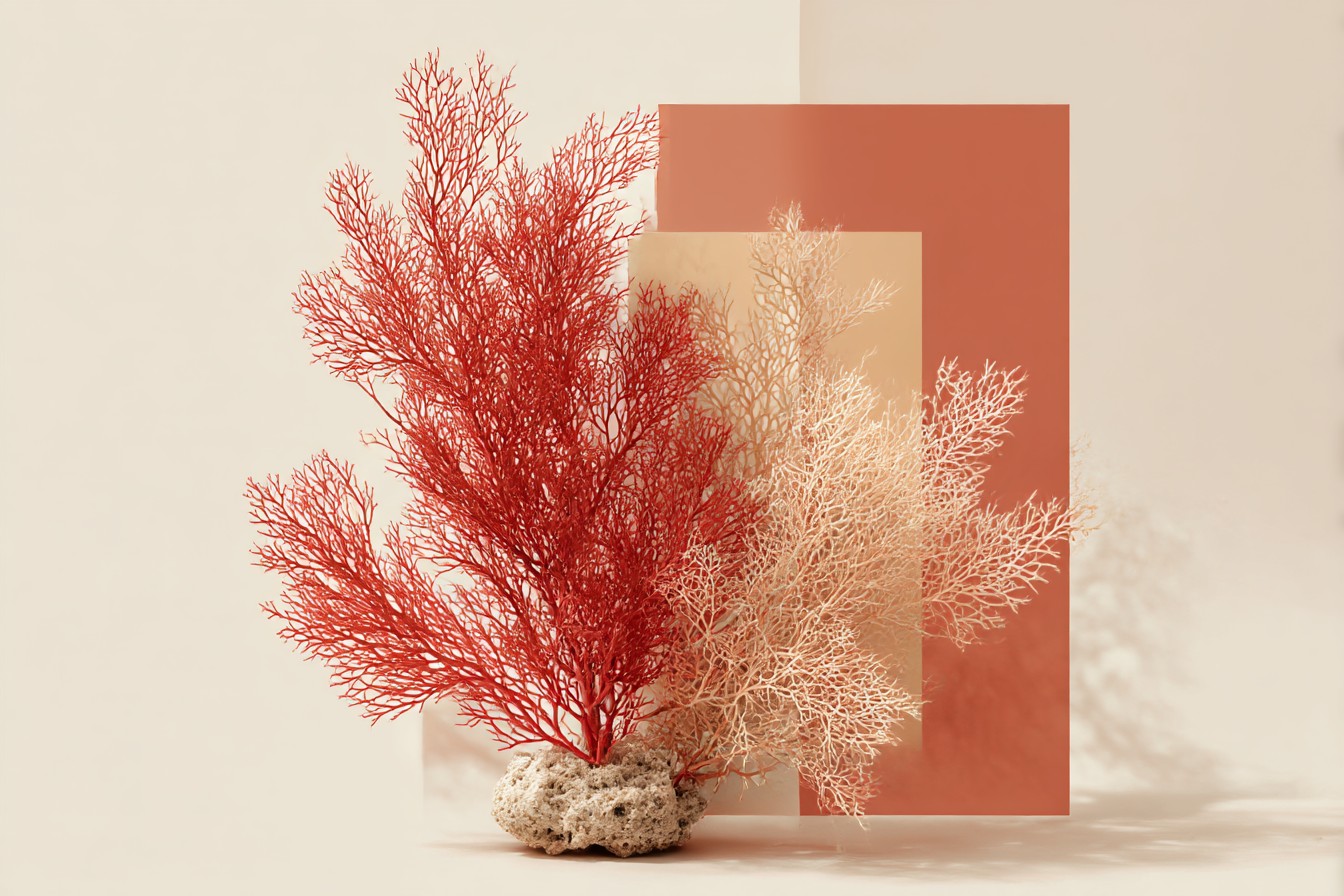
While many reef keepers associate macroalgae with refugiums, not display tanks. Growing it out of sight in its own chamber and utilising it to pull nutrients without competing with their gorgeous coral formations. I used to think this way too; however, once I came across a red macroalgae setup that was flourishing, I began to rethink everything.
When properly established and cared for, macroalgae species add flow and movement to a marine aquarium that corals can’t replicate. They add vertical interest and make excellent hiding spots for skittish fish. Bonus?
They’ll continue to act as nutrient exporters while serving as a legitimate display species. You get the best of both worlds by including macroalgae in your saltwater tank.
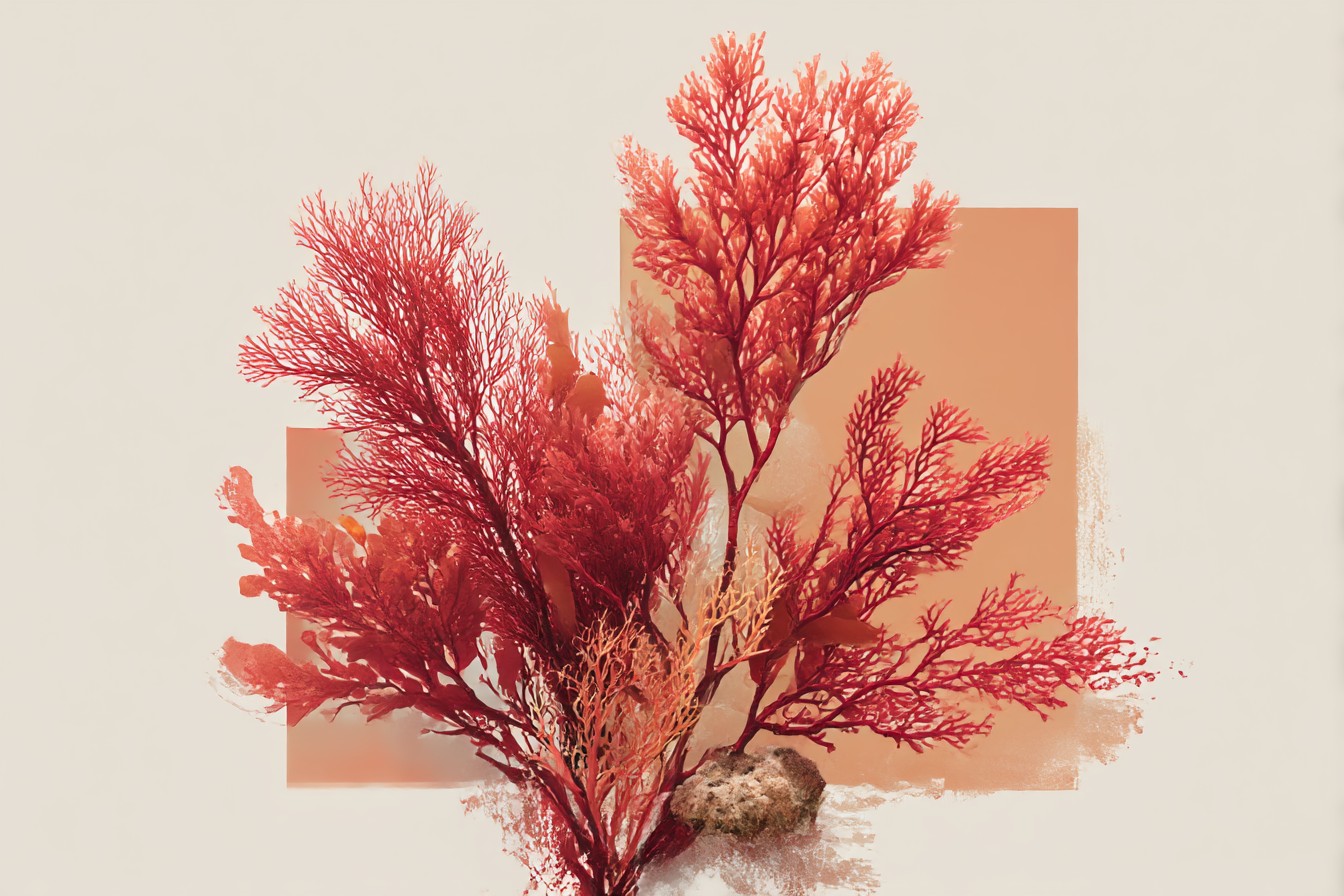
The difficulty is determining which species make suitable display elements versus awkward blobs that resemble pond scum.
Some red algae will wow you with their beauty if you can provide ideal water parameters, but they’ll quickly turn brown or autumn apart if your conditions happen to fluctuate. Other macros are more hardy and rarely lose their appealing looks, but they’re lackluster in growth form or coloration. To learn how to keep red macroalgae successful in your saltwater aquarium, you need to understand: * What they need to properly grow. * Which species work best in different-sized tanks and with various flow rates. * How to maintain them once they’ve reached a usable size.
We cover everything you need to know about keeping macroalgae as part of a mixed reef aquarium in our [comprehensive saltwater aquarium guide]. However, since red algae are particularly unique in appearance compared to typical green seaweed, I wanted to highlight several species that work well as actual display elements. Why Red Macroalgae Makes Sense For Your Display Tank Nutrient Export Capacity Red algae are extremely efficient at absorbing various nutrients, namely nitrates and phosphates.
One study detailed the phosphate export capabilities of two different macroalgae species (ScienceDirect). Both were equally adept at pulling phosphate from the water column at higher and lower concentrations. If you’ve got a heavily stocked tank or you feed a lot, macroalgae can help keep nutrients in cheque.
They also take up dissolved linear compounds that would otherwise fuel cyanobacteria growth. Salinity Needs This may also go without saying, but like any marine organism, red algae require a specific gravity between 1.023-1.026 or about 33-35ppt (The Salty Side). They are slightly more forgiving of swings in salinity than coral, which makes them more beginner-friendly if you’re still getting the hang of keeping stable water parameters.
Lighting Requirements This is another area where macroalgae differ from coral. Unlike coral which require intense lights to survive and thrive, red algae contain phycoerythrin allowing them to absorb light in different parts of the colour spectrum. This means you can purchase bulbs that are optimised for coral growth, but your macro will still look great under those same lights due to the red pigments it produces.
In fact, the redder macro algae tend to appear under blue-rich lights. Growth Patterns This may seem obvious, but red algae can be trimmed to your preferred size. Most coral grow in a linear fashion until they come in contact with something they don’t like, at which point they may begin to stunt their growth or eat each other.
Macroalgae grow bushier the more you trim them. Think of it as harvesting nutrient absorbers instead of attempting to frag pieces like you would with coral. Flow Tolerance Most species of red algae can tolerate low to moderate water flow.
This allows you to place them just about anywhere in the tank, as opposed to coral which have specific flow requirements. Top Species To Include In Your Marine Display Gracilaria mammillaris This is my go-to macroalgae recommendation for marine aquariums. It grows in tight, bushy clusters that develop a deep red or burgundy hue when provided ample lighting.
In the UK, most algae suppliers will sell you starter cuts that are around 25 grams in size (E Marine Aquatics). These portions attach to rockwork or bogGrab on their own fairly quickly. Place them in moderate flow so the branches can bounce around without being ripped from the base.
Gracilaria gracilis If you want something a little less bushy and more fern-like, try gracilaria gracilis. It grows in long strands compared to G. mammillaris. This allows you to use it as background macroalgae or stuff it in between rocks for something different (Reeflings).
It is more picky about water parameters than G. mammillaris but grows a deep red hue that’s sure to wow your guests. Dragons Breath (Halymenia durvillei) Dragon’s breath isn’t your typical stringy algae. It grows in flat, branching segments that actually resemble coral when first attached to rockwork (Petco).
The growth form is quite cool, but it can take some time to get established. That said, once it does it really stands out. I recommend placing Dragons Breath close to the substrate so it can hold on while getting enough light.
Botryocladia Botryocladia is another macroalgae species that produces small bunches of algae at the end of branching stems. It adds nice texture when placed next to other red algae species. It doesn’t grow as quickly as gracilaria, but the colour tends to stay consistent even if your water parameters shift.
Use it as accent decor rather than a main focal point. Placement Tips For Maximum Impact When introducing macroalgae to your tank, start slow. Add a few small portions of two to three different species.
You can fill in the gaps later as your macroalgae become established. If you dump a bunch of algae into your display at once, they won’t thrive like they would if you gave them time to adjust to your aquarium’s conditions. If you’re just getting started, pick one species and work from there.
Adding too many types of algae at once can overwhelm you during the maintenance phase. Use aquarium-safe glue to attach your macroalgae to rocks or let it grab onto something on its own. Within a few weeks, your macroalgae should develop its own holdfast and not require gluing down.
Macroalgae aren’t cheap. Depending on the species you choose, expect to spend £15-25 on a starter portion. Dragons Breath may cost you upwards of £40.
Macroalgae Dos and Don’ts
Don’t: Treat red macroalgae like you would coral.
You may be thinking, “Well shouldn’t I just glue these things down like I would coral frags?” Wrong. Sure you can, but red macroalgae tend to grow outward through runners or develop new attachment points all over the place. Fighting this natural growth habit by constantly adjusting your macroalgae will result in damaged tissue and algae that won’t establish.
Look for spots that allow the algae to spread out when trimming and plan to prune your macros rather than relocate them constantly.
Do: Ensure your aquarium has enough nutrients to support macroalgae growth. Just because macroalgae are incredible nutrient exporters doesn’t mean they don’t need nutrients to survive. In fact, many ultra-low nutrient systems stunted my macro growth because they didn’t have enough nutrients to properly thrive.
Make sure you can detect (but not necessarily see) nitrate in your tank. If it’s reading 0ppm, your macros may look sad and never reach their full potential. Consider adding more fish food to the tank or invest in a macroalgae fertilizer.
Don’t: Ignore water flow.
You Might Also Like
Yes, macroalgae need water movement to avoid detritus buildup and allow for proper petrol exchange. However, too much flow will tear your precious algae right off the rock. Find a happy medium where water movement causes the macroalgae to sway back and forth.
Do: Fix nuisance algae problems before adding macroalgae.
There’s nothing worse than getting your macroalgae all sorted out, only for some hairy orange death to pop up and take over. Make sure your aquarium is free of pests like hair algae or bubble algae before investing in macros. If you already have an issue, battle the algae first.
Add your macroalgae once the problem is under control. Macrocgy will help with algae outbreaks, but if they become established too soon, you’ll likely lose.
Don’t: Let months go by without trimming your macroalgae. When aquarium snakes occur.
While corals can typically go 6+ months between fragging, macroalgae need more consistent trimming to promote bushier growth. Ideally, you’d trim your macro once a month. Take clipping out 20-30% of the growth and either compost it, feed it to your herbivores, or give it away to fellow aquarium enthusiasts.
Resources This (ScienceDirect) study was extremely helpful when understanding just how well macroalgae can process nutrients from your tank. Fellow hobbyists on Reef2Reef have also noticed red macroalgae continue to be effective nutrient cleaners even when there are higher nutrients present (Reef2Reef). In that particular case, the tank was reading ~50ppm of nitrate.
You can now purchase macroalgae from aquarium suppliers rather than having to special order them from Asia like we had to do years ago (BuildYourAquarium). While seagrass makes an excellent stand-in for macroalgae, it’s difficult to obtain and keep long-term (Aquanswers). Red algae really are the next best thing if you want that lush, grass-like texture in your aquarium.
Different Aquarium Setups Nano Reef Aquariums (10-30 gallons) Add one species of macroalgae to provide maximum impact without taking over the tank. You don’t want your macro to overpower your corals as your tank matures. Plus, most nano reef keepers don’t have the space to adequately display multiple species of macroalgae.
Mixed Reef Aquariums (40-100 gallons) Begin combining two to three species of macroalgae together. I like to pair taller species like gracilaria gracilis with bushier species like Gracilaria mammillaris. You can also stuff macroalgae between rocks to add texture to dead spaces.
Big Tank Sugar Reef Aquariums (100 gallons+) Add a macroalgae-only zone to your aquarium that can act as a natural refugium within your display. Not only will it continue to pull nutrients from the water column, but it provides animals within the tank a place to hide. Fish Only With Live Rock Setups (FOWLR) Many fish thrive off natural algae like macroalgae.
Because it’s tougher than birdseye, many FOWLR systems can support red algae without it being torn apart by fish. Lagoon Style Reef Aquariums Lagoons have tons of seagrass, which makes a perfect substitute for macroalgae. Unfortunately, it’s next to impossible to get your hands on seagrass let alone keep it alive in the aquarium.
Most fake seaweedLooking materials you can buy at the pet store don’t resemble actual algae. Benefits Of Using Macroalgae As A Display Element Provides Natural Filtration Macroalgae export nutrients on a 24/7 basis. There’s no need to turn off a pump or light when you’re sleeping at night.
Your macro are doing their job day and night. It Makes Your Aquarium Look Cool Watching water flow through macroalgae is something you actually stop and watch. Corals aren’t going to move unless they start battling, but macroalgae flow with the current creating a nice swaying motion.
Provides Grazing Opportunities for Fish Many marine species of fish eat algae. Giving them an algae they can’t crush with their heads is better for their overall health and can reduce aggression. Helps Prevent Coral Warfare If your corals are constantly trying to beat the living daylights out of each other, try inserting some macroalgae in between colonies.
They’ll help soak up excess nutrients that fuel chemical warfare. Easy To Harvest When it’s time to trim your algae, you don’t need any special tools. Pair of scissors and you’re good to go.
The only downside is you’ll have to find someone to give this macroalgae away to since most fish won’t touch it. Macroalgae for Sale One final benefit of using macroalgae as a display element is that they’re self-propagating. You spend £20 on a handful of macroalgae and could very well end up with enough to fill your entire display in 6-8 months.
Installing Macroalgae In 5 Steps Phase 1: Planning (Weeks 1-2) This includes testing your water parameters, viewing current lighting over where you’d like to place your macroalgae and viewing water flow. Learn about different species of macroalgae and which work best in your particular tank size. Estimated Cost * Water test kit: £15-25 * Reef glue: £8-12 * Light metre (optional): £10-15 Total: £35-50 Phase 2: Purchasing & Adding Macroalgae To Your Tank (Weeks 3-4) Order 1-2 macroalgae species from a quality supplier located in the UK.
Once you receive your algae shipment, follow proper marine algae acclimation techniques. Use reef-safe methods to secure macroalgae to your rocks and take pictures! Estimated Cost * Two different species of macroalgae: £30-50 * Shipping: £8-15 * Journal or binder: £5-10 Total: £45-75 Phase 3: Letting Your Macroalgae Setup Establish (Weeks 5-12) During this phase, you’ll monitor to make sure your macroalgae pieces aren’t falling off and that they appear to be growing.
If they begin to float or aren’t getting enough light, you may need to move them around. Other than that, keep water parameters stable and adhere to a consistent lighting schedule. You can begin pruning your macro around the 8-10 week mark to promote bushier growth.
Estimated Cost * Macroalgae nutrients if needed: £12-20 * Pair of reef-safe scissors: £8-15 * Water test kit (if needed): £10-15 Total: £30-50 Phase 4: Expand Your Macroalgae Colony (Month 4-6) By now you should have established areas of macroalgae that look great. You can either add new species to your collection or expand the algae you currently have to fill in dead spaces. Estimated Cost * Additional species/macrocgy expansion: £25-40 * Better lighting if needed: £0-100 * Upgraded maintenance tools: £15-25 Total: £40-165 Phase 5: Maintenance (Month 6+) Set a regular trimming schedule.
If you can get into the habit of trimming your macro monthly, you’ll never have to worry about them out-competing your coral or shading them out. Continue to watch for nuisance algae. If hair algae starts popping up, you know where your macroalgae cuts are hiding.
Treat yourself to a new algae-related gadget. There are tons of cool macroalgae clip-ons and mounts these days that make maintaining easier.
Estimated Cost * Macroalgae Nutrients: £10-15 (every 3 months) * Replacement tools: £15-25 (every year) * New gadgets or upgrades: £20-50 (as needed) Total: £45-90 per year Conclusion Macroalgae add an element to saltwater aquariums that coral can’t.
If you’ve always been intimidated by algae or thought they weren’t cool enough to be displayed, think again. Not only do red algae look absolutely gorgeous when installed correctly, but they continue to act as nutrient exporters in your aquarium. Keep In Mind Algae isn’t going to instantly take over your tank and look amazing.
Like coral, they need time to adjust to their new environment. You also don’t need a ton of macroalgae to see differences. A few pieces here and there can make a huge difference.
Adding macroalgae to your saltwater aquarium is like the thrill of having aquarium snakes every time you feed your fish. Okay, maybe that’s exaggerating a bit, but you get what I mean. Think of macroalgae as corals with personality.
They provide endless entertainment while simultaneously cleaning your aquarium. How could you not want some?<|end_of_document|>